
The Lost Horror Movies History Almost Erased
Lost horror movies aren't a myth or a marketing angle. They're a documented, well-cataloged category of film history, and horror lost more of its early work than almost any other genre. Some films burned in studio vault fires. Some were tossed out because nobody thought a horror picture from 1920 was worth the shelf space. HorroRated exists because of exactly that problem, an archive built on preservation over popularity, and that mission starts with understanding what's already gone.
This isn't a list of movies that are simply hard to find on streaming. Every title below is either completely lost, meaning no known print exists anywhere, or survives only in fragments. Real films, real studios, real fires, and in a few cases, real mysteries that are still unsolved.
Key Takeaways
- Film historians estimate that 75 to 90 percent of movies made before 1929 no longer exist in any form, and horror was hit as hard as any genre.
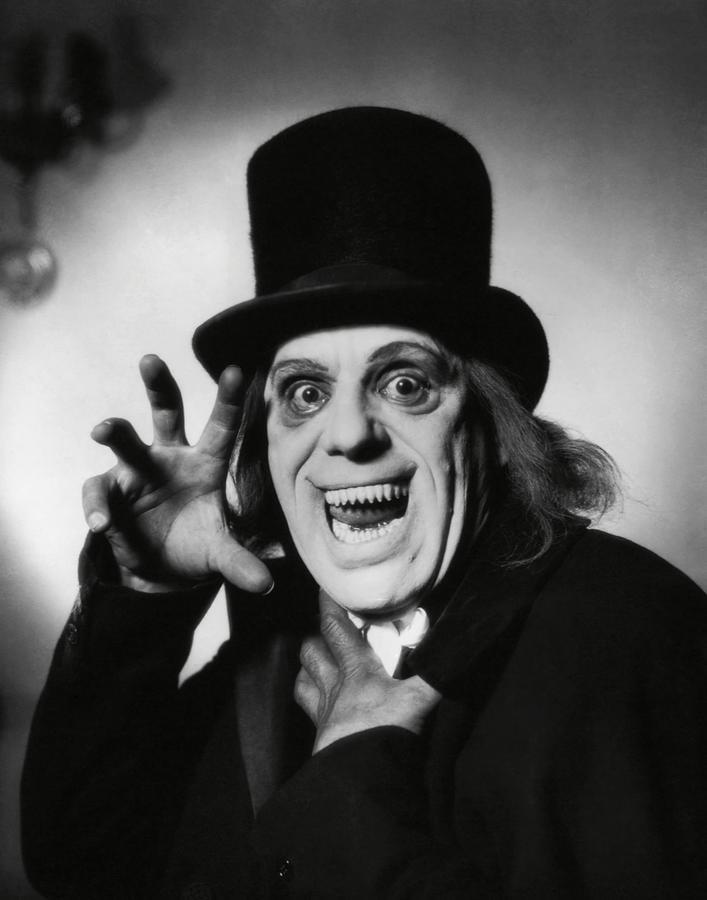
- London After Midnight (1927), starring Lon Chaney, is the most famous lost horror film in history. Its last known print was destroyed in the 1965 MGM vault fire.
- Nitrate film stock is highly flammable and directly caused major studio vault fires at Fox in 1937 and MGM in 1965.
- Not every lost film disappeared by accident. Many silent-era horror pictures were discarded on purpose because studios saw no future value in them.
- Losing a film isn't only a silent-era problem. The unreleased 1999 Texas Chainsaw spinoff All American Massacre shows the same thing can still happen today.
What Does It Mean for a Horror Movie to Be "Lost"?
A lost film is a movie for which no known copy exists anywhere, in any format, in any archive or private collection. That's a different, more permanent problem than a movie that's obscure, out of print, or just missing from streaming. A lost horror movie isn't sitting in a vault somewhere waiting for a distribution deal. As far as anyone can tell, every print, negative, and reel has been destroyed or has degraded past the point of recovery.
Lost vs. Rare vs. Hard to Find
The terms get used loosely, so it helps to separate them. A rare horror movie might exist as a single surviving print in a private collector's hands. A hard-to-find horror movie might be missing from every streaming service and out of print on physical media, even though thousands of legal copies were sold decades ago. Neither of those is the same as lost. That distinction matters to HorroRated's hidden gems collection, which is full of movies that are genuinely difficult to track down but absolutely still exist. Lost horror films are a separate, sadder category entirely.
Why So Many Horror Films Disappeared
Nitrate Fires and Vault Disasters
Before the 1950s, most film stock was made from cellulose nitrate, which is chemically close to gun cotton. It burns fast, it's nearly impossible to extinguish once it catches, and it decomposes into a sticky, unstable mess over time even when it's never near a flame. Two fires did more damage to American film history than anything else: the 1937 Fox vault fire in New Jersey, and the 1965 MGM vault fire, which destroyed the surviving print of London After Midnight along with hundreds of other titles.
Studios That Simply Didn't Care
Fire wasn't even the main cause. The Library of Congress puts the number of lost American silent films at around 75 percent, and the Film Foundation has put the figure for pre-1929 films as high as 90 percent. Most of that wasn't destroyed by accident. Studios saw silent films as disposable once sound pictures took over, and negatives were junked outright to free up vault space or recycled for the silver content in the film stock itself. A horror picture from 1921 wasn't treated as art at the time. It was inventory, and inventory gets cleared.
Horror Films That Are Completely Lost
These four films are gone in the strictest sense of the word. No prints, no negatives, nothing beyond stills, posters, and paperwork.
London After Midnight (1927)
Tod Browning directed it, Lon Chaney played dual roles, and it was one of the ten highest-grossing films of 1927. The plot follows a Scotland Yard inspector investigating a death at an abandoned mansion that two vampirish tenants have just moved into. It's the film that made Chaney's Man in the Beaver Hat makeup iconic, and it's the reason most horror fans learn what a lost film even is in the first place. Turner Classic Movies commissioned a 45-minute reconstruction from surviving stills in 2002, but that's a slideshow with narration, not the movie.
A Blind Bargain (1922)
Chaney again, this time as a mad scientist named Dr. Lamb who experiments on a young man in exchange for saving the man's mother. The negative was destroyed in 1931, years before the MGM fire even happened, so any surviving print would have had to survive the 1965 blaze too. Posters and stills exist. The film itself does not.
Dracula's Death (1921)
Before Bela Lugosi ever stepped in front of a camera as Dracula, there was Drakula halala, a Hungarian film about a woman institutionalized after a breakdown who becomes convinced that a fellow patient is Dracula himself. It's the earliest known film to use the Dracula name in its title. A 1924 prose adaptation survives and has since been translated into English, but the film itself never turned up.
The Head of Janus (1920)
F.W. Murnau directed this unauthorized adaptation of The Strange Case of Dr. Jekyll and Mr. Hyde two years before he made Nosferatu, and it's the only film that ever paired Conrad Veidt with Bela Lugosi on screen. Scripts and production notes survive. The picture itself doesn't, which makes it one of the more painful losses on this list given the talent attached.
When Only Pieces Survive
The King Kong That Appeared in Edo (1938)
A Japanese cash-in on the success of 1933's King Kong, made decades before Godzilla existed as a concept. No complete print survives, but stills do, and some historians consider it an early example of the tokusatsu genre that would eventually produce Godzilla itself.
The Cat Creeps (1930)
Universal's first sound picture, and a remake of 1927's The Cat and the Canary. The film itself is gone, but its soundtrack survived, along with about two minutes of footage that turned up decades later inside a 1932 Universal short called Boo!
Modern Horror Isn't Immune
All American Massacre (1999)
Not every lost film is a century old. All American Massacre was meant to be a 25th anniversary tribute to the Texas Chainsaw Massacre franchise timeline, made with the involvement of Tobe Hooper's son and starring Bill Moseley reprising his role as Chop Top. It was finished. It was never released. Nobody involved has ever fully explained why, and the mystery was interesting enough to inspire its own 2022 documentary, made by people trying to track down a copy that, as far as anyone can confirm, still hasn't surfaced.
Why Preservation Isn't a Niche Concern
This is where lost horror movies stop being trivia and start being the entire reason an archive like HorroRated exists. Every entry on this site gets a permanent shelf, context, and a fair verdict, not because the film is popular right now, but because someone decided it was worth remembering. That's a direct response to a century of studios treating horror pictures like disposable inventory. HorroRated's own editorial mission is built around the idea that a film doesn't have to be famous to deserve preservation. It just has to matter to somebody.
What You Can Actually Do to Support Film Preservation
You don't need an archive budget to help. Buying physical media instead of relying entirely on streaming keeps copies of a film in circulation and in private hands, which is exactly the kind of accident that saved fragments of movies like The Cat Creeps. Supporting organizations that fund actual restoration and archival work does more than any single purchase. And spending time in HorroRated's gothic horror archive, or any collection built around older, harder-to-find titles, keeps demand alive for exactly the kind of movies most likely to disappear next.
Where to Start If You Want to Explore What Wasn't Lost
Plenty of horror history came frighteningly close to disappearing and didn't. Nosferatu's own brush with total destruction is the best-known example: a German court ordered every print burned after Prana Film lost a copyright suit brought by Bram Stoker's widow, and the film survived only because a handful of prints had already left the country.
The Wicker Man's own lost-negative saga is nearly as strange, with the original longer cut reportedly discarded during a studio move and pieced back together decades later from a workprint found in a film vault. Neither film is lost today, but both easily could have been. Browse HorroRated's full movie archive or the cult classics collection to see how many of horror's most influential titles survived by pure luck.
Frequently Asked Questions About Lost Horror Movies
What is the most famous lost horror movie?
London After Midnight (1927), directed by Tod Browning and starring Lon Chaney, is widely considered the most famous lost horror film. The last known print was destroyed in the 1965 MGM vault fire, and no copy has surfaced since.
Why are so many old horror movies lost?
Most were lost to a combination of flammable nitrate film stock, studio vault fires, and studios that saw little future value in silent-era pictures. Many negatives were simply discarded once sound film took over the industry.
Can a lost horror movie ever be found?
Occasionally, yes. Partial footage, stills, or soundtracks sometimes turn up decades later, as happened with The Cat Creeps. A fully lost film resurfacing intact is rare, but it isn't impossible.
What percentage of old horror films are lost?
Film historians estimate that 75 to 90 percent of movies made before 1929 no longer exist, based on figures from the Library of Congress and the Film Foundation. Horror films from that era were affected at roughly the same rate as the rest of the industry.
Is the Masters of Horror episode "Cigarette Burns" based on a real lost film?
No, the film inside "Cigarette Burns" is fictional. But its premise, a horror movie so notorious it was suppressed and nearly destroyed, is directly inspired by the real history of lost and forbidden films covered in this article.