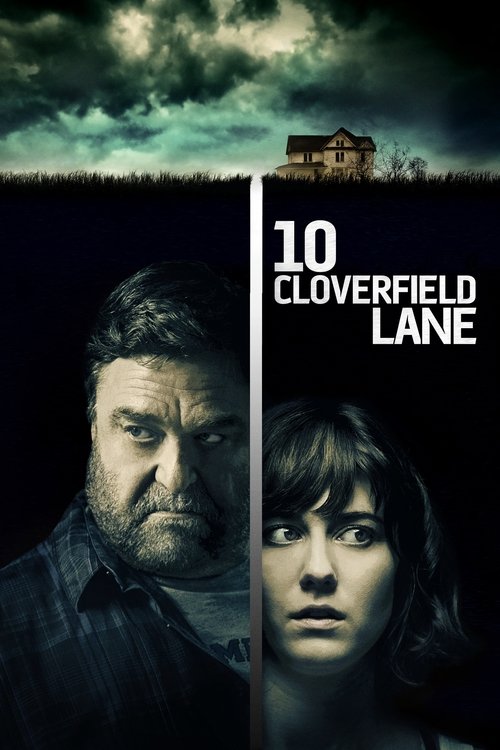
10 Cloverfield Lane
2016 · MovieMichelle wakes up in Howard's underground bunker after a car accident and is told something catastrophic has happened outside that makes returning impossible.
Reality is unreliable. Memory is worse. Curated psychological horror lives in that gap, films built on paranoia, fractured perception, and dread that has no clean source. No monster required. The mind does enough damage on its own.
Michelle wakes up in Howard's underground bunker after a car accident and is told something catastrophic has happened outside that makes returning impossible.
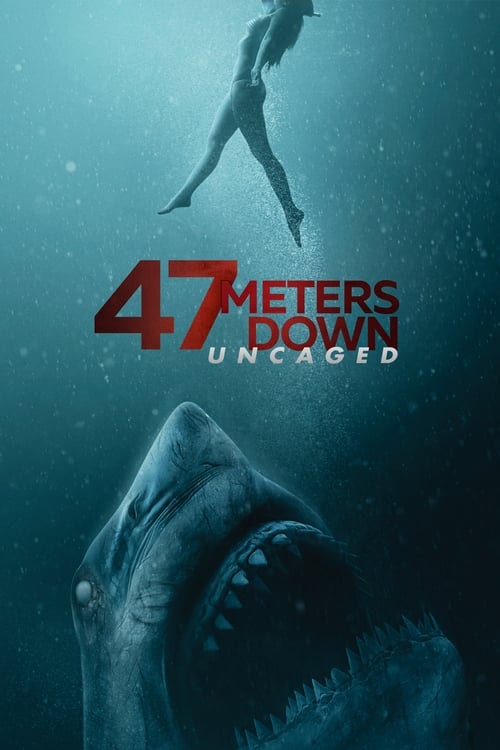
A group of girls follows a friend into an underwater cave network in the Bahamas and encounters creatures that have been living in the tunnels.
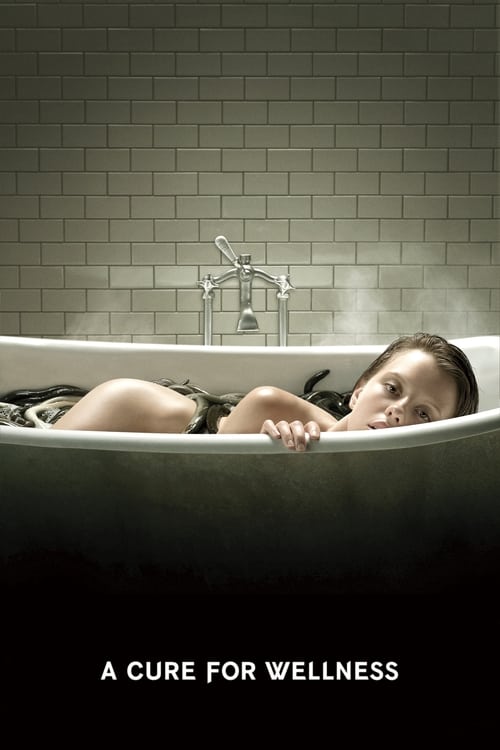
Lockhart arrives at a Swiss Alpine wellness clinic to retrieve an executive and ends up treated as a patient while the facility's history and methods reveal themselves.
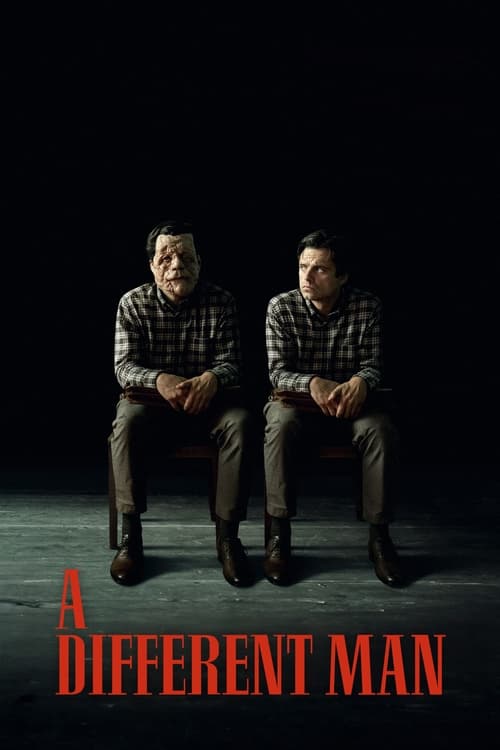
Edward finally gets the face he always wanted after a radical procedure erases his facial disfigurement. Then a man with his old condition shows up and effortlessly becomes everything Edward hoped his new face would make him.

Teenagers on Elm Street are sharing nightmares about a burned man with knives for fingers. When the deaths start, one of them has to stay awake long enough to figure out how to stop him.
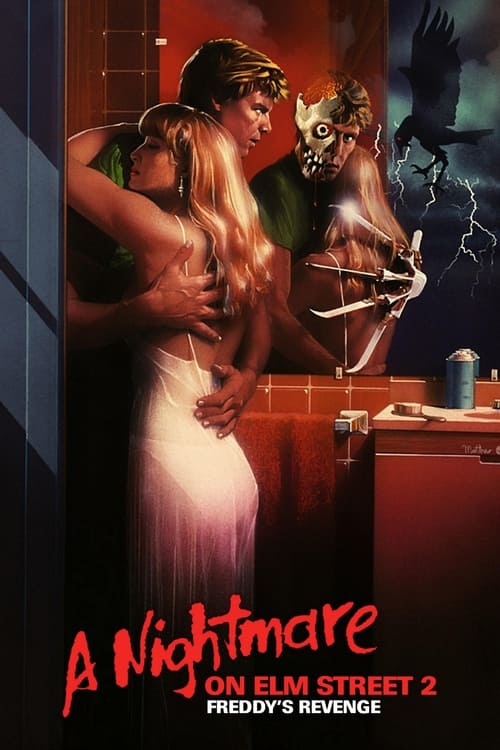
Jesse Walsh moves into Nancy Thompson's old house five years after the original nightmare ended. Freddy Krueger wants inside him, not just inside his dreams.
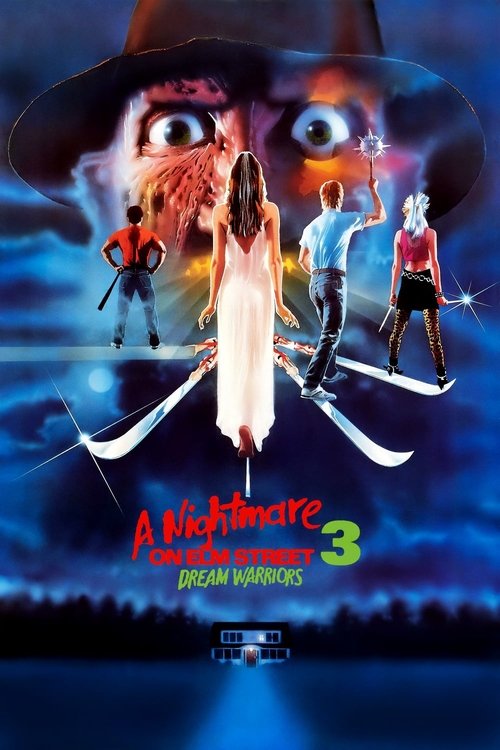
The last surviving kids of Elm Street are locked in a psychiatric hospital, dismissed as troubled teenagers. Nancy Thompson knows better, and she's come back to teach them how to fight Freddy in the only place he can actually be beaten.
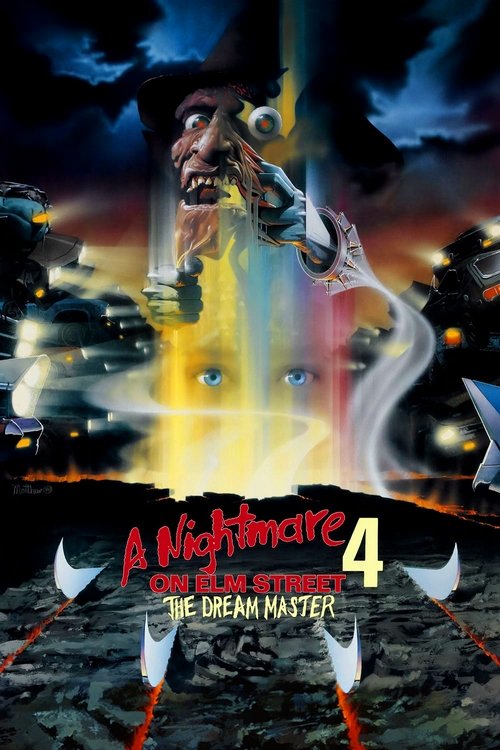
Freddy has been pulled back through a new group of teenagers. One of them figures out she can take something from him when she returns from the dream.
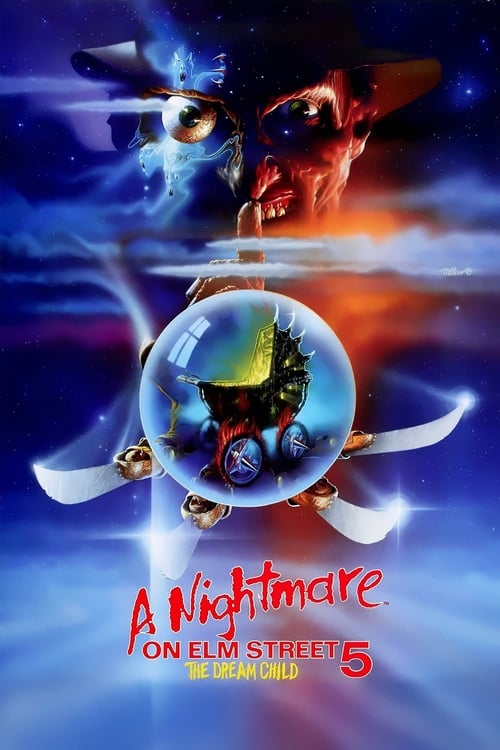
Alice is pregnant and Freddy has found a route into the waking world through her unborn child. Another group of her friends begins dying.
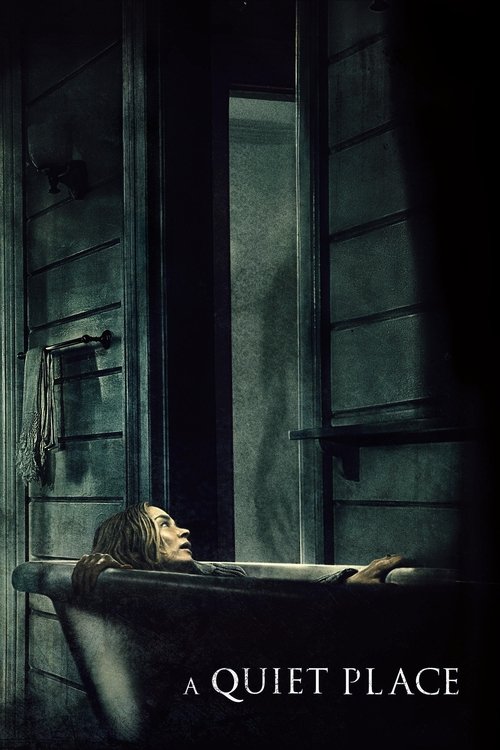
The Abbott family survives in a world where making any sound will get you killed. The film follows a crucial period in that survival.
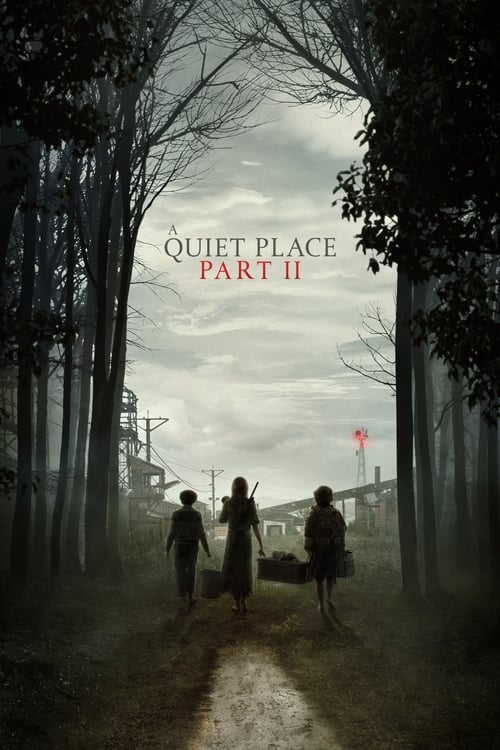
Evelyn Abbott and her children emerge from their fortified property and encounter Emmett and other survivors navigating the same sound restrictions.
Hitchcock hosts a weekly anthology of moral tales where respectable people make terrible choices and the endings rarely spare them.
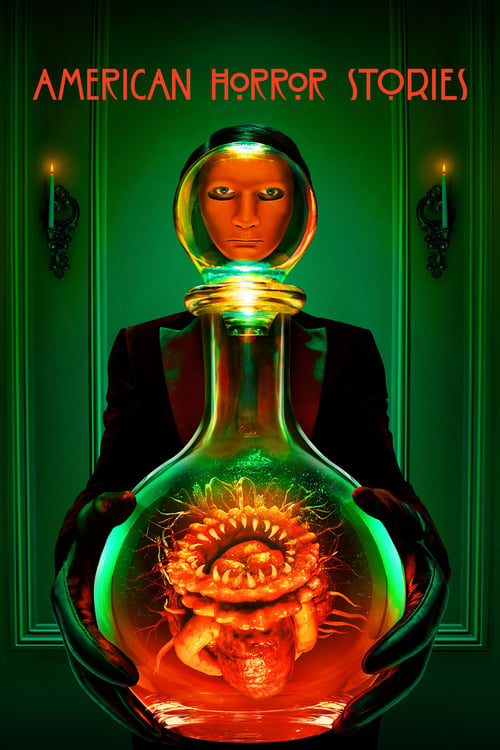
Standalone episodes exploring horror myths, legends, and urban folklore set within or adjacent to the American Horror Story universe.
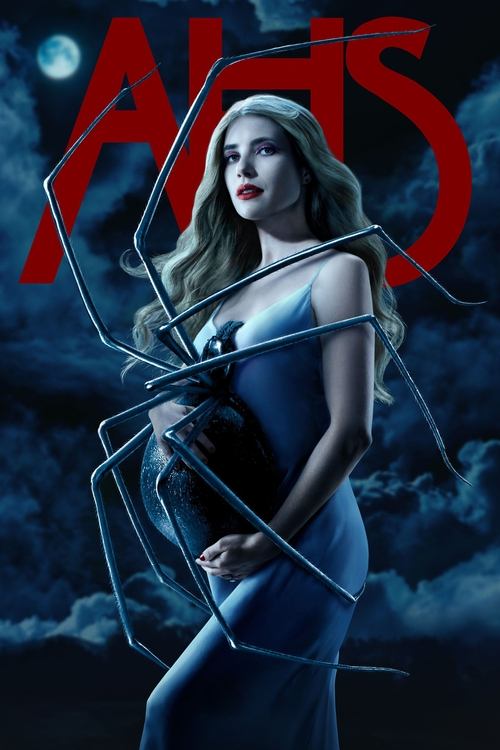
Every season brings a new cast, a new horror setting, and a completely different story. Murder House, Asylum, Coven. No two seasons share anything but the ambition.
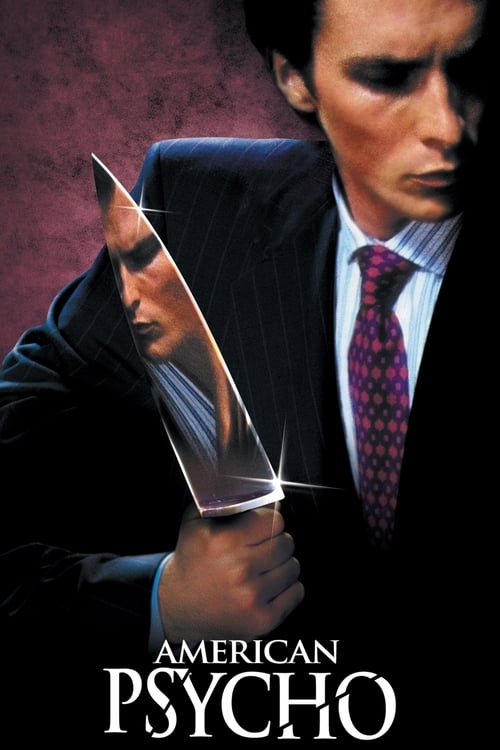
Patrick Bateman is a wealthy Manhattan investment banker in 1987 with a very precise skincare routine, an obsession with business cards, and a body count he may or may not be imagining.
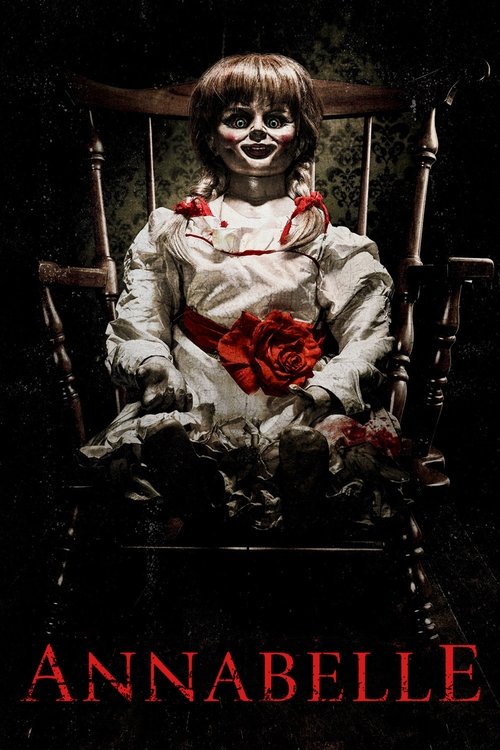
John and Mia Form bring the Annabelle doll home after a Warren investigation and the entity attached to it pursues what it originally came for.
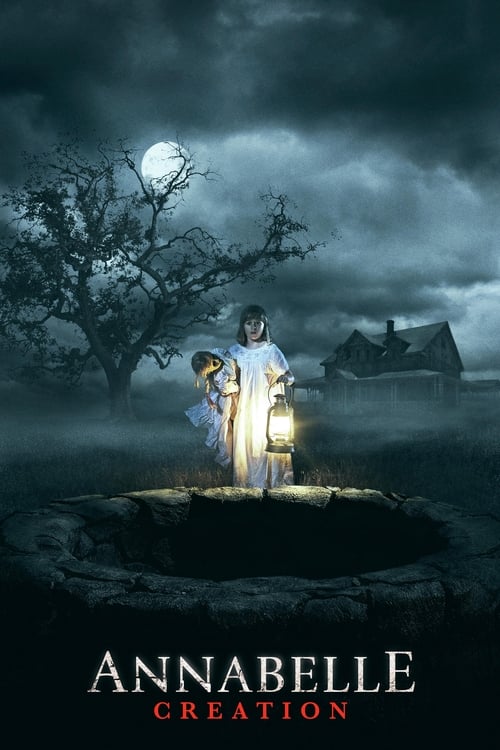
A group of orphaned girls is placed in the Mullins household in the 1950s, where the parents have been living with a tragedy and something attached to a doll.
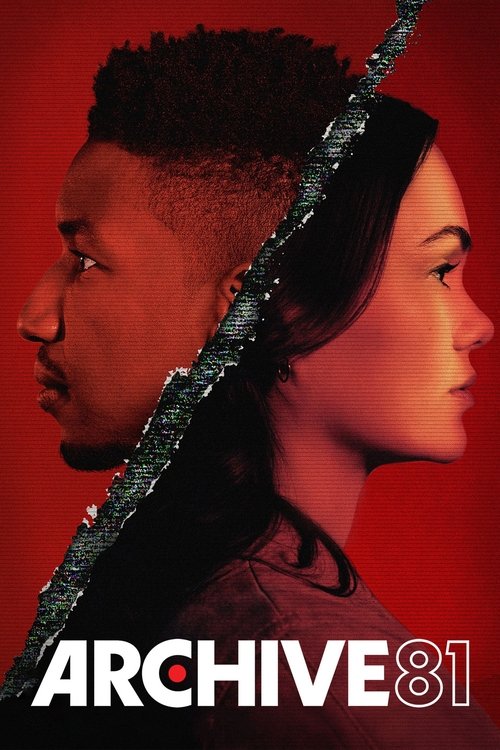
An archivist restoring damaged 1990s videotapes is pulled into the story of the filmmaker who shot them and the demonic cult she was investigating.
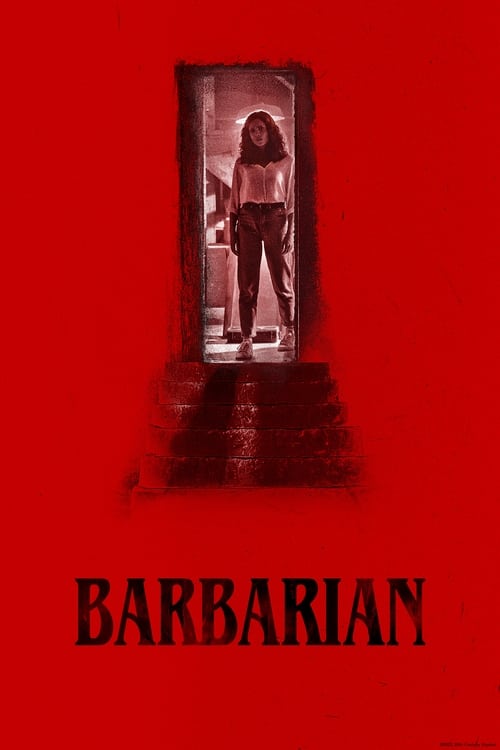
Tess and Keith arrive at a Detroit rental for a business trip and find an unexpected passageway in the basement.
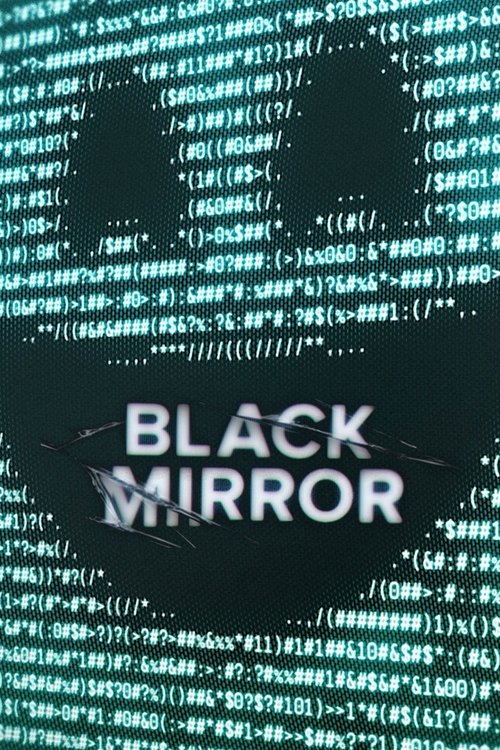
Every episode is a self-contained story about what technology does to people when taken to its logical and usually devastating conclusion.
Searching the complete Curated Psychological Horror archive…
No matches found in the Curated Psychological Horror collection. Try a broader title or keyword.
Psychological horror is a subgenre that builds fear through mental and emotional states rather than monsters, gore, or jump scares. The dread comes from paranoia, identity collapse, unreliable perception, and the slow suspicion that something is deeply wrong. Films like Repulsion, The Shining, and Hereditary are built on this: the scariest thing onscreen is always the character's deteriorating grip on reality. The genre overlaps with psychological thriller, but horror leans harder into dread and discomfort rather than plot tension.
Both use mental instability, paranoia, and unreliable narrators, but the intent differs. Psychological thrillers are built around suspense and plot logic, usually resolving with some kind of explainable outcome. Psychological horror is less interested in resolution and more interested in making you feel genuinely unsettled, sometimes leaving ambiguity intact on purpose. If a film leaves you disturbed rather than just curious about how it ends, it's probably horror.
Most horror subgenres give you something external to fear: a killer, a creature, a haunting. Psychological horror turns that inward. The threat is paranoia, grief, guilt, or the possibility that the protagonist's perception of reality is broken. It tends to rely on slow pacing, sound design, and atmosphere over violence, which means the scares linger longer because they map onto real human anxieties. Common themes include gaslighting, dissociation, trauma, and the fear of losing control of your own mind.
HorroRated selects psychological horror based on genuine craft: does the film use its premise to build real dread, or is it just slow pacing dressed up as depth? Every entry in the Psychological collection is reviewed and scored by the HorroRated team using a 0-to-5 verdict scale, from Skip It to Legendary. The focus is on films that use unreliable narration, atmosphere, and psychological tension in a way that holds up, including overlooked titles that deserve more attention alongside the well-known ones.
Psychological horror is often a good entry point for viewers who find gore or jump scares off-putting, because the fear operates differently. Films like The Others, Get Out, and A Tale of Two Sisters build tension through atmosphere and character rather than violence. The discomfort is cerebral rather than visceral, which some viewers find easier to sit with. HorroRated's Psychological collection includes verdicts and context for each title, so you can gauge what you're in for before committing.
Algorithmic lists surface whatever performs well with the broadest audience at a given moment: usually the same 10 to 15 titles repeated across every platform. A curated list is filtered through a specific editorial lens, which means it can include films that underperformed commercially, came from outside the mainstream, or take longer to find their audience. HorroRated's approach is hand-selected and scored rather than popularity-ranked, so the Psychological collection is built around craft and staying power, not streaming metrics.