
28 Weeks Later
2007 · MovieThe rage virus has spread to continental Europe twenty-eight weeks after Britain was declared safe enough to repopulate.
Ghosts, curses, forces that operate outside the rules of the physical world. Curated supernatural horror is the broadest tent in the genre and also the oldest. These films work because they tap into something pre-rational, the part of the brain that still isn't sure what's in the dark.
The rage virus has spread to continental Europe twenty-eight weeks after Britain was declared safe enough to repopulate.

Spike wakes up twenty-eight years after the original outbreak to find a Britain that has partially adapted to the rage virus in ways neither previous film anticipated.
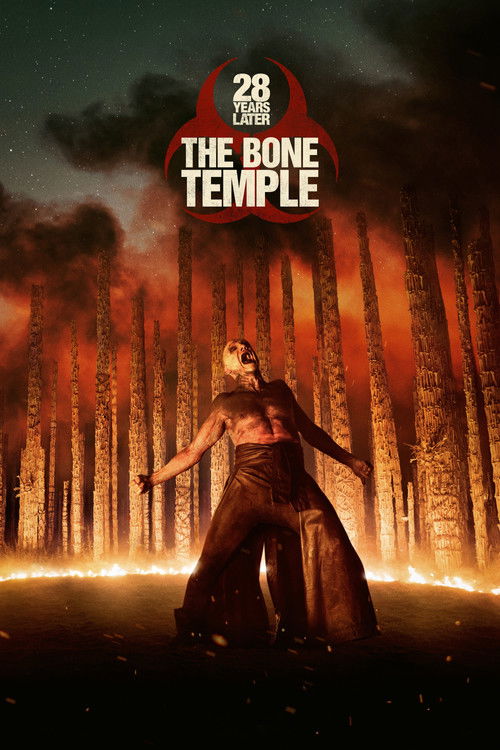
28 Years Later: The Bone Temple is the second film in the trilogy, continuing the story of Britain's long adaptation to the rage virus.

Teenagers on Elm Street are sharing nightmares about a burned man with knives for fingers. When the deaths start, one of them has to stay awake long enough to figure out how to stop him.
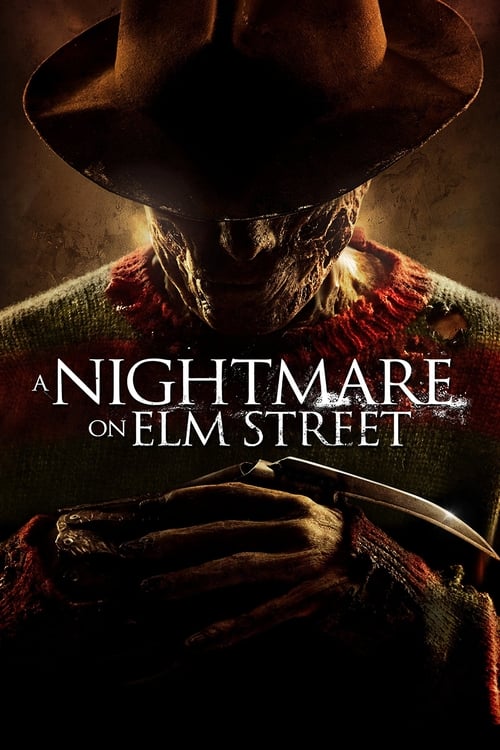
Freddy Krueger stalks a new group of Elm Street teenagers in a remake that revisits the original's premise without its invention.
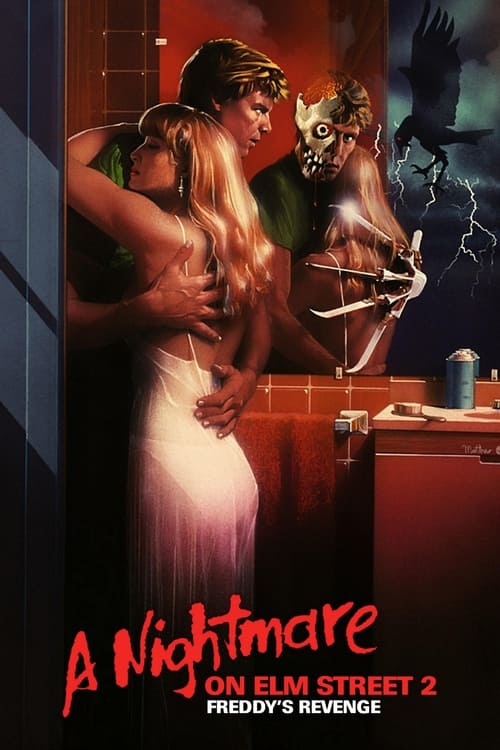
Jesse Walsh moves into Nancy Thompson's old house five years after the original nightmare ended. Freddy Krueger wants inside him, not just inside his dreams.
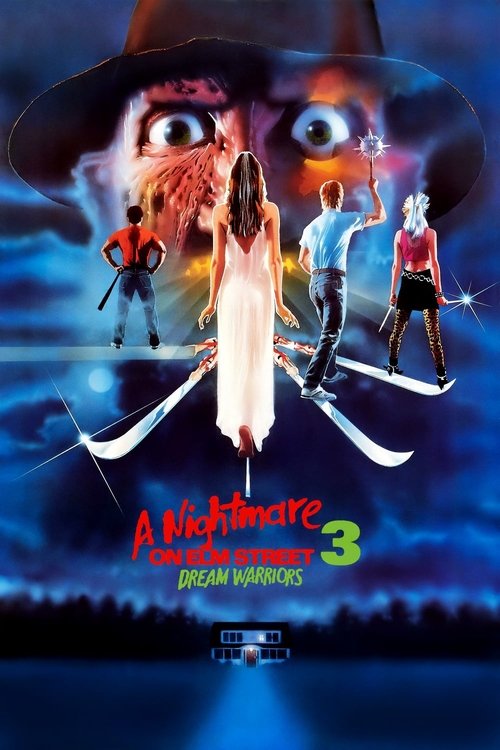
The last surviving kids of Elm Street are locked in a psychiatric hospital, dismissed as troubled teenagers. Nancy Thompson knows better, and she's come back to teach them how to fight Freddy in the only place he can actually be beaten.
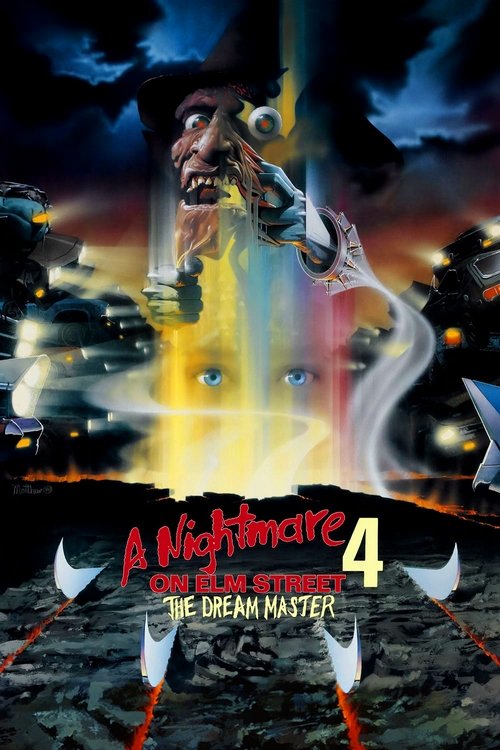
Freddy has been pulled back through a new group of teenagers. One of them figures out she can take something from him when she returns from the dream.
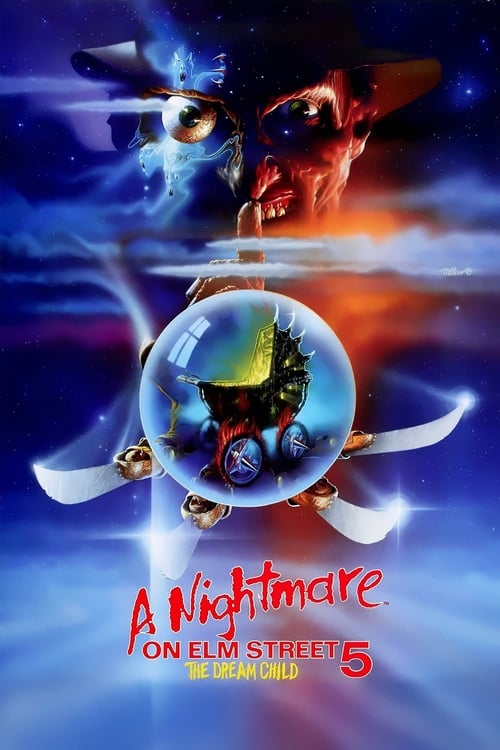
Alice is pregnant and Freddy has found a route into the waking world through her unborn child. Another group of her friends begins dying.
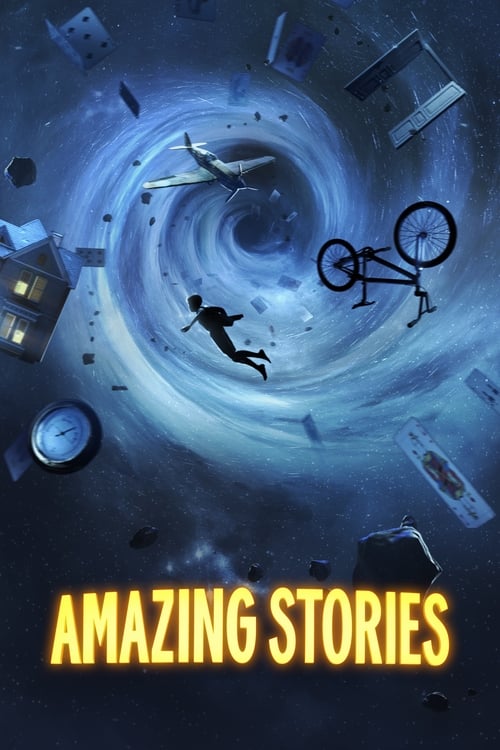
Steven Spielberg's anthology revival transports everyday characters into worlds of wonder, strangeness, and genuine unease.
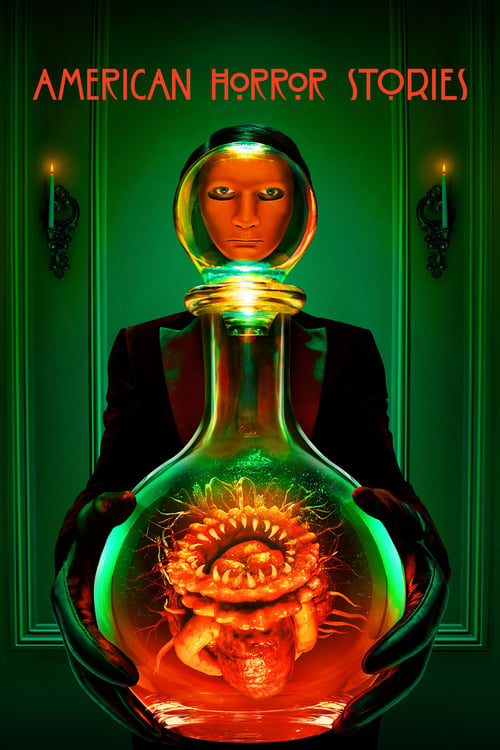
Standalone episodes exploring horror myths, legends, and urban folklore set within or adjacent to the American Horror Story universe.
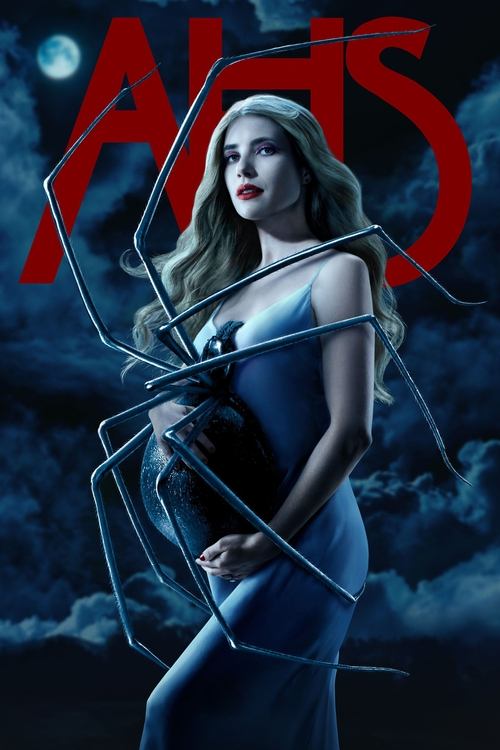
Every season brings a new cast, a new horror setting, and a completely different story. Murder House, Asylum, Coven. No two seasons share anything but the ambition.
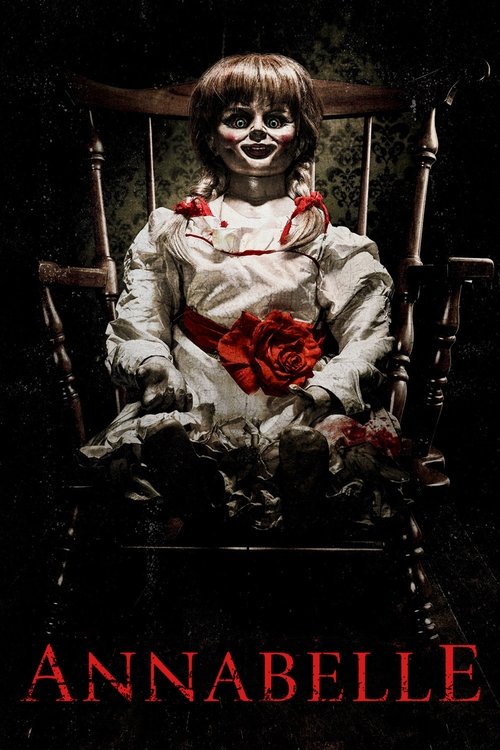
John and Mia Form bring the Annabelle doll home after a Warren investigation and the entity attached to it pursues what it originally came for.
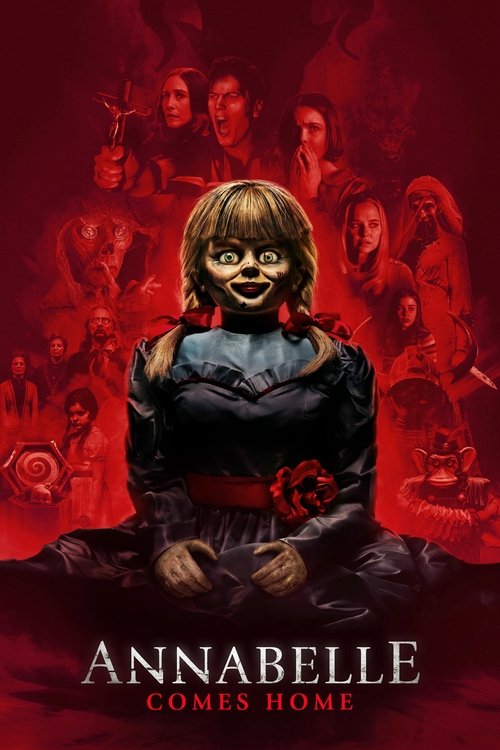
Ed and Lorraine Warren lock the Annabelle doll away in their occult museum. Their daughter's babysitter and a curious friend accidentally set every other cursed object in the room loose in a single night.
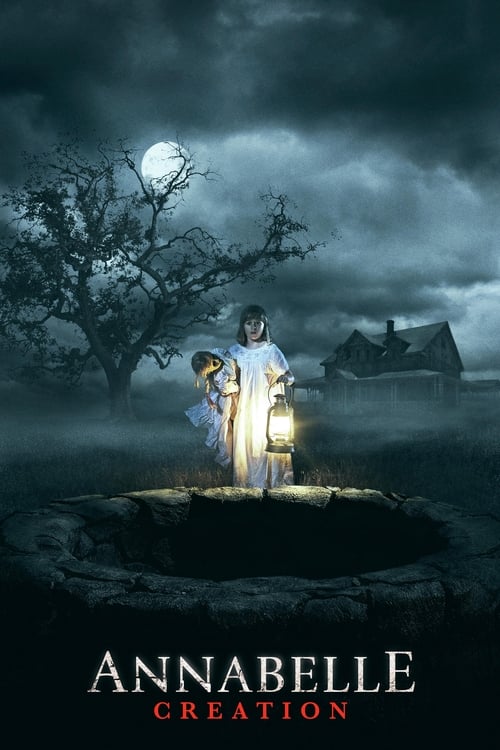
A group of orphaned girls is placed in the Mullins household in the 1950s, where the parents have been living with a tragedy and something attached to a doll.
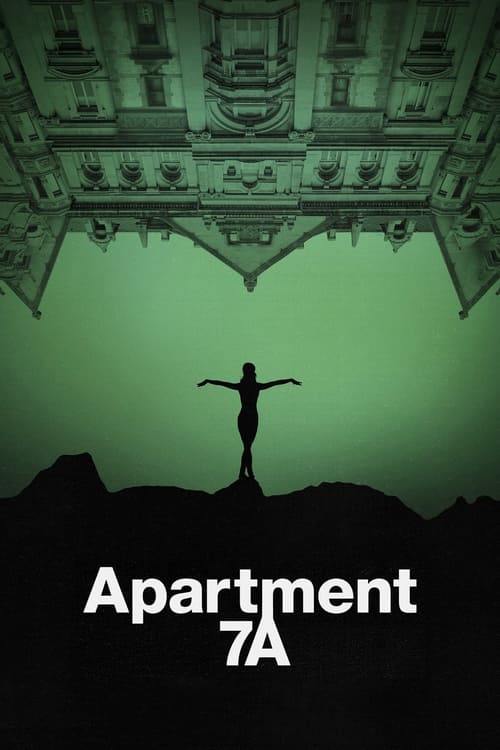
Noa Peretz is hired as a personal assistant to a wealthy older woman in 1979 New York and finds her pregnancy has been arranged as part of a plan connected to events from Rosemary's Baby.
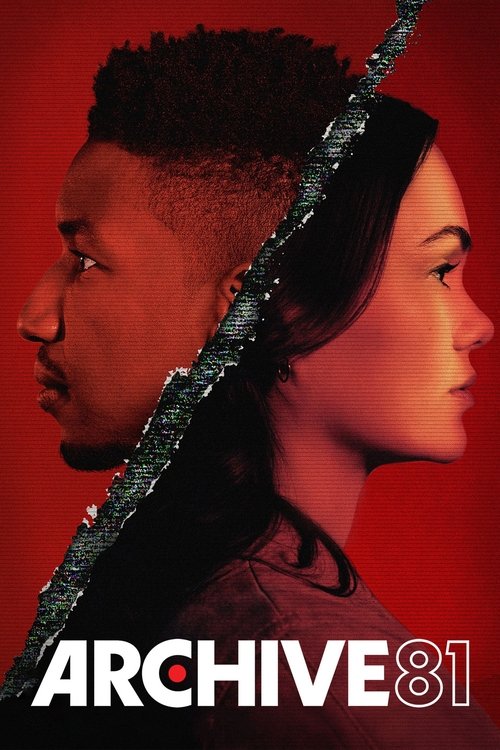
An archivist restoring damaged 1990s videotapes is pulled into the story of the filmmaker who shot them and the demonic cult she was investigating.
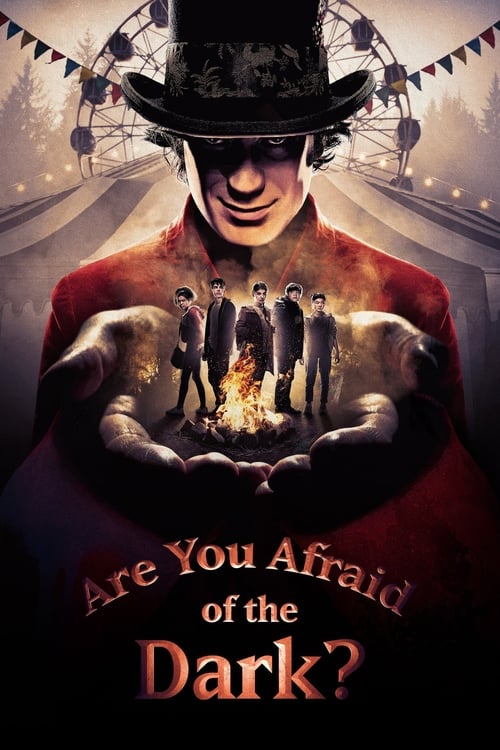
The Midnight Society returns with a new structure: each season tells one sustained horror story across five episodes, and this time the campfire tales are real.
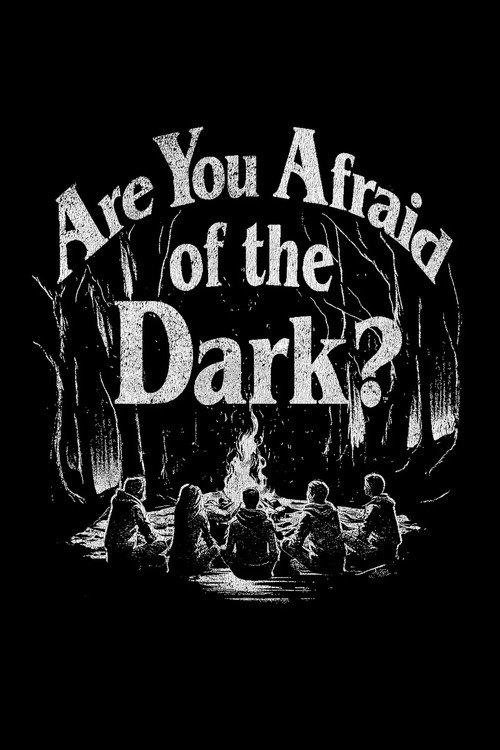
Kids gather around a campfire to tell each other scary stories, and the show dramatizes each tale with enough genuine menace to actually scare its audience.
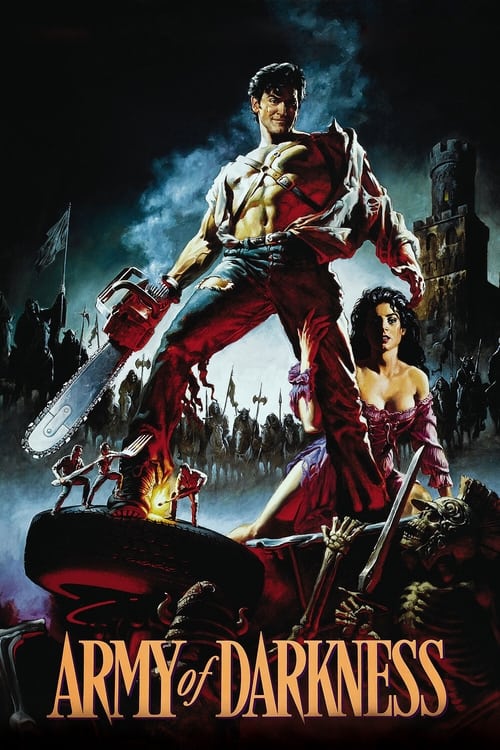
Ash Williams gets pulled through a time portal and ends up in medieval England, where he's expected to fight off an undead army with a chainsaw and a lot of attitude.
Searching the complete Curated Supernatural Horror archive…
No matches found in the Curated Supernatural Horror collection. Try a broader title or keyword.
Curated supernatural horror is a hand-selected collection of films in the supernatural horror subgenre, chosen based on editorial judgment rather than popularity metrics or algorithmic ranking. Supernatural horror covers films where the source of fear comes from forces beyond the natural world, including ghosts, demons, possession, curses, and haunted locations. A curated approach filters that wide subgenre down to titles worth your time, with context for why each one earns its place. At HorroRated, every supernatural horror entry carries a scored verdict and a reason it was included, not just a description of what it is.
Supernatural horror relies on threats that operate outside the laws of nature, which is what separates it from psychological horror (naturalistic menace) or slasher films (physical, human threat). The fear in supernatural horror often comes from things that can't be reasoned with, outrun, or explained, including malevolent spirits, demonic forces, ancient curses, and entities that exist beyond human understanding. That power imbalance is central to the subgenre's appeal. Films like The Exorcist, Hereditary, and The Witch use supernatural elements not just for scares, but to confront deeper fears about loss of control, faith, and the fragility of reality.
Algorithms surface what's popular or trending, which in supernatural horror means the same 10-15 titles keep showing up. Human curation can reach into overlooked decades, international cinema, and smaller releases that never had a marketing budget but hold up as genuinely effective horror. A curated list for supernatural horror reflects actual editorial judgment, like which haunted house film builds dread the most effectively, or which possession film relies on atmosphere over shock, rather than which title got the most clicks this month.
Once you've worked through the major releases like The Conjuring, Insidious, and Hereditary, the subgenre opens up considerably. Japanese and Korean supernatural horror (Ringu, A Tale of Two Sisters, Ju-on) operate on different rules and different fears than Western entries. Slower, more atmospheric films like The Innocents (1961), Lake Mungo, and Saint Maud are frequently cited as overlooked, and each takes a genuinely distinct approach to the supernatural. A curated archive that includes verdict context makes it easier to find the right next film based on what specifically worked for you in what you've already watched.
A genuine hidden gem in supernatural horror has craft, intent, or a distinctive angle that rewards a close watch, even if the production scale is low or the release was limited. The distinguishing factor is usually atmosphere, restraint, or an original approach to a familiar threat. Films like The Pact, Lake Mungo, and Onibaba are considered underrated because they deliver real unease through specific, deliberate choices, not because they tried to replicate something more famous and came up short. That distinction matters when you're recommending something to a viewer's time, which is why a verdict-driven approach is more useful than a raw ranked list.
Yes. The HorroRated archive includes supernatural horror from outside English-language cinema, including Japanese, Korean, Spanish, and other international entries that have shaped or expanded the subgenre. International supernatural horror often brings different cultural frameworks around death, the afterlife, and malevolent forces, which produces films that feel genuinely different from their Western counterparts. Every entry, regardless of origin, goes through the same review and verdict process.