
A Nightmare on Elm Street (1984)
1984 · MovieTeenagers on Elm Street are sharing nightmares about a burned man with knives for fingers. When the deaths start, one of them has to stay awake long enough to figure out how to stop him.

Every film on this list was underestimated at some point. Curated horror cult classics earned their status outside the mainstream, through midnight screenings, worn-out VHS tapes, and the kind of word-of-mouth that studio marketing can't manufacture. Some took decades to find their audience. Worth the wait.
Teenagers on Elm Street are sharing nightmares about a burned man with knives for fingers. When the deaths start, one of them has to stay awake long enough to figure out how to stop him.
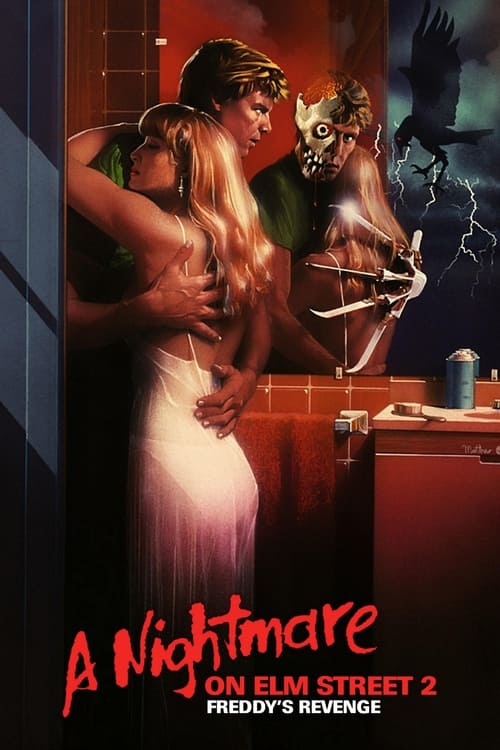
Jesse Walsh moves into Nancy Thompson's old house five years after the original nightmare ended. Freddy Krueger wants inside him, not just inside his dreams.
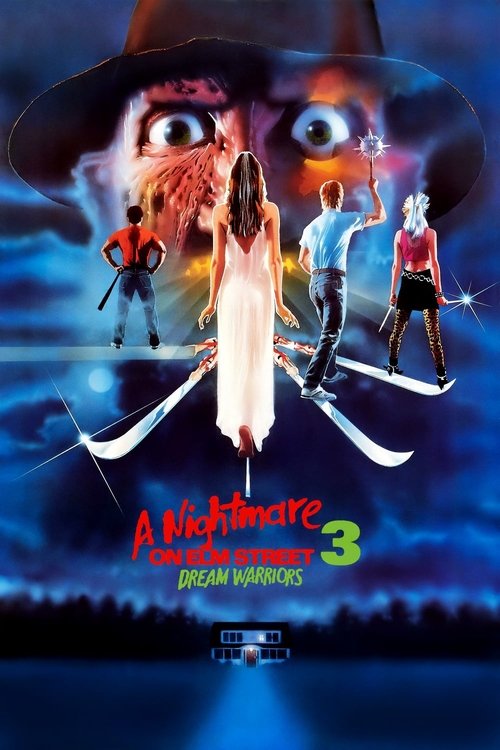
The last surviving kids of Elm Street are locked in a psychiatric hospital, dismissed as troubled teenagers. Nancy Thompson knows better, and she's come back to teach them how to fight Freddy in the only place he can actually be beaten.
Hitchcock hosts a weekly anthology of moral tales where respectable people make terrible choices and the endings rarely spare them.
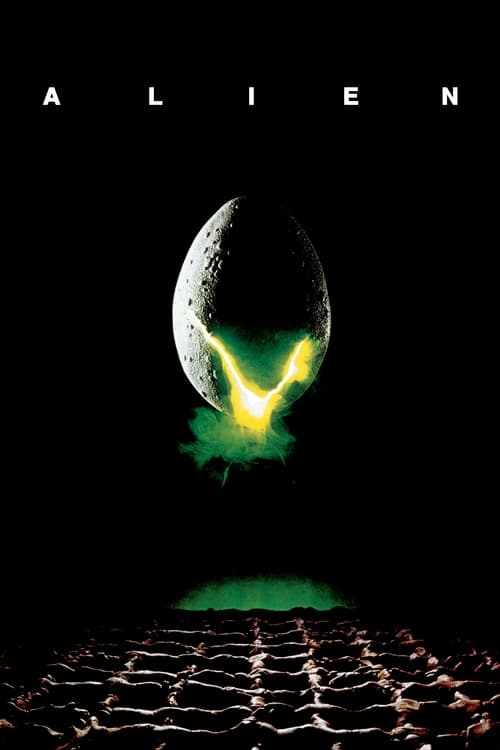
The commercial towing vessel Nostromo answers a distress signal on a distant moon. What the crew brings back aboard doesn't intend to leave.
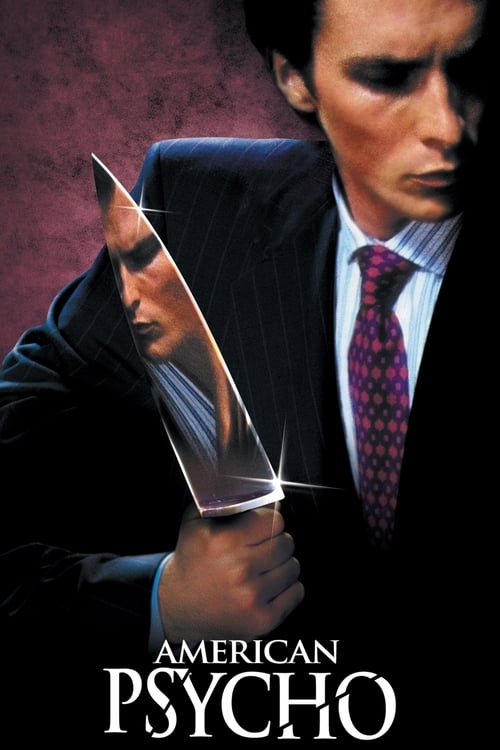
Patrick Bateman is a wealthy Manhattan investment banker in 1987 with a very precise skincare routine, an obsession with business cards, and a body count he may or may not be imagining.
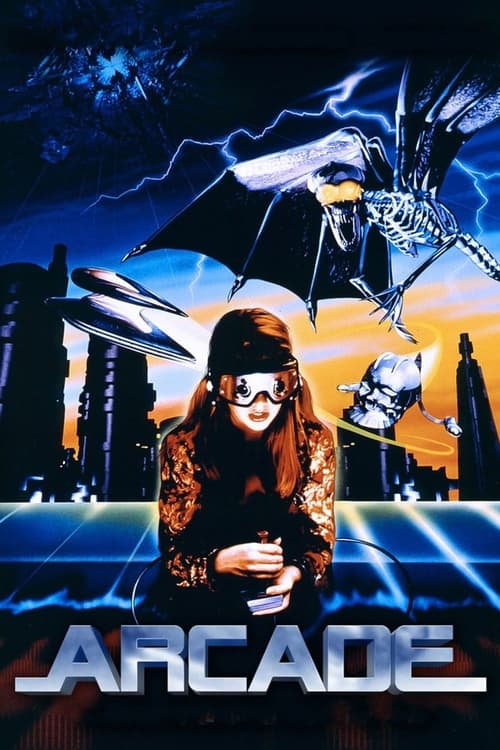
A new virtual reality game called Arcade is being tested at a local arcade called Dante's Inferno. Kids who lose don't just lose — they disappear inside it.
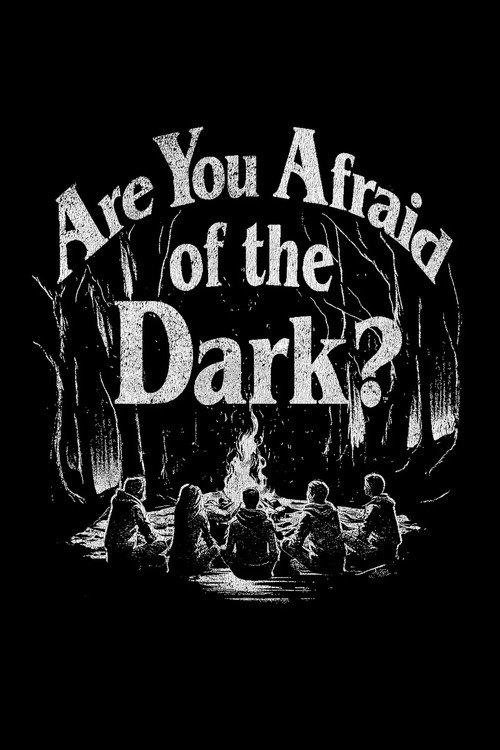
Kids gather around a campfire to tell each other scary stories, and the show dramatizes each tale with enough genuine menace to actually scare its audience.
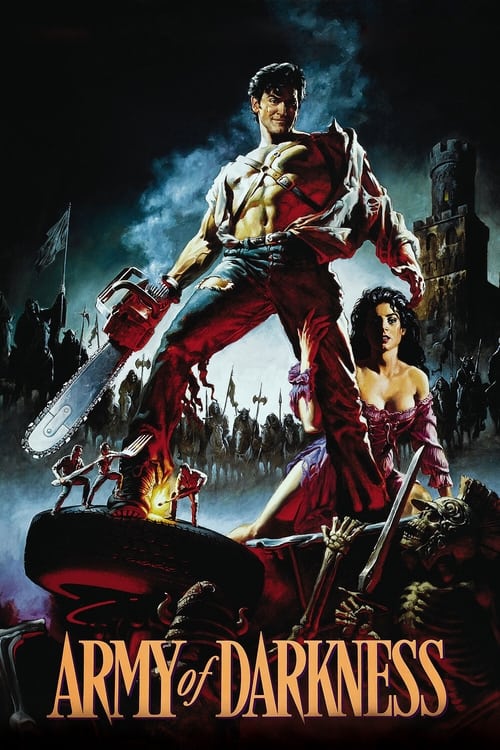
Ash Williams gets pulled through a time portal and ends up in medieval England, where he's expected to fight off an undead army with a chainsaw and a lot of attitude.
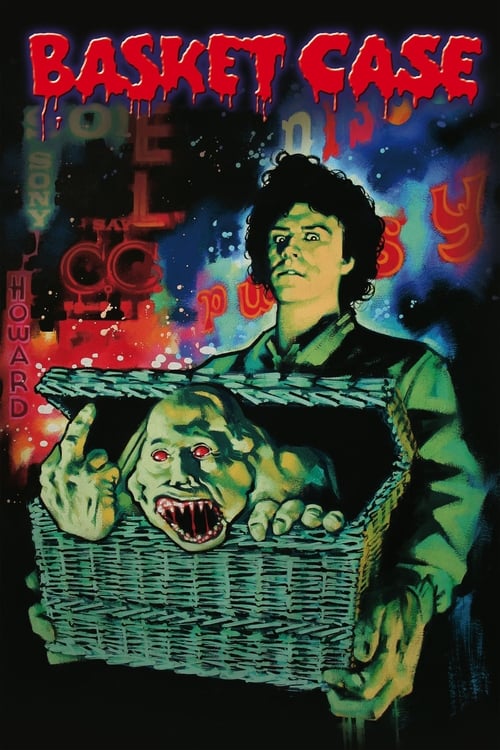
Duane Bradley checks into a Times Square hotel with a locked wicker basket containing his brother Belial, and together they have a list of people to visit. What's inside the basket is the plan.

Nina Sayers is cast as the Swan Queen and finds that the dual role demands more of her than technique alone can provide.
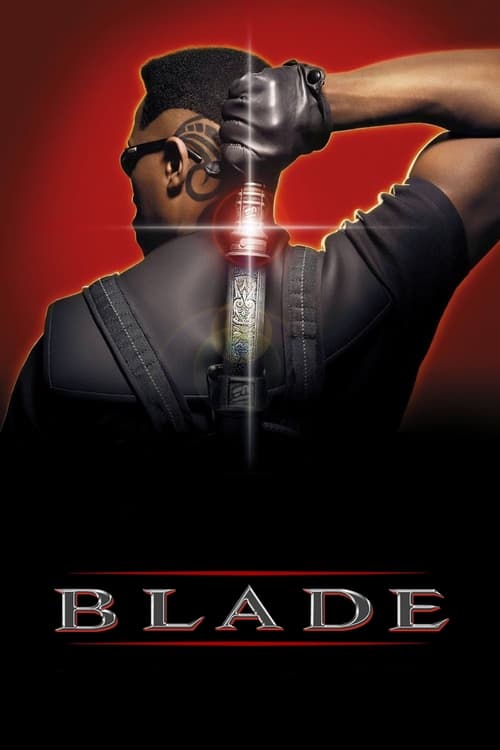
Blade is half-vampire and has spent his whole life using that against the species. The vampire underworld he moves through doesn't know what to do with him.

Two brothers run a health food diner, take instructions from their uncle's preserved brain in a jar, and kill people for their cooking. It's exactly as unhinged as it sounds.

Three short horror stories hosted by a wisecracking coroner: a gas station night shift, a desperate hair transplant, and a transplanted eye with a troubling past.
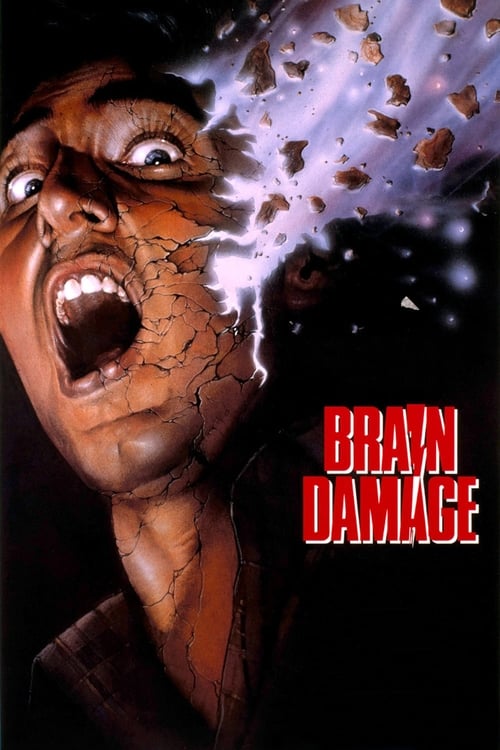
Aylmer, a creature that has attached itself to a young man in his apartment building, injects an addictive fluid into his brain. The arrangement has costs.
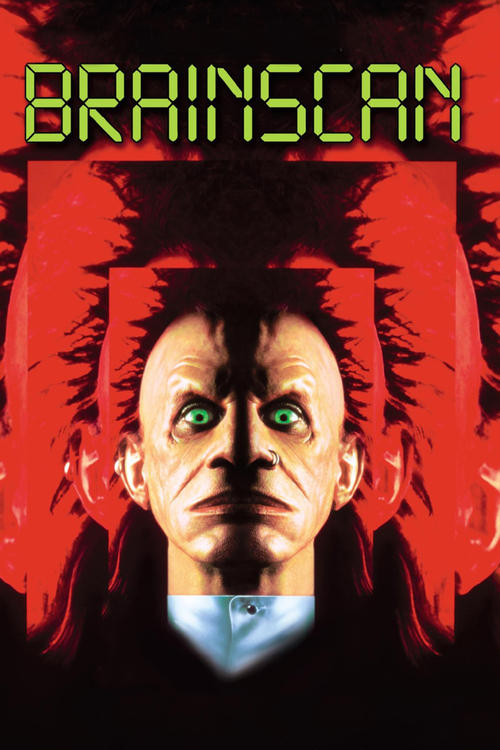
A lonely teenager receives a disc for an immersive game called Brainscan and wakes up the next morning to evidence that the game's violence may have been real.
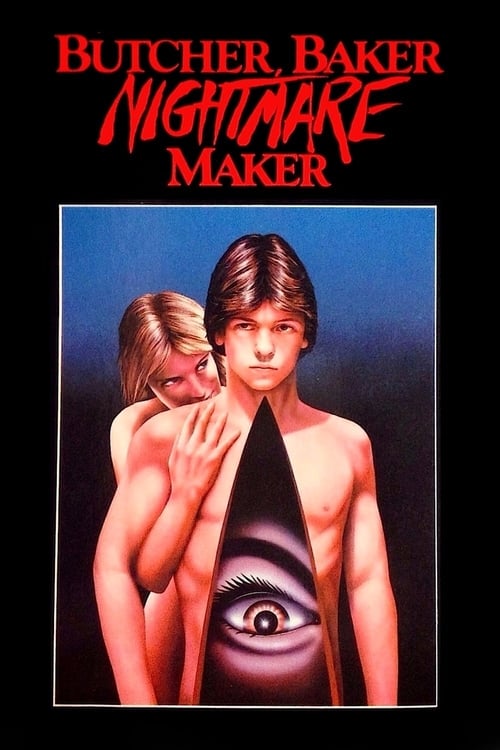
Billy Lynch has grown up under the total control of the aunt who raised him and she has no intention of letting him leave. When she kills a man in their kitchen, the investigation that follows exposes something much darker than anyone expected.
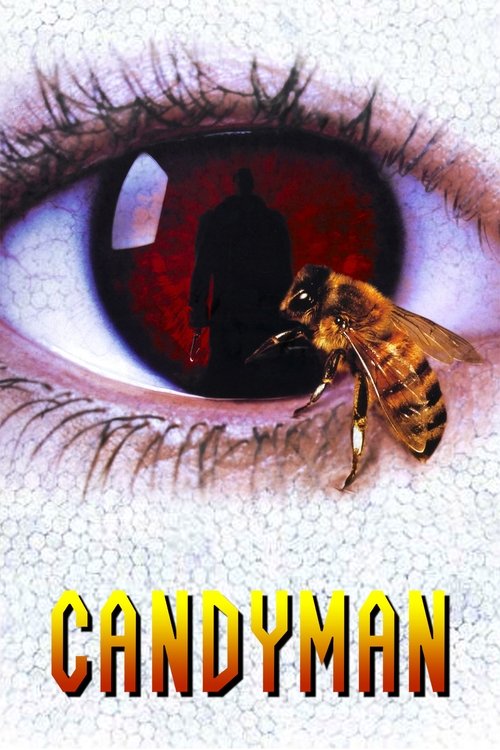
Helen Lyle is researching urban legends and decides to test one by saying a name into a mirror five times. The legend shows up.
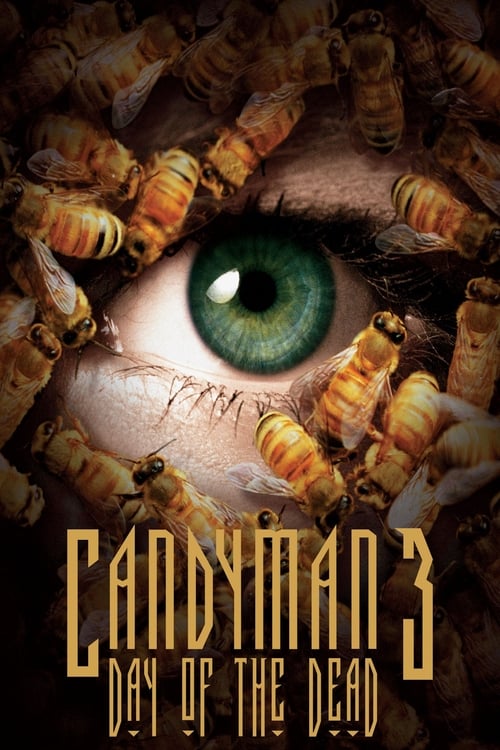
Caroline McKeever unknowingly says the name five times at her own gallery opening. The Candyman answers, and this time he wants her soul more than her blood
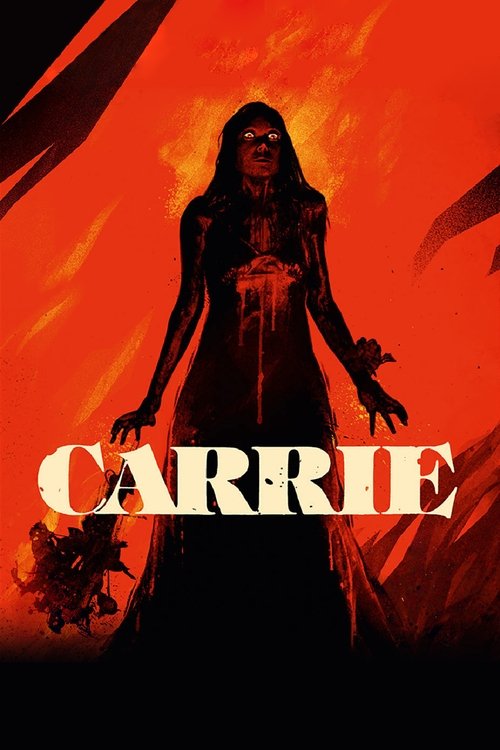
Carrie White has spent her whole life absorbing cruelty from her mother and her classmates. Prom night is when the account comes due.
Searching the complete Curated Horror Cult Classics archive…
No matches found in the Curated Horror Cult Classics collection. Try a broader title or keyword.
A horror cult classic is a film that built a devoted following outside the mainstream, often after a weak box office run or critical dismissal. These movies tend to be too strange, too specific, or too ahead of their time for mass audiences but find their people eventually. What separates a cult classic from just a bad movie is that its fans defend it on specific terms: the atmosphere, the craft, the weirdness, the vision. The label is earned by audience behavior over time, not critical consensus.
A few things tend to show up together: an unconventional premise that didn't fit neatly into mainstream horror at the time, a devoted fanbase that found it later (often through VHS, midnight screenings, or word of mouth), and something genuinely distinctive that keeps it rewatchable. That could be the practical effects, the performances, a standout director with an unusual aesthetic, or a premise so strange it refuses to leave your head. Not every overlooked film qualifies. Cult status requires an audience that keeps coming back.
The most reliable approach is to follow editors and archivists with a real track record, not algorithms. Look for sites and sources that explain why a film matters, not just that it does. HorroRated curates a hand-picked collection of horror cult classics organized by subgenre, era, and themes like practical FX, folk horror, and body horror. Each entry includes a full verdict, context, and tags so you can find something specific rather than scroll through a ranked list of the same 20 films.
They overlap but aren't the same thing. A hidden gem is primarily about obscurity: it's a good film most people haven't seen. A cult classic is more about reception: it may be well-known within horror circles but carries a devoted, specific following built on something unconventional about the film itself. Some films are both. Others are cult classics that horror fans already know inside out but that never crossed into mainstream recognition. The distinction matters when you're searching for something to watch versus something to understand better.
No. The term gets applied most often to films from the 1960s through the 1990s because that's where the VHS era and midnight movie culture created the conditions for cult followings to form slowly. But newer films develop cult status too, sometimes faster now because of streaming and online communities. What matters is the relationship between the film and its audience, not the release decade.
Studio films get wide distribution and marketing, which means mainstream audiences judge them immediately and move on. Independent productions, especially low-budget ones with unconventional ideas, often skipped wide releases and found their audience gradually through rental stores, film festivals, and fan communities. That slow burn discovery process is part of what creates cult attachment. The scarcity, the search, the recommendation from someone who really means it: those things build loyalty in a way that a theatrical release rarely does.