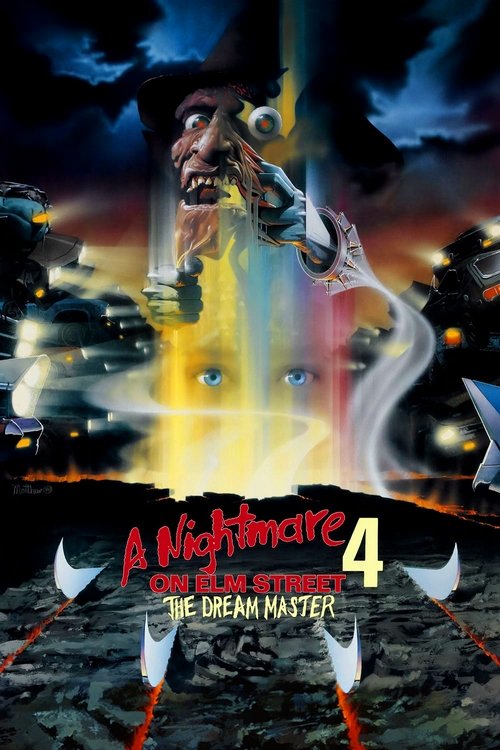
A Nightmare on Elm Street 4: The Dream Master
1988 · MovieFreddy has been pulled back through a new group of teenagers. One of them figures out she can take something from him when she returns from the dream.
Cronenberg called it "the new flesh." That phrase still holds. Curated body horror covers transformation, mutation, and the deeply unsettling idea that the body you're living in isn't entirely yours. These films get under the skin, sometimes literally.

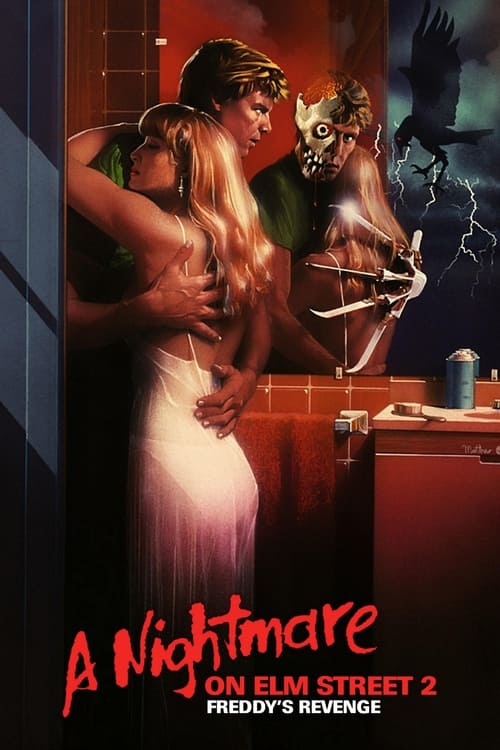
Freddy has been pulled back through a new group of teenagers. One of them figures out she can take something from him when she returns from the dream.

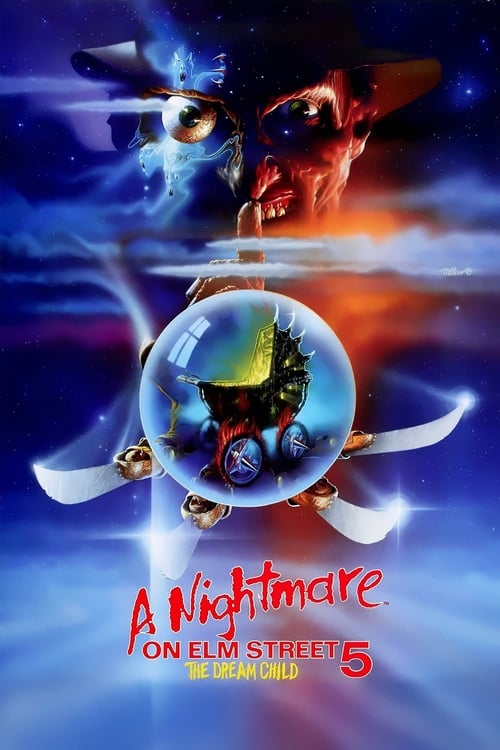
Alice is pregnant and Freddy has found a route into the waking world through her unborn child. Another group of her friends begins dying.

The Covenant colony ship detours to investigate a signal and finds a world that David, the android from Prometheus, has been using as a laboratory.

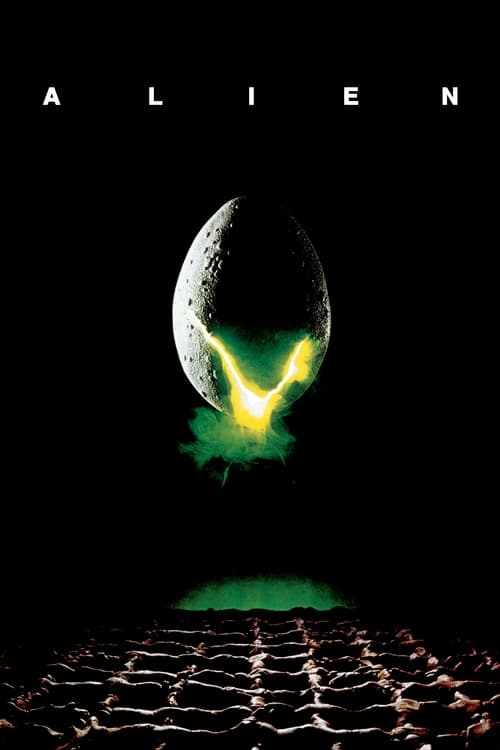
A crashed deep-space vessel brings something to Earth that a squad of soldiers and a young woman are completely unprepared for.

A young group of people scraping by in a post-Alien world boards the abandoned Romulus station looking for resources and activates a xenomorph situation their circumstances make harder to survive.

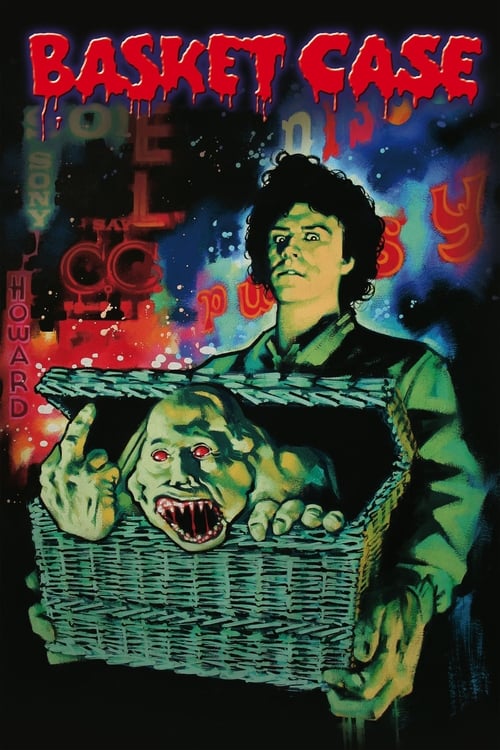
Duane Bradley checks into a Times Square hotel with a locked wicker basket containing his brother Belial, and together they have a list of people to visit. What's inside the basket is the plan.

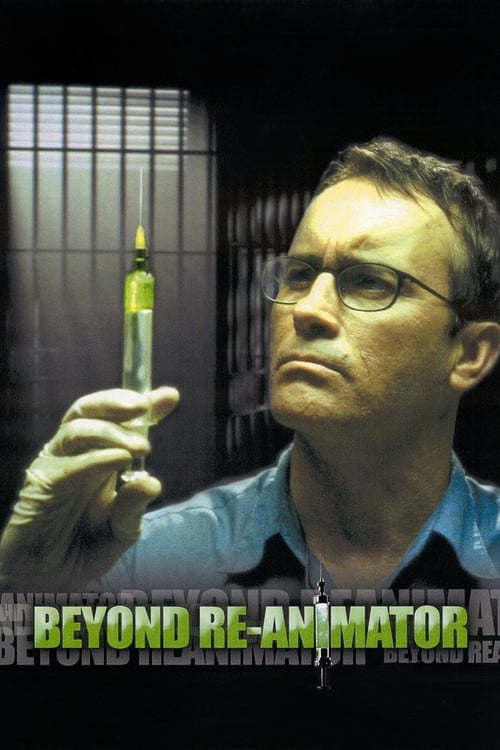
Herbert West is serving time in a maximum security prison in Spain. A young doctor gets him access to a laboratory and the experiments continue.

Nina Sayers is cast as the Swan Queen and finds that the dual role demands more of her than technique alone can provide.

Three short horror stories hosted by a wisecracking coroner: a gas station night shift, a desperate hair transplant, and a transplanted eye with a troubling past.

A teenage girl moves to a military base with her family and starts noticing that the people around her are becoming something else.

Lee and Maren are cannibals trying to understand their compulsion and each other while moving through 1980s America.

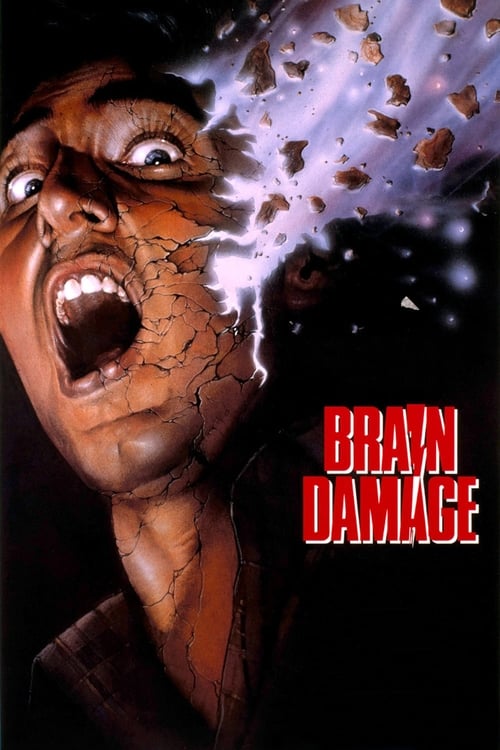
Aylmer, a creature that has attached itself to a young man in his apartment building, injects an addictive fluid into his brain. The arrangement has costs.

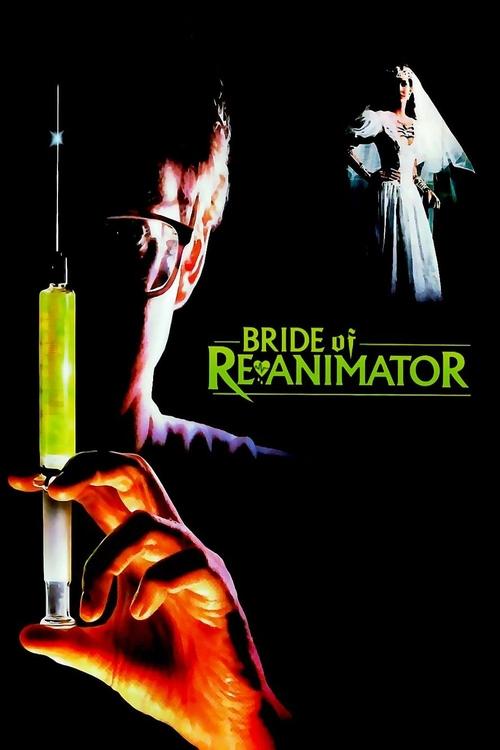
Herbert West is back in Peru after the events of the first film, then attached to a hospital in Spain with a reliable supply of experimental subjects.

Five friends rent a remote cabin to celebrate graduation. A flesh-eating illness moves through the group, and fear does the rest.

A 2016 remake of Eli Roth's Cabin Fever uses the same screenplay with a different cast and director.

A sexually transmitted infection turns college students into something aggressive and hungry at a spring formal.

A research team in the Dominican Republic deals with a new strain of the flesh-eating virus that predates the events of the original films.

Two lifelong rivals competing over the same man both drink a potion that promises eternal youth. The side effects are not clearly disclosed.

Ellie arrives at her estranged sons' Los Angeles apartment building at the same time as the Naturom Demonto. The deadite infection moves through the building.

Run, neutralize, extract. A short horror game about synthesizing and neutralizing biological objects using a universal computer system.
Searching the complete Curated Body Horror archive…
No matches found in the Curated Body Horror collection. Try a broader title or keyword.
Body horror is a subgenre of horror where the fear comes from the transformation, mutation, or deterioration of the human body rather than an external threat. The violations are usually gradual, driven by disease, parasitism, uncontrolled mutation, or forces that strip characters of control over their own flesh. What separates body horror from splatter or slasher is intent: the body itself becomes the source of dread, not just damage. Films like The Fly (1986) and The Thing (1982) are canonical examples.
Body horror focuses specifically on what happens when the body stops belonging to you. Where slashers use external violence and supernatural horror uses forces beyond the physical, body horror turns inward. The threat is mutation, disease, infection, or forced transformation, and the horror is existential: if your body changes, are you still you? The subgenre has more in common with psychological horror than pure gore, even when the imagery is visceral.
The recurring themes are loss of control, identity, contagion, and the relationship between the body and the self. Many body horror films are also social commentary, using physical transformation to explore gender anxiety, reproductive fear, technology, and the limits of humanity. David Cronenberg's work is the clearest example of how the subgenre can carry serious intellectual weight underneath the grotesque surface.
David Cronenberg is the filmmaker most associated with the genre, having shaped its modern form through films like Videodrome (1983), The Fly (1986), and Naked Lunch (1991). John Carpenter's The Thing (1982) remains one of the most technically accomplished examples of practical body horror effects. More recently, Julia Ducournau (Raw, Titane) and Coralie Fargeat (The Substance) have expanded what the subgenre can do thematically and formally.
No. Some of the most effective body horror works through implication and dread rather than explicit gore. Under the Skin (2013) is quietly disturbing without heavy makeup effects. Rosemary's Baby (1968) is frequently cited as body horror precisely because the violation is psychological and reproductive, not graphically physical. Gore can be part of the genre, but it isn't the point. The point is that the body has become something wrong.
Splatter prioritizes quantity of gore as the central attraction. Body horror uses physical distortion as a vehicle for meaning, typically exploring transformation, identity, or the loss of bodily autonomy. A splatter film wants you to flinch. Body horror wants you to question what you are. The two can overlap, but a film that's purely visceral without that underlying existential angle sits closer to splatter than body horror.
Start with films that balance accessibility with genuine craft: The Thing (1982) for practical effects and paranoia, The Fly (1986) for emotional weight alongside the grotesque, and Raw (2016) for something more recent that shows the subgenre still has places to go. These three cover different tonal registers and give a solid foundation before moving into harder or more experimental territory.
A curated body horror collection is a hand-selected set of films chosen for their craft, thematic coherence, and value to anyone who takes the subgenre seriously. It goes beyond "best of" lists by applying editorial judgment: not just what's popular, but what's worth your time and why. HorroRated's Body Horror collection covers everything from foundational classics to overlooked titles, each with a scored verdict and context for why it made the cut.