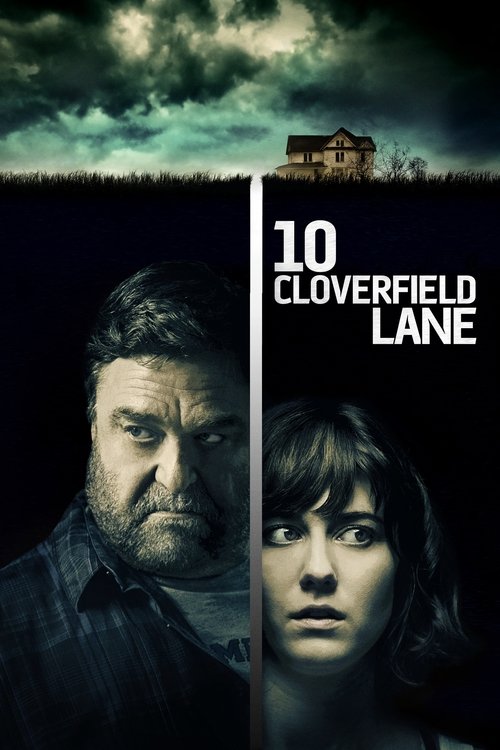
10 Cloverfield Lane
2016 · MovieMichelle wakes up in Howard's underground bunker after a car accident and is told something catastrophic has happened outside that makes returning impossible.
Strip everything away and horror becomes very simple. Stay alive. Curated survival horror puts characters in situations where that's the only objective, and then makes it nearly impossible. The genre is a stress test. The best entries here pass it.
Michelle wakes up in Howard's underground bunker after a car accident and is told something catastrophic has happened outside that makes returning impossible.
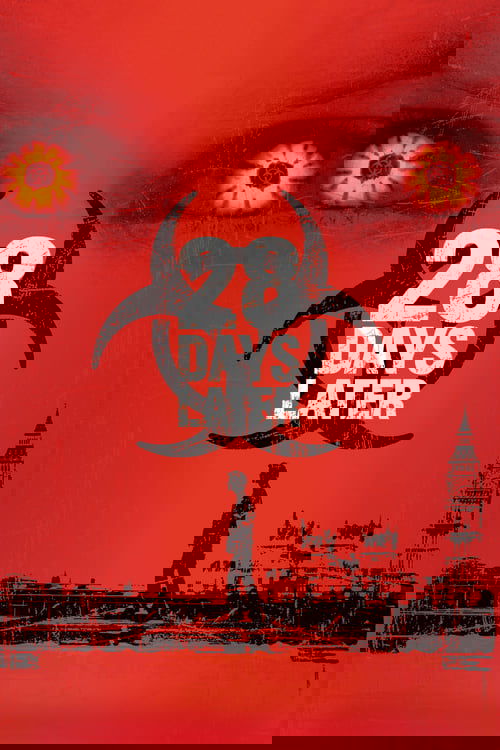
Jim wakes from a coma in an empty London hospital and walks out into a world that fell apart while he was unconscious.

The rage virus has spread to continental Europe twenty-eight weeks after Britain was declared safe enough to repopulate.

Spike wakes up twenty-eight years after the original outbreak to find a Britain that has partially adapted to the rage virus in ways neither previous film anticipated.
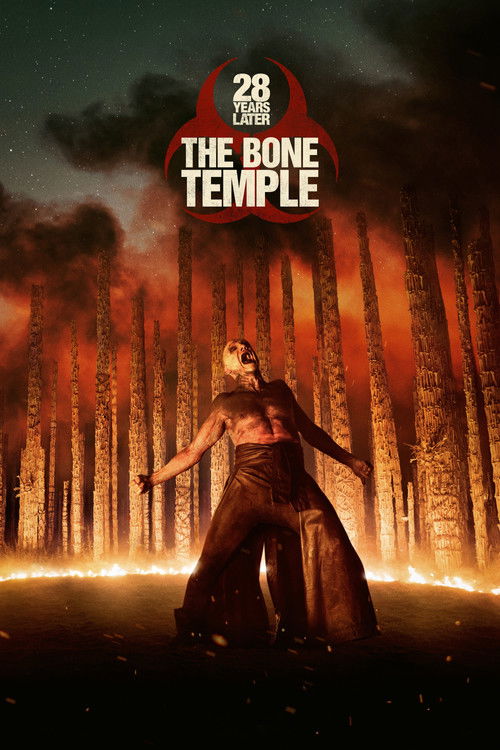
28 Years Later: The Bone Temple is the second film in the trilogy, continuing the story of Britain's long adaptation to the rage virus.
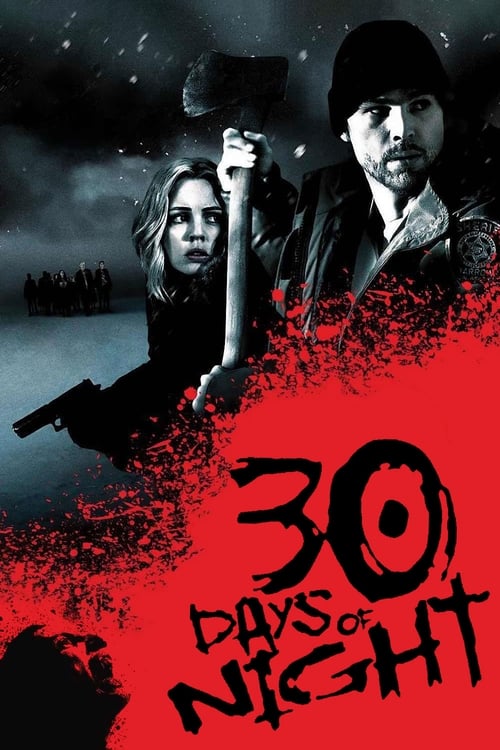
A small Alaska station in Barrow goes dark. The town sits in thirty days of polar darkness and something moves through the night systematically.
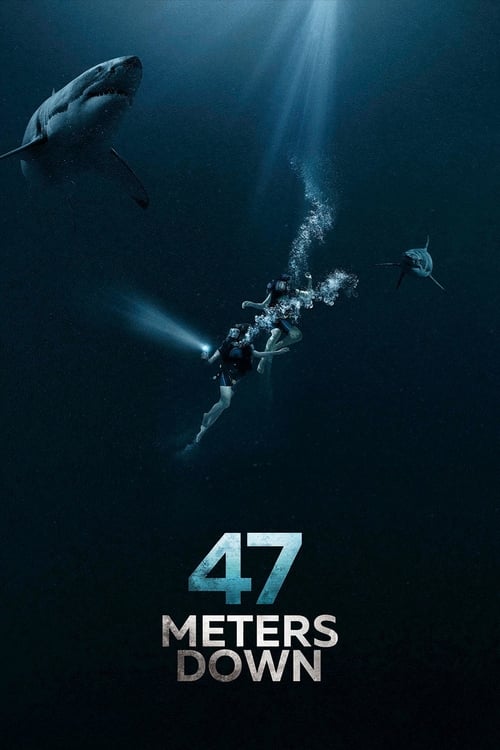
Lisa and Kate agree to a shark cage dive off the Mexican coast. The winch fails at depth.
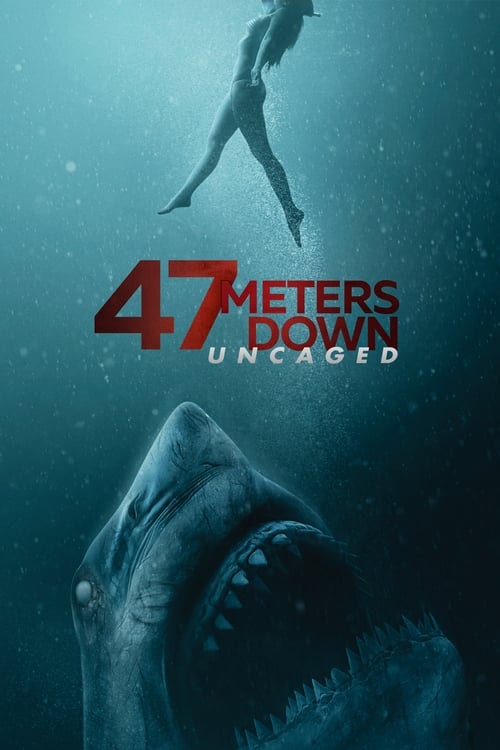
A group of girls follows a friend into an underwater cave network in the Bahamas and encounters creatures that have been living in the tunnels.
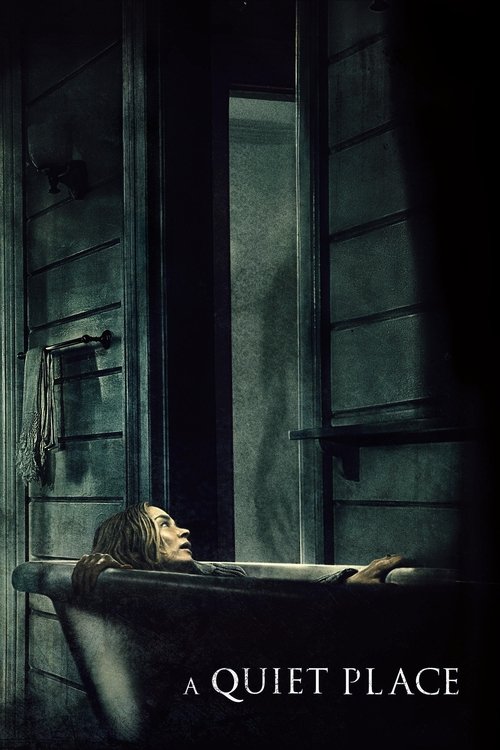
The Abbott family survives in a world where making any sound will get you killed. The film follows a crucial period in that survival.
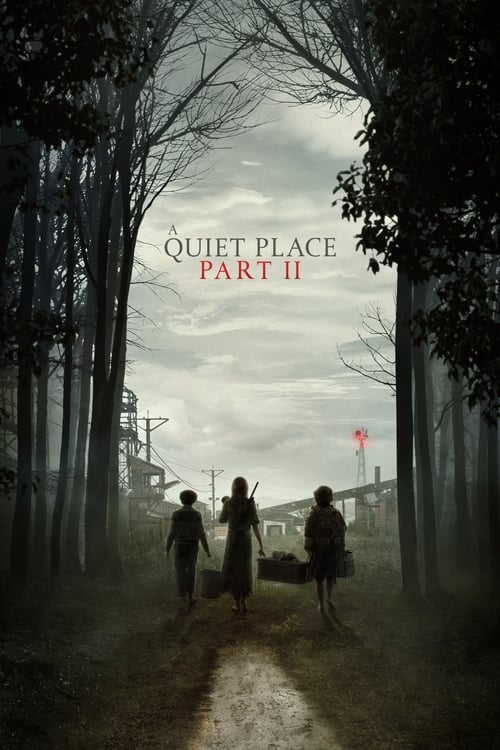
Evelyn Abbott and her children emerge from their fortified property and encounter Emmett and other survivors navigating the same sound restrictions.

Samira just wanted pizza and one last good day in New York. She got the invasion that started the whole franchise instead.
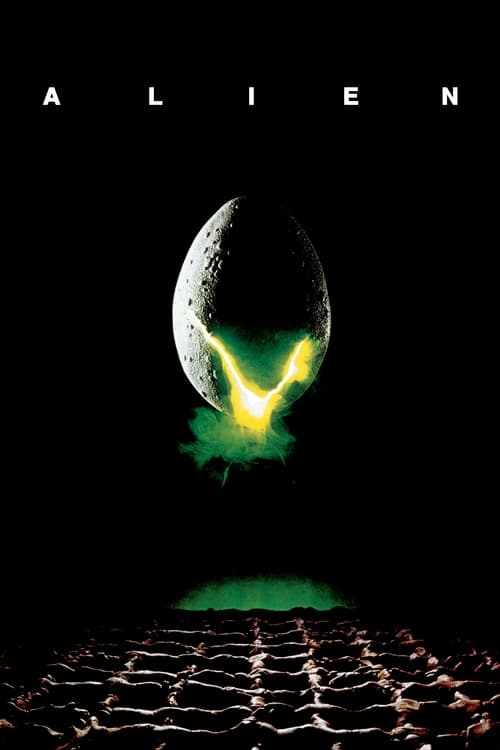
The commercial towing vessel Nostromo answers a distress signal on a distant moon. What the crew brings back aboard doesn't intend to leave.
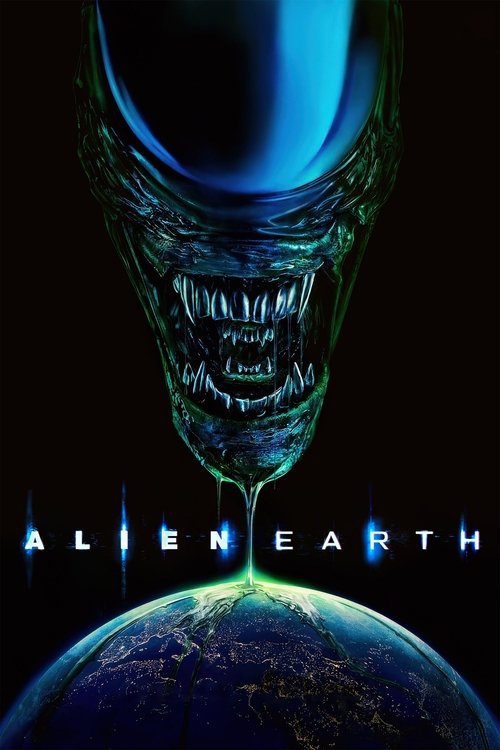
A crashed deep-space vessel brings something to Earth that a squad of soldiers and a young woman are completely unprepared for.
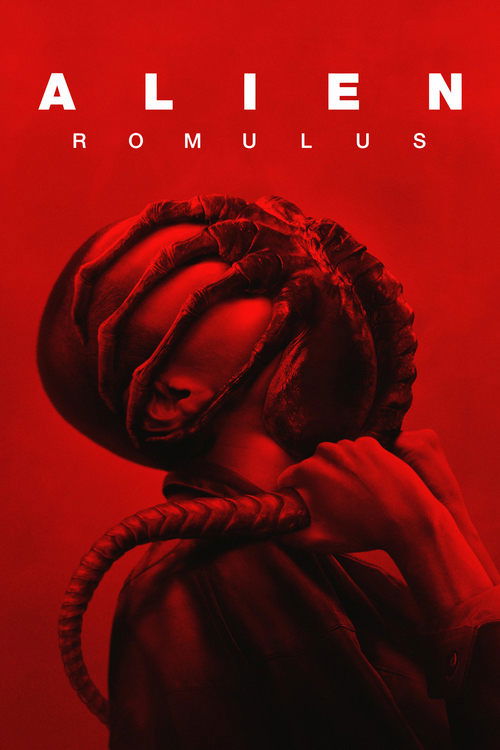
A young group of people scraping by in a post-Alien world boards the abandoned Romulus station looking for resources and activates a xenomorph situation their circumstances make harder to survive.
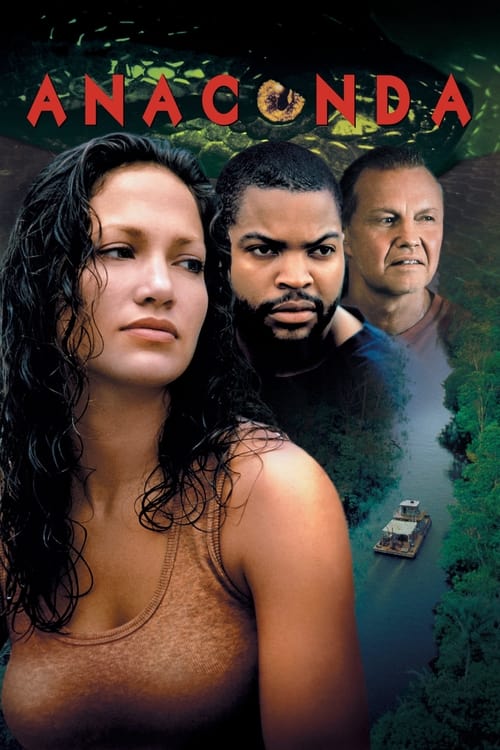
A documentary crew on the Amazon gets taken over by a hunter obsessed with capturing the largest anaconda ever recorded. He finds one.
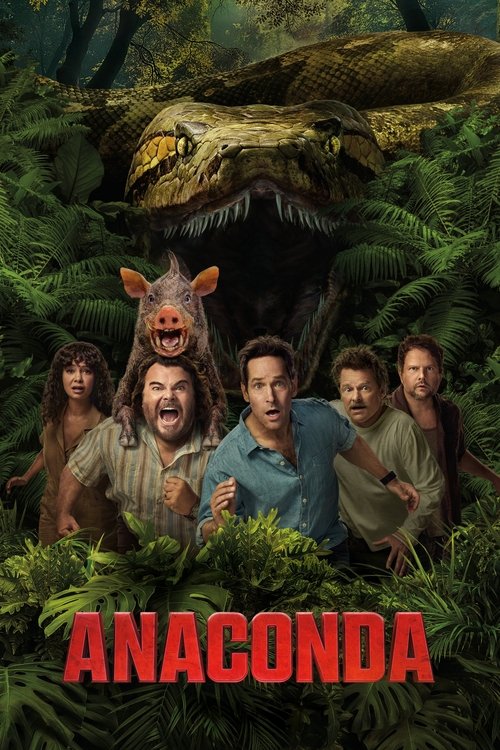
A new group enters anaconda territory in the 2025 installment and the franchise's commitment to creature feature mechanics is maintained.
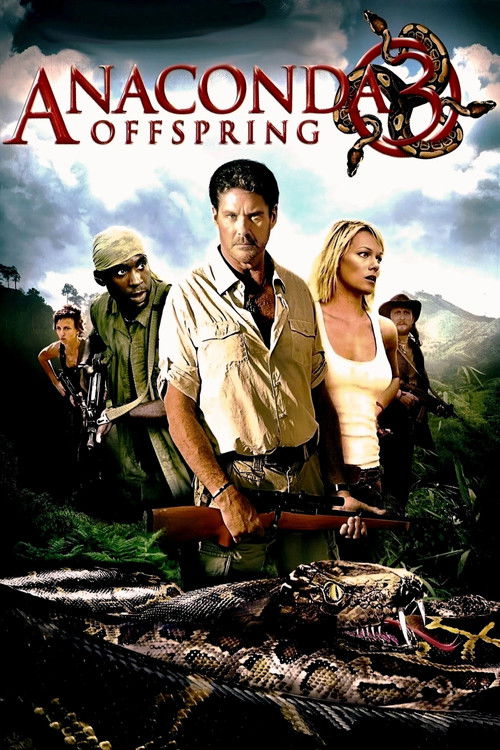
A billionaire funding illegal snake experiments wants his mutant anacondas captured alive, not killed. David Hasselhoff has other plans once they start eating people in Bucharest.
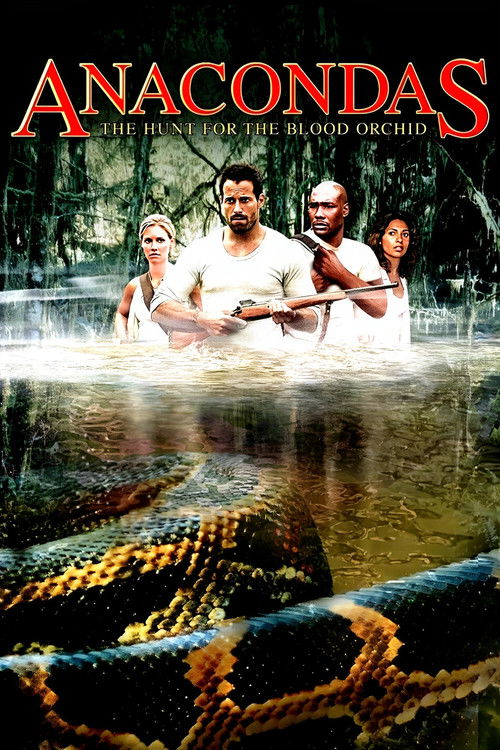
A pharmaceutical research team travels deep into Borneo searching for a flower rumored to extend life. The jungle has other priorities.
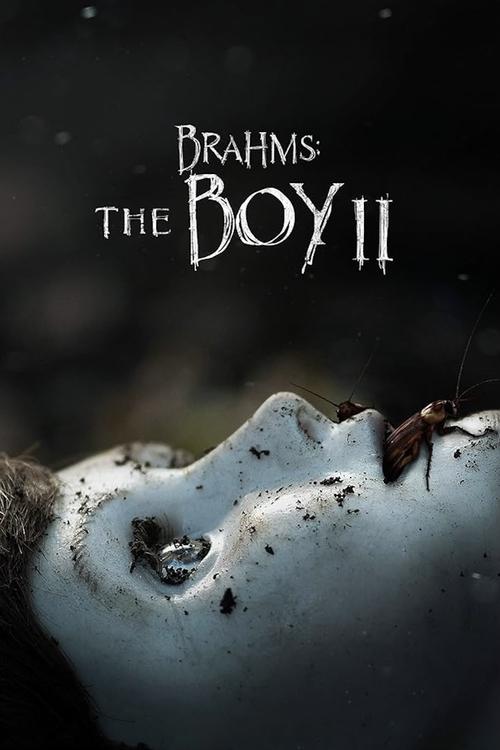
Jude and his stepmother Liza move to an English cottage and find Brahms the doll in the attic. Jude forms an attachment to it that the film watches through installed camera feeds.
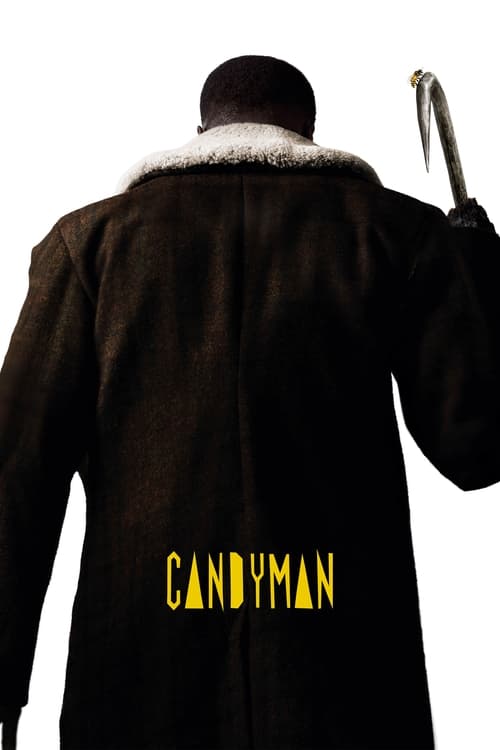
Visual artist Anthony McCoy moves into a development built on the original Cabrini-Green site and researches the Candyman for his work, drawing something's attention.
Searching the complete Curated Survival Horror archive…
No matches found in the Curated Survival Horror collection. Try a broader title or keyword.
Survival horror is a subgenre of horror film in which characters fight to stay alive against an active, ongoing threat while cut off from help or safety. The genre pulls from both the survival film tradition, where environmental or circumstantial danger drives tension, and horror film conventions, where a monster, killer, or psychological terror amplifies that danger beyond the merely desperate. What separates survival horror from a standard thriller is the presence of an overt horror element: a creature, a killer, or a mental collapse that transforms survival into something fundamentally more frightening. Films like The Descent (2005), 28 Days Later (2002), and Green Room (2015) are frequently cited as defining examples of the genre in cinema.
Survival horror prioritizes vulnerability, tension, and the feeling of being outmatched. Characters in survival horror typically lack the weapons, training, or resources to fight back effectively, so the genre leans on dread, resource scarcity, and claustrophobia over gunfights and set pieces. Action horror, by contrast, gives characters more agency and firepower, shifting the tone from desperate to combative. The distinction matters a lot in gaming, where franchises like Resident Evil have been criticized for drifting from their survival horror roots into action territory as their sequels grew larger and more bombastic.
The best survival horror films earn their tension through character investment, a believable threat, and a setting that traps characters in a way that feels inescapable. The genre works when you feel the weight of every bad decision and the cost of every resource spent. Films that just pile on violence without establishing that sense of helplessness tend to fall flat. HorroRated looks for survival horror titles with a strong sense of place, consistent dread, and at least one element, whether practical effects, performance, or atmosphere, that stands out from the standard template.
Beyond the commonly cited titles, there are solid survival horror films that rarely make it onto mainstream lists. Killing Ground (2016) is a brutal and efficiently made Australian entry that subverts the genre's timeline structure in a way that makes it significantly more unsettling than it first appears. Hidden (2015) is a claustrophobic chamber piece that builds toward a twist most viewers won't see coming. The Ruins (2008) holds up as a tense, mean-spirited isolation film that leans into body horror in ways the genre rarely does. HorroRated covers survival horror entries across decades and national cinemas for exactly this reason.
It depends on the film. Some survival horror movies, particularly those in the creature feature or natural horror space, are accessible to newer horror viewers because the threat is concrete and the stakes are immediate. Films like The Shallows (2016) or A Quiet Place (2018) use survival mechanics without requiring familiarity with deeper genre conventions. More extreme entries in the survival horror space, especially those with graphic violence or nihilistic endings, are better approached after developing some tolerance for the genre's harder edges. HorroRated scores every entry so you can gauge intensity before you commit.
Every title in HorroRated's survival horror section is reviewed by the team and assigned a verdict on the site's 0 to 5 rating scale, where 0 is Skip It and 5 is Legendary. The focus is on films that deliver something specific within the subgenre, whether that's practical effects work, an unusually tense setting, or a premise that hasn't been run into the ground. Popularity isn't the filter. Plenty of widely seen survival horror films earn middling scores, while smaller or older titles earn higher ones based purely on what they accomplish on screen.