Alfred Hitchcock Presents
1955 · TVHitchcock hosts a weekly anthology of moral tales where respectable people make terrible choices and the endings rarely spare them.
A hand-picked list of curated horror TV shows spanning decades of television dread. From limited series to one-season wonders that never got their due. Some ran for years. Some ended too soon. All of them stuck.
Hitchcock hosts a weekly anthology of moral tales where respectable people make terrible choices and the endings rarely spare them.
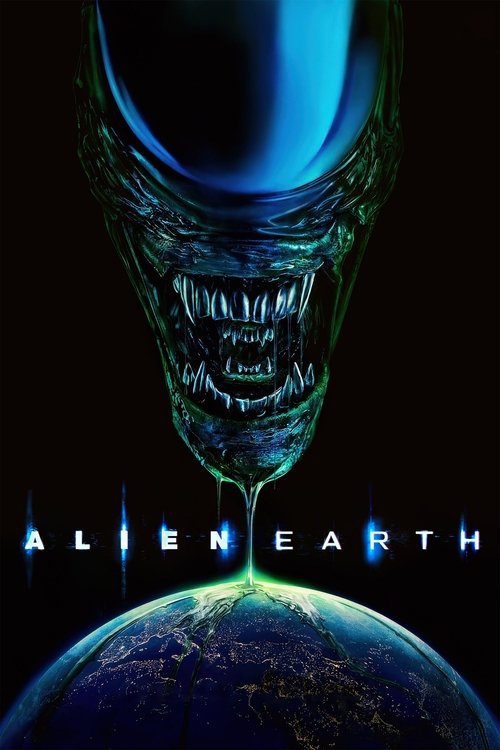
A crashed deep-space vessel brings something to Earth that a squad of soldiers and a young woman are completely unprepared for.
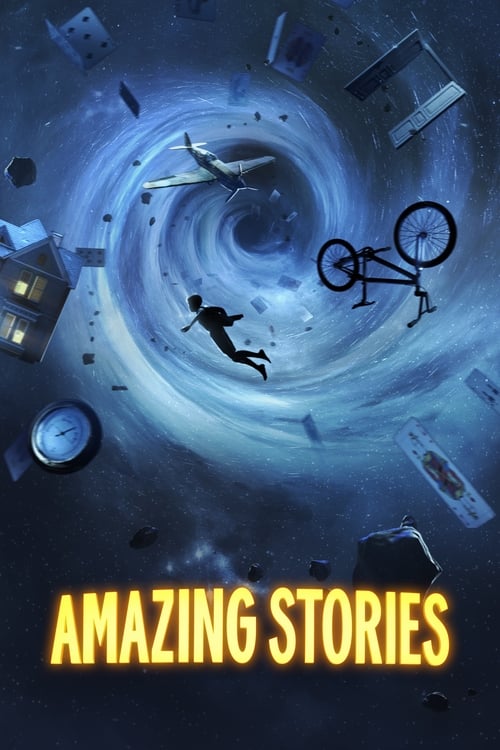
Steven Spielberg's anthology revival transports everyday characters into worlds of wonder, strangeness, and genuine unease.
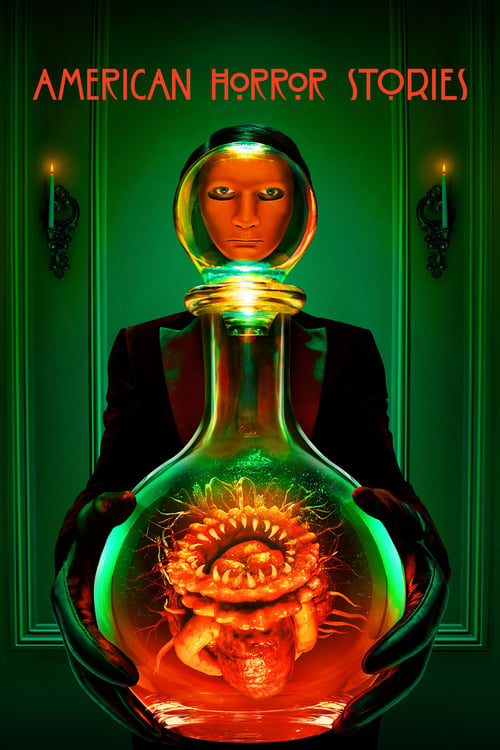
Standalone episodes exploring horror myths, legends, and urban folklore set within or adjacent to the American Horror Story universe.
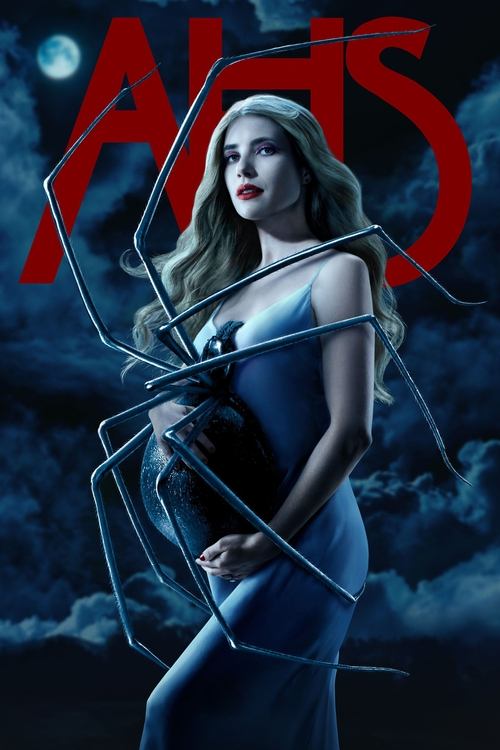
Every season brings a new cast, a new horror setting, and a completely different story. Murder House, Asylum, Coven. No two seasons share anything but the ambition.
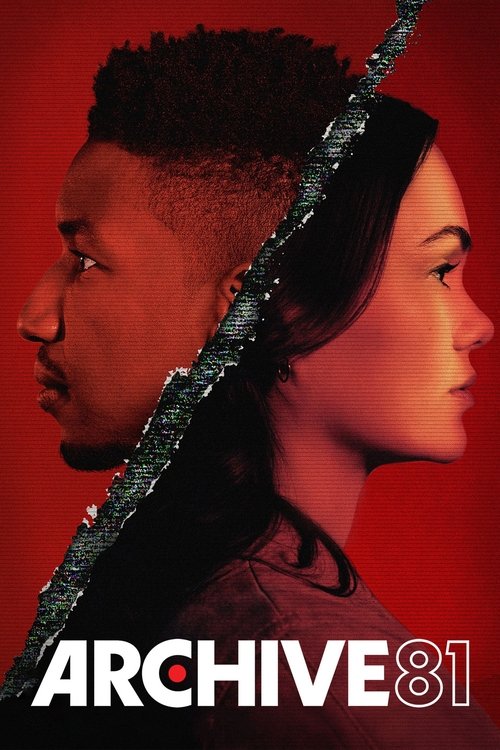
An archivist restoring damaged 1990s videotapes is pulled into the story of the filmmaker who shot them and the demonic cult she was investigating.
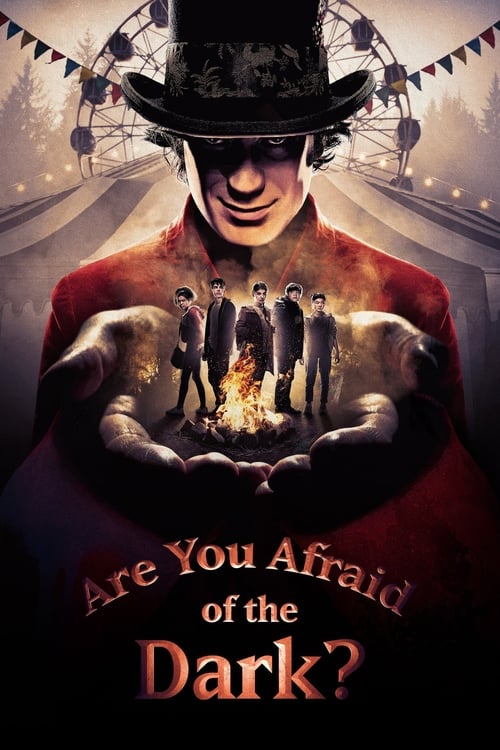
The Midnight Society returns with a new structure: each season tells one sustained horror story across five episodes, and this time the campfire tales are real.
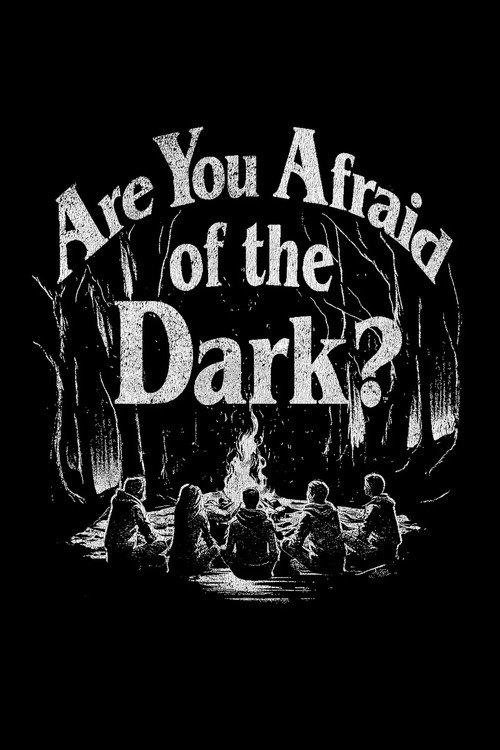
Kids gather around a campfire to tell each other scary stories, and the show dramatizes each tale with enough genuine menace to actually scare its audience.
Every episode is a self-contained story about what technology does to people when taken to its logical and usually devastating conclusion.
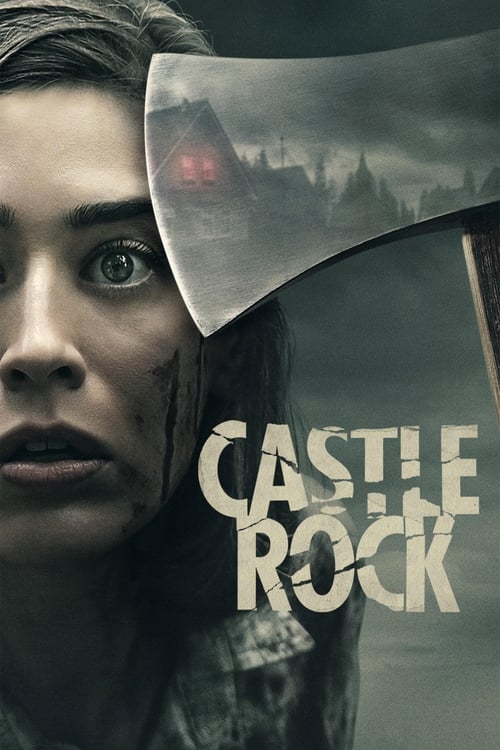
A death row inmate with a mysterious connection to Castle Rock sets off a chain of events pulling the town's darkest history to the surface.
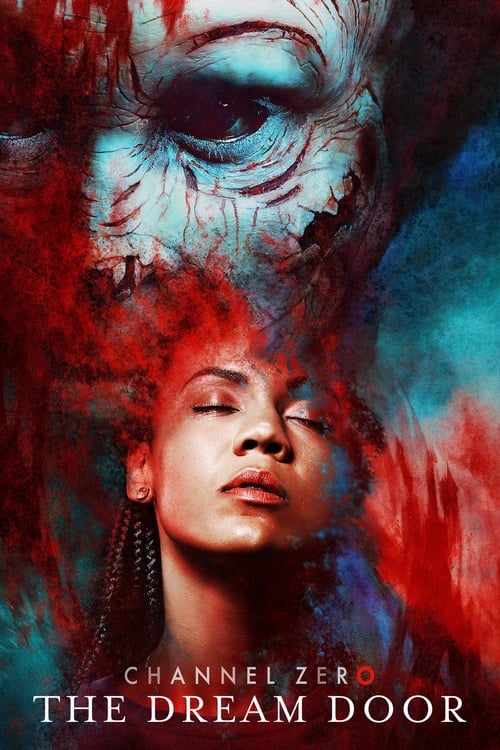
Each season adapts a different internet creepypasta into a full horror narrative, giving viral horror legends the long-form treatment they were designed for.
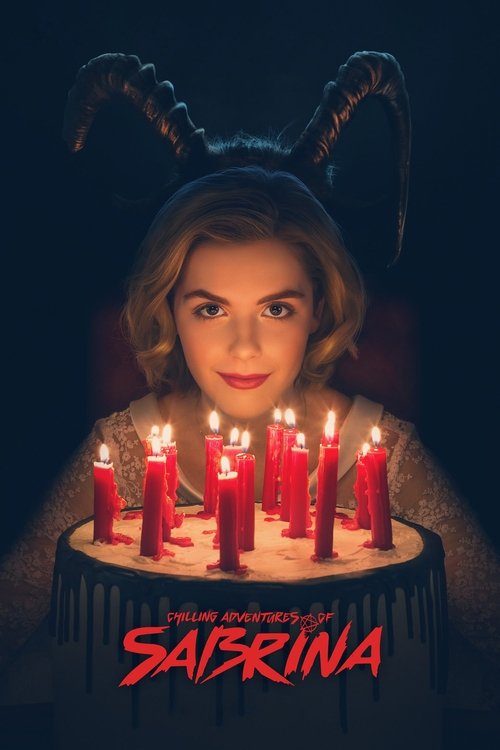
Half-human, half-witch Sabrina Spellman navigates high school, a dark church, and a war between her two worlds that keeps pulling her toward a side she's not sure she wants.
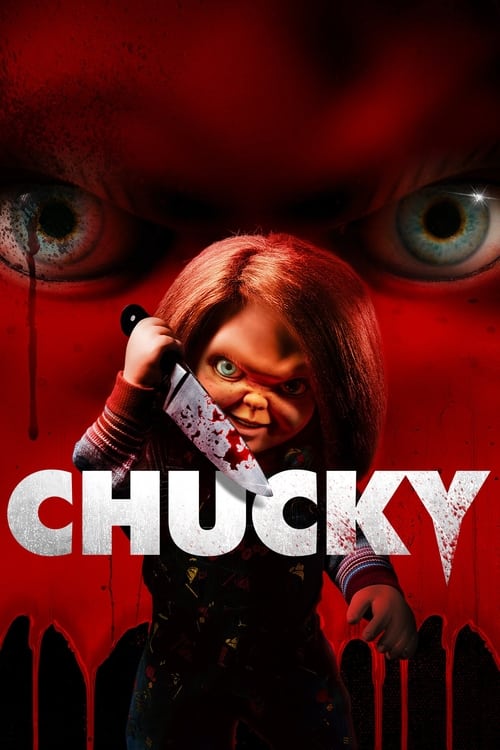
A vintage Chucky doll turns up at a suburban yard sale and a small American town starts coming apart at the seams.
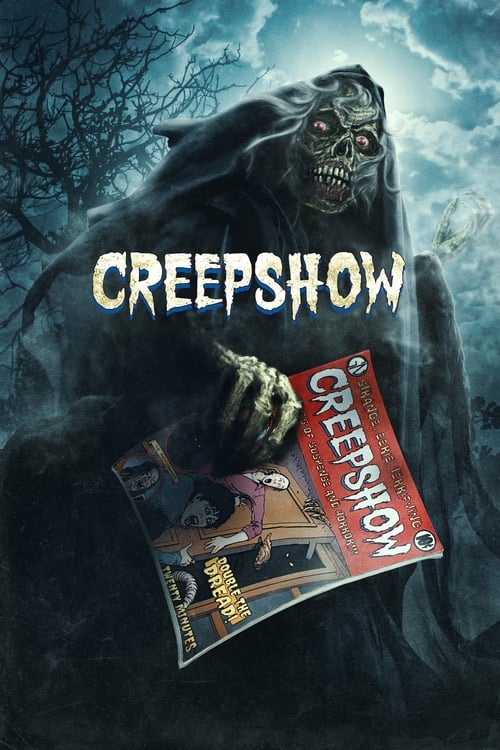
The Creep hosts short horror stories adapted from the comics, brought to life with practical effects and that same mean streak the original Creepshow films had.
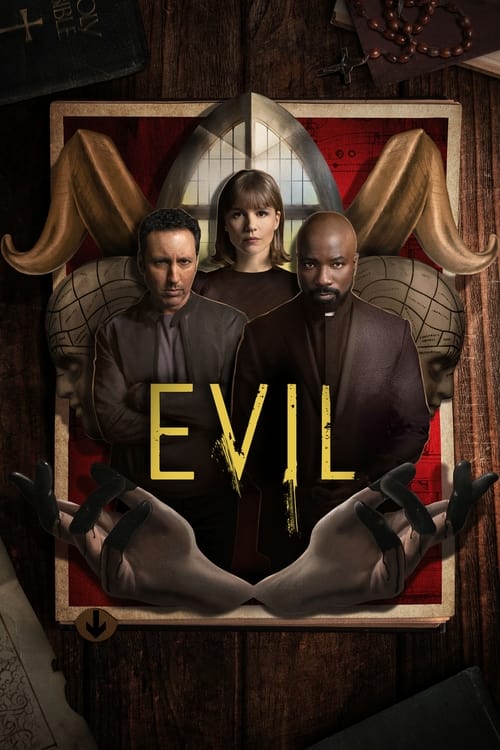
A forensic psychologist, a priest-in-training, and a tech expert investigate demonic possession and miracles for the Catholic Church. The line between science and faith keeps moving.
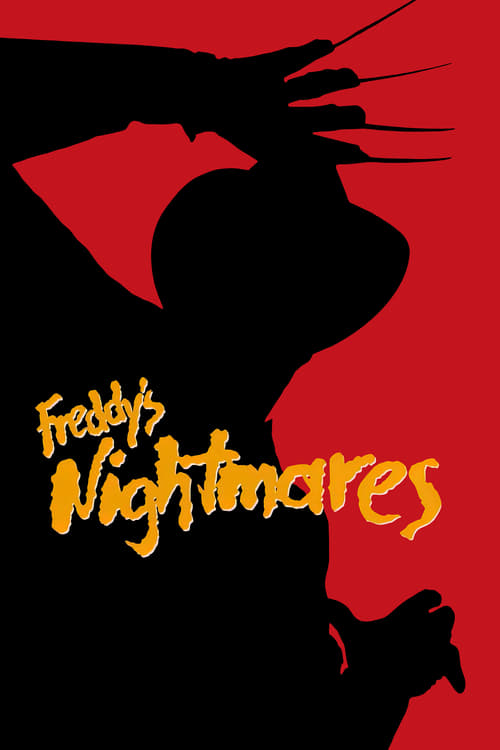
Freddy Krueger hosts a weekly anthology set in Springwood, introducing stories of fear, greed, and revenge in the shadow of Elm Street.
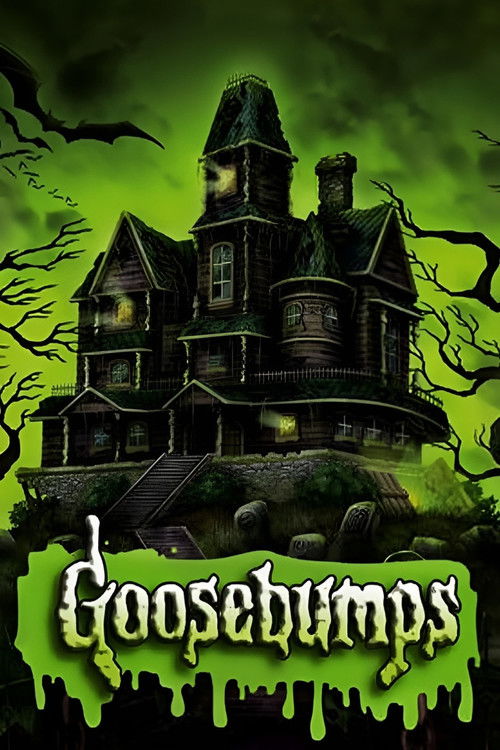
R.L. Stine's best-selling books brought to life in a weekly half-hour anthology where ordinary kids find themselves in situations with real menace.
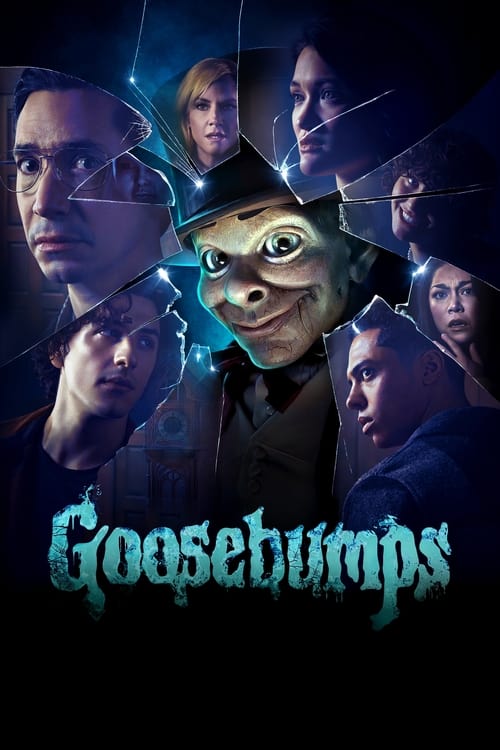
Five high schoolers investigate the death of a teenager named Harold Biddle and uncover a mystery connecting R.L. Stine's monster universe to their own parents' buried past.

Detective Lois Tryon investigates a series of heinous crimes in a small community that feel uncomfortably personal, as if something is sending her a message.
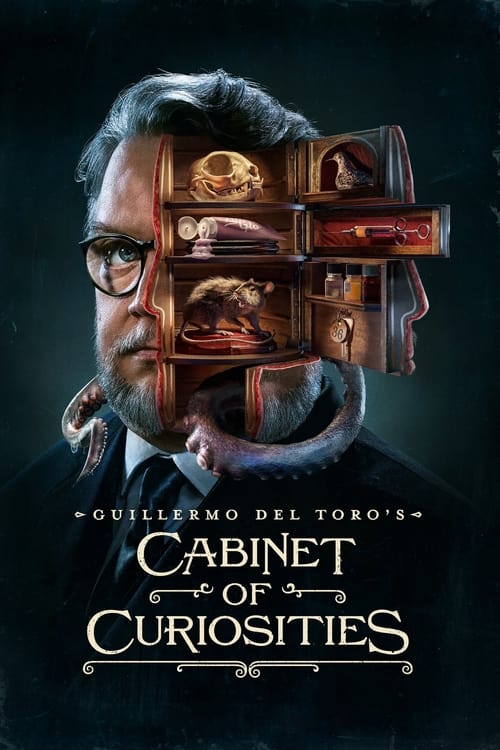
Guillermo del Toro personally selected eight horror stories from filmmakers he admires, each rendered in a completely different visual style.
Searching the complete Curated Horror TV Shows archive…
No matches found in shows. Try a broader title or keyword.
A horror TV show earns its watch time when it maintains dread across multiple episodes without padding, pays off what it sets up, and doesn’t waste the format’s length. The best horror series use the extended runtime to build character investment before the scares land. Shows that stall, tease indefinitely, or rely entirely on jump scares tend to collapse before the finale.
A horror anthology series presents self-contained stories, either one per episode or one per season, with no continuous narrative thread. A serialized horror show follows the same characters and story across an entire season or multiple seasons. Anthology shows like The Twilight Zone, Tales from the Crypt, and Creepshow let you watch individual episodes without commitment, while serialized shows like The Haunting of Hill House or The Terror require you to invest in the full arc to get the payoff.
Horror television covers several distinct formats. Anthology series tell standalone stories in each episode or season. Supernatural shows focus on ghosts, demons, or unexplained forces. Psychological horror uses paranoia, unreliable reality, or mental deterioration as the primary threat. Folk horror draws on rural isolation and pagan or ritual elements. Prestige horror blends genre conventions with literary or thematic ambition. Each subgenre has its own pacing and tone, which is why matching a show to your mood matters as much as matching it to your taste.
Horror miniseries have a structural advantage. A defined episode count prevents the padding, stalling, and lore bloat that kills longer horror runs. Shows like Midnight Mass (2021, 7 episodes) and Marianne (2019, 8 episodes) deliver complete experiences because the writers knew exactly when the story would end. Full-length series can sustain dread across multiple seasons when the writing is strong, but the drop-off rate in horror is high. Watching a miniseries first is a lower-risk entry point for a new show.
Netflix has produced some of the most critically respected horror series of the past decade, including The Haunting of Hill House, Midnight Mass, and Marianne. Shudder, a horror-specific streaming service, is the strongest platform for cult and genre-focused content, with original series and a deeper catalog than any general platform. Max carries strong prestige horror including The Terror and 30 Coins. The right platform depends on whether you want mainstream elevated horror or more niche, genre-first content.
The Twilight Zone (1959-1964), created by Rod Serling, is widely regarded as the most influential horror anthology in television history. Among modern anthology series, Guillermo del Toro’s Cabinet of Curiosities (2022) is frequently cited for its cinematic quality and director-driven approach. Channel Zero (2016-2018) is considered one of the most artistically distinctive horror anthologies, adapting internet creepypasta into four seasons of surreal, unsettling television. The best pick depends on whether you prefer classic storytelling, prestige filmmaking, or cult-oriented weirdness.
Streaming platform algorithms recommend based on viewing history, completion rates, and what the platform wants to promote. Curated lists are selected based on defined quality criteria, independent of what a platform is currently pushing. The difference matters because some of the best horror series, including Channel Zero, Marianne, and The Terror, were cancelled or buried despite strong critical receptions. A curated list surfaces those shows regardless of their algorithmic visibility.
Most horror series are built around a mystery or threat that the writers didn’t design to sustain beyond a single season. When a show gets renewed unexpectedly, writers often expand the mythology to fill more episodes, which dilutes what made the original compelling. The best long-running horror series, like Hannibal, earn their runtime by shifting the source of dread rather than stretching a single premise. A strong first season with a bad second doesn’t necessarily disqualify a show, but it’s worth knowing going in.
Elevated horror on television refers to series that use genre conventions to explore literary, psychological, or social themes beyond the scare itself. Mike Flanagan’s work, including The Haunting of Hill House and Midnight Mass, is frequently cited as the benchmark for elevated horror on TV. Standard horror series prioritize atmosphere, creature design, jump scares, or plot-driven tension without the same thematic ambition. Both are legitimate. Elevated horror tends to appeal to viewers who want emotional payoff alongside the fear. Standard horror serves fans who come primarily for the genre experience.