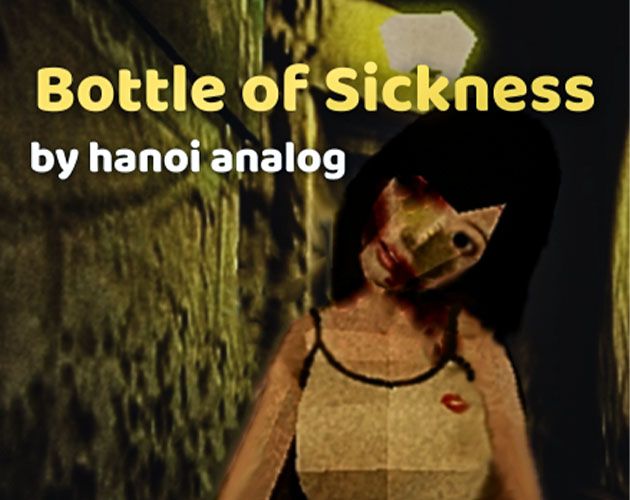
Bottle of Sickness
2026 · GameYou are waiting and the sirens are getting closer. A suspended moment of dread rendered in murky PSX lo-fi.
Atmosphere over hype, always. These curated indie horror games cover survival, psychological dread, and everything the mainstream missed. No bloated budgets, no jump scare factories. Just games that get under your skin.
You are waiting and the sirens are getting closer. A suspended moment of dread rendered in murky PSX lo-fi.
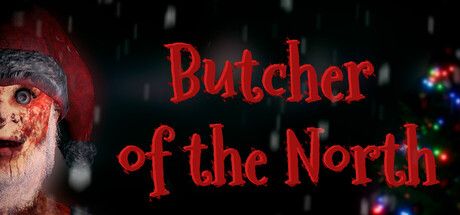
Santa has an IP address. You tracked it down and you're heading to his lair to take what's rightfully yours.
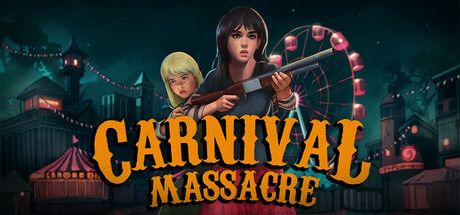
Harley has been having nightmares about her missing little sister. She heads to a cursed theme park to find her and faces horrors worse than anything her nightmares showed her.
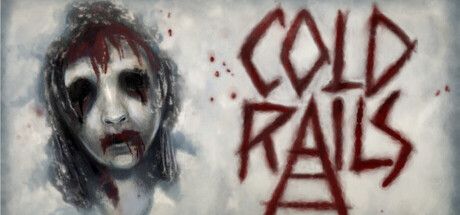
You work as a bartender on a cold train serving drinks to passengers. A mysterious woman in a dress is moving through the carriages and she isn't a passenger.
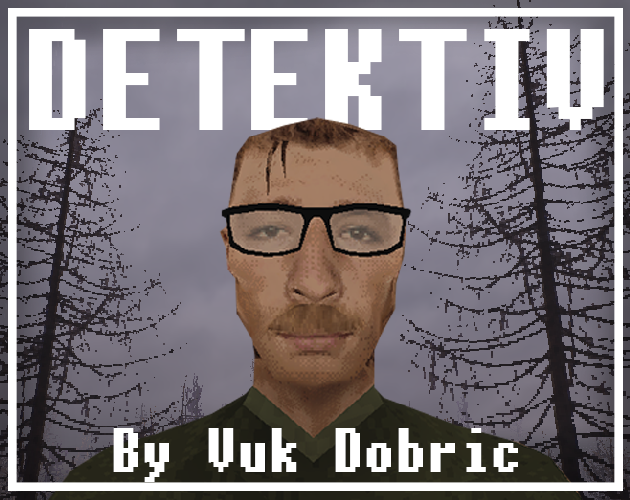
Detective Fyodor Mikhailovich investigates a strange murder. A fifteen-minute horror experience built around a single crime scene.

Driving home at night, something unsettling happens on the road. Whether it leads you to hell depends on what you choose to do about it.
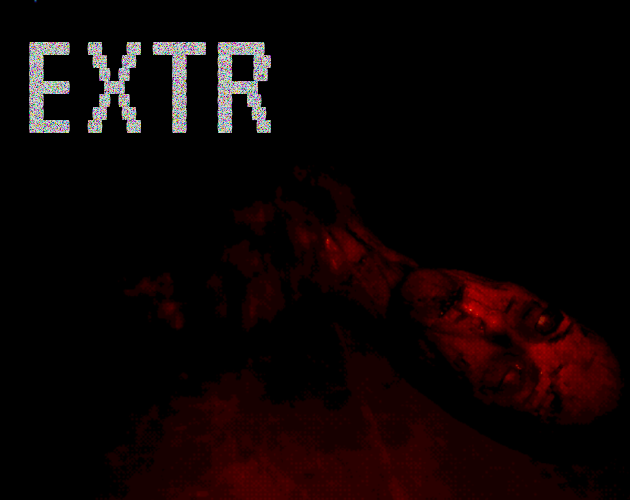
Run, neutralize, extract. A short horror game about synthesizing and neutralizing biological objects using a universal computer system.
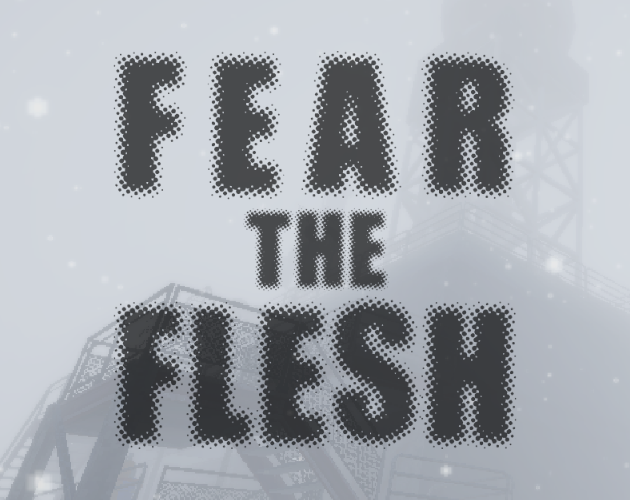
An Antarctic research team discovers a perfectly preserved meteorite and runs a late-night experiment that goes catastrophically wrong.
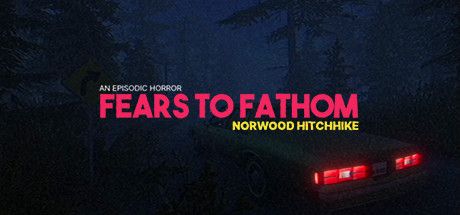
Holly Gardner is nineteen, on an interstate drive, when unusual events lead to an unplanned stay at a motel. What's happening in Norwood Valley is worse than she knows.
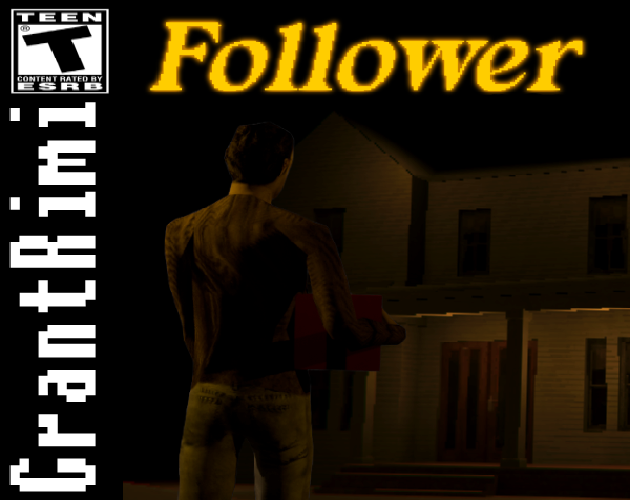
Mitch makes a quick errand stop on a snowy night in Davenburg. The streets feel wrong and whatever's behind him confirms it.
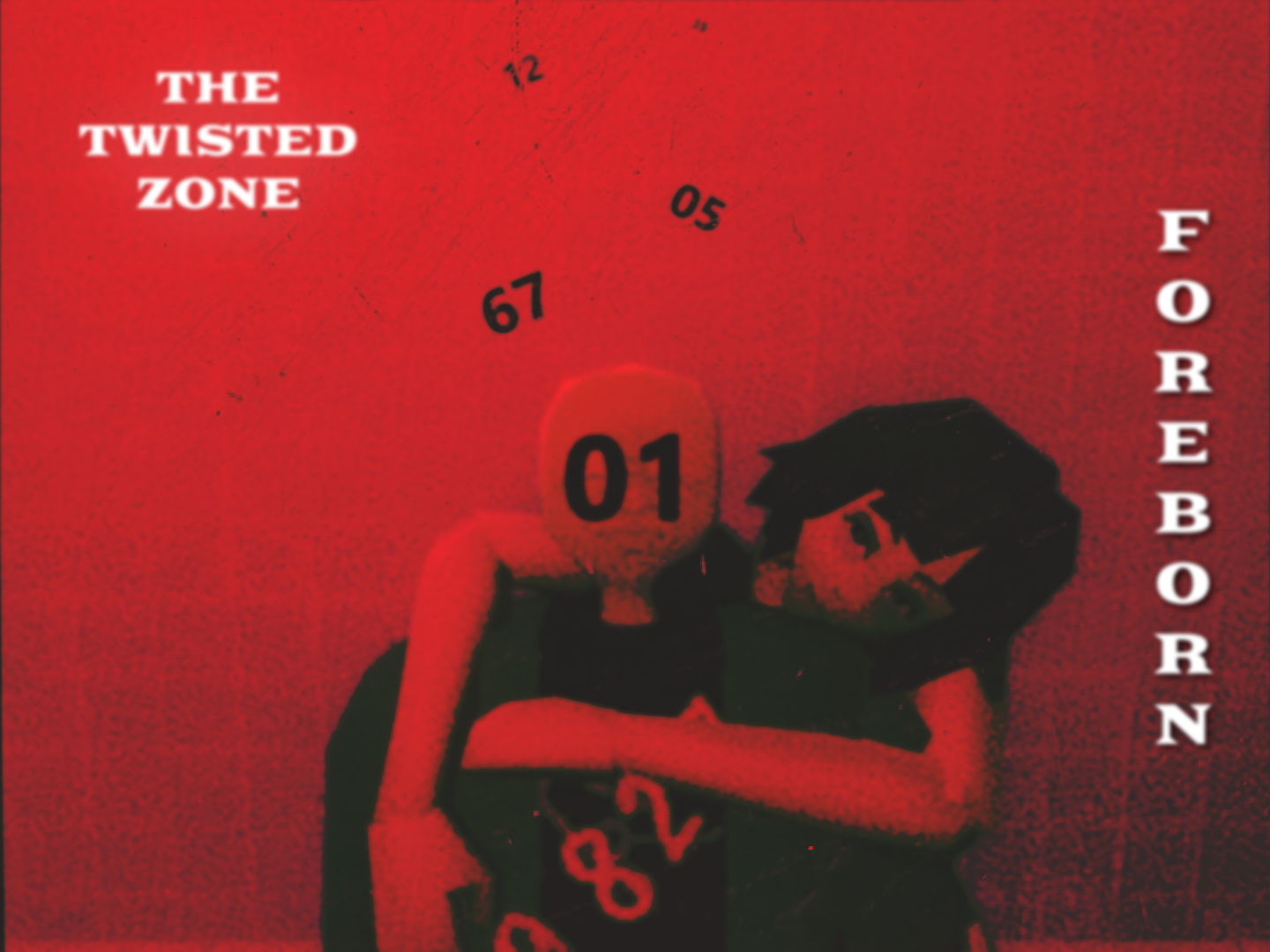
Before you're born, you get to preview your whole life in a simulation. You get to decide if living it is actually worth it.
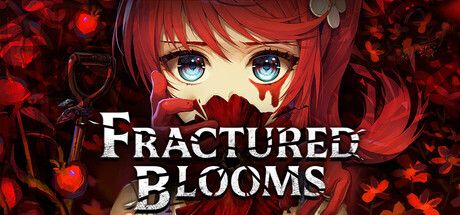
A cozy life-sim wrapped inside a horror time loop where daily routines keep resetting and something underneath the comfort refuses to let go.
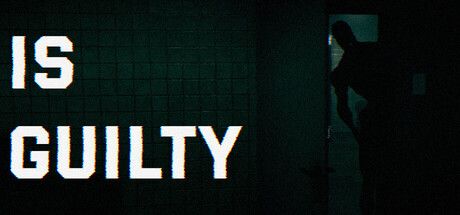
Night shift at a lonely drive-thru coffee stand. A mysterious email arrives and changes everything about what your job actually is.
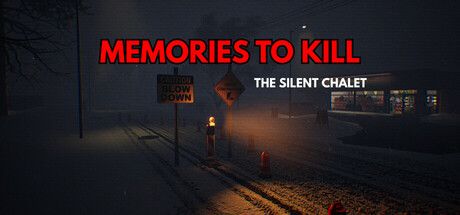
Evelyn inherits a mountain chalet from her father and arrives to find herself caught in a relentless blizzard. The silence inside is louder than the storm.
Marlene is a backpacker traveling alone who finds a cheap room to spend the night. What she finds in that room stays with her.
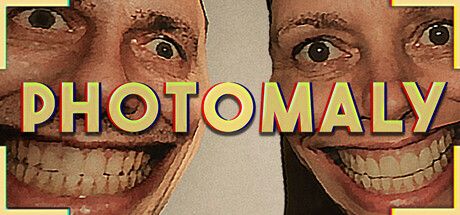
Run a PSX-style photo studio, restock supplies, photograph customers, print their orders. The unexpected events are the horror.
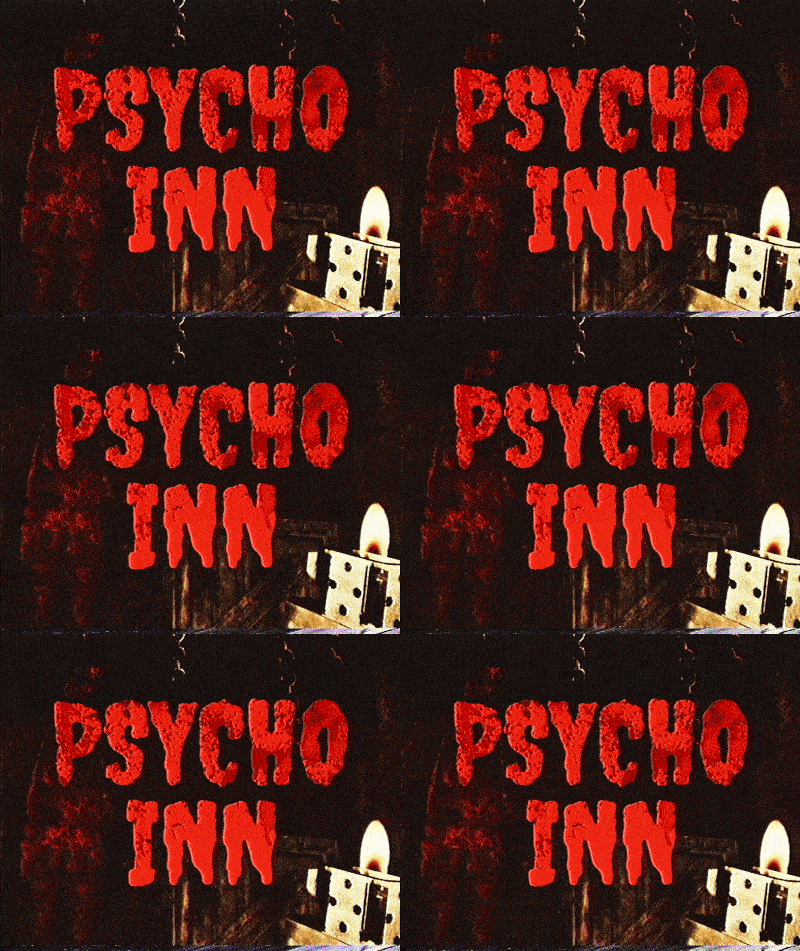
You stop at a remote roadside motel for the night. It's a short 70s and 80s slasher throwback, and it understands exactly what made those films work.
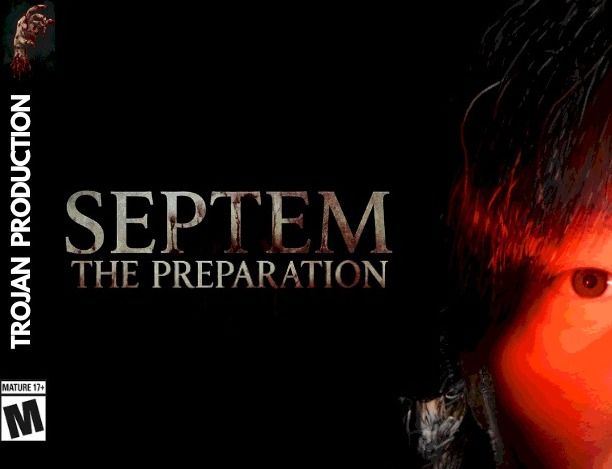
Libraries, conversations, small gestures. Nothing feels wrong at first, but calm instructions and careful preparation are building toward something.
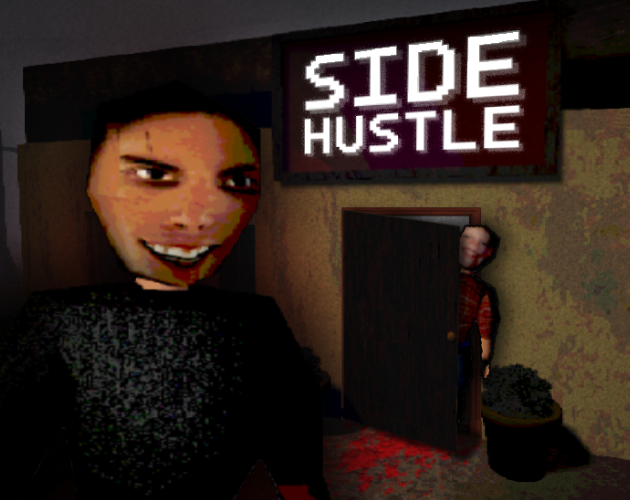
Gary's Carpet Value: open the shop, flip the sign, keep things clean. People trust Gary, but there's been talk about what's really woven into those carpets.
A medical simulation horror game where you perform operations on sedated patients to fix their defects and make them HAPPY. The imperfect don't stay that way for long.
Searching the complete Curated Indie Horror Games archive…
No matches found in games. Try a broader title or keyword.
An indie horror game is a horror game developed by an independent studio or solo developer rather than a major publisher. Without corporate oversight or mass-market pressure, indie developers regularly take creative risks that AAA studios avoid, including unconventional mechanics, unusual art styles, and psychological horror that prioritizes dread over action. The result is a subgenre that has produced some of the most distinctive horror experiences in gaming, from Amnesia: The Dark Descent (2010) to Mouthwashing (2024).
AAA horror games frequently shift toward action mechanics to justify large budgets and reach wide audiences, which reduces the vulnerability and helplessness that make horror effective. Indie developers aren’t constrained by those expectations, so they can build games entirely around atmosphere, sound design, and psychological tension without needing combat systems or cinematic set pieces. Games like Darkwood (2017) and Iron Lung (2022) are frequently cited as scarier than their AAA counterparts precisely because they restrict what the player can do rather than empowering them.
Jump scare horror games deliver fear through sudden visual or audio shocks, typically a monster appearing unexpectedly. Atmospheric horror games build dread through environment, sound design, pacing, and the player’s imagination rather than scripted surprises. Most of the most critically regarded indie horror titles lean atmospheric, including SOMA (2015), Signalis (2022), and Pathologic 2 (2019), while jump scare-heavy games tend to perform better as streaming content but offer less sustained tension for solo players.
Steam is the largest platform for indie horror on PC, with thousands of titles filterable by tags like “psychological horror,” “survival horror,” and “atmospheric.” itch.io hosts a broader range of experimental and free indie horror, including game jam entries and short-form titles that wouldn’t find commercial distribution elsewhere. For curated recommendations based on quality rather than algorithm, dedicated horror sites and community Steam curator pages are more reliable than storefront browsing alone.
Several highly regarded indie horror games are built entirely around atmosphere rather than jump scares. Darkwood (2017) uses a top-down perspective and survival mechanics to create dread without scripted shocks. SOMA (2015) has a “safe mode” that removes monster encounters entirely, leaving its philosophical horror intact. Signalis (2022) and Pathologic 2 (2019) both earn their fear through environmental design and narrative tension rather than surprise events.
A Steam tag search returns every game tagged “horror” regardless of quality, including unfinished early access titles, asset flips, and games using the label loosely. A curated list applies a defined standard, selecting titles based on quality, originality, and the experience they deliver. The difference matters because the indie horror space on Steam alone contains thousands of titles, and finding the genuinely strong ones without curation requires significant time investment that most players don’t want to spend.
Most notable indie horror titles are available on multiple platforms. Signalis, Darkwood, Iron Lung, and Crow Country (2024) are all available on Nintendo Switch and PlayStation in addition to PC. itch.io remains primarily PC-focused, but Steam’s console partnerships and indie publishing deals have expanded availability significantly. Some short experimental titles remain PC-only, particularly games that originated from game jams.
Runtime varies significantly across the indie horror space. Short-form titles like Iron Lung (roughly one to two hours) and Paratopic (under an hour) treat brevity as a creative choice rather than a limitation. Mid-length titles like Signalis, Crow Country, and SOMA run six to twelve hours. Games like Darkwood and Pathologic 2 extend well beyond that. Short runtimes in indie horror are generally a signal of tight pacing rather than thin content.
Amnesia: The Dark Descent (2010), developed by Frictional Games, is widely credited with defining modern first-person helpless horror and influencing nearly every indie horror game that followed. Yume Nikki (2004) established the template for surreal RPG Maker horror that spawned titles like Ib, OFF, and Doki Doki Literature Club. Five Nights at Freddy’s (2014) demonstrated that a solo developer could build a commercially dominant horror franchise. These three titles represent distinct lineages that the indie horror space continues to work within and against.