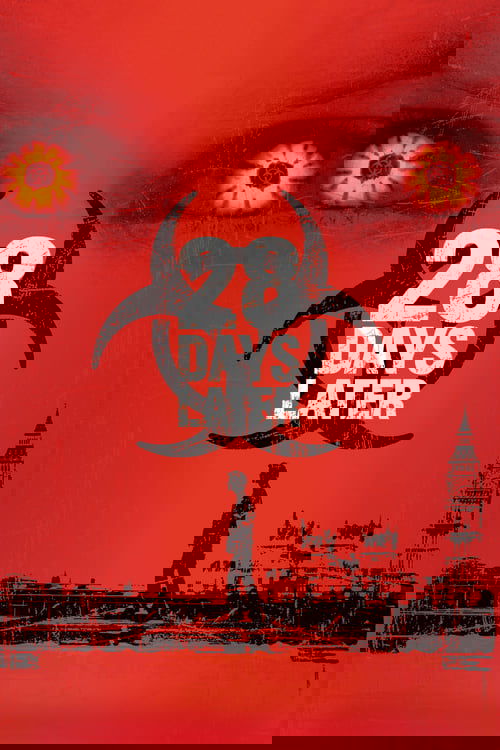
28 Days Later
2002 · MovieJim wakes from a coma in an empty London hospital and walks out into a world that fell apart while he was unconscious.
Curated horror creature features have one job: make you believe in the thing. Not just fear it. Believe it. These films do that, whether the creature is deep-sea, extraterrestrial, or something that crawled out of a practical FX workshop in the 80s.
Jim wakes from a coma in an empty London hospital and walks out into a world that fell apart while he was unconscious.
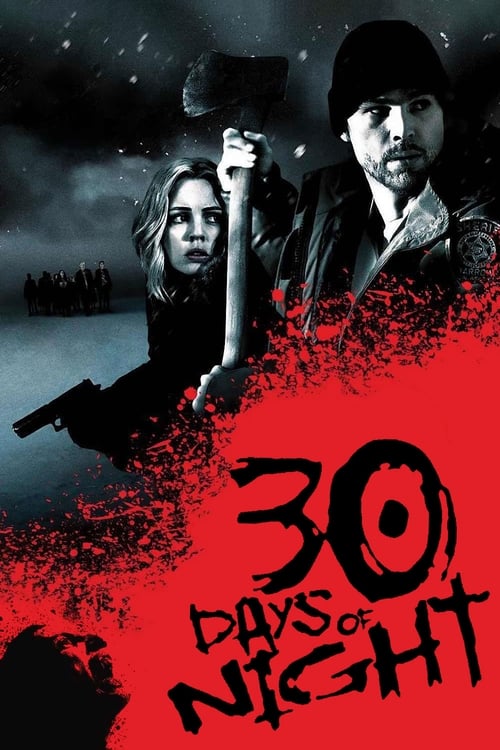
A small Alaska station in Barrow goes dark. The town sits in thirty days of polar darkness and something moves through the night systematically.
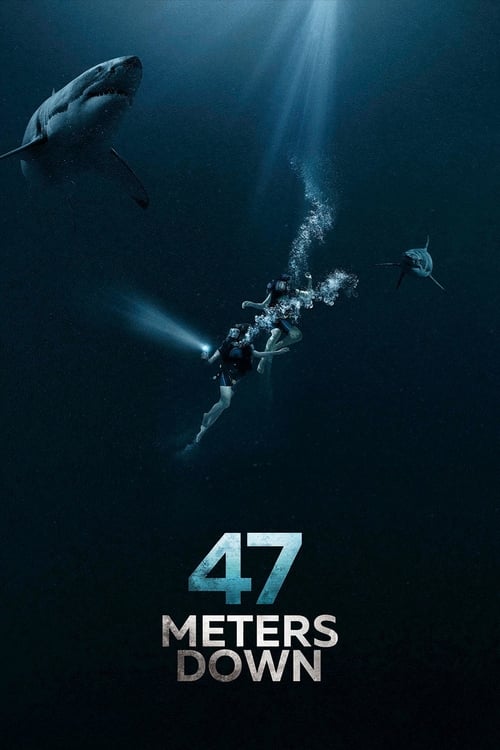
Lisa and Kate agree to a shark cage dive off the Mexican coast. The winch fails at depth.
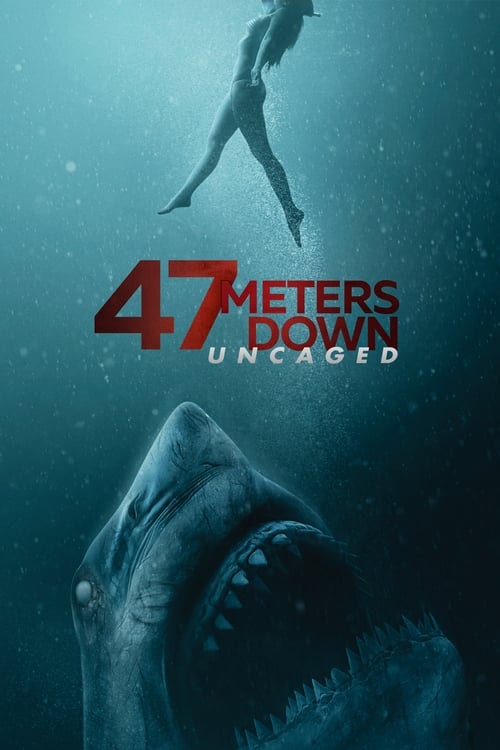
A group of girls follows a friend into an underwater cave network in the Bahamas and encounters creatures that have been living in the tunnels.
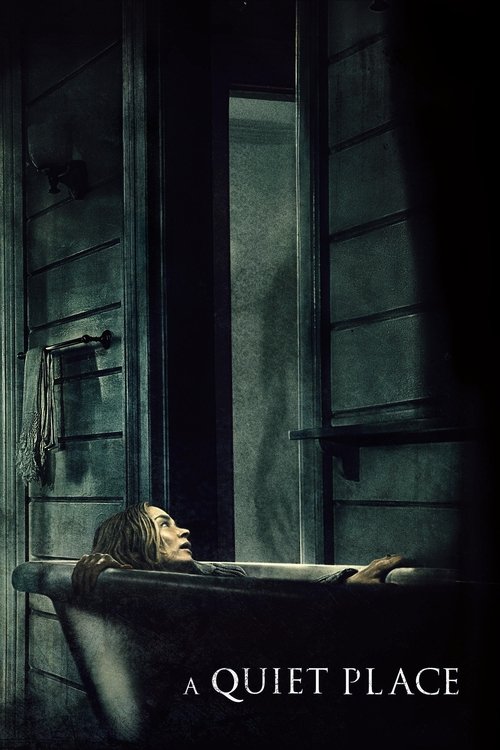
The Abbott family survives in a world where making any sound will get you killed. The film follows a crucial period in that survival.
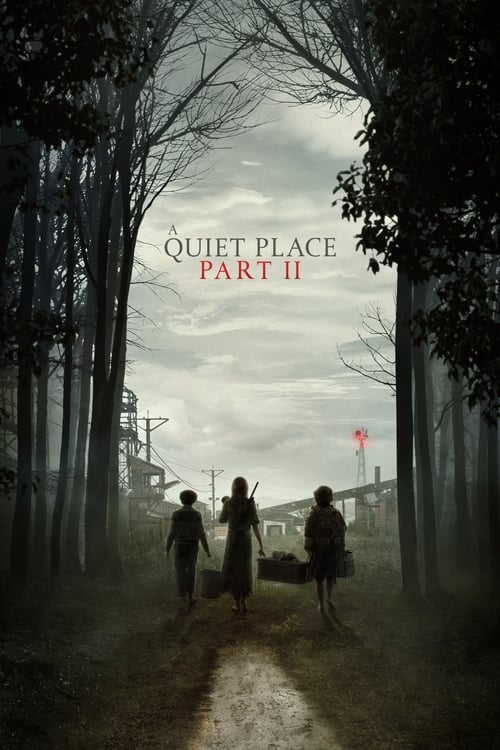
Evelyn Abbott and her children emerge from their fortified property and encounter Emmett and other survivors navigating the same sound restrictions.

Samira just wanted pizza and one last good day in New York. She got the invasion that started the whole franchise instead.
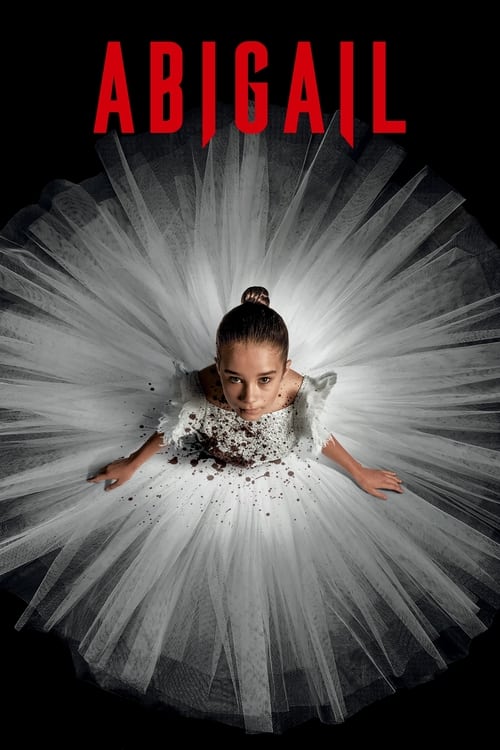
Abigail is taken as leverage by a crew hired to hold her for ransom overnight. The team discovers over the course of the night that their target is significantly more dangerous than they were briefed.
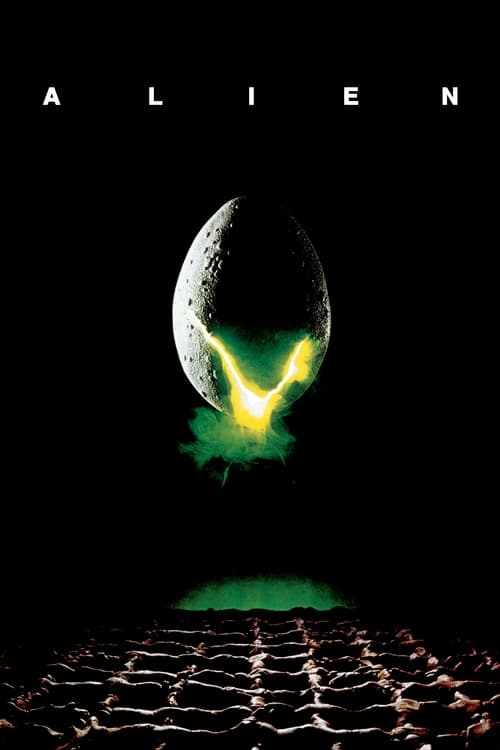
The commercial towing vessel Nostromo answers a distress signal on a distant moon. What the crew brings back aboard doesn't intend to leave.
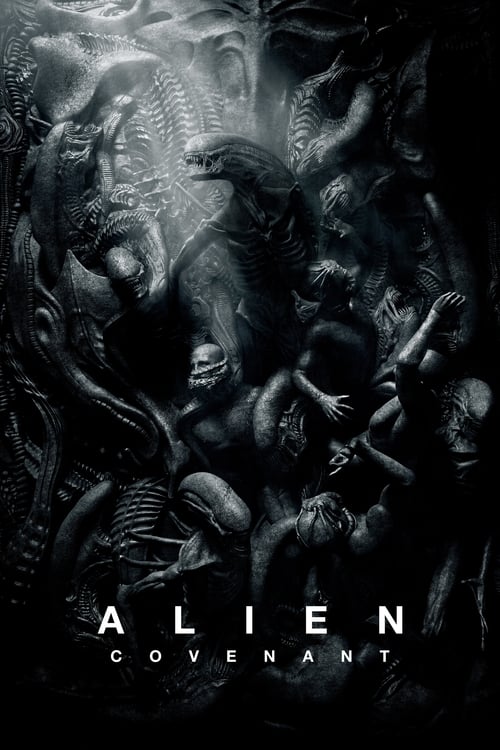
The Covenant colony ship detours to investigate a signal and finds a world that David, the android from Prometheus, has been using as a laboratory.
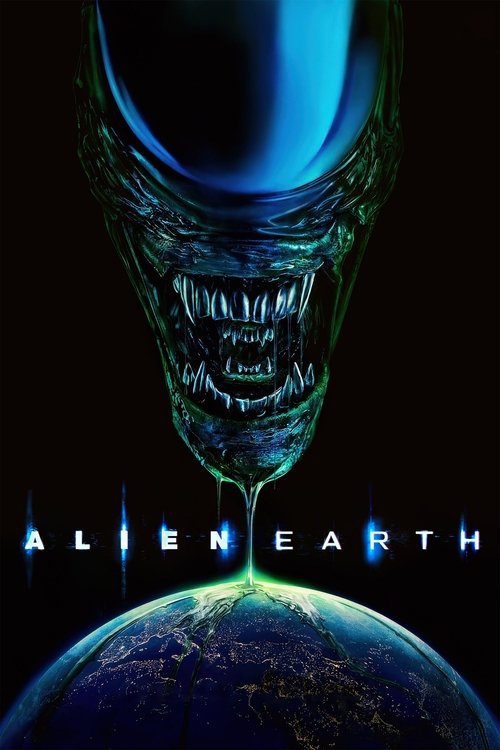
A crashed deep-space vessel brings something to Earth that a squad of soldiers and a young woman are completely unprepared for.
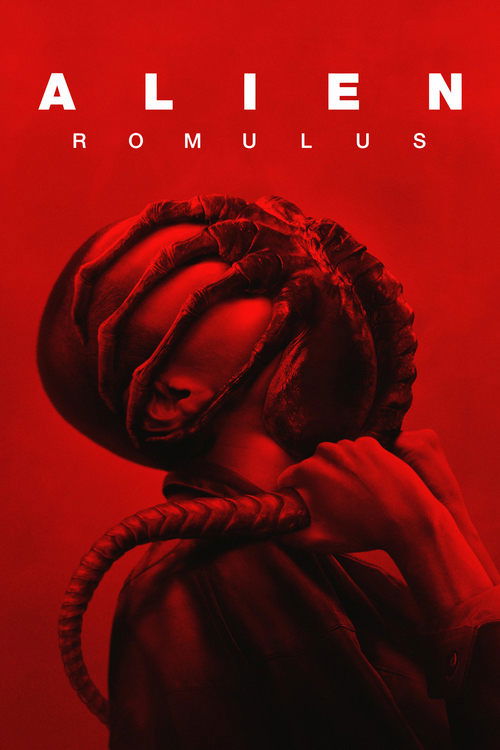
A young group of people scraping by in a post-Alien world boards the abandoned Romulus station looking for resources and activates a xenomorph situation their circumstances make harder to survive.
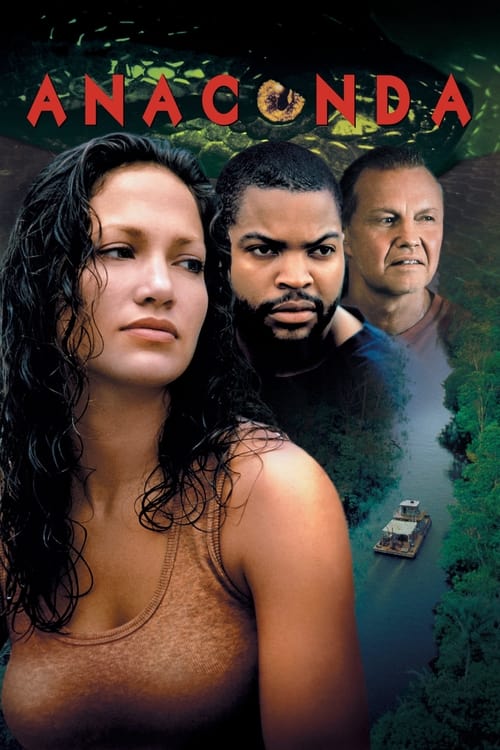
A documentary crew on the Amazon gets taken over by a hunter obsessed with capturing the largest anaconda ever recorded. He finds one.
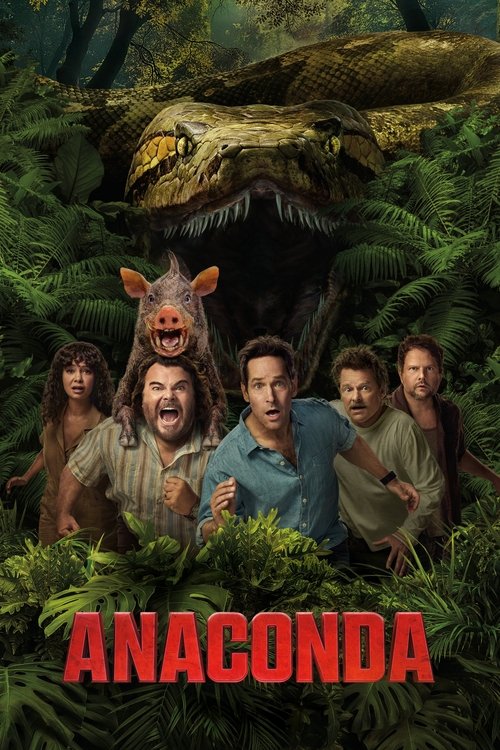
A new group enters anaconda territory in the 2025 installment and the franchise's commitment to creature feature mechanics is maintained.
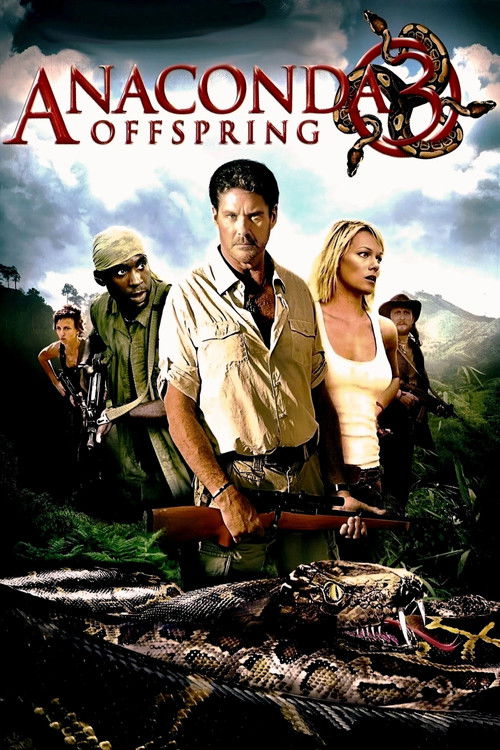
A billionaire funding illegal snake experiments wants his mutant anacondas captured alive, not killed. David Hasselhoff has other plans once they start eating people in Bucharest.
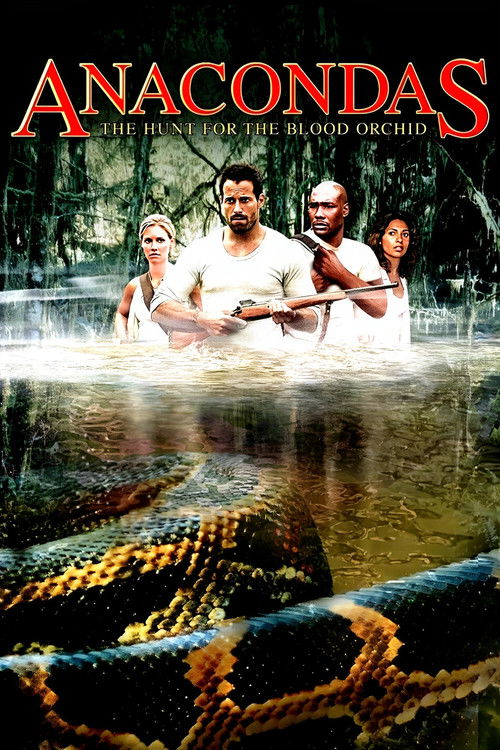
A pharmaceutical research team travels deep into Borneo searching for a flower rumored to extend life. The jungle has other priorities.
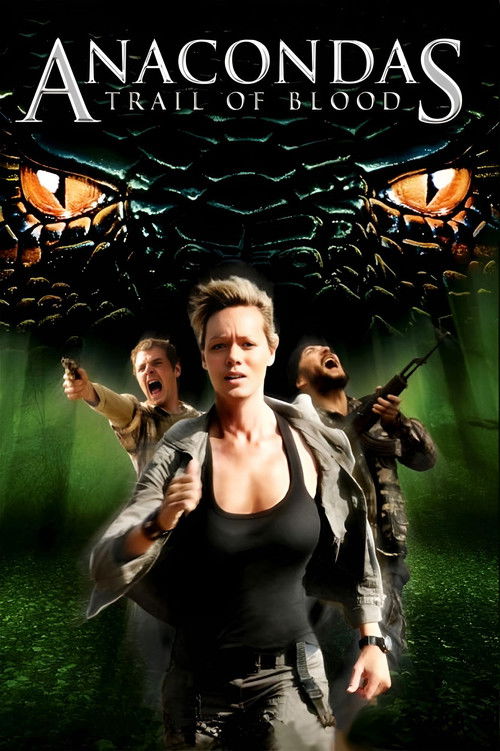
A blood anaconda pursues a small team through the Amazon jungle on a sample collection mission.
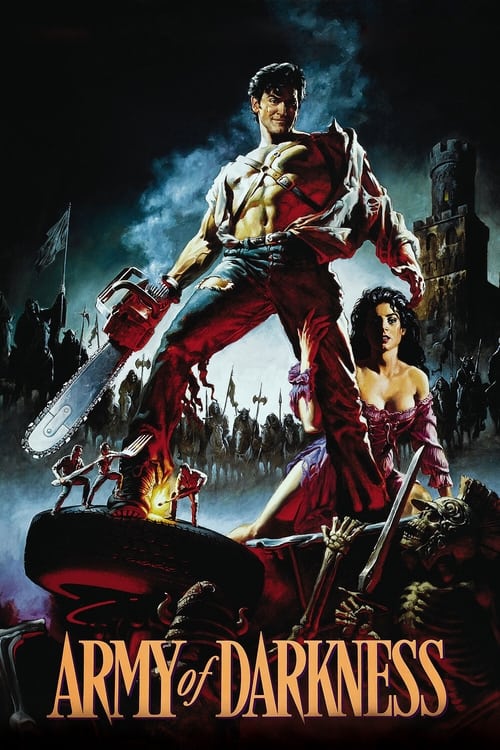
Ash Williams gets pulled through a time portal and ends up in medieval England, where he's expected to fight off an undead army with a chainsaw and a lot of attitude.
Tess and Keith arrive at a Detroit rental for a business trip and find an unexpected passageway in the basement.
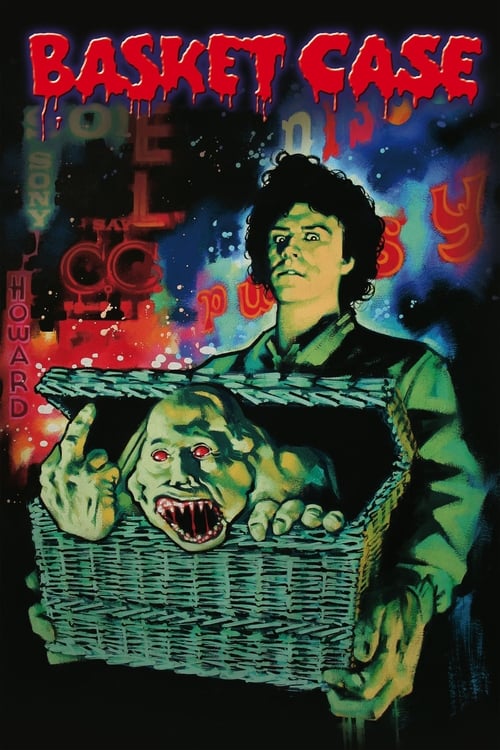
Duane Bradley checks into a Times Square hotel with a locked wicker basket containing his brother Belial, and together they have a list of people to visit. What's inside the basket is the plan.
Searching the complete Curated Horror Creature Features archive…
No matches found in the Curated Horror Creature Features collection. Try a broader title or keyword.
A creature feature is a horror subgenre where the central threat is a non-human monster: an animal, mutant, alien, engineered beast, or creature of unknown origin. The monster drives the plot rather than serving as a backdrop. Classic examples include Jaws (1975), Alien (1979), and The Thing (1982). The subgenre is broad enough to include kaiju films, body-horror hybrids, and eco-horror entries. HorroRated's Creature Features collection covers films where the creature is the reason to watch.
The best creature features do more than deliver a scary monster. They use the creature as a metaphor, build genuine dread around a reveal, and prioritize practical design over digital shortcuts. Films that combine a well-defined threat with character investment tend to hold up far longer than ones that lead with gore. Monster design, how long the creature is hidden, and whether the effects still work decades later are the three factors that separate a memorable creature feature from a forgettable one.
The terms are largely interchangeable, but "creature feature" traditionally emphasizes the creature as spectacle, rooted in the B-movie tradition of 1950s drive-in cinema. "Monster movie" is the broader umbrella, which includes supernatural entities like demons or ghosts that don't always qualify as creatures. Creature features specifically feature a physical, tangible threat with a body, a design, and a presence. Vampires and zombies are monster movie territory; the giant worm from Tremors or the xenomorph from Alien are creature features.
Both, depending on the film and the viewer. Entries like The Thing and Annihilation are built around sustained dread and existential horror. Others, like Tremors or Slither, lean into genre self-awareness and deliver tension alongside genuine laughs. The creature feature is one of the few horror subgenres where tone varies this widely, which makes curation important. Knowing whether a film leans frightening or fun before you sit down changes the experience considerably.
Several strong creature features get overlooked because they didn't land a wide theatrical release or got buried in streaming libraries. Leviathan (1989), The Host (2006), Grabbers (2012), Bone Tomahawk (2015), and Howl (2015) are all worth tracking down. Practical effects work often distinguishes the underrated entries from the forgotten ones. HorroRated's Creature Features collection specifically focuses on titles that hold up on craft, not just notoriety.
HorroRated selects creature feature entries based on editorial review, not streaming availability or popularity metrics. Each film is assessed for monster design, narrative craft, effects work, and whether it brings something distinct to the subgenre. The collection includes overlooked titles alongside better-known entries, with ratings on HorroRated's 0-to-5 scale to signal which ones are genuinely worth your time versus which ones are completionist viewing only.
Creature features frequently overlap with found footage horror (the creature's reveal is more effective when the camera is limited), body horror (especially when the creature transforms or merges with a human host), sci-fi horror (alien creatures, lab experiments, genetic mutations), and eco-horror (nature striking back). Films like The Fly, The Descent, and Annihilation sit across multiple subgenres but lead with creature-driven horror. Knowing where a film sits within that overlap helps set expectations before watching.
Skip the algorithmic recommendation feeds, which prioritize trending titles over lasting craft. The most reliable method is a hand-curated archive with editorial verdicts, where each entry has been reviewed individually. Genre communities on forums like Reddit's r/horror are useful for surfacing obscure titles, but tend to favor personal taste over consistent evaluation criteria. HorroRated's Creature Features collection exists specifically to fill that gap: every entry has a written verdict and a rating so you know exactly what you're walking into.