
A Nightmare on Elm Street (1984)
1984 · MovieTeenagers on Elm Street are sharing nightmares about a burned man with knives for fingers. When the deaths start, one of them has to stay awake long enough to figure out how to stop him.
Wes Craven. John Carpenter. Kevin Williamson. The slasher genre has a lineage worth knowing. These curated horror slashers cover the full arc, the originals that set the rules, the sequels that broke them, and the modern entries that proved the genre still has teeth.
Teenagers on Elm Street are sharing nightmares about a burned man with knives for fingers. When the deaths start, one of them has to stay awake long enough to figure out how to stop him.
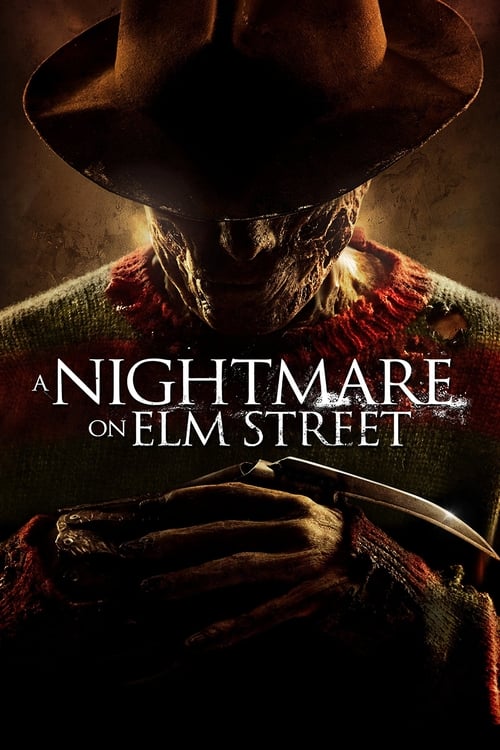
Freddy Krueger stalks a new group of Elm Street teenagers in a remake that revisits the original's premise without its invention.
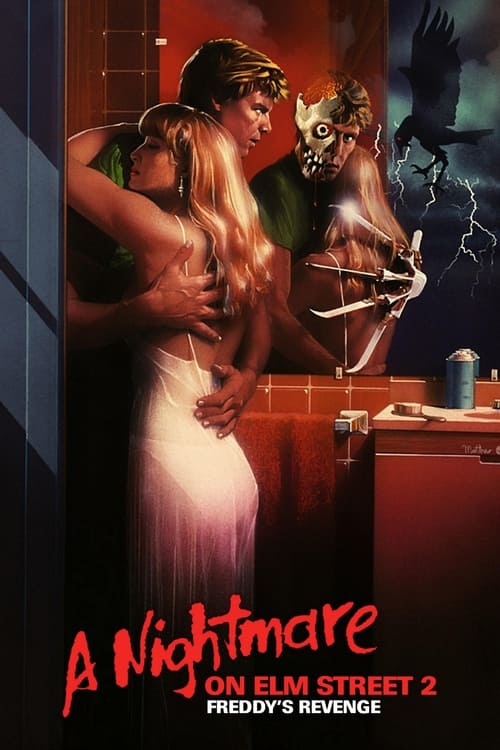
Jesse Walsh moves into Nancy Thompson's old house five years after the original nightmare ended. Freddy Krueger wants inside him, not just inside his dreams.
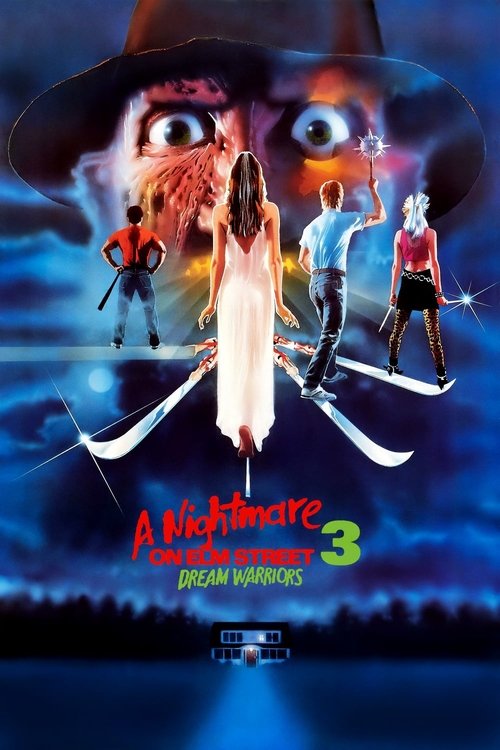
The last surviving kids of Elm Street are locked in a psychiatric hospital, dismissed as troubled teenagers. Nancy Thompson knows better, and she's come back to teach them how to fight Freddy in the only place he can actually be beaten.
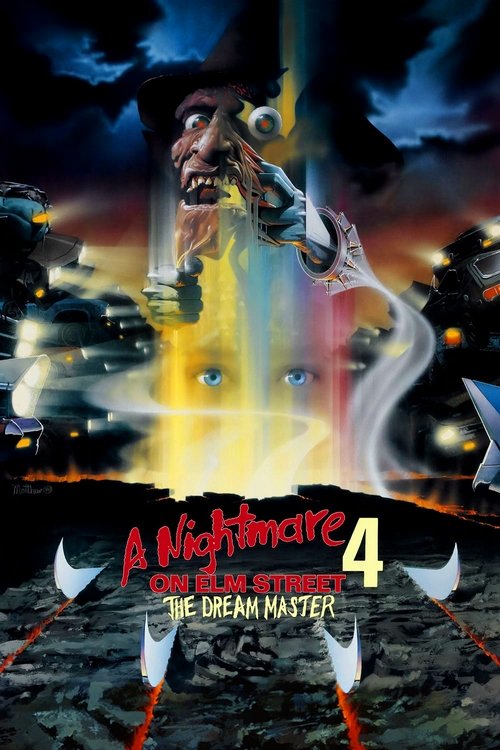
Freddy has been pulled back through a new group of teenagers. One of them figures out she can take something from him when she returns from the dream.
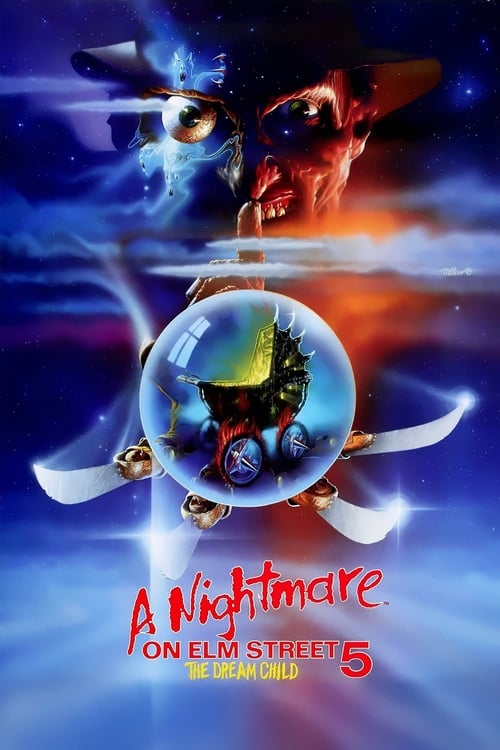
Alice is pregnant and Freddy has found a route into the waking world through her unborn child. Another group of her friends begins dying.
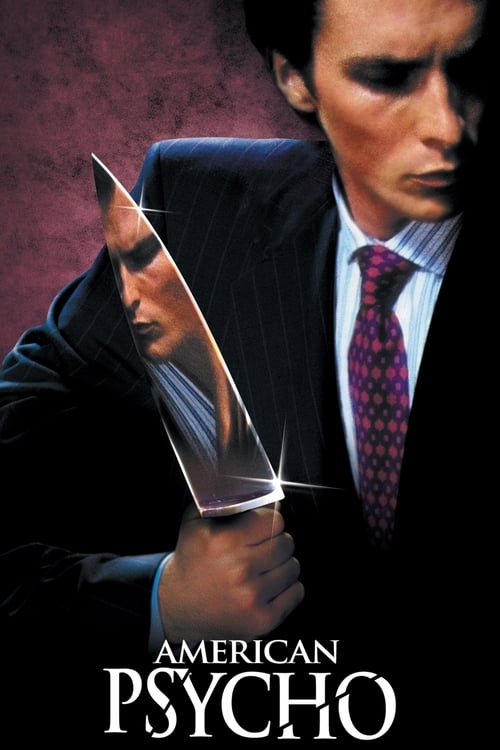
Patrick Bateman is a wealthy Manhattan investment banker in 1987 with a very precise skincare routine, an obsession with business cards, and a body count he may or may not be imagining.
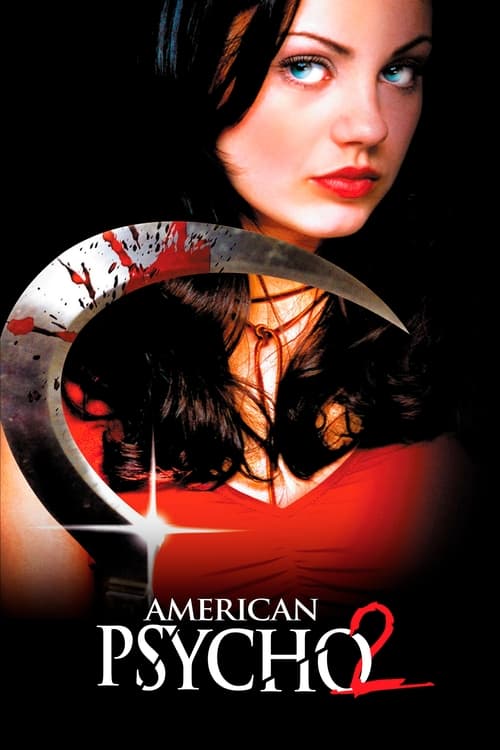
A criminology student who survived a childhood encounter with Patrick Bateman has been methodically clearing her path to a teaching assistant position ever since.

A devil-worshiping woman sends her four beautiful nieces out to lure men back to her farm, where they're butchered and baked into the town's favorite meat pies.
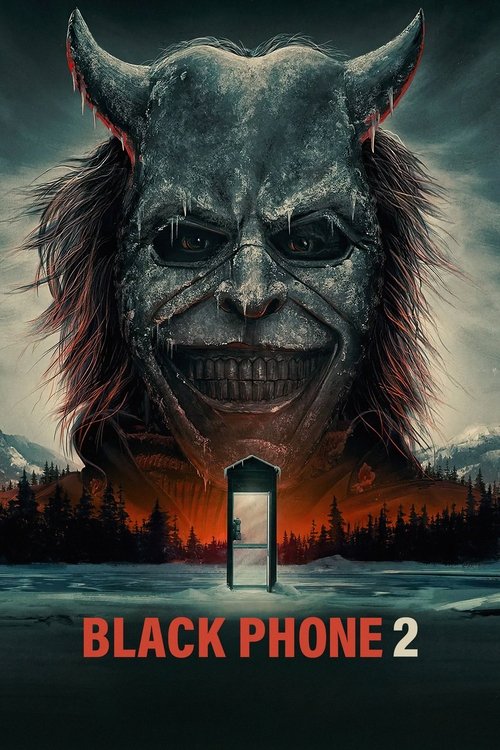
The supernatural telephone mythology extends into a new setting with a new Grabber while connecting back to the original film's characters.

Chucky gets reassembled by an old associate who ends up transferred into a matching doll. The two of them take over a road trip and leave a trail behind them.
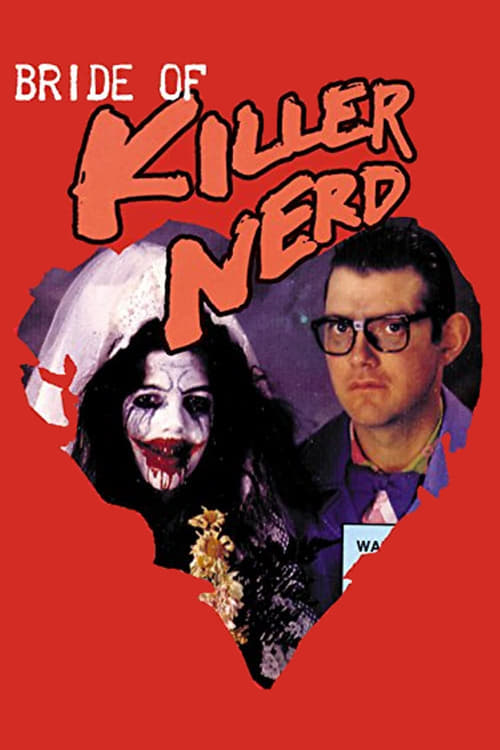
Harold Kunkle has relocated and found a girlfriend, another bullied outcast named Thelma who catches feelings for him at church. Their new romance sets off a shared killing spree once high school bullies humiliate them together at a party.
Santa has an IP address. You tracked it down and you're heading to his lair to take what's rightfully yours.
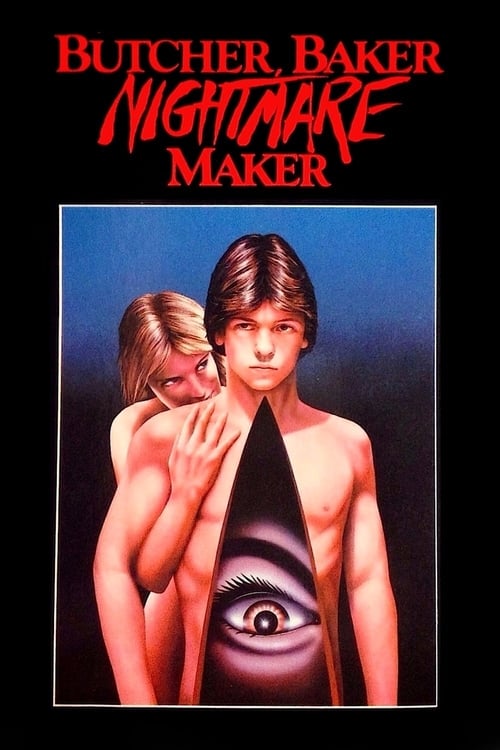
Billy Lynch has grown up under the total control of the aunt who raised him and she has no intention of letting him leave. When she kills a man in their kitchen, the investigation that follows exposes something much darker than anyone expected.

A teacher investigating a family secret in New Orleans finds it connected to the same legend her brother died trying to debunk.
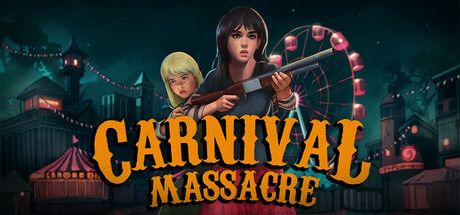
Harley has been having nightmares about her missing little sister. She heads to a cursed theme park to find her and faces horrors worse than anything her nightmares showed her.
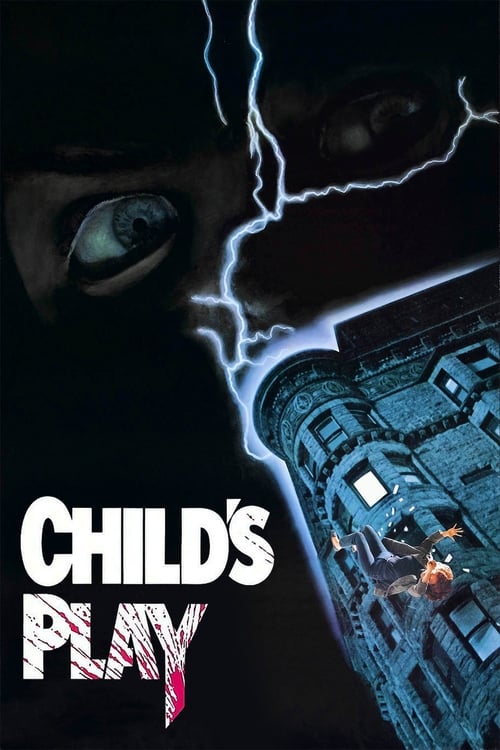
Karen Barclay finds a way to get her son Andy the Good Guy doll he wants, not knowing what the seller was actually carrying.
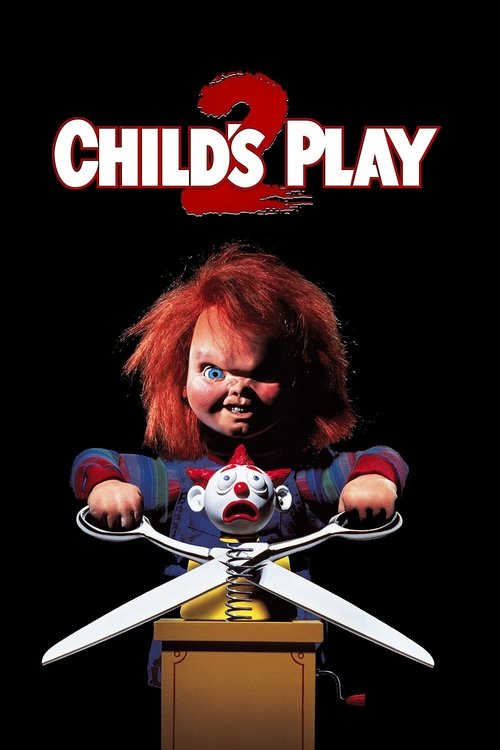
Andy Barclay is in foster care. Chucky has been rebuilt from salvaged material and knows exactly where Andy is.
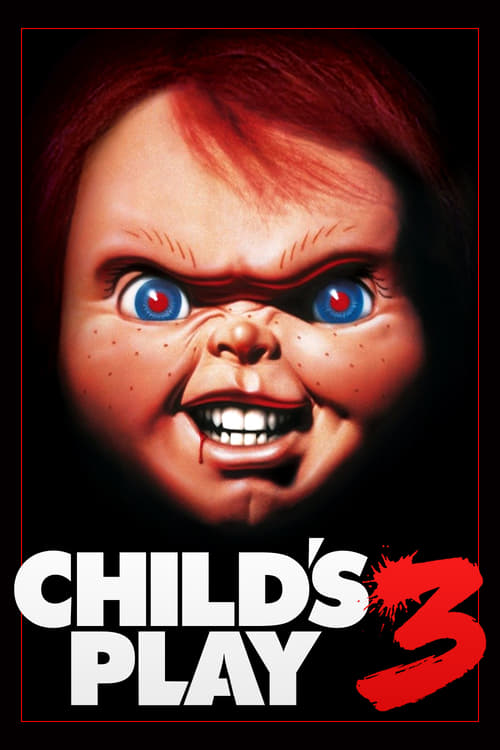
Andy Barclay is older and enrolled in military school. Chucky has been shipped to the same campus.
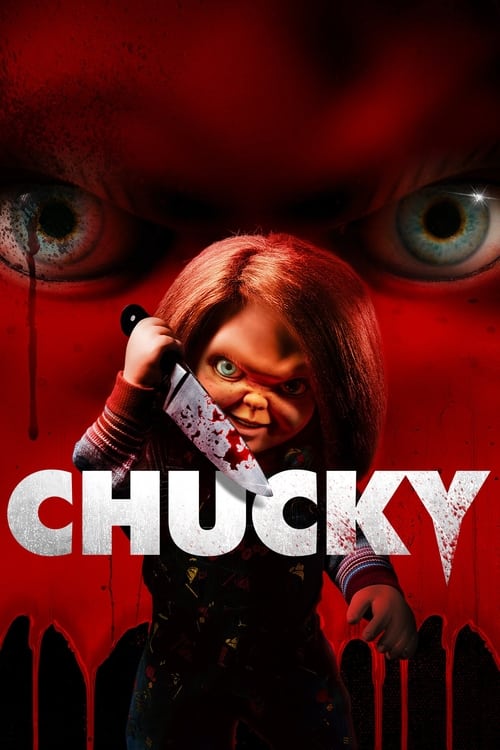
A vintage Chucky doll turns up at a suburban yard sale and a small American town starts coming apart at the seams.
Searching the complete Curated Horror Slashers archive…
No matches found in the Curated Horror Slashers collection. Try a broader title or keyword.
A slasher film is a horror subgenre where a killer, usually masked or anonymous, stalks and murders a group of people, most often with bladed weapons. The genre has roots in Italian giallo films from the 1960s and early psychological thrillers like Psycho (1960). It hit its peak between 1978 and 1984, a period known as the Golden Age of slashers, defined by films like Halloween and Friday the 13th. Slashers differ from splatter films, supernatural horror, and monster movies in their focus on a human (or formerly human) killer with a consistent signature. The subgenre has gone through multiple waves, from the '70s originals to the self-aware '90s revival to modern neo-slashers.
The best slasher films do more than rack up a body count. What separates a genuinely good slasher from filler is atmosphere, a killer with presence, and at least some tension in the chase. Strong practical effects, a memorable location, and a final girl with actual agency all make a difference. Plenty of slashers lean too hard on formula and coast on genre expectations. The ones that hold up usually have a specific craft element worth noticing, whether that's Tom Savini's makeup work, a filmmaker taking giallo influence seriously, or a screenplay that actually earns its kills.
Giallo is an Italian subgenre that blends murder mystery with stylized horror, and it directly shaped the American slasher. Where American slashers tend to center on a masked killer targeting a group, giallo films are usually more focused on the whodunit, with an unknown gloved killer, elaborate death sequences, and a strong visual style. Directors like Mario Bava and Dario Argento defined giallo through films like A Bay of Blood and Tenebrae. Many slasher hallmarks, including the POV killer cam and graphic kill setpieces, trace back to giallo. The two genres overlap enough that some films qualify as both.
HorroRated hand-picks every slasher in the collection based on what the film actually delivers, not how well-known it is. Each entry is reviewed and scored on a 0-5 scale, with the collection favoring titles that have a clear reason to exist: strong practical effects, a distinctive killer, craft worth recognizing, or cult status earned over time. The goal isn't to build an exhaustive list of every slasher ever made. It's to give horror fans a reliable path through the subgenre, from the classics to the overlooked films that deserved better.
Yes, and that's where a lot of the interesting work lives. Films like The Prowler (1981), Intruder (1989), Tourist Trap (1979), and Hell Night (1981) came out during the golden age and never got the attention the major franchises did, but they have serious craft behind them. The direct-to-video era of the '80s also produced overlooked slashers that horror fans with a tolerance for rough edges tend to appreciate. Meta-slashers like Behind the Mask: The Rise of Leslie Vernon show what the subgenre can do when filmmakers actually think about it. The popular franchises are a starting point, not the whole picture.
Most horror fans and critics point to the late 1970s through the mid-1980s as the strongest period for slashers. That window gave us Halloween, Friday the 13th, The Texas Chain Saw Massacre, Black Christmas, The Burning, and dozens of lesser-known entries that shaped the genre's DNA. The '90s revival brought a self-referential streak through Scream and its follow-ups, which reinvented the formula without abandoning it. Modern slashers like Ti West's X have shown the subgenre still has room to grow. Each era has a distinct personality, and the right starting point depends on what you're after.