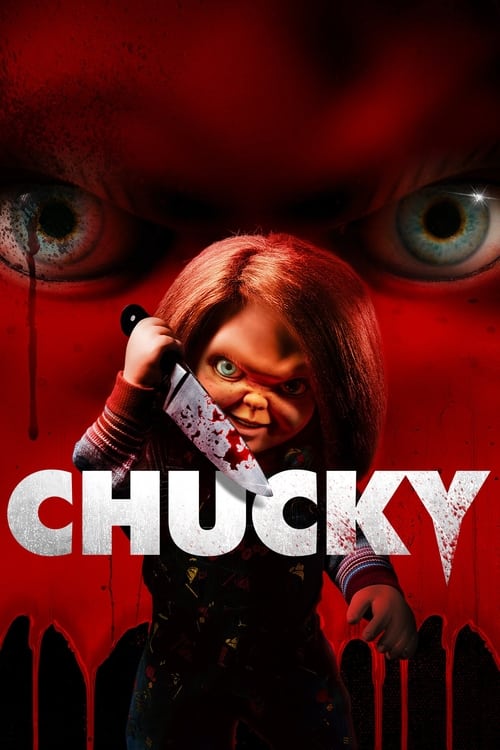
Chucky
2021 · TVA vintage Chucky doll turns up at a suburban yard sale and a small American town starts coming apart at the seams.
Manicured lawns. Good school districts. Neighbors who wave from the driveway. Curated suburban horror has always understood that the most unsettling place to set a horror film is somewhere that was specifically designed to feel safe. The cul-de-sac has a long history of hiding things.
A vintage Chucky doll turns up at a suburban yard sale and a small American town starts coming apart at the seams.
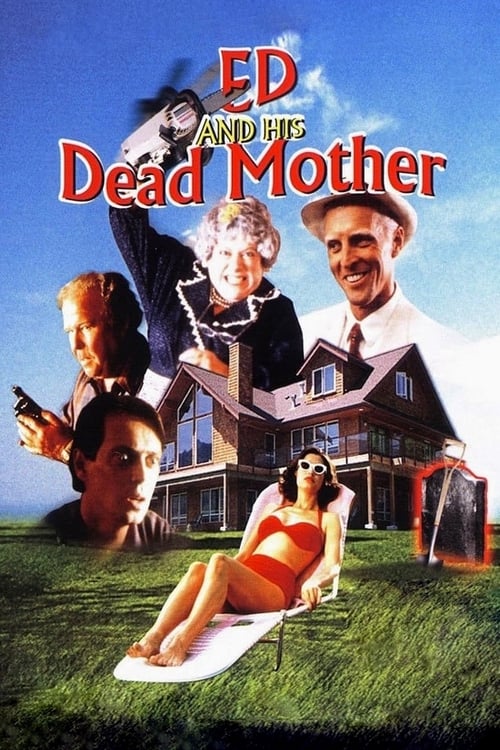
Ed Chilton misses his mother badly enough to pay a mysterious salesman to bring her back. She comes back hungry.
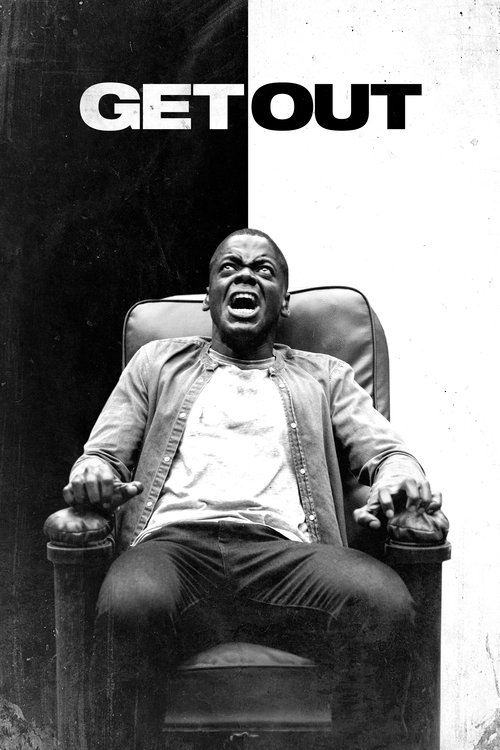
Chris meets his white girlfriend's family for the first time at their secluded estate. Everyone is warm, welcoming, and hiding something that goes far beyond ordinary awkwardness.

Young Michael Laemle suspects his parents' 1950s suburban normalcy is a cover for something much darker. The leftovers are the clue.
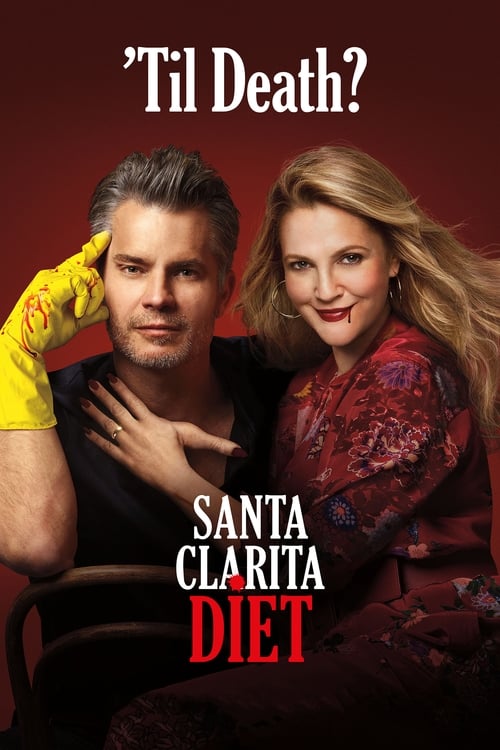
Suburban realtors Sheila and Joel Hammond hit a rough patch when Sheila undergoes a dramatic transformation that leaves her craving raw meat and, eventually, human flesh.
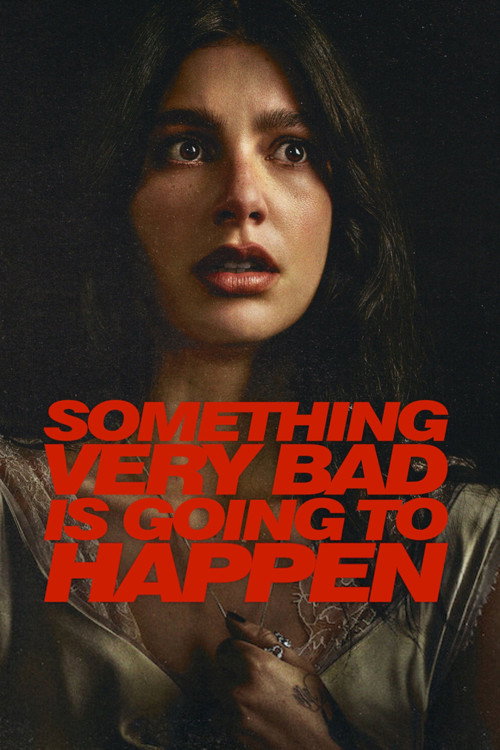
A bride can't shake an overwhelming dread that something terrible is going to happen at her wedding. The closer the day gets, the worse it becomes.
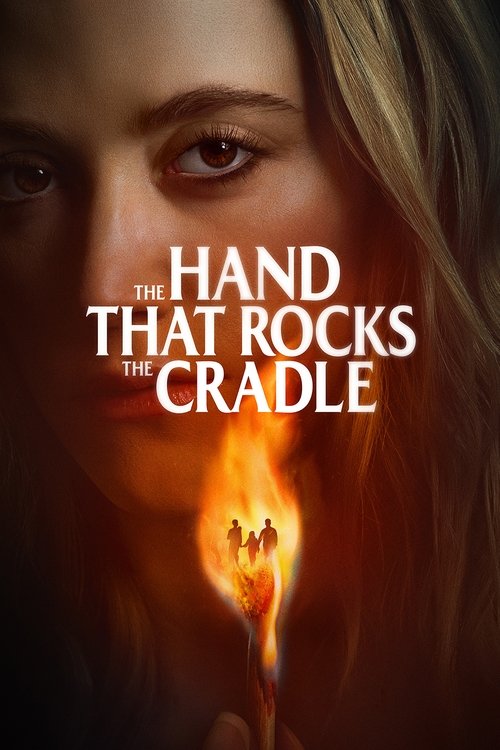
The Hand That Rocks the Cradle 2025 revisits the nanny-thriller premise with a contemporary understanding of what the dynamics at its center actually mean.
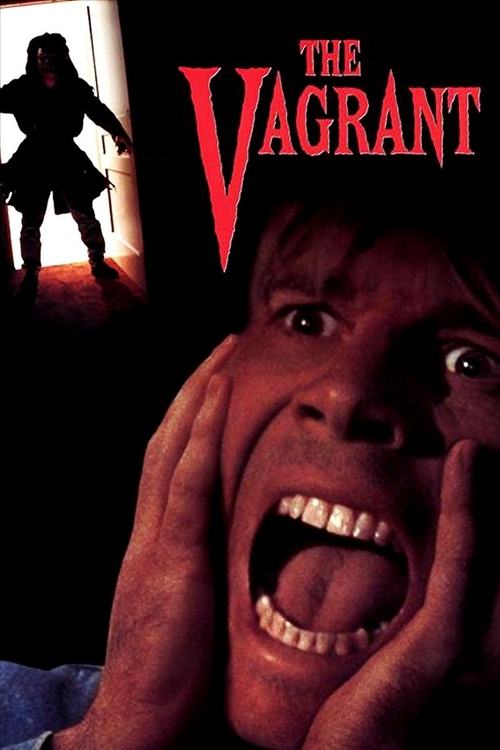
Graham finally buys the house of his yuppie dreams and discovers a homeless man has claimed squatter's rights on the property. His attempt to get rid of the vagrant unravels his entire life instead.
Searching the complete Curated Suburban Horror archive…
No matches found in the Curated Suburban Horror collection. Try a broader title or keyword.
Suburban horror is a subgenre set in ordinary residential neighborhoods, where the danger comes from within the familiar rather than from some faraway place. The core tension is contrast: manicured lawns, quiet streets, and cookie-cutter houses against killers, cults, and things lurking just out of sight. What makes it work is the "it could happen to you" factor. The suburbs aren't supposed to have monsters, which is exactly why horror thrives there.
Most horror relocates the threat to somewhere remote or unfamiliar. Suburban horror does the opposite: it plants the threat right next door. Rural horror uses isolation; urban horror uses chaos; suburban horror uses conformity and false safety as the weapon. The setting implies control and order, so when something goes wrong, it feels like a specific kind of betrayal. That duality between appearance and reality is what keeps the subgenre distinct.
The anchors of the subgenre are Halloween (1978), Poltergeist (1982), A Nightmare on Elm Street (1984), The Stepford Wives, and Get Out (2017). These films defined the subgenre across different eras and showed how suburban horror can carry real social weight alongside the scares. More recent entries like Vivarium and Weapons have pushed it into stranger, more experimental territory. HorroRated has a full collection of scored entries if you want a curated path through it.
A few themes appear across the subgenre repeatedly: conformity as a form of violence, secrets hidden by respectable appearances, outsiders being rejected or destroyed, and the horror of fitting in too well. Cannibalism, body horror, and social control show up more than you'd expect given the tidy settings. The suburbs work as a backdrop precisely because they're designed to project safety and normality, which gives filmmakers something worth dismantling.
Plenty. Ginger Snaps (2000) is one of the strongest werewolf films ever made and uses its Canadian suburb to devastating effect. Fright Night (both the 1985 original and the 2011 remake) treats the neighborhood as a genuinely claustrophobic trap. Parents (1989) takes 1950s suburbia and turns it into something quietly disturbing. These are the kind of films HorroRated specifically looks for: well-crafted, underappreciated, and with a clear reason to watch beyond just "it's horror."
Suburban horror has always doubled as social criticism. The Stepford Wives used it to critique the suppression of women. Get Out used it to examine racial dynamics underneath polite white liberalism. Poltergeist wrapped its scares around suburban greed and the erasure of the dead. The setting invites this kind of reading because suburbs were built around a specific American ideal, and horror is a direct way to interrogate what that ideal costs and who it excludes.
Suburban gothic leans harder into atmosphere, dread, and psychological unease, with closer ties to gothic literature's interest in family secrets, repression, and decay beneath respectable surfaces. Suburban horror is a broader term that includes slashers, creature features, and supernatural threats set in neighborhood environments. There's significant overlap, but suburban gothic tends to be slower-burning and more interested in rot from within, while suburban horror can be more outwardly violent. Both are worth your time depending on the mood you're after.