
What Is Giallo? Italy's Stylish Murder Thrillers Explained
Giallo (plural gialli) is the Italian murder thriller that peaked in the 1970s: a stylish, violent whodunit in which a hidden, black-gloved killer picks off the cast while an amateur sleuth tries to work out who it is. The word means "yellow" in Italian, after the yellow-covered mystery paperbacks the films grew out of. Its staged murders and killer's-eye camera fed straight into the American slasher movies it inspired.
Also known as: gialli (the plural); Italian murder thrillers. In Italy, "un giallo" is any crime or mystery story, Italian or not.
On this page
Got a question or a horror pick for us?
Contact HorroRatedKey Takeaways
- Giallo is Italian for "yellow," after the yellow-jacketed detective novels Mondadori began publishing in 1929.
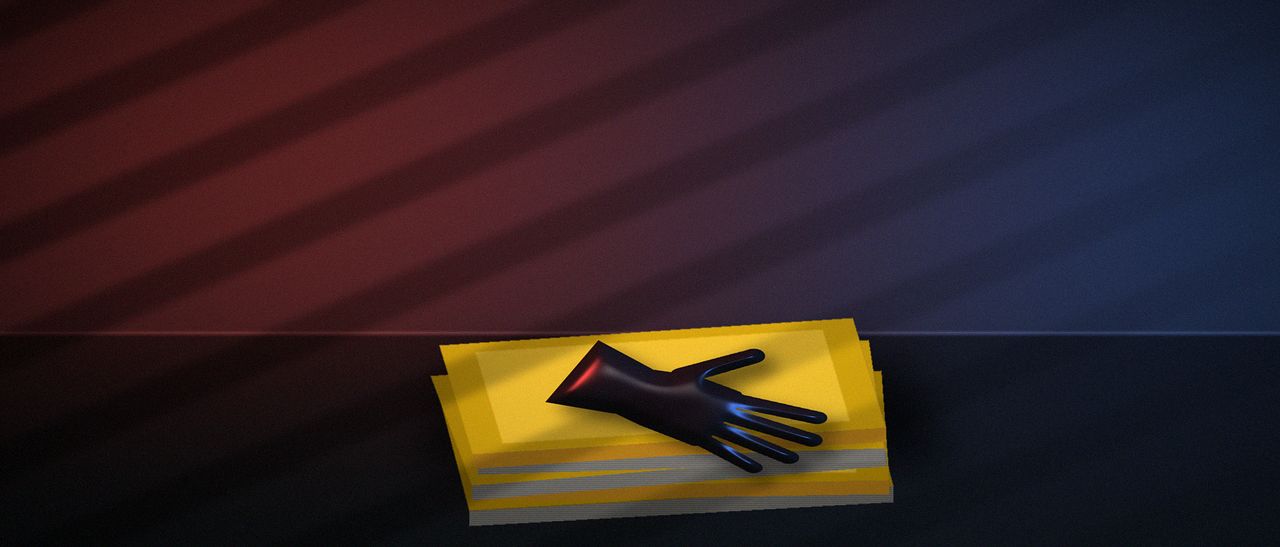
- On screen it means a stylish Italian murder mystery: a hidden killer in black gloves, elaborate murders, an amateur detective, bold color and a haunting score.
- Mario Bava started it in 1963 or 1964, depending on whom you ask, and Dario Argento's first film in 1970 set off the boom that made the 1970s its heyday.
- Gialli helped shape the American slasher, and filmmakers from Edgar Wright to James Wan still borrow the look.
- HorroRated's archive now holds nine classic gialli, led by Lucio Fulci's A Lizard in a Woman's Skin (1971), rated Legendary.
Why Is It Called Giallo?
Because of a book cover. In 1929, the publisher Mondadori launched its Libri Gialli, a line of translated detective novels whose authors came to include Agatha Christie and Raymond Chandler. Their yellow jackets made "giallo" Italian shorthand for a mystery story.
In Italy the word still covers any crime story from any country. Elsewhere, film fans use it only for the stylish, bloody Italian murder thrillers of the 1960s and 1970s, films built like detective stories and felt like horror. HorroRated's guide to how horror differs from a thriller explains where that line usually falls.
What Makes a Film a Giallo?
A murder mystery shot like a horror film. There's no official rulebook, and fans argue about the edges, but most gialli share the same handful of ingredients.
The giallo checklist
| Ingredient | What you'll see on screen |
|---|---|
| A whodunit | A string of murders and a mystery the audience tries to solve alongside the hero |
| An amateur sleuth | A witness, a tourist or a writer doing the detective work, not the police |
| A hidden killer | Black gloves, a dark coat and hat, the face kept out of sight until the end |
| Staged murders | Long, elaborate killings filmed as the movie's showpieces |
| Bold style | Saturated color, high fashion and striking sets, often with an Ennio Morricone score |
| A riddle of a title | Long, poetic names such as What Have You Done to Solange? (1972) |
Purists add two rules: a giallo has to be Italian, and its horror stays human, a killer with a motive and a face waiting to be revealed. One famous film tests the second rule.
Is Suspiria a Giallo?
It's the most argued-over case. Dario Argento made his name with gialli, and Suspiria (1977) has the look: saturated color, elaborate murders and a pounding Goblin score. But it leans on the supernatural in a way other gialli don't, so many fans file it as Italian supernatural horror with giallo style. HorroRated rates Argento's dance-academy nightmare Legendary and says its color is "not decoration but pure horror technique."
Where Did Giallo Films Come From?
From Mario Bava's camera, then Dario Argento's. Bava, a former cinematographer, had already directed his gothic debut, Black Sunday (1960), rated Highly Recommended. He followed it with The Girl Who Knew Too Much (1963), a playful tribute to Hitchcock, and Blood and Black Lace (1964), whose fashion-house murders, black gloves and eye-popping color set the template.
The boom came six years later. Argento, a former film critic, made his directing debut with The Bird with the Crystal Plumage (1970), about an American writer in Rome who witnesses an attack, and its success set off an explosion of gialli. The films that followed ranged from Lucio Fulci's A Lizard in a Woman's Skin (1971) to Massimo Dallamano's What Have You Done to Solange? (1972).
What Was the First Giallo Film?
It depends on what you count. The BFI calls The Girl Who Knew Too Much (1963) the genre's earliest example, though it plays closer to a comedy-thriller. Others date the giallo to Blood and Black Lace (1964), the first film with every piece in place.
Did Giallo Lead to the Slasher?
It was one of the biggest steps. Bava's A Bay of Blood (1971) was, in the BFI's words, "another key stepping stone to the American slasher." HorroRated's search for the first slasher movie traces how the Italian films built the machine Hollywood ran with.
Which Giallo Films Are Worth Watching?
Nine classic gialli are now in HorroRated's archive, along with modern films that carry the style forward. Verdicts are from the live entries, and no line gives away a killer.
- Blood and Black Lace (1964), Highly Recommended. Mario Bava's fashion-house murders gave the genre its gloved, faceless killer, and the entry says "color does the scaring here." Content note: brutal murders of women.
- The Bird with the Crystal Plumage (1970), Highly Recommended. Dario Argento's first film traps its hero behind a gallery's glass as a woman is attacked, and the BFI calls it the best place to start with giallo.
- A Lizard in a Woman's Skin (1971), Legendary, HorroRated Pick. Lucio Fulci's swinging-London nightmare blurs dream and memory until no image can be trusted. Content note: realistic fake animal mutilation.
- Deep Red (1975), Highly Recommended. Argento's Turin-shot mystery sends a jazz pianist after a psychic's killer, to the sound of Goblin's creeping score.
- Alice, Sweet Alice (1976), Legendary, HorroRated Pick. Alfred Sole's Catholic-set mystery sends a killer in a child's yellow slicker through a New Jersey parish, and HorroRated calls it "a key American proto-slasher with the stylish, bloody mystery of an Italian giallo." Content note: a child is killed early in the film.
- Last Night in Soho (2021), Highly Recommended. In a 1960s Soho dream turned nightmare, a fashion student's dreams pull her into the London of the 1960s. The BFI counted Edgar Wright's film among those proving giallo's influence "is alive, well and stalking our screens."
Related Resources
- Classic horror movie tropes and why they work
- Guadagnino's Suspiria (2018) remake
- What makes a final girl in a slasher
Want more hidden killers and the people hunting them? HorroRated's serial killer shelf holds 82 films and series, from Black Christmas (1974) to Halloween (1978).
Frequently Asked Questions About Giallo
What does giallo mean?
Giallo is the Italian word for "yellow," and its plural is gialli. Italians call any mystery or crime story a giallo, after the yellow-covered detective novels Mondadori began publishing in 1929. In English, the word names the stylish Italian murder thrillers of the 1960s and 1970s.
Is giallo horror or a thriller?
Both. Gialli are built like mystery thrillers, with a killer to unmask and a detective, usually an amateur, chasing clues. Their violence, style and dread are pure horror, which is why fans outside Italy shelve them with horror films and why they helped shape the American slasher.
Why do giallo killers wear black gloves?
The gloves hide the killer's identity, right down to their hands, so anyone in the cast could be guilty. Close-ups of a gloved hand let the camera show the murders without giving away a face. The look goes back to Mario Bava's Blood and Black Lace (1964), whose killer wears a trench coat, black gloves and a fedora.
Are there American giallo films?
Purists say a giallo has to be Italian, but American filmmakers borrowed the formula early. HorroRated calls Alfred Sole's Alice, Sweet Alice (1976) a key American proto-slasher with the stylish, bloody mystery of an Italian giallo. Recent American films such as Malignant (2021) and MaXXXine (2024) pay open tribute to the style.
What is neo-giallo?
Neo-giallo is the label for modern films that borrow the giallo's look and mystery, often while rethinking how the originals treated women. The BFI's list of examples includes Knife + Heart (2018), In Fabric (2018), Censor (2021) and Edgar Wright's Last Night in Soho (2021).
Where should I start with giallo films?
The BFI's beginner's guide picks Dario Argento's The Bird with the Crystal Plumage (1970) as the best place to start: an American writer in Rome witnesses an attack and turns detective. It's in HorroRated's archive, rated Highly Recommended, along with eight more classic gialli from Blood and Black Lace (1964) to Tenebre (1982).