Alfred Hitchcock Presents
1955 · TVHitchcock hosts a weekly anthology of moral tales where respectable people make terrible choices and the endings rarely spare them.
What makes these films work isn't the body count. It's the methodology, the psychology, the unsettling competence of someone who has made violence into a practice. Curated serial killer horror gets inside that headspace without flinching. Some of these films are harder to shake than any supernatural entry on this site.
Hitchcock hosts a weekly anthology of moral tales where respectable people make terrible choices and the endings rarely spare them.
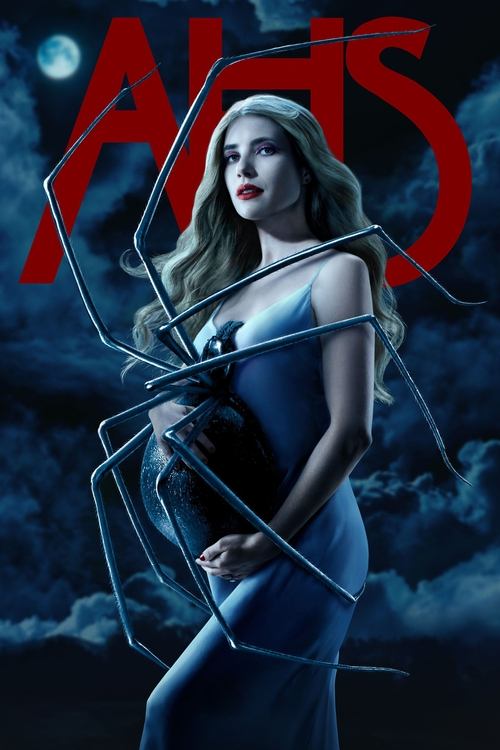
Every season brings a new cast, a new horror setting, and a completely different story. Murder House, Asylum, Coven. No two seasons share anything but the ambition.
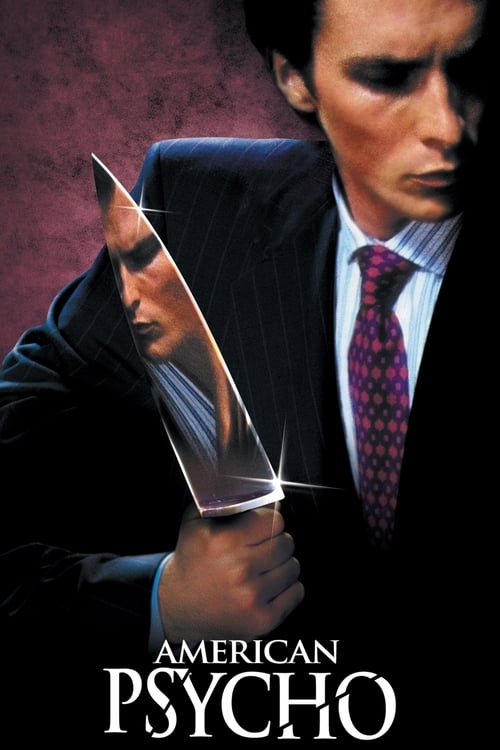
Patrick Bateman is a wealthy Manhattan investment banker in 1987 with a very precise skincare routine, an obsession with business cards, and a body count he may or may not be imagining.
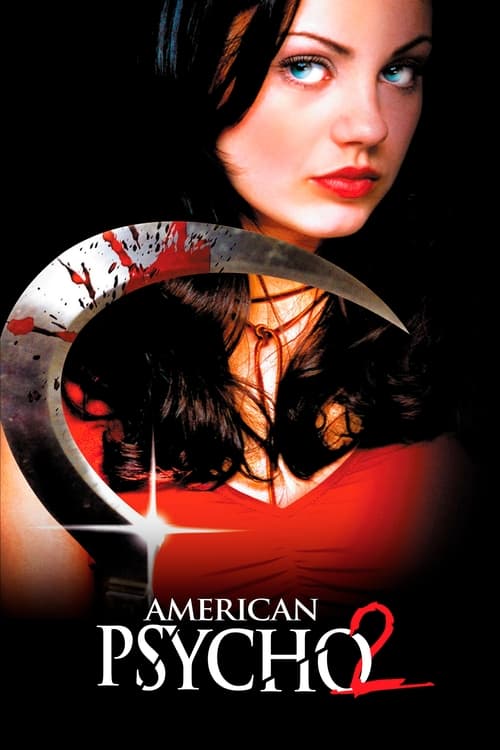
A criminology student who survived a childhood encounter with Patrick Bateman has been methodically clearing her path to a teaching assistant position ever since.
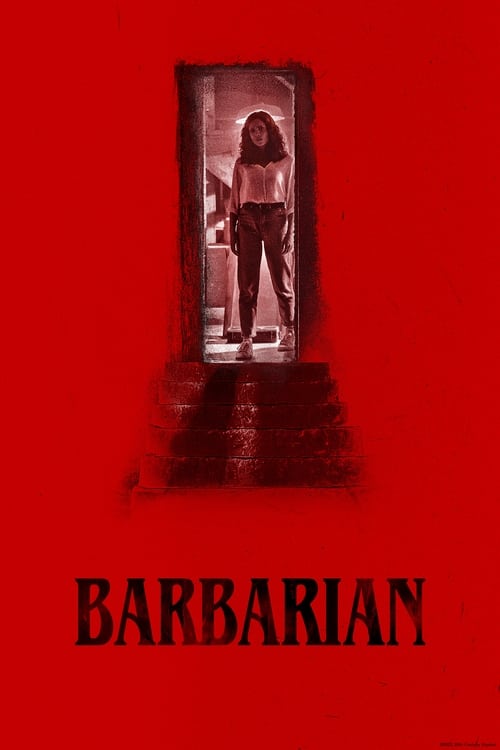
Tess and Keith arrive at a Detroit rental for a business trip and find an unexpected passageway in the basement.
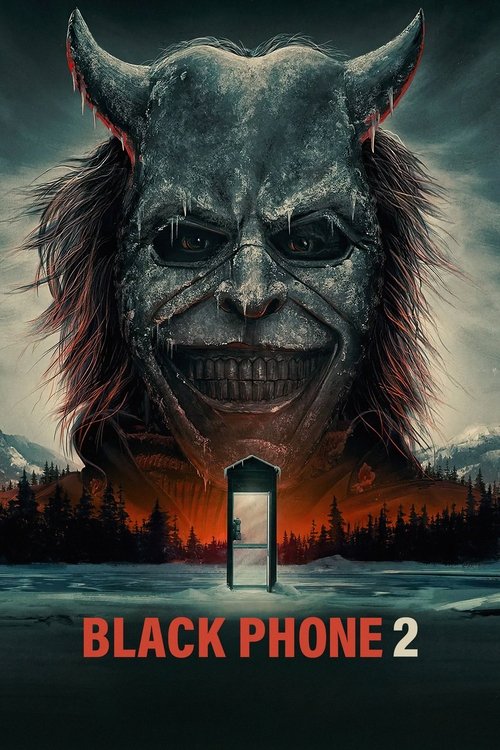
The supernatural telephone mythology extends into a new setting with a new Grabber while connecting back to the original film's characters.
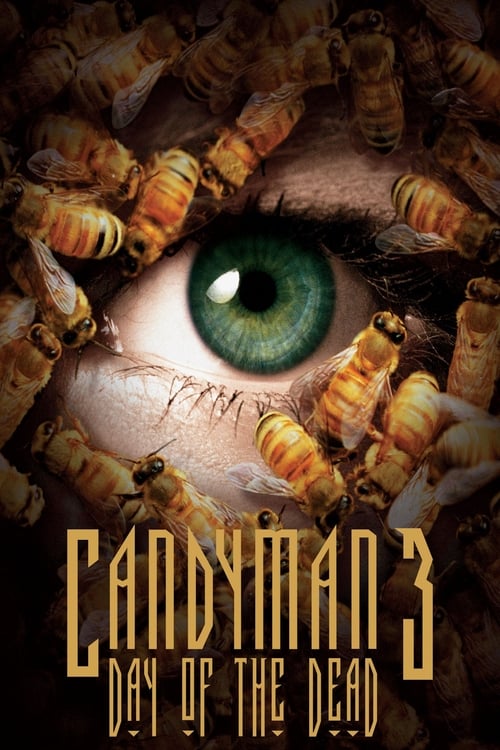
Caroline McKeever unknowingly says the name five times at her own gallery opening. The Candyman answers, and this time he wants her soul more than her blood
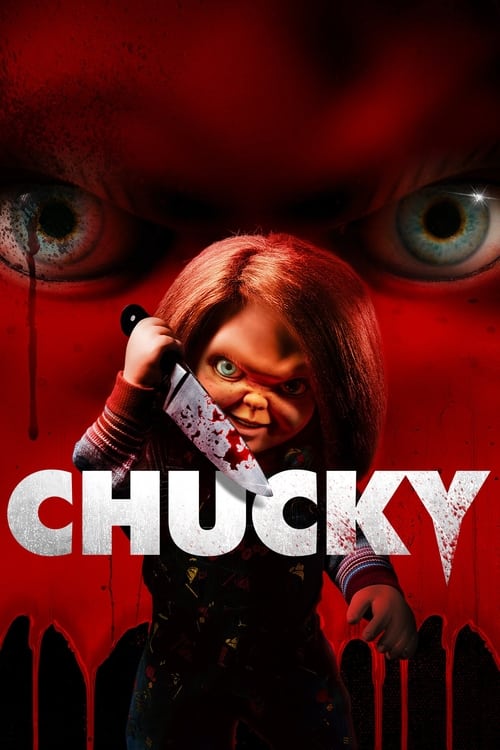
A vintage Chucky doll turns up at a suburban yard sale and a small American town starts coming apart at the seams.
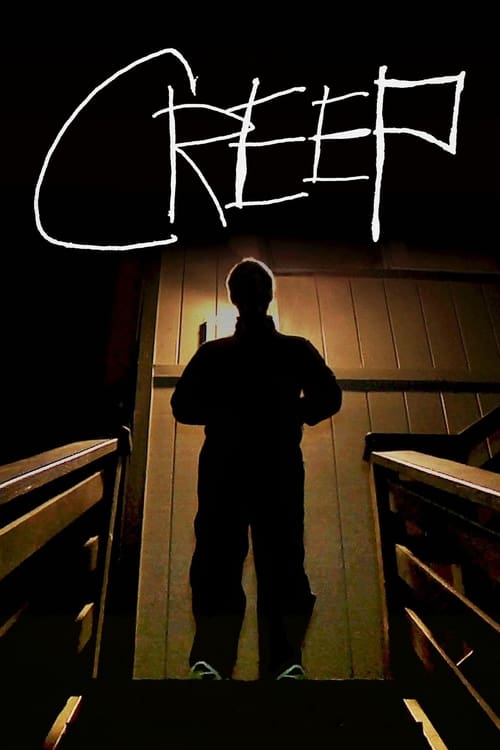
Aaron accepts a Craigslist job shooting footage for an unusual client who wants to document a transformative personal experience.
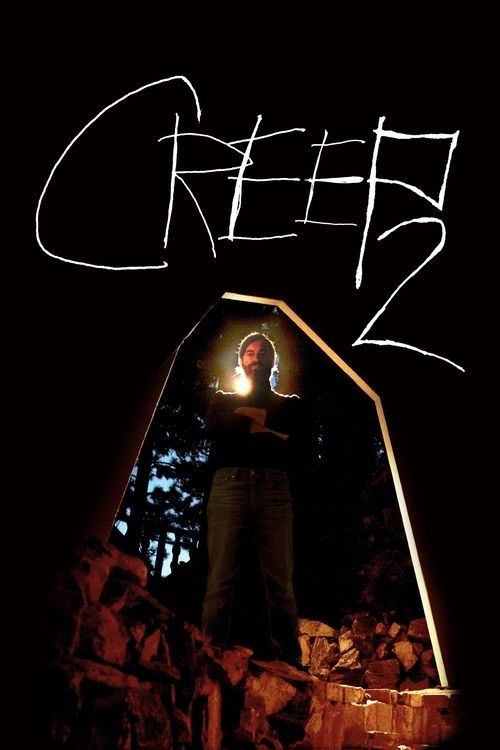
Aaron returns to film Josef, who now wants documentation of a very different kind of personal evolution.
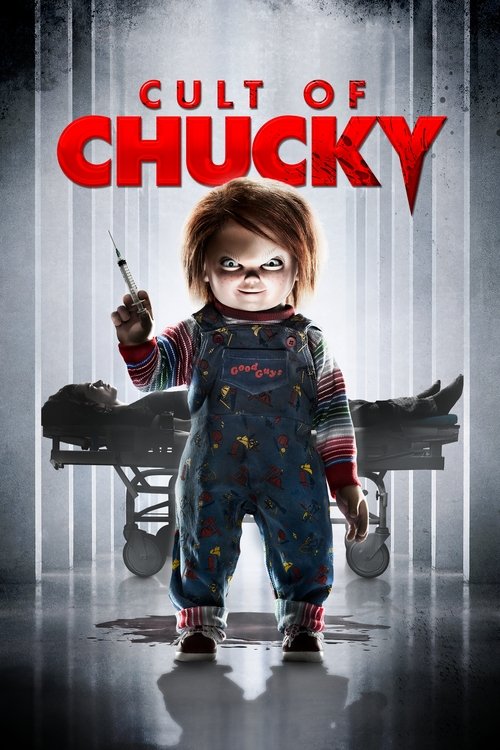
Chucky can now possess multiple dolls simultaneously. Nica Pierce is in a psychiatric facility where a new Good Guy doll arrives.
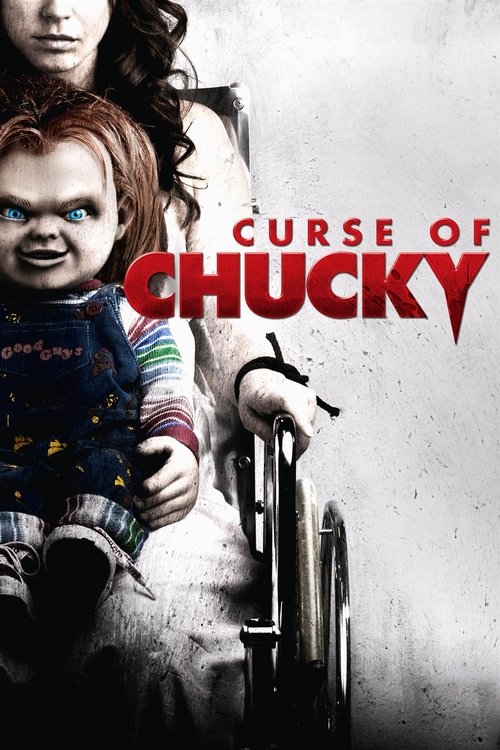
A Good Guy doll arrives at a grandmother's house as a gift and turns its attention to her granddaughter.
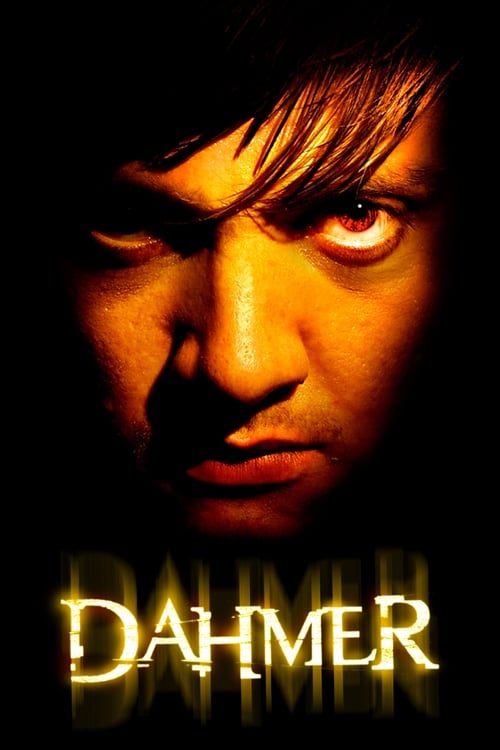
A quiet man in Milwaukee maintains a respectable surface while hiding what he does privately. Nobody connects the evidence for years.

Evan Rendell has grown up with his father's obsession and is now loose in a suburb where a teenager is dealing with a heart condition.
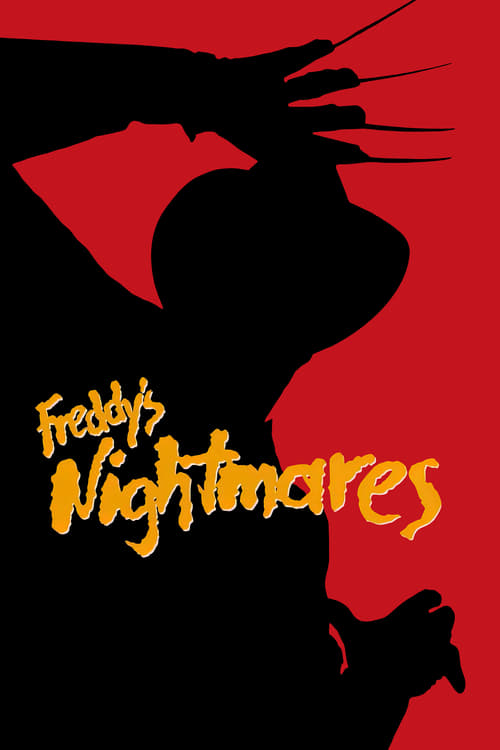
Freddy Krueger hosts a weekly anthology set in Springwood, introducing stories of fear, greed, and revenge in the shadow of Elm Street.
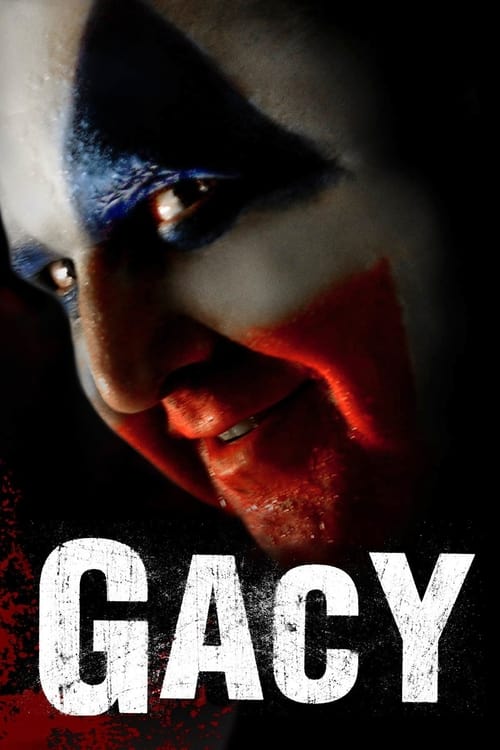
John Wayne Gacy ran a construction company, threw neighborhood parties, and killed people for years. The community never connected the evidence.

Detective Lois Tryon investigates a series of heinous crimes in a small community that feel uncomfortably personal, as if something is sending her a message.
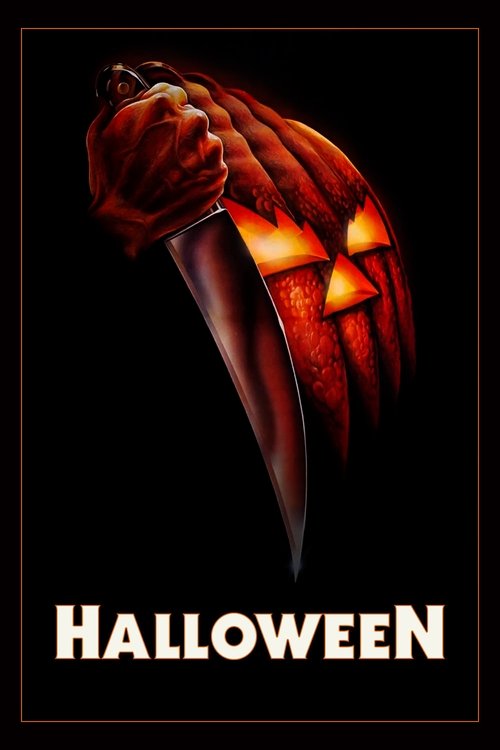
Michael Myers escapes a psychiatric institution fifteen years after murdering his sister and returns to Haddonfield on Halloween night. Laurie Strode has no idea she's about to become his target.
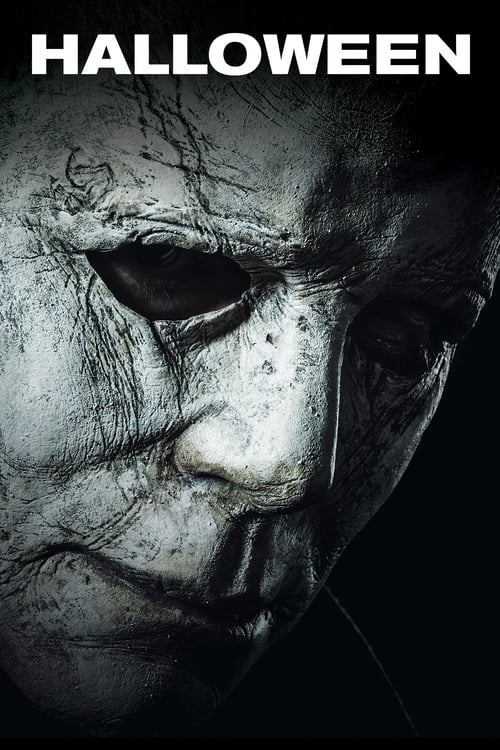
Laurie Strode has spent forty years preparing for Michael Myers to return. He does.
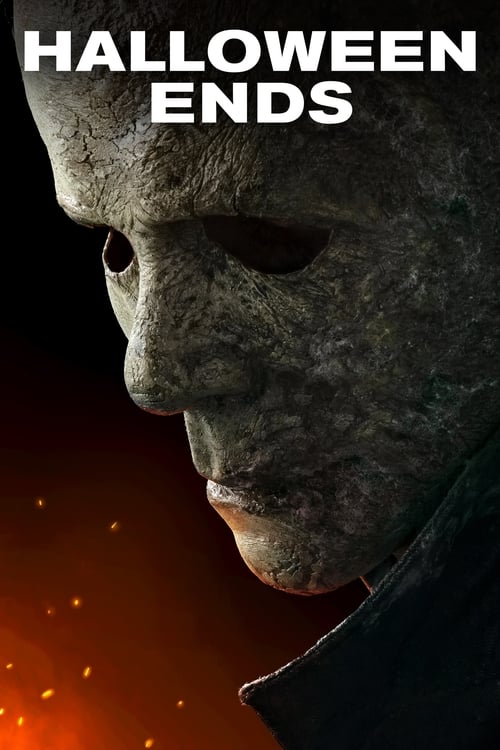
Halloween Ends takes place three years after Halloween Kills and finds Laurie Strode closing out her story while a new character becomes the film's primary focus.
Searching the complete Curated Serial Killer Horror archive…
No matches found in the Curated Serial Killer Horror collection. Try a broader title or keyword.
Serial killer horror is a subgenre of horror film built around a human predator who kills repeatedly, with the dread coming from psychology, methodology, and the terrifying plausibility of a real threat rather than a monster or supernatural force. It spans everything from slashers to slow-burn procedurals to true crime dramatizations. The best films in the subgenre are less about body count and more about what drives the killer and how close we come to understanding them. That unsettling proximity to something real is exactly what makes the subgenre stick.
Slashers emphasize kills, body count, and a largely anonymous stalker, with dread coming from the chase and the creative kill. Serial killer horror puts the focus on psychology, motive, and the investigative or moral weight of confronting that kind of predator. Films like Halloween are slashers; films like The Silence of the Lambs or Henry: Portrait of a Serial Killer are serial killer horror, even when they share surface-level DNA. The distinction matters when you're picking what to watch, because the experience is fundamentally different: one is visceral, the other gets under your skin and stays there.
The best entries in the subgenre use the killer as a way to interrogate something real: obsession, societal failure, the gap between who someone appears to be and what they actually are. Exploitation films settle for the acts themselves. A curated approach to serial killer horror filters for films that have a clear point of view, a genuine sense of dread, and something to say beyond shock value. That doesn't mean they're bloodless, but it does mean the violence serves the story rather than being the story.
That depends on what kind of scared you're after. True crime adaptations carry a specific weight because the events actually happened, and the best ones, like Zodiac or Henry: Portrait of a Serial Killer, use that reality to deny you the comfort of closure. Fictional serial killer horror can go further in terms of psychology and atmosphere precisely because it isn't constrained by the record. Both have their place, and the most disturbing films often blur the line by drawing heavily from real cases without being direct adaptations.
Beyond the obvious titles like Se7en and The Silence of the Lambs, the subgenre has a strong bench of underseen films that reward patient viewers. Frailty from 2001 is one of the most criminally underappreciated entries, combining religious conviction and murder in a way that never telegraphs where it's going. Man Bites Dog from Belgium takes a mockumentary approach that implicates the audience in ways most films never attempt. Summer of 84 and The Clovehitch Killer both use suburban dread and suburban-dad menace to unsettle rather than shock. The HorroRated Serial Killer collection is a good starting point if you want to move past the marquee titles.
True crime is nonfiction, focused on real cases, real victims, and real investigations. Serial killer horror is a storytelling genre that uses the figure of the serial killer as a vehicle for dread, whether based loosely on real events or entirely invented. The crossover is significant, since films like Dahmer and Monster are dramatizations that sit between the two, but the key distinction is intent: true crime documents, serial killer horror dramatizes to create a specific emotional experience. Fans of one often end up drawn to the other, but they're not the same thing.
The fear at the center of serial killer horror is distinctly human: the predator looks like everyone else and moves through the world undetected. That threat doesn't require a suspension of disbelief, which is why the subgenre has persisted from Psycho through to modern releases. It also serves our cultural need to understand how someone becomes capable of that kind of harm without offering comfortable answers. The best serial killer horror sits with the discomfort rather than resolving it, which is what separates the films worth keeping from the ones you forget immediately.