What Is a Jump Scare, and Why Does It Make You Flinch?
A jump scare is a horror moment built to make you flinch: something bursts into the frame with a sudden loud sound, usually right after the film has gone quiet. It's the fastest scare in the genre and the most argued about. Modern haunted house films like Insidious and the Conjuring series lean on it, while slow-burn horror does its best to avoid it.
Also known as: jumpscare; the startle effect (in film studies); the "Lewton bus" or "bus effect" (older names). A fake one is a cat scare.
On this page
Got a question or a horror pick for us?
Contact HorroRatedKey Takeaways
- A jump scare startles you with a sudden image and a loud sound, usually after a quiet stretch.
- Most histories trace it to the bus scene in Cat People (1942), the "Lewton bus," though who did it first is still debated.
- It works on the startle reflex, which fires in about 20 milliseconds, and an anxious viewer's flinch can be 100 to 300 percent stronger.
- A cat scare is a fake-out: the build-up pays off with something harmless.
- On HorroRated, haunted house films like Insidious lean on jump scares; the Slow Burn shelf is for anyone who'd rather skip them.
What Was the First Jump Scare in a Movie?
Most film histories point to Cat People (1942), produced by Val Lewton and directed by Jacques Tourneur, though "first" depends on how strictly you define the scare.
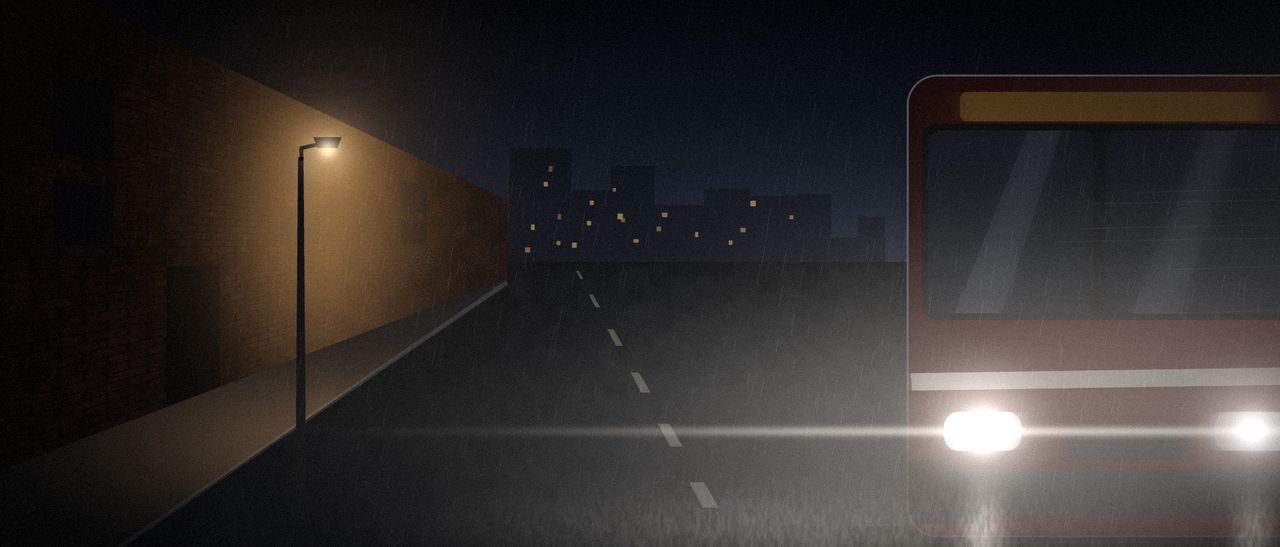
In its best-known scene, Alice (Jane Randolph) is followed down an empty New York street at night. The footsteps stop, the silence stretches, then a city bus hisses into view. Horror historians still call the trick the "Lewton bus," after the producer, and a 2026 paper in Frontiers in Psychology notes it was long known as "the bus effect."
Calling it the first is slippery. Mental Floss calls the scene "among the earliest known examples," and film scholar Robert Baird, who studied startles across 100 American horror films, warned that "playing the game of 'cinematic firsts' is a bit dangerous." His sample did show startles growing in number and polish after Cat People, which isn't in HorroRated's archive yet.
Why Is a Fake-Out Called a Cat Scare?
A cat scare is a false alarm: the film builds toward a scare, then reveals something harmless. The joke is that the original had no cat. As JSTOR Daily points out, the Cat People scene uses a cat-like hiss only as misdirection before the bus arrives. Real cats came decades later, in films such as Ridley Scott's Alien (1979). Baird noted that false alarms still startle: your body flinches before it learns the threat was nothing.
Why Do Jump Scares Make You Jump?
Because it goes straight for the startle reflex, a defensive flinch that fires before your thinking brain gets a vote. Christian Grillon, a psychophysiologist at the National Institute of Mental Health, told Inverse in 2015 that the reflex runs through very few synapses, so it takes about 20 milliseconds. What follows is a blink, a faster heartbeat and wider pupils.
Tension makes it bigger. In Grillon's lab, an anxious person's startle "can be increased by 100 to 300 percent," which is why horror spends minutes winding you up before a one-second jolt. Knowing it's coming doesn't switch the reflex off; the waiting can make it stronger. The relief afterward is part of why a good scare feels good.
What Goes Into a Jump Scare?
Robert Baird broke the startle into three parts in a 2000 essay in Film Quarterly:
- A character you're watching, whose space can be invaded.
- A threat implied off screen, just out of frame.
- A sudden intrusion into the character's space.
Sound is the usual fourth ingredient: Baird noted that a quieter soundtrack leaves viewers more sensitive to a sudden loud noise, which is why so many jump scares follow near silence.
How Is a Jump Scare Different From Dread?
A jump scare is a spike and dread is a slow climb: one is over in a second, the other can follow you to bed. Most films mix the two but lean one way. HorroRated's 100 slow burn horror picks are built for dread; as the shelf's intro puts it, if you need a jump scare in the first ten minutes, they aren't for you.
Jump scare vs cat scare vs slow dread
| Jump scare | Cat scare | Slow dread | |
|---|---|---|---|
| What happens | Something bursts into the frame, usually with a loud sound | The build-up pays off with something harmless | Unease grows over a scene or a whole film |
| How long it lasts | The flinch takes about 20 milliseconds | A beat, then the tension resets | Minutes, the whole film, sometimes longer |
| What it runs on | Quiet, then a sudden sound and image | Misdirection: you brace for the wrong thing | Atmosphere, pacing and what the camera holds back |
| Archive example | Insidious (2011) | Alien (1979) | The Changeling (1980) |
When Does a Jump Scare Feel Cheap?
When nothing earned it. Baird found startles were often dismissed as "the ultimate form of sensationalism, artlessness, and mindlessness." HorroRated's rule of thumb: a jump scare is cheap when it's a loud sting with no threat behind it, or when it breaks the film's own rules for a reaction. It's earned when the film has made you afraid of the space first, so the jolt feels like a release, not a trick.
The same test works for the rest of the tropes horror fans know by heart, from the cat scare to "let's split up": they only feel cheap once the film stops trying.
Which Movies Have the Best Jump Scares?
These five archive entries earn their jolts: each one builds the quiet before it breaks it. Verdicts are from the live entries, and no line gives away a death or an ending.
- Jaws (1975), Legendary. The shark that made people afraid of the ocean is a lesson in timing; the entry praises Spielberg for "knowing exactly when to show you something and when not to." Content note: violence and peril.
- The Exorcist III (1990), Recommended. Blatty's The Exorcist III cares more about grief than shocks, so its hospital corridor scene, "one of the most effectively delayed scares in 90s horror" in the entry's words, hits even harder. Content note: violence and peril.
- Paranormal Activity (2007), Recommended. Oren Peli's locked-camera haunting trains you to search a still bedroom frame night after night, so the smallest change makes you jump.
- Insidious (2011), Highly Recommended. James Wan's Insidious builds dread "through composition and sound design rather than gore," in the entry's words, and its loudest moments land because it's patient first.
- The Conjuring (2013), Legendary. In the Warrens' 1971 Rhode Island case, Wan shows he's "a director who knows when to withhold and when to release," the whole trick in one line.
Related Resources
- How to find the right horror movie for your fear level
- Tobe Hooper's Poltergeist (1982)
- Analog horror, explained
Ready to test your nerves? Open HorroRated's Movie Night Generator, set the collection to Haunted House and let it pick tonight's jolt.
Frequently Asked Questions About Jump Scares
What is a jump scare?
A jump scare is a horror technique that startles the audience with a sudden image, usually paired with a loud sound. It tends to arrive right after a quiet stretch, when you've started to relax. It's built to make you physically flinch, not just feel uneasy.
What was the first jump scare in a movie?
The bus scene in Cat People (1942) is the one most histories name, and it gave the effect an early nickname, the Lewton bus. Film scholars are careful with the word "first," since earlier films had sudden shocks too. What's clear is that startles became far more common after Cat People.
What's the difference between a jump scare and a cat scare?
A jump scare delivers a real threat with a sudden image and sound. A cat scare is a false alarm: the film builds tension, then reveals something harmless. The name is a joke, since the original Lewton bus scene used a cat-like hiss, not a cat.
Why do jump scares work even when you know they're coming?
The startle reflex is involuntary and takes about 20 milliseconds, far faster than conscious thought. Expecting a scare doesn't switch it off, and the anxiety of waiting can make the flinch bigger. That's why a scare you saw coming can still make you jump.
Are jump scares lazy filmmaking?
Not by default. A jump scare feels lazy when it's a loud sound over nothing, or when a film uses so many that you start bracing instead of watching. Built on real tension, like the delayed corridor scare in The Exorcist III (1990), it's one of horror's most effective tools.
What horror movies don't rely on jump scares?
Look for slow burn, folk and psychological horror, which build fear through atmosphere and pacing instead of sudden shocks. The Changeling (1980) is a good example: a haunted house film that lets silence and space do the work. HorroRated's Slow Burn collection gathers 100 titles built this way.