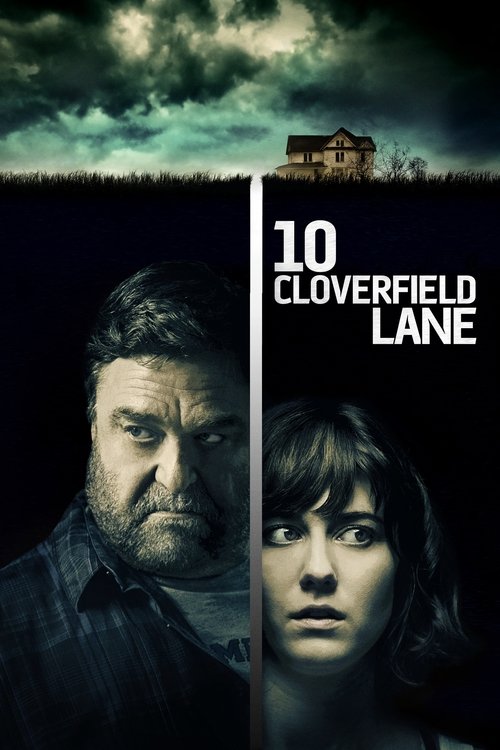
10 Cloverfield Lane
2016 · MovieMichelle wakes up in Howard's underground bunker after a car accident and is told something catastrophic has happened outside that makes returning impossible.
No signal. No backup. No way out that doesn't involve going through whatever is out there. Curated isolation horror strips everything down to the essentials and lets the environment do half the work. Distance is its own kind of dread.
Michelle wakes up in Howard's underground bunker after a car accident and is told something catastrophic has happened outside that makes returning impossible.

Spike wakes up twenty-eight years after the original outbreak to find a Britain that has partially adapted to the rage virus in ways neither previous film anticipated.
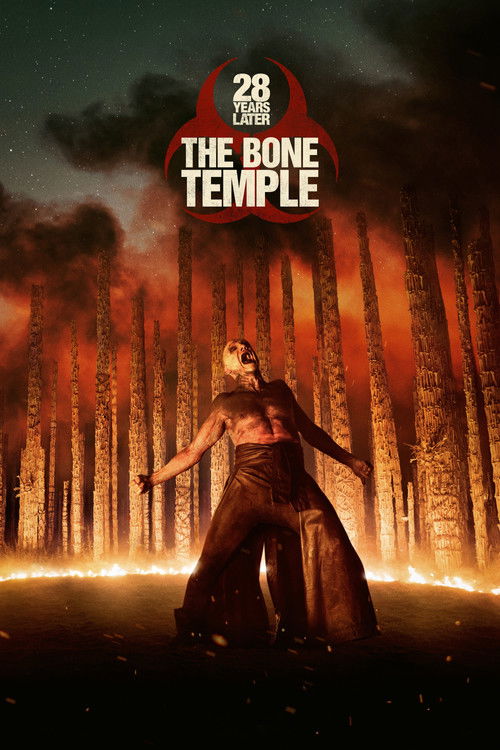
28 Years Later: The Bone Temple is the second film in the trilogy, continuing the story of Britain's long adaptation to the rage virus.
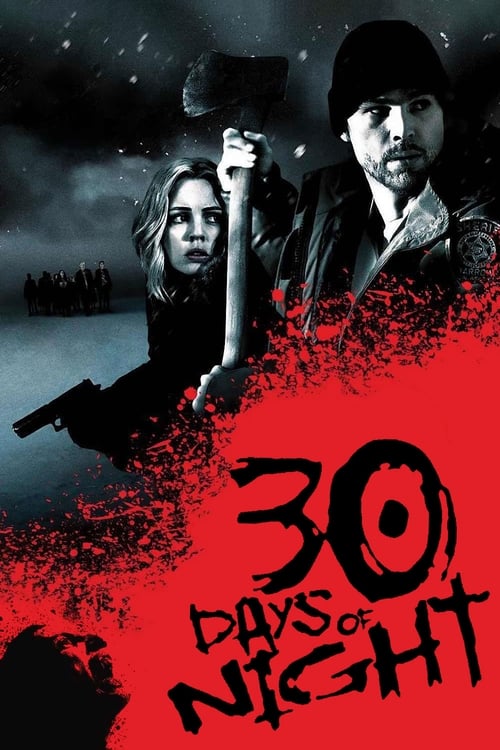
A small Alaska station in Barrow goes dark. The town sits in thirty days of polar darkness and something moves through the night systematically.
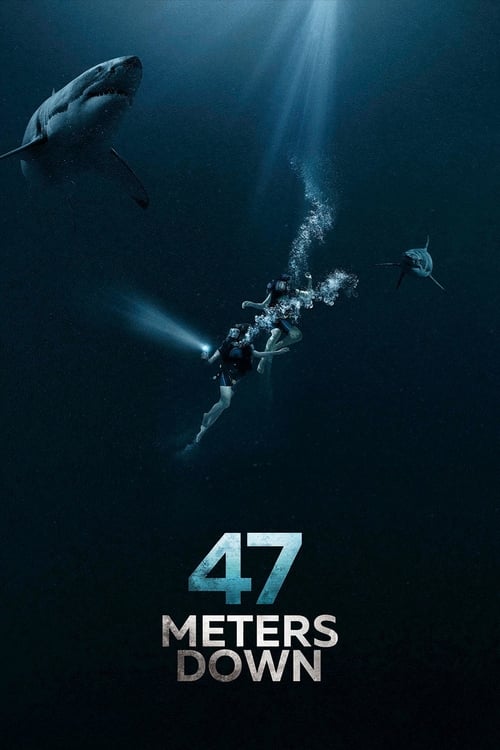
Lisa and Kate agree to a shark cage dive off the Mexican coast. The winch fails at depth.
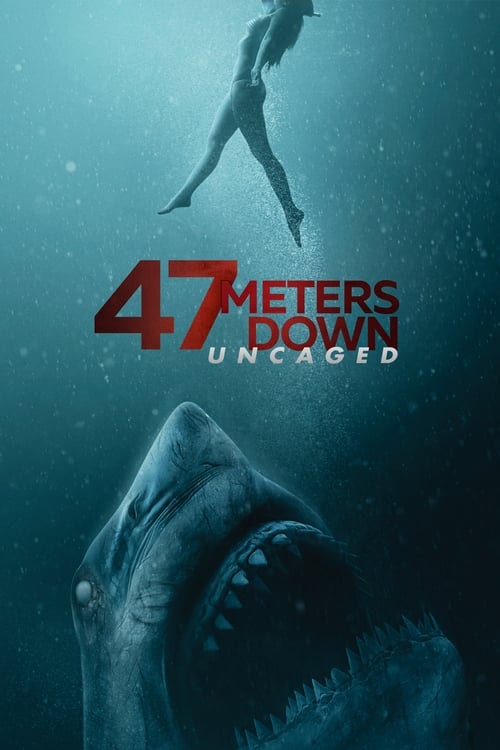
A group of girls follows a friend into an underwater cave network in the Bahamas and encounters creatures that have been living in the tunnels.
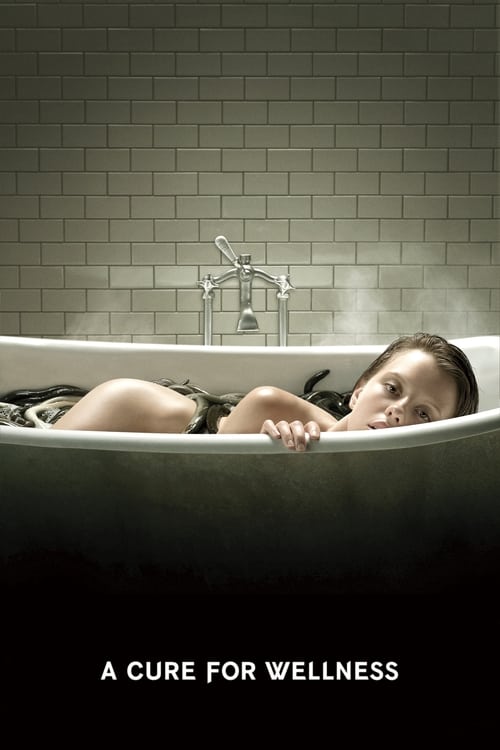
Lockhart arrives at a Swiss Alpine wellness clinic to retrieve an executive and ends up treated as a patient while the facility's history and methods reveal themselves.
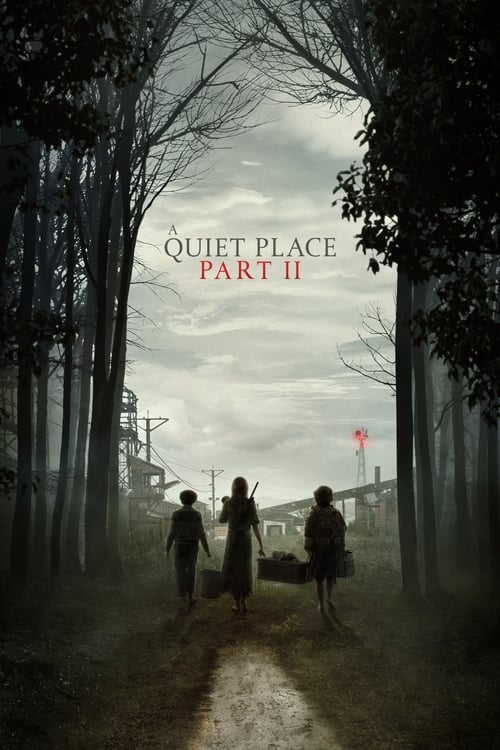
Evelyn Abbott and her children emerge from their fortified property and encounter Emmett and other survivors navigating the same sound restrictions.
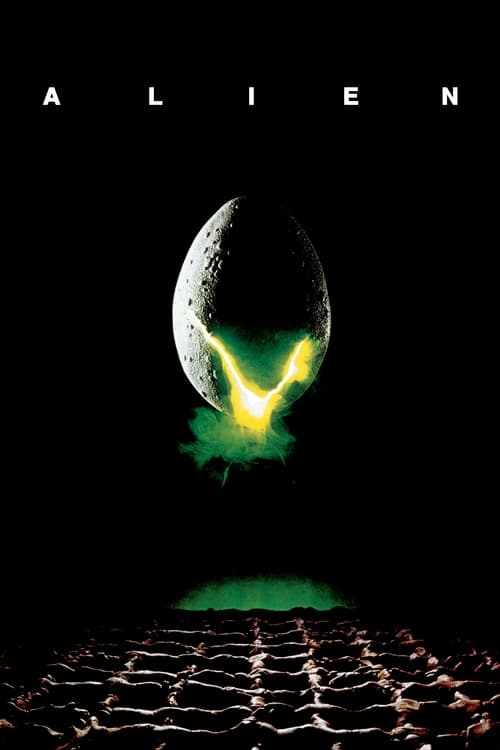
The commercial towing vessel Nostromo answers a distress signal on a distant moon. What the crew brings back aboard doesn't intend to leave.
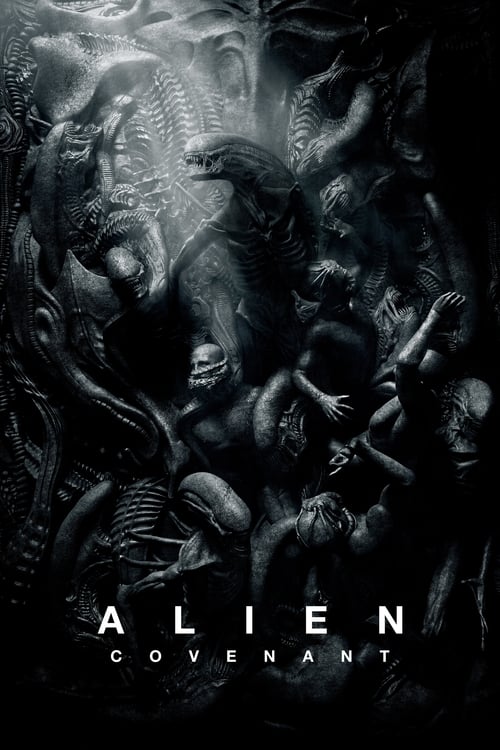
The Covenant colony ship detours to investigate a signal and finds a world that David, the android from Prometheus, has been using as a laboratory.
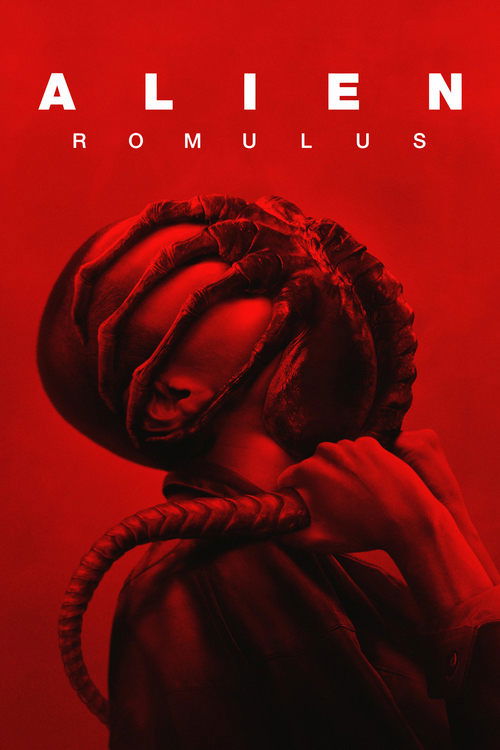
A young group of people scraping by in a post-Alien world boards the abandoned Romulus station looking for resources and activates a xenomorph situation their circumstances make harder to survive.

Frida accepts tech billionaire Slater King's invitation to his private island for a personal development retreat. The program's combination of neuroscience and interpersonal pressure affects her perception of what's real.
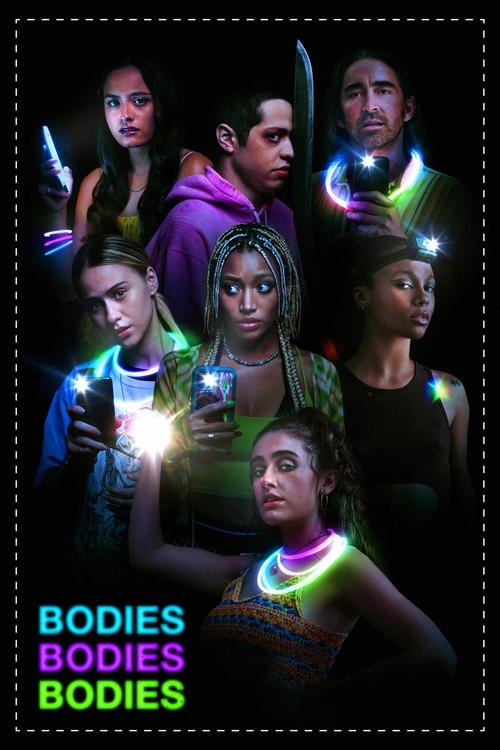
Bee hosts a birthday celebration for Sophie in a New York apartment. A party game escalates into accusations that turn lethal.
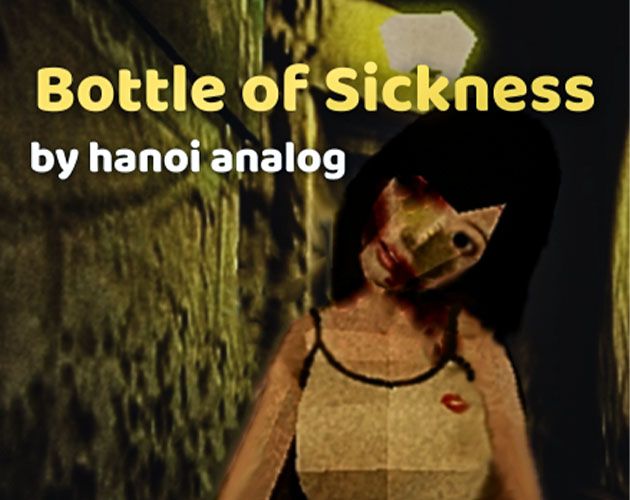
You are waiting and the sirens are getting closer. A suspended moment of dread rendered in murky PSX lo-fi.
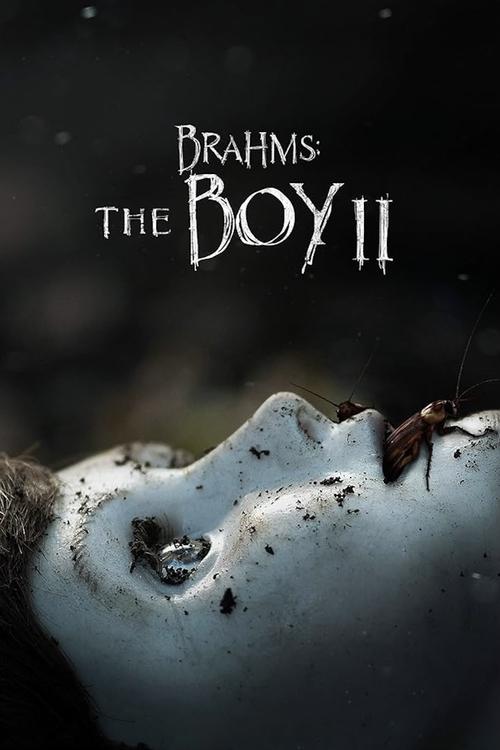
Jude and his stepmother Liza move to an English cottage and find Brahms the doll in the attic. Jude forms an attachment to it that the film watches through installed camera feeds.
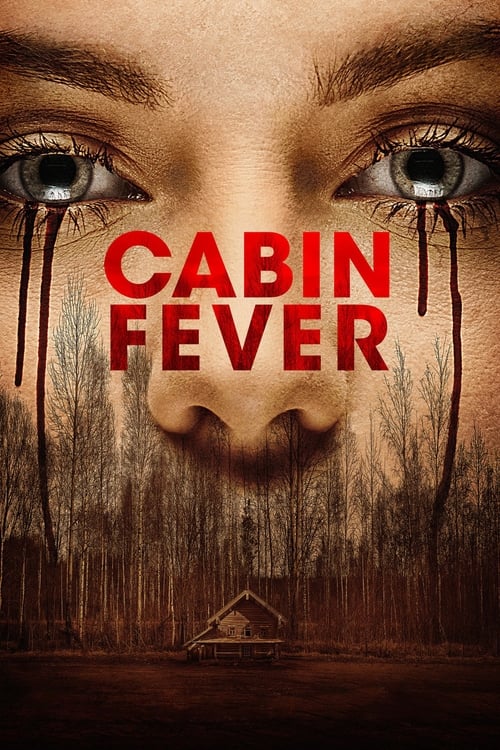
A 2016 remake of Eli Roth's Cabin Fever uses the same screenplay with a different cast and director.
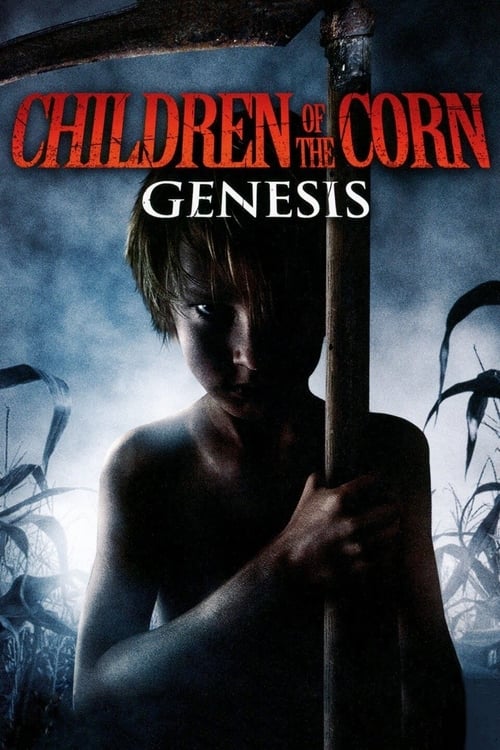
The Children of the Corn mythology is transplanted to a new setting with a very small cast and a very limited budget.
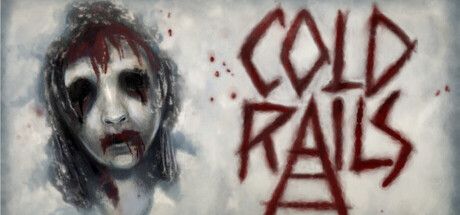
You work as a bartender on a cold train serving drinks to passengers. A mysterious woman in a dress is moving through the carriages and she isn't a passenger.
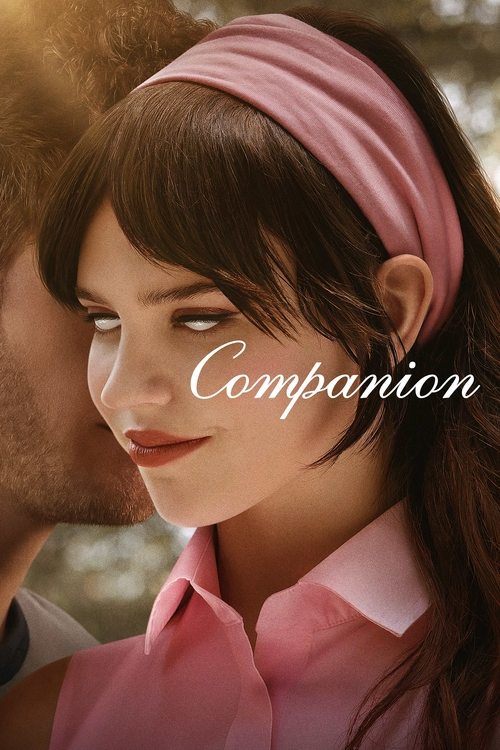
Iris wakes up to find that her partner Eli is not who she thought he was. The film follows the specific horror of discovering a deception that has been in place for the entire relationship.
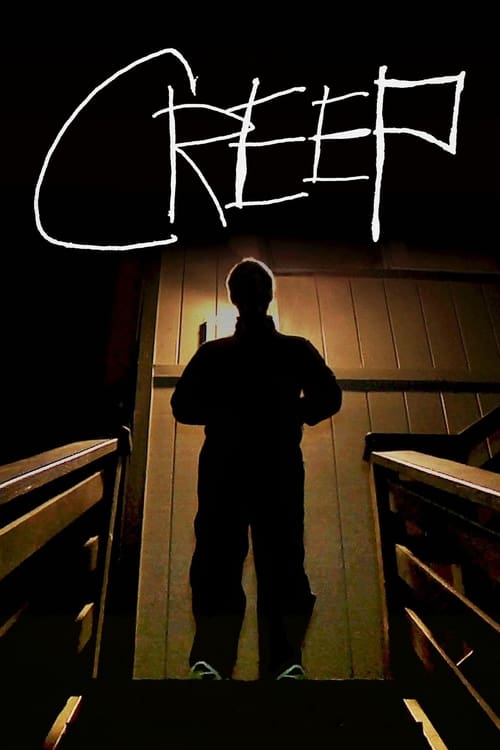
Aaron accepts a Craigslist job shooting footage for an unusual client who wants to document a transformative personal experience.
Searching the complete Curated Isolation Horror archive…
No matches found in the Curated Isolation Horror collection. Try a broader title or keyword.
Isolation horror is a subgenre of horror film where the central threat is amplified by a character's physical or psychological separation from other people, help, or civilization. The setting does the heavy lifting: remote cabins, research stations, lighthouses, snowbound hotels, and deep space all become antagonists in their own right. Films like The Shining (1980), The Thing (1982), and The Lighthouse (2019) are widely considered defining examples of the subgenre. What separates isolation horror from general horror is that the danger is inseparable from the location — escape is either impossible or beside the point.
Psychological horror focuses on the internal collapse of a character's mind, while isolation horror uses a specific physical situation to trigger that collapse. The two overlap constantly, but the distinction matters: isolation horror needs a place, a barrier, and the absence of help. Hereditary (2018) is psychological horror that happens inside a family home; The Lighthouse (2019) is isolation horror that also becomes psychological, because the setting is what breaks the characters down. The best isolation films use both: the outside world disappears, and the inside world falls apart.
Horror depends on vulnerability, and isolation removes every safety net at once. No rescue, no outside perspective, no second opinion on what's real. When a character is cut off from other people, the audience loses those anchors too. Isolation horror also gives filmmakers room to work slowly. Without the structure of a rescue or an escape, the tension builds inside the characters rather than through external plot. Films like It Comes at Night (2017) and The VVitch (2015) get scarier the longer they go, because isolation chips away at trust and sanity before anything explicitly supernatural happens.
The most effective isolation horror settings share two qualities: they feel inescapable, and they have a history. Snowbound locations (the Overlook Hotel in The Shining, the Antarctic outpost in The Thing) work because winter cuts off physical escape. Remote islands (The Lighthouse), abandoned research facilities (The Ritual, 2017), and deep forests (The VVitch) work because civilization is simply too far away to matter. What connects them is the sense that the setting itself has rules, and the characters don't know them yet. HorroRated's Isolation collection tracks films where the location does as much work as the script.
They overlap, but they're not the same. Slow burn horror is a pacing style: tension builds gradually over a long runtime before releasing. Isolation horror is a thematic subgenre: it's defined by where characters are and who isn't with them. A lot of isolation horror is slow burn by nature, because stranded characters can't rush the plot. But not all slow burn horror relies on isolation (Hereditary takes place mostly in a house surrounded by neighbors), and not all isolation horror is slow (Alien, 1979, is isolation horror with a punishing pace). Think of slow burn as the how, and isolation as the where and why.
A forgettable isolation horror film uses the remote setting as decoration. A good one uses it as pressure. In the best films, the isolation is what creates the central conflict: trust erodes, reality destabilizes, and the characters' worst qualities surface because there's nothing left to hold them in check. The Thing works because the creature can be anyone, and isolation makes that paranoia impossible to resolve. It Comes at Night works because the danger outside barely matters compared to what the characters do to each other when they can't leave. Setting matters less than what the setting forces the story to become.