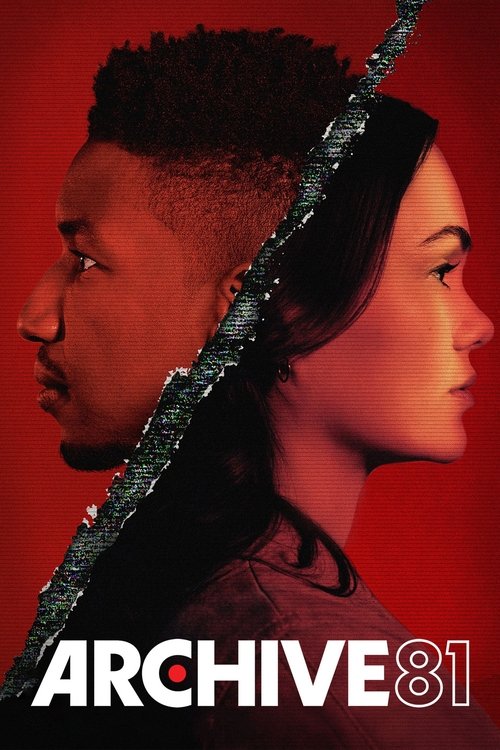
Archive 81
2022 · TVAn archivist restoring damaged 1990s videotapes is pulled into the story of the filmmaker who shot them and the demonic cult she was investigating.
Empty malls at 3am. Fluorescent hallways that go nowhere. Curated liminal space horror is built on the dread of in-between places, locations that feel wrong because they were never meant to be occupied this long. The horror here isn't what's in the room. It's the room itself.
An archivist restoring damaged 1990s videotapes is pulled into the story of the filmmaker who shot them and the demonic cult she was investigating.
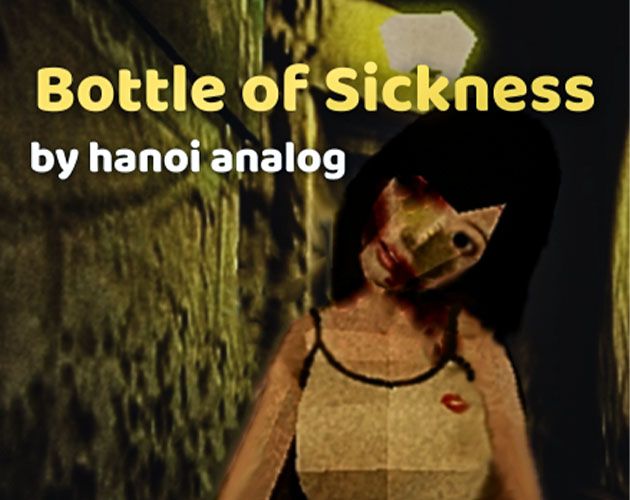
You are waiting and the sirens are getting closer. A suspended moment of dread rendered in murky PSX lo-fi.
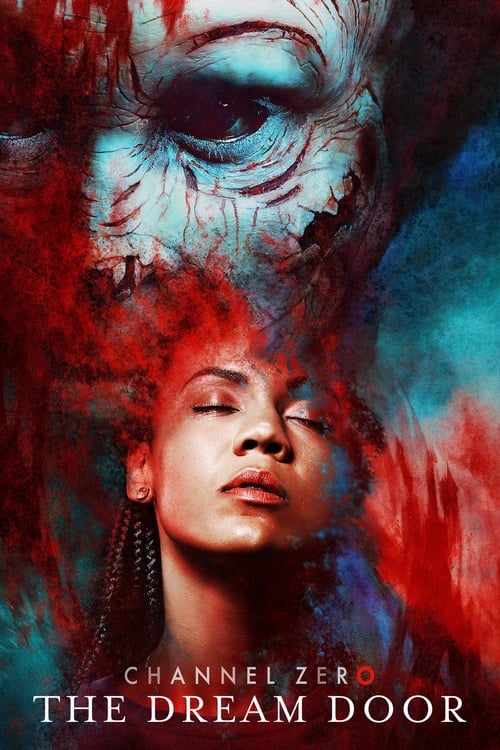
Each season adapts a different internet creepypasta into a full horror narrative, giving viral horror legends the long-form treatment they were designed for.
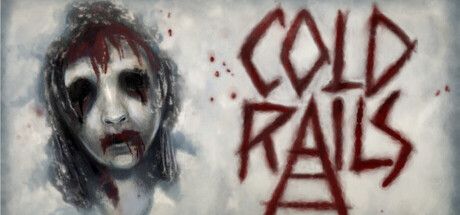
You work as a bartender on a cold train serving drinks to passengers. A mysterious woman in a dress is moving through the carriages and she isn't a passenger.
Maddie follows her friend into the subculture around a children's television show called The Pink Opaque and finds that the show's dreamlike world has a literal dimension its creator designed with specific intentions.
Eloise can access the past through her dreams and finds herself experiencing the life of Sandie, a young woman trying to break into the London music industry in 1965.
A young priest arrives on a dying island community with what looks like a miracle. What he's actually brought with him is something the island isn't prepared for.
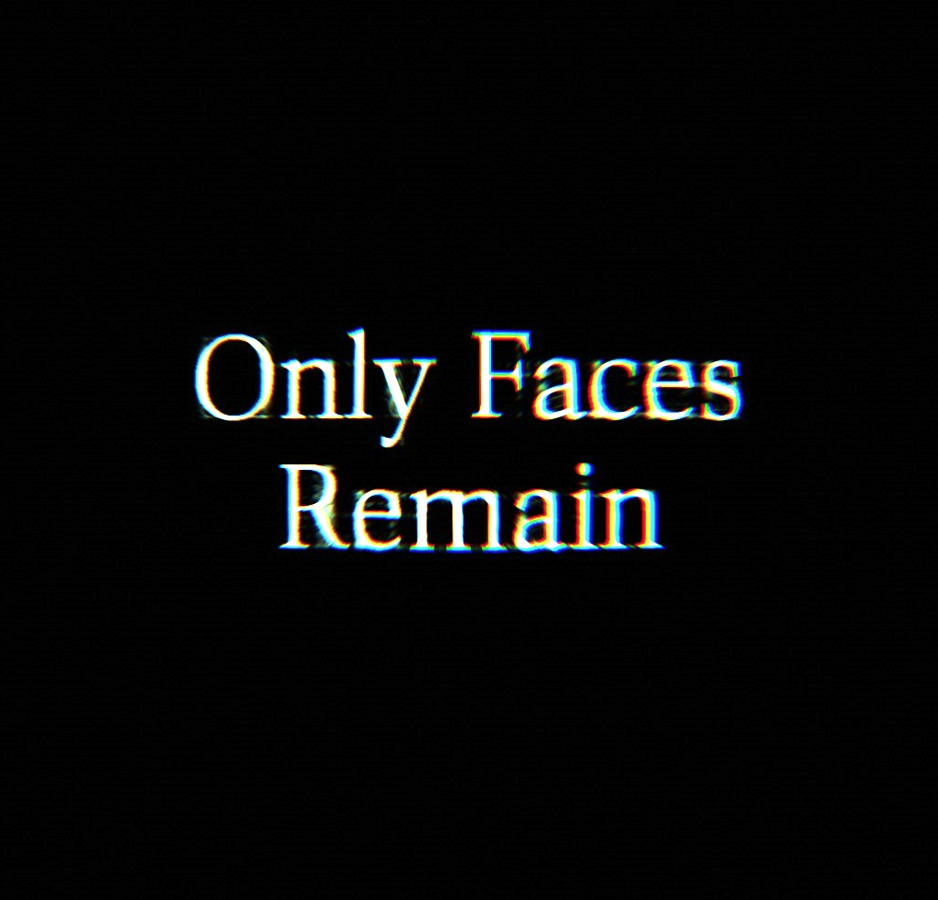
Marlene is a backpacker traveling alone who finds a cheap room to spend the night. What she finds in that room stays with her.
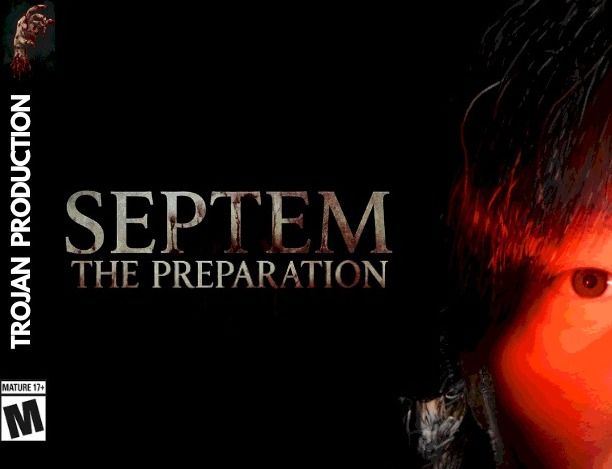
Libraries, conversations, small gestures. Nothing feels wrong at first, but calm instructions and careful preparation are building toward something.
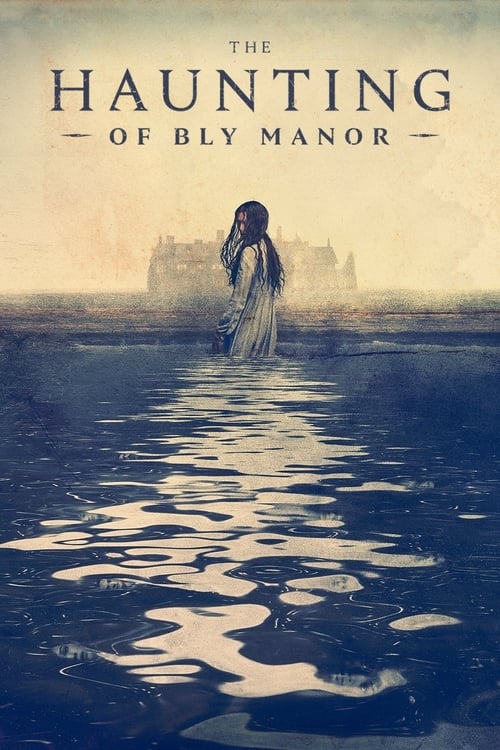
An American au pair arrives at a remote English estate in the 1980s to care for two orphaned children. The estate's centuries of secrets surface around her.
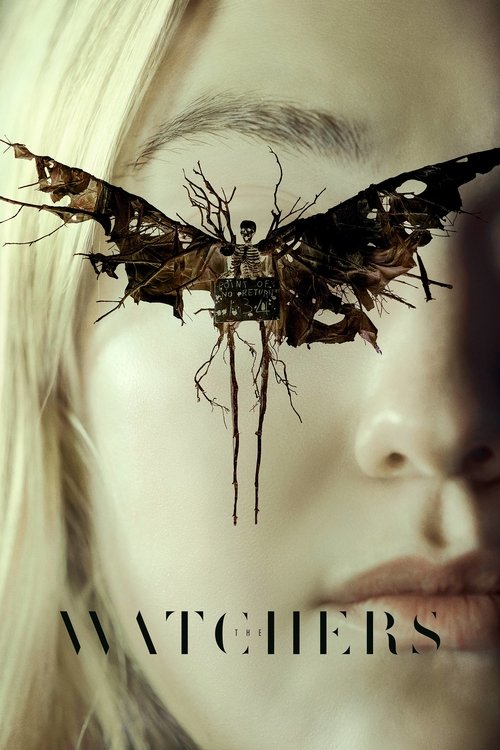
Mina and her father and stepmother enter a pocket forest created by a presence that has been observing the outside world for centuries. The rules of the space prevent them from leaving.
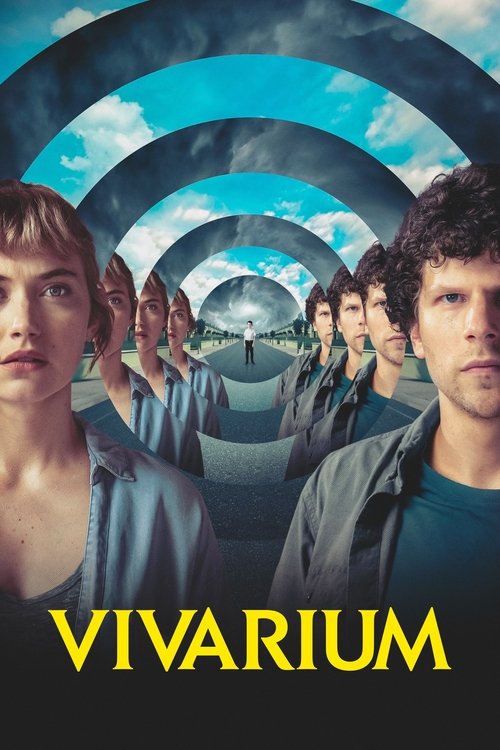
Gemma and Tom follow an estate agent to a development of identical houses and can't find their way back out. The house they can't leave contains a child that isn't theirs.
Searching the complete Curated Liminal Space Horror archive…
No matches found in the Curated Liminal Space Horror collection. Try a broader title or keyword.
Liminal space horror is a subgenre built around in-between places: empty hallways, deserted malls, hotel corridors, parking garages, anywhere that exists between a destination and a departure. The fear doesn't come from a monster showing up. It comes from the absence of people in spaces that were built for them, and the way that absence makes familiar architecture feel wrong. The subgenre pulls from the concept of liminality, the state of being on a threshold, and uses architecture as a psychological weapon.
A liminal space feels scary because your brain recognizes it as familiar but can't place anyone in it. These spaces unsettle us because they highlight our brain's sensitivity to processing ambiguity and transition. The architecture is correct, but the context is gone, and that gap is where the dread lives. It's closer to the uncanny valley than to jump-scare horror: the wrongness is too subtle to name, which makes it harder to shake.
Liminal space horror and psychological horror overlap, but they're not the same thing. Psychological horror focuses on the mind unraveling, but in liminal horror, you are not necessarily insane. The fear comes from displacement, not deterioration. Psychological horror usually puts the threat inside the character. Liminal horror puts it in the space itself, the architecture, the emptiness, the feeling that you're somewhere you were never supposed to stay.
The genre goes back further than most people realize. A liminal space is a place you pass through, not a place you stay: hallways, airport terminals, empty parking garages, hotel corridors at 3 a.m. The best liminal space movies use that in-between quality to make familiar settings feel slightly off. Strong entry points include The Shining, It Follows, Vivarium, Cube, Lost Highway, and The Empty Man. The HorroRated archive covers the full range, from the classics that defined the feel to the overlooked films that pushed it further.
The Backrooms are a fictional location invented in a 2019 thread on the imageboard website 4chan, usually portrayed as an impossibly large extradimensional complex of empty rooms accessed by exiting reality. They are one of the best known examples of the liminal space aesthetic. The concept went viral and pulled a generation of horror fans into the subgenre. Kane Parsons turned it into a feature film for A24 in 2026, which has since introduced liminal horror to a much wider audience, though the subgenre had been building in film and games for decades before the Backrooms gave it a name most people recognize.
Plenty. The subgenre rewards digging past the obvious titles. Beyond the Black Rainbow, The Empty Man, Pulse (the Japanese original), and I'm Thinking of Ending Things all use liminal architecture and in-between spaces without being marketed as liminal horror. The genre has much depth worth exploring beyond the well-known examples, including hidden gems that define liminal horror in its visual or spiritual form. The HorroRated Liminal Space collection is specifically built to surface those overlooked picks alongside the titles everyone already knows.
No, and that's part of what defines them. Unlike traditional horror, which often relies on monsters, jump scares, or gore, liminal horror creates a more insidious type of fear, drawing on subtle, deeply psychological cues to unnerve and disorient. The most effective entries in the subgenre use the space itself as the threat: repetition, architecture that doesn't follow logic, the absence of other people. Some do include monsters or antagonists, but they're usually secondary to the dread the environment produces on its own.
They often go together but come from different directions. Slow burn horror is about pacing: the threat exists, but the film takes its time getting there. Liminal space horror is about setting: the unease comes from where you are, not just from what might happen next. A slow burn film can be set in a busy household. A liminal horror film can move quickly through its spaces and still land the same kind of dread. The best examples of the subgenre tend to use both, which is why the two collections on HorroRated have significant crossover.