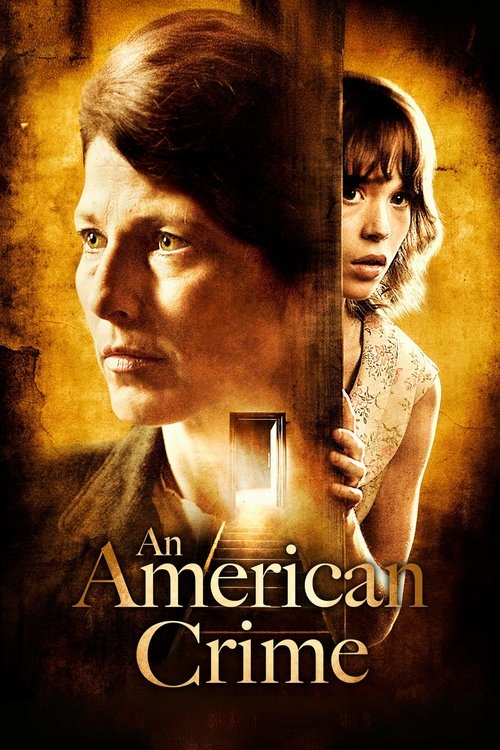
An American Crime
2007 · MovieSylvia Likens is left in the care of Gertrude Baniszewski while her parents travel with a carnival. The situation deteriorates methodically over months.

These films are rooted in something that actually happened, which changes the viewing experience entirely. Curated true crime horror sits at the intersection of documentary instinct and genre filmmaking, cases and killers rendered with enough craft to be both informative and deeply unsettling. The scariest part is always the same: it was real.
Sylvia Likens is left in the care of Gertrude Baniszewski while her parents travel with a carnival. The situation deteriorates methodically over months.
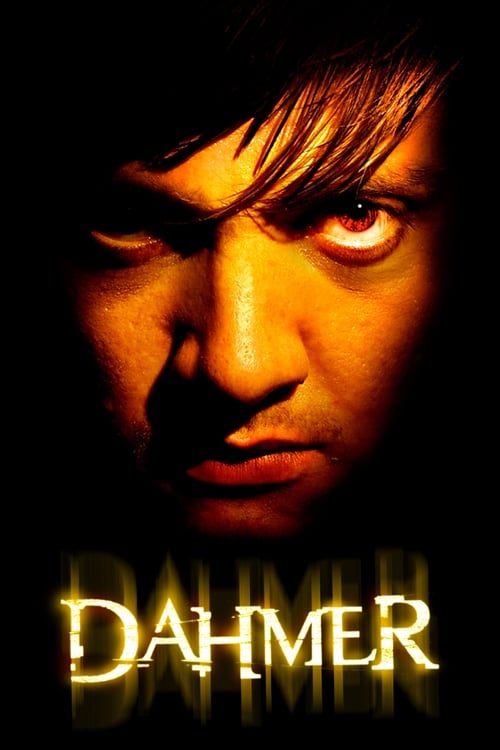
A quiet man in Milwaukee maintains a respectable surface while hiding what he does privately. Nobody connects the evidence for years.
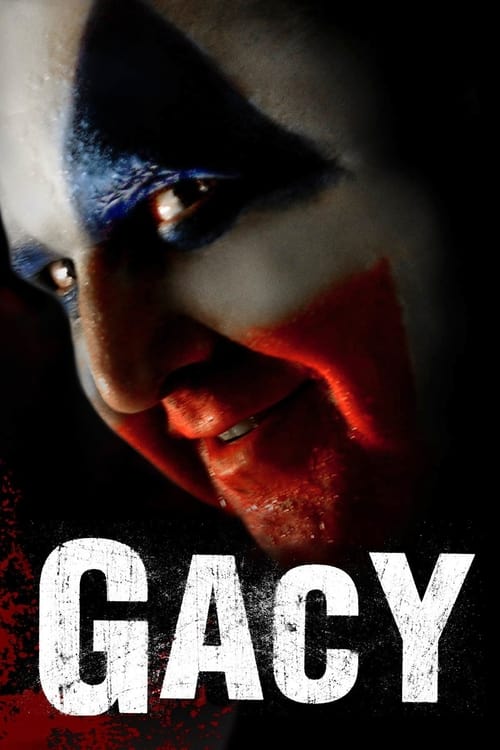
John Wayne Gacy ran a construction company, threw neighborhood parties, and killed people for years. The community never connected the evidence.

Detective Lois Tryon investigates a series of heinous crimes in a small community that feel uncomfortably personal, as if something is sending her a message.
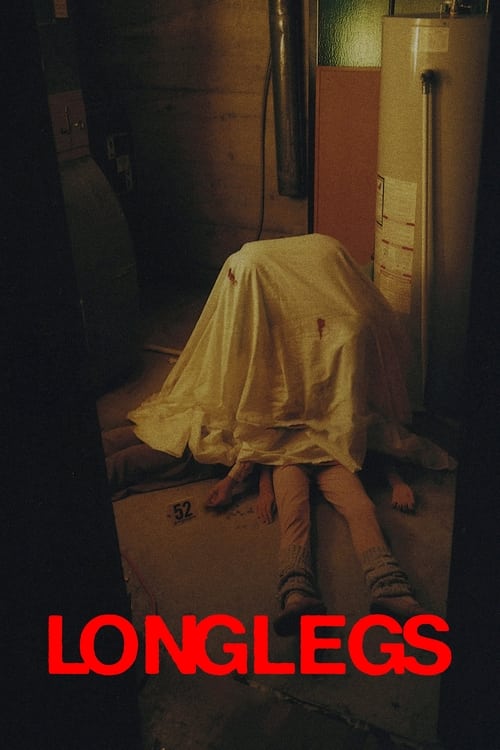
Lee Harker is sent to Astoria, Oregon to investigate a series of killings and finds that the local killer has connections to her own past the case file doesn't explain.
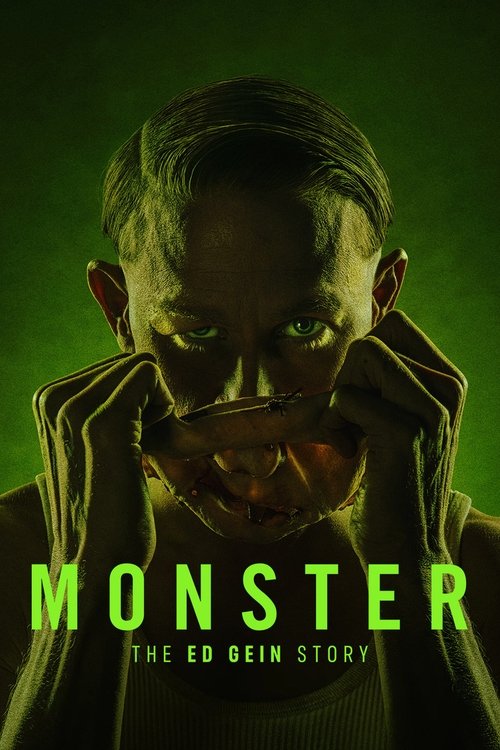
Ed Gein was a quiet Wisconsin farmer and handyman whose crimes in the 1950s were so disturbing they became the blueprint for Norman Bates, Buffalo Bill, and Leatherface.
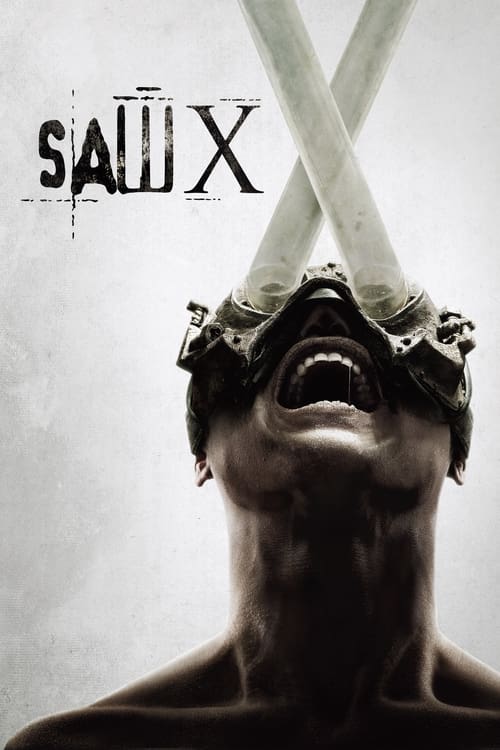
John Kramer is receiving cancer treatment in Spain while a victim named Henry seeks revenge for a game from years earlier.
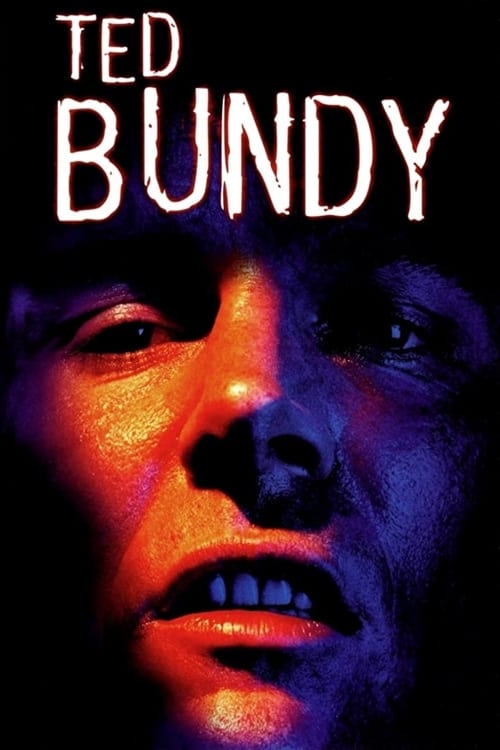
A charming, intelligent young man moves through the American West in the 1970s. The people around him have no idea who he is.
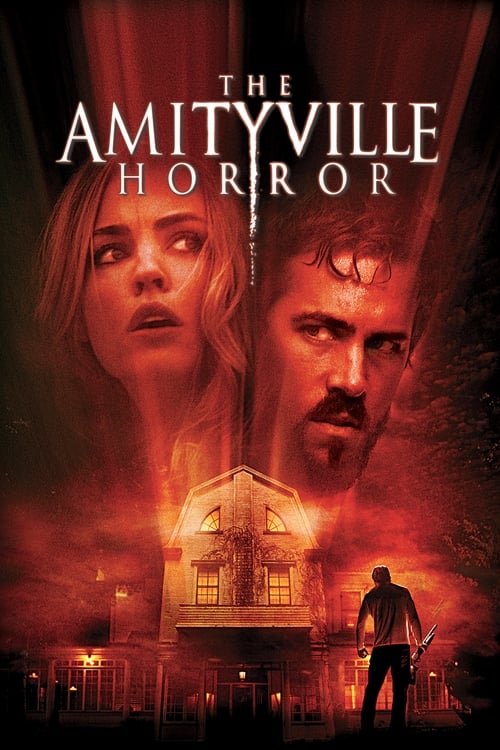
The Lutz family buys a house on Long Island where a family was murdered, reasoning that it's cheap for a reason. They spend 28 days inside before leaving everything behind.
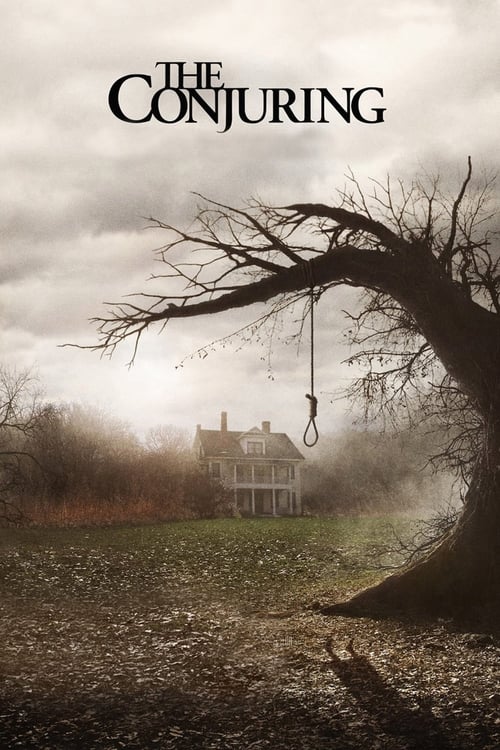
Ed and Lorraine Warren are called to examine a Rhode Island farmhouse and find the family has been living with something for years.
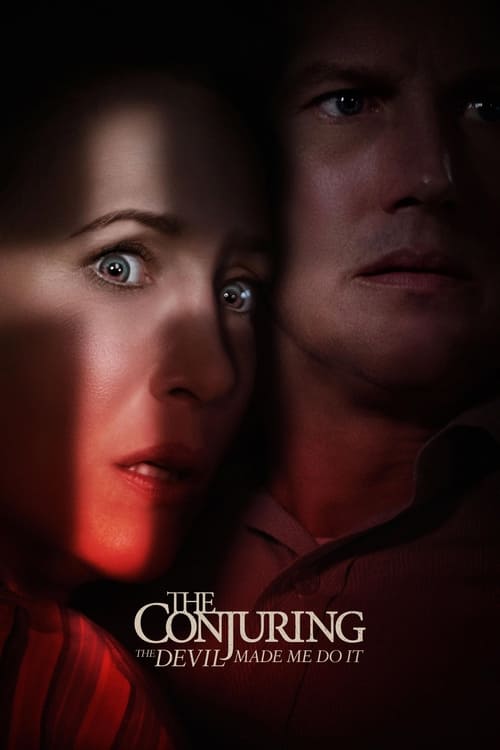
Arne Johnson's murder case in 1981 Connecticut involves Ed and Lorraine Warren's claim that he was not responsible for his actions because of demonic influence.
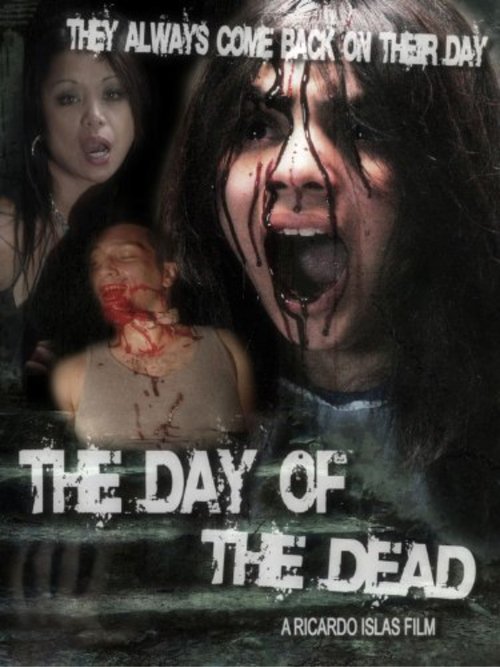
A zombie outbreak in a Colorado town is contained and redirected, but the containment is more improvisational than official channels acknowledge.
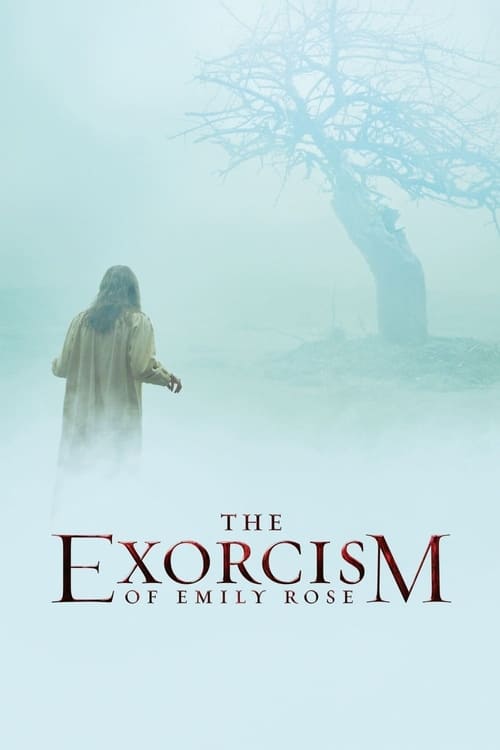
A priest is charged with negligent homicide after a young woman dies following an exorcism. Her lawyer has to decide what she actually believes happened.
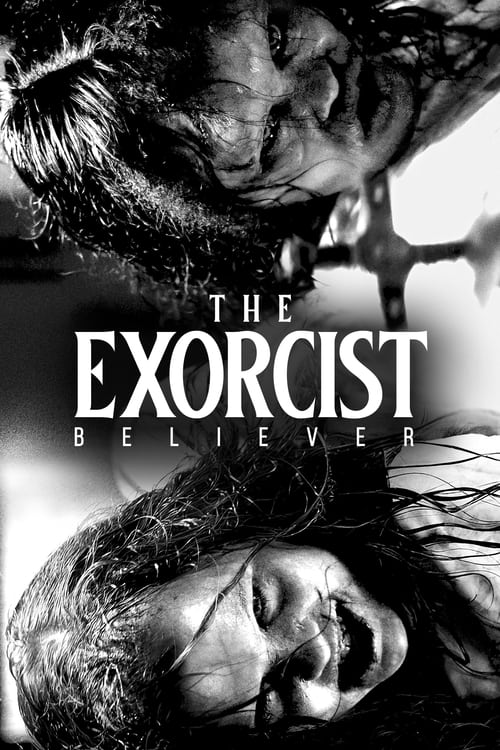
Father Amorth is brought in to assess a case involving two young women in a Georgia town who claim to have been simultaneously possessed.
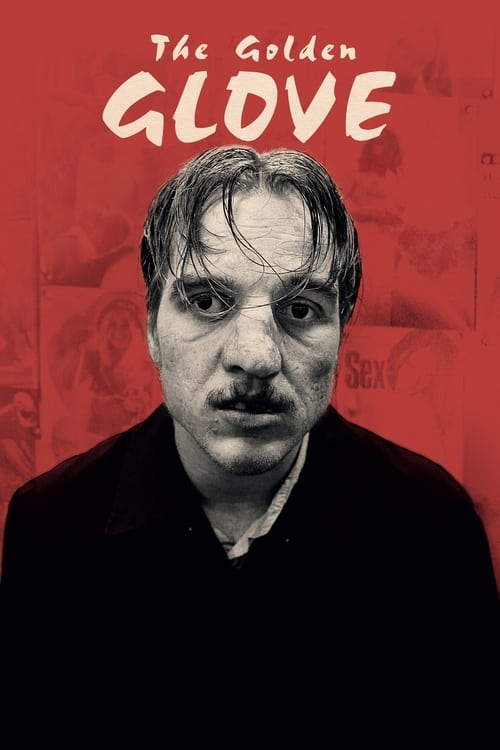
Fritz Honka picks up lonely, aging women at his favorite Hamburg bar and takes them home. The women who leave with him rarely leave again.
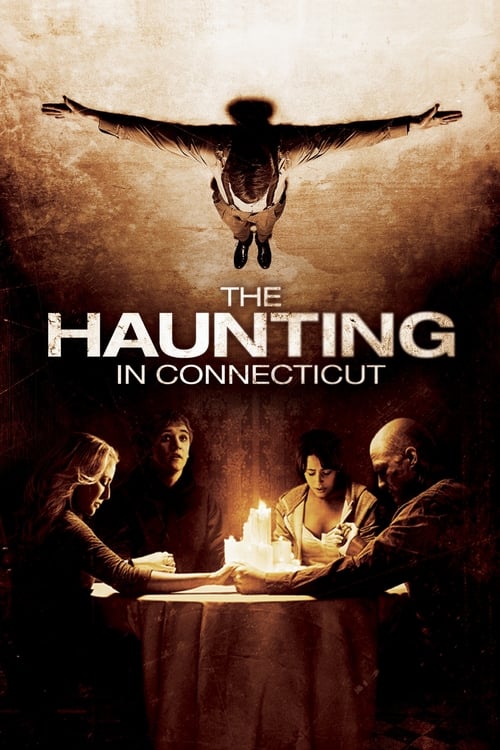
The Campbell family rents a Connecticut house to be closer to the hospital treating their teenage son's cancer. Matt has visions that his illness can't fully account for.
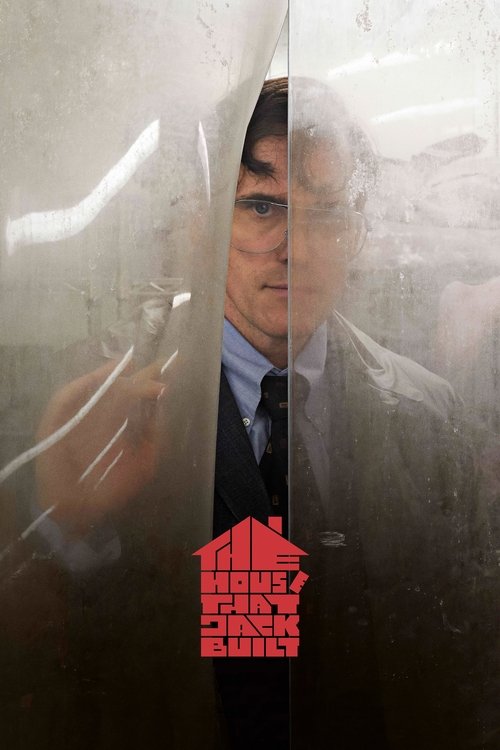
Jack, a methodical intellectual killer, narrates his crimes across a twelve-year span and asks the audience to follow his logic.
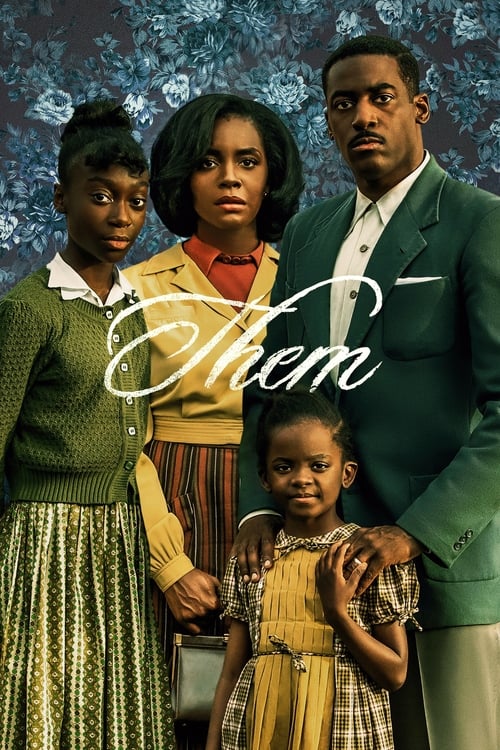
In 1953 Los Angeles, a Black family moves into an all-white neighborhood and finds that the terror in their new home comes from both inside and outside its walls.
Searching the complete Curated True Crime Horror archive…
No matches found in the Curated True Crime Horror collection. Try a broader title or keyword.
True crime horror is a subgenre of horror film that draws directly from real criminal cases, real killers, or documented events. Some entries adapt the facts closely, while others use a real case as a loose foundation before building out a fictionalized story around it. The genre sits at the intersection of horror's atmospheric dread and true crime's factual weight, and that combination tends to hit harder than either genre does alone. Films like Henry: Portrait of a Serial Killer, Zodiac, and The Honeymoon Killers are common reference points.
True crime horror sticks close enough to the source case that the real events are still recognizable on screen. A horror movie "based on a true story" often uses a real case only as a starting point and then diverges significantly into fiction. The Texas Chain Saw Massacre, for example, borrows from Ed Gein but doesn't adapt any specific crime. True crime horror, by contrast, tends to preserve names, timelines, or documented details and frames them inside a horror structure rather than a straight documentary approach.
Both genres work on the same basic response: controlled fear in a safe context. Horror fans are already drawn to stories that explore the darker edges of human behavior, and true crime offers that without supernatural distance. The fact that these events actually happened adds a layer of unease that no fictional monster can fully replicate. There's also a documentary credibility to true crime horror that rewards viewers who already know the cases.
The line comes down to whether the film has a genuine perspective on the material. Well-curated true crime horror contextualizes the crime, gives the victims a real presence, and uses the horror framework to say something about the case rather than just mine it for shock. Exploitative entries tend to linger on violence without consequence or treat real victims as props. Films that are considered strong entries in the genre, like Monster or Zodiac, treat their subjects as human beings, not just horror beats.
For many viewers, yes. The knowledge that events actually happened removes the safety net that fictional horror provides. A creature or ghost stays in the movie; a real killer was a real person who existed in the real world. That residue follows viewers out of the theater in a way that invented horror rarely does. Whether that makes true crime horror "better" depends entirely on what the viewer is looking for from the genre.
Beyond the well-known entries like Psycho and The Silence of the Lambs, there's a solid tier of overlooked films worth tracking down. The Honeymoon Killers (1970) is an early example of clinical, fact-adjacent true crime filmmaking with a documentary feel. Henry: Portrait of a Serial Killer (1986) remains one of the most uncomfortable and genuinely unsettling portraits of a murderer ever put on film. Compliance (2012) uses a real phone scam case to build a horror scenario without a single act of violence. These are all entries on the HorroRated archive for good reason.
Yes. HorroRated maintains a hand-curated True Crime collection covering horror films rooted in documented criminal cases, real killers, and events adapted from the public record. Every entry in the collection is reviewed and scored using the same rating system applied across the full archive. The collection focuses on films where the real-world source material is central to the experience, not just a marketing footnote.