
28 Weeks Later
2007 · MovieThe rage virus has spread to continental Europe twenty-eight weeks after Britain was declared safe enough to repopulate.
The family unit is horror's most reliable pressure cooker. Curated family horror uses the home, the bloodline, and the people you're supposed to trust as the source of everything wrong. These films work because the relationships are real before the horror ever arrives.
The rage virus has spread to continental Europe twenty-eight weeks after Britain was declared safe enough to repopulate.

Lisa and Kate agree to a shark cage dive off the Mexican coast. The winch fails at depth.
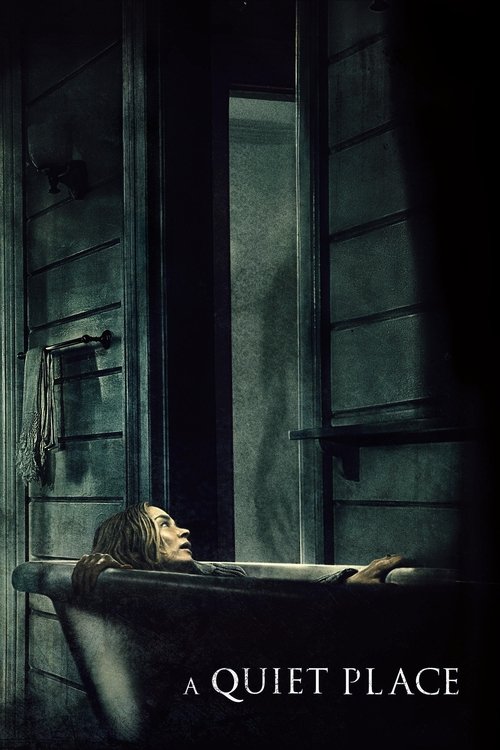
The Abbott family survives in a world where making any sound will get you killed. The film follows a crucial period in that survival.
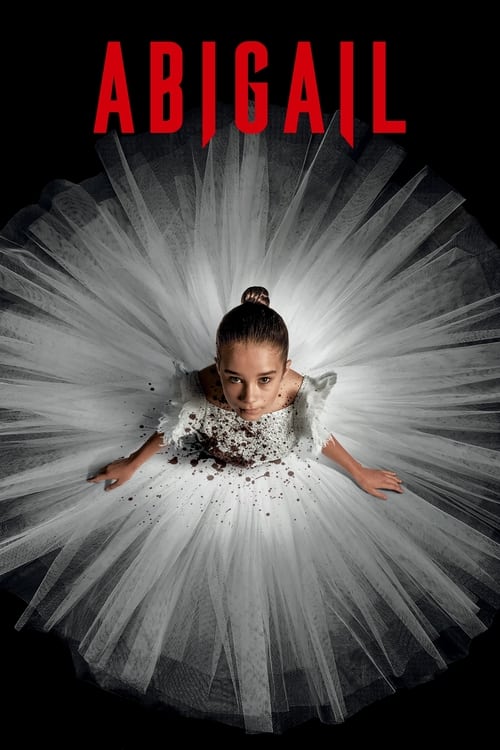
Abigail is taken as leverage by a crew hired to hold her for ransom overnight. The team discovers over the course of the night that their target is significantly more dangerous than they were briefed.
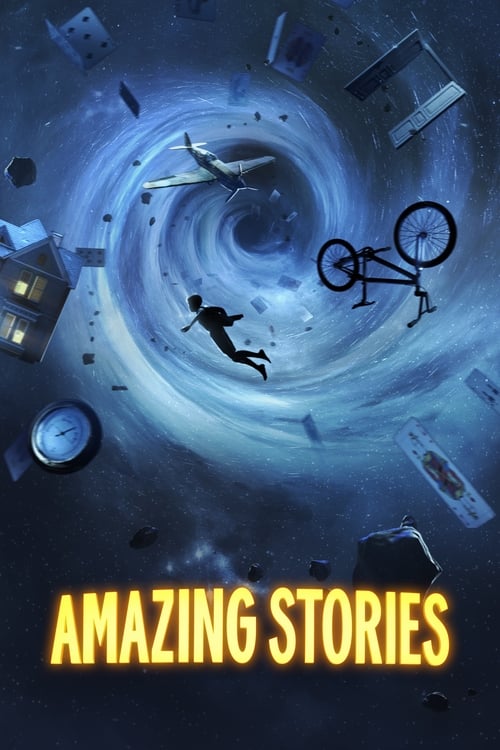
Steven Spielberg's anthology revival transports everyday characters into worlds of wonder, strangeness, and genuine unease.
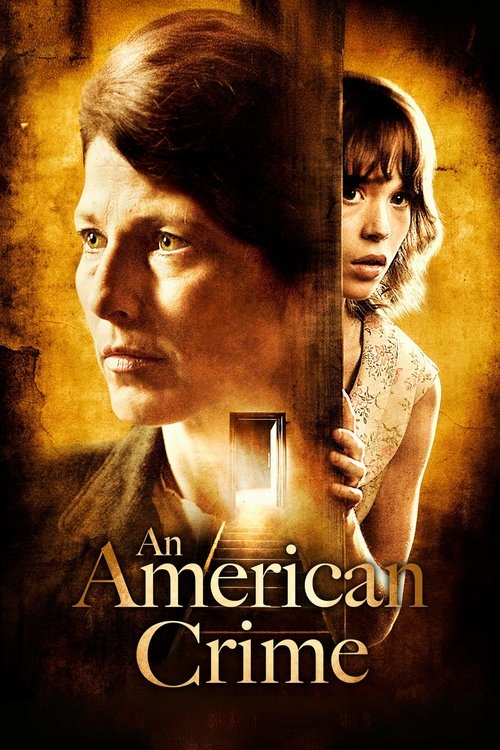
Sylvia Likens is left in the care of Gertrude Baniszewski while her parents travel with a carnival. The situation deteriorates methodically over months.
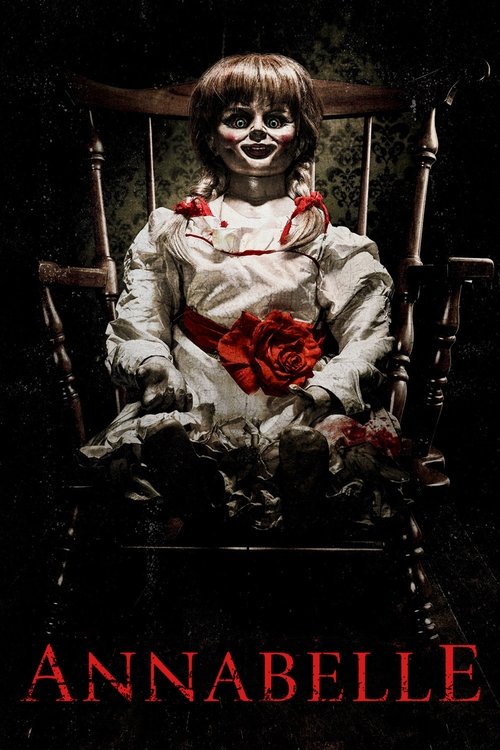
John and Mia Form bring the Annabelle doll home after a Warren investigation and the entity attached to it pursues what it originally came for.
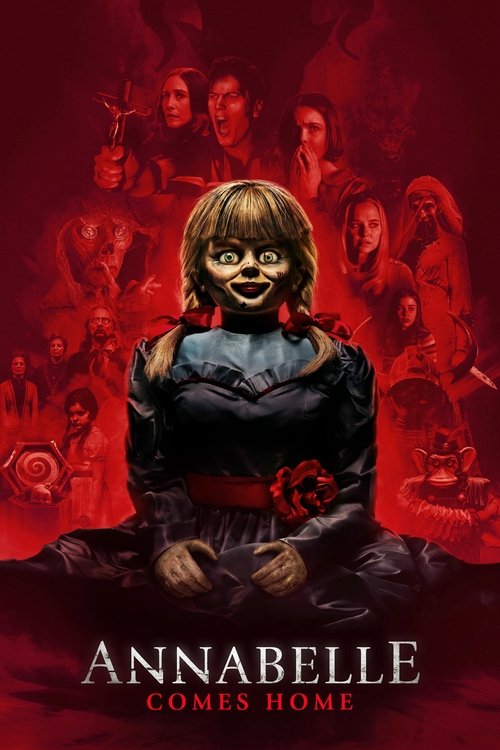
Ed and Lorraine Warren lock the Annabelle doll away in their occult museum. Their daughter's babysitter and a curious friend accidentally set every other cursed object in the room loose in a single night.
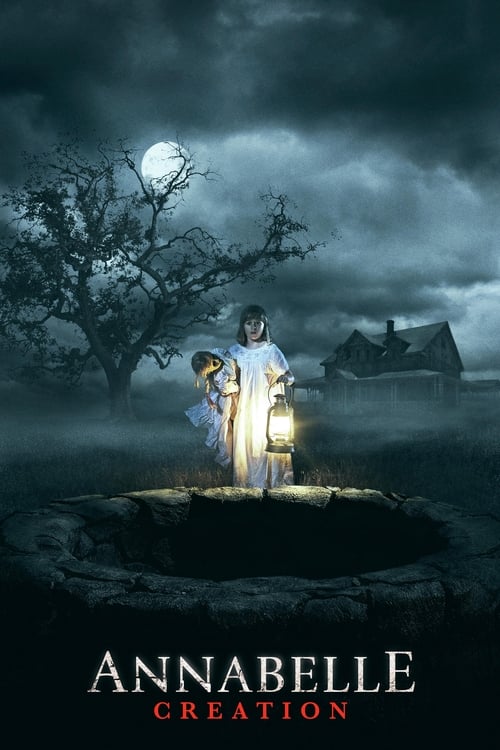
A group of orphaned girls is placed in the Mullins household in the 1950s, where the parents have been living with a tragedy and something attached to a doll.
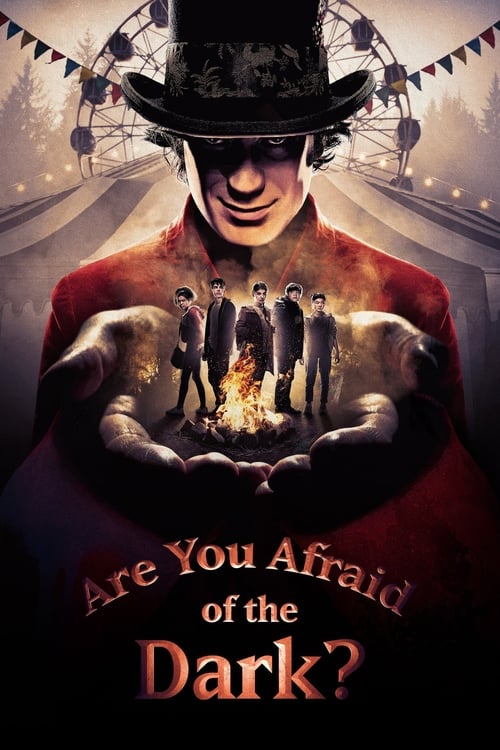
The Midnight Society returns with a new structure: each season tells one sustained horror story across five episodes, and this time the campfire tales are real.
Kids gather around a campfire to tell each other scary stories, and the show dramatizes each tale with enough genuine menace to actually scare its audience.

Nina Sayers is cast as the Swan Queen and finds that the dual role demands more of her than technique alone can provide.

Bee hosts a birthday celebration for Sophie in a New York apartment. A party game escalates into accusations that turn lethal.

Lee and Maren are cannibals trying to understand their compulsion and each other while moving through 1980s America.
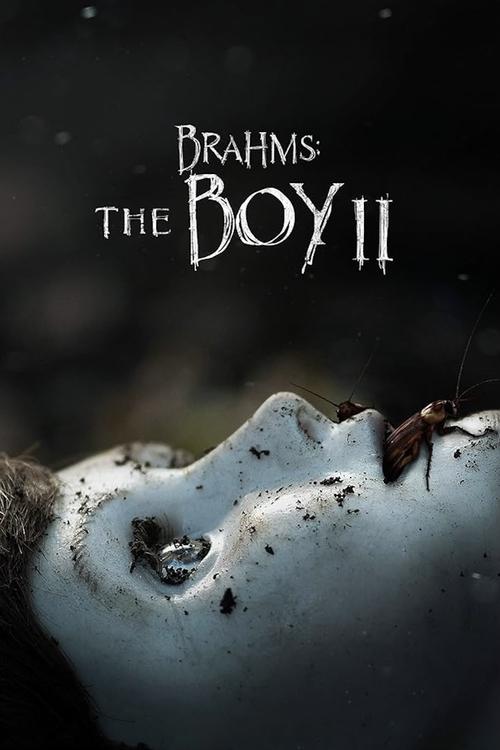
Jude and his stepmother Liza move to an English cottage and find Brahms the doll in the attic. Jude forms an attachment to it that the film watches through installed camera feeds.
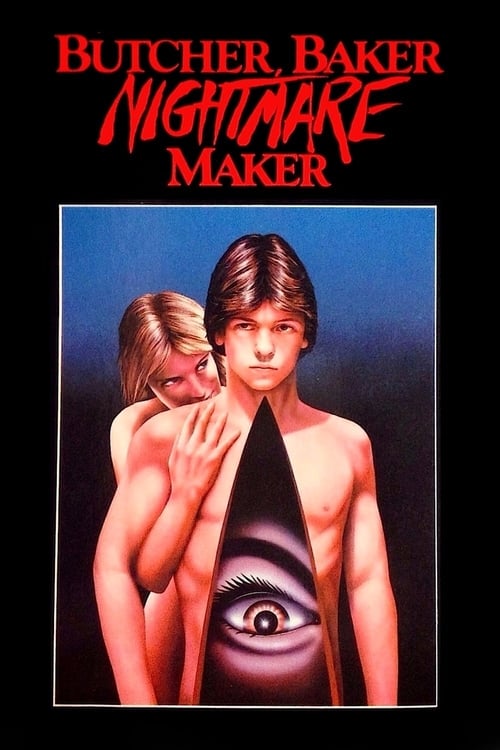
Billy Lynch has grown up under the total control of the aunt who raised him and she has no intention of letting him leave. When she kills a man in their kitchen, the investigation that follows exposes something much darker than anyone expected.
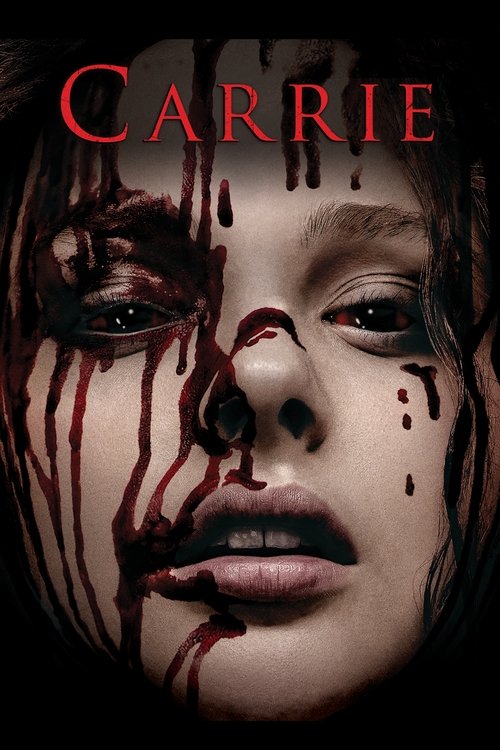
A shy, isolated teenager with telekinetic abilities faces her worst impulse at the worst possible moment.
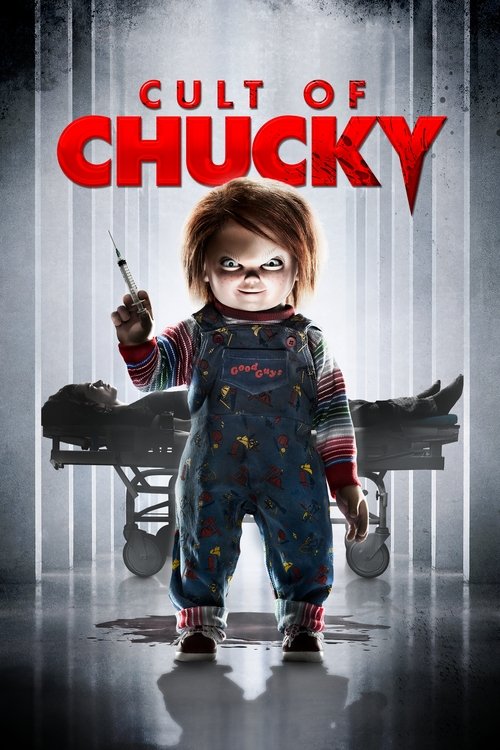
Chucky can now possess multiple dolls simultaneously. Nica Pierce is in a psychiatric facility where a new Good Guy doll arrives.
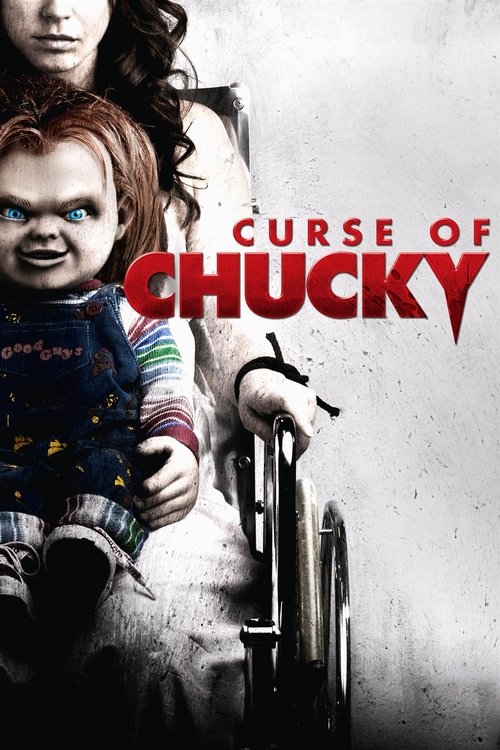
A Good Guy doll arrives at a grandmother's house as a gift and turns its attention to her granddaughter.

A pharmaceutical researcher discovers a unicorn with healing properties. The corporate response to the discovery escalates beyond what anyone is prepared for.
Searching the complete Curated Family Horror archive…
No matches found in the Curated Family Horror collection. Try a broader title or keyword.
Curated family horror is a hand-selected category of horror films that deliver genuine scares and atmosphere without the gore, mature content, or extreme violence found in adult horror. The films in this category are chosen based on craft, tone, and age-appropriateness, not just a rating. On HorroRated, each title is reviewed individually so you know exactly what you're getting before you press play. The goal is to find horror that works for the whole room, not just the youngest person in it.
Family-friendly is a broad label that can mean anything from a Disney cartoon to a PG-13 thriller with heavy themes. Curated family horror is more specific: these are films that lean into horror atmosphere, creature design, suspense, and genre conventions while staying accessible to kids and watchable for adults. They tend to have real stakes and genuine tension. The curation part means someone has actually screened and assessed each title rather than relying on a rating alone.
Most child development experts suggest kids under 7 struggle to separate fantasy from reality, which can make even mild horror genuinely distressing for them. For ages 7 to 10, atmospheric and comedic horror tends to work best, especially stop-motion films and monster comedies. Tweens and teens are generally ready for more tension and darker themes. The right call depends on the individual kid, so knowing your child's scare threshold matters more than the rating on the box.
The best family horror films work on two levels at once: kids get the spooky atmosphere and adventure, and adults get enough craft, wit, or genre depth to stay engaged. Strong character work, a clear moral frame, and scares rooted in suspense rather than shock tend to hold up across ages. Practical effects, stop-motion animation, and monster design that rewards attention are often signs of a film that's been made with care rather than just produced to fill a release slot.
Most family horror lists recycle the same ten titles without much context about why each film works or who it actually works for. HorroRated reviews each entry individually and rates it on a 0 to 5 scale with written verdicts, so you can assess fit before committing to a movie night. The Family Horror collection on HorroRated filters out the noise and focuses on titles that hold up under scrutiny rather than just checking a box.
Not always. Several classic PG horror films, including Gremlins and Poltergeist, were rated before the PG-13 category existed and contain content that would likely earn a harder rating today. A PG rating tells you about content categories but not about tone, intensity, or how a film handles its scary moments. Reading an actual review of the specific film is more useful than relying on the rating alone, especially for younger or more sensitive viewers.