Frankenstein
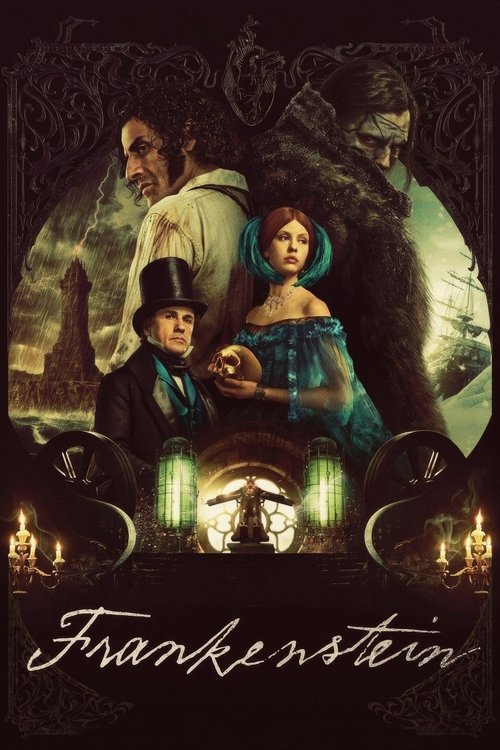
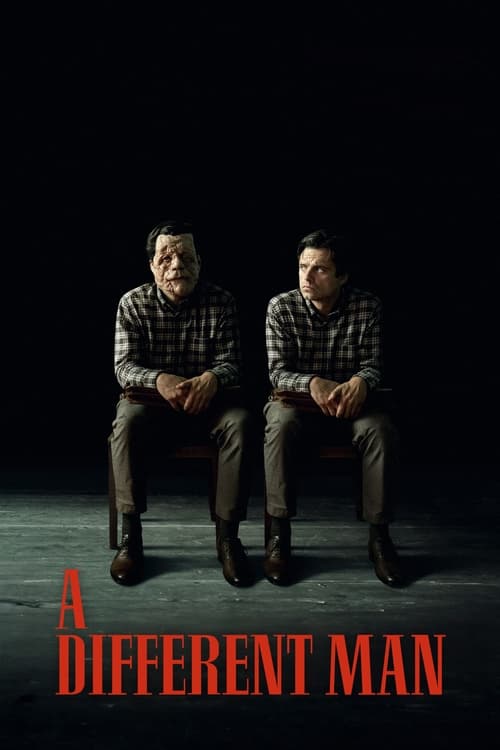
2025 · MovieGuillermo del Toro's Frankenstein brings the weight of a director who has spent his entire career thinking about monsters and what they mean.
Science without ethics is just experimentation with better funding. Curated mad scientist horror has always been a referendum on ambition, what happens when curiosity outpaces conscience and the lab becomes the last place you'd want to be. Frankenstein asked the question first. These films never stopped answering it.

Guillermo del Toro's Frankenstein brings the weight of a director who has spent his entire career thinking about monsters and what they mean.
Searching the complete Curated Mad Scientist Horror archive…
No matches found in the Curated Mad Scientist Horror collection. Try a broader title or keyword.
Mad scientist horror is a subgenre where a scientist's obsessive pursuit of forbidden knowledge drives the plot and generates the threat. The danger doesn't come from a monster or a supernatural force; it comes from human ambition, hubris, and the refusal to stop. Films like Frankenstein (1931), The Fly (1986), and Re-Animator (1985) are foundational examples, each centering a scientist whose experiments spiral into catastrophe. The subgenre sits at the intersection of horror and science fiction, and it's one of the oldest archetypes in the genre, traceable directly to Mary Shelley's 1818 novel.
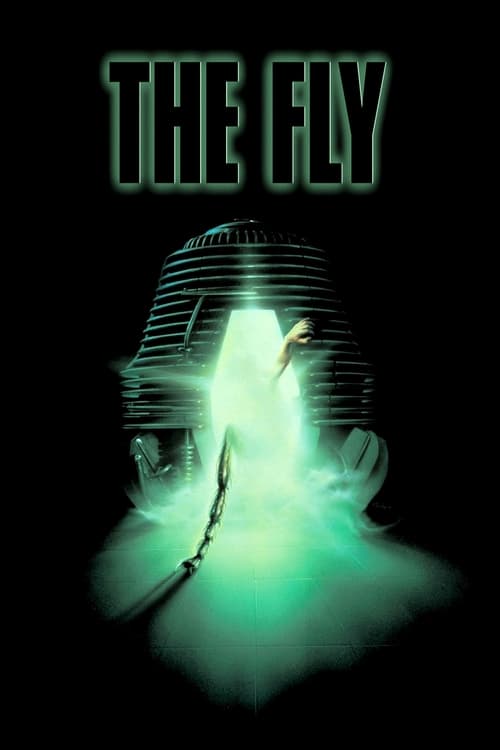
The two overlap heavily but aren't the same thing. Body horror focuses on physical transformation, mutation, or violation of the human form as the central source of dread. Mad scientist horror is about who caused it and why. A film like The Fly is both: Cronenberg uses Seth Brundle's disintegrating body to tell a story about a scientist who pushed too far. But not all mad scientist films lean on body horror, and not all body horror involves a scientist. The distinction matters when you're picking what to watch; if you want ethical dread and obsessive characters, that's the mad scientist lane.
The strongest entries in the subgenre give the scientist a coherent, even understandable logic. Herbert West in Re-Animator isn't just evil; he genuinely believes death is a problem worth solving. That clarity of obsession is what separates memorable mad scientist characters from generic villains with lab coats. Films that use the scientist as an excuse for gore without establishing stakes or character tend to feel thin. The best ones make you understand the obsession before they show you the consequences.
Not exactly. Sci-fi horror is a broader category that includes alien invasions, AI threats, apocalyptic pandemics, and deep space dread. Mad scientist horror is a specific archetype within that space, one where a human character, not an external force, is the origin of everything that goes wrong. You can have sci-fi horror without a scientist character at all. When the scientist is present and their choices are the engine of the story, that's when you're in mad scientist territory.
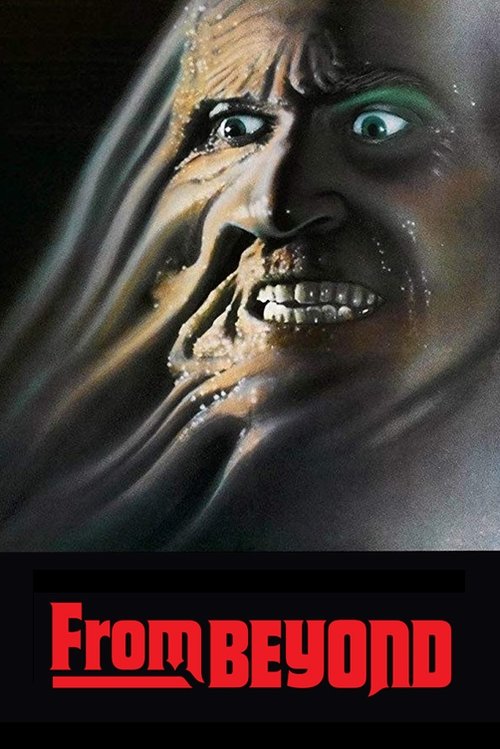
Beyond the obvious titles like Frankenstein and The Fly, a few films consistently get skipped. Eyes Without a Face (1960) is a French-language slow burn about a plastic surgeon's desperate attempts to restore his daughter's face, with quietly devastating practical effects. Altered States (1980) takes a more psychedelic approach, following a scientist who uses sensory deprivation and hallucinogens to regress toward a primal state. From Beyond (1986), another Stuart Gordon film, is meaner and stranger than Re-Animator and rewards viewers who want something that goes further. HorroRated covers all three with full verdicts and context.
Not always, though the two overlap more often than not. A scientist tampering with the mind, as in Get Out (2017), can be just as disturbing without physical mutation being the main focus. Films like Disturbing Behavior (1998) or The Men Who Stare at Goats adjacent territory keep the horror in behavioral control and psychological manipulation. When body transformation does appear, it tends to hit harder because the scientist is both the cause and, sometimes, the first victim.
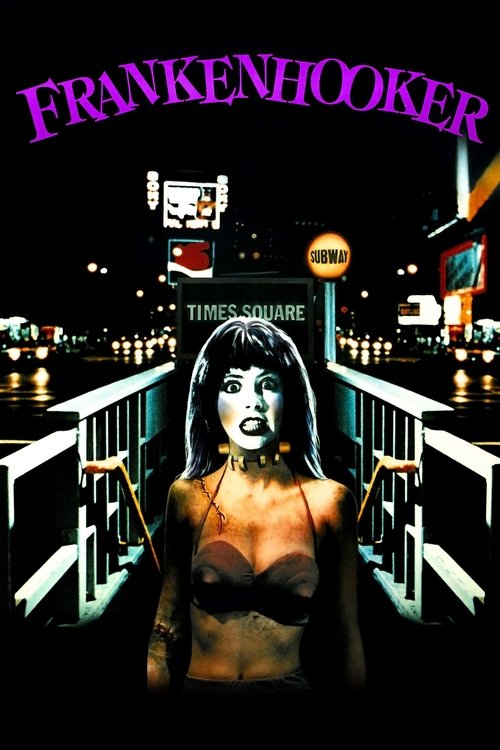
A ranked list is usually built by vote count or aggregate scores, which means popular films dominate and older or less-seen entries rarely surface. A curated list is built by editorial judgment: someone with a point of view selects films based on craft, context, and what the viewer actually needs to understand the subgenre. HorroRated's approach to mad scientist horror prioritizes films that illustrate different facets of the trope, not just the ones with the highest IMDb scores. That's why overlooked titles like The Awful Dr. Orloff (1962) or Frankenhooker (1990) have a place alongside the canonical entries.