
A Nightmare on Elm Street (1984)
1984 · MovieTeenagers on Elm Street are sharing nightmares about a burned man with knives for fingers. When the deaths start, one of them has to stay awake long enough to figure out how to stop him.
Foam latex. Animatronics. In-camera blood rigs. The techniques behind curated practical FX in horror are half the story. These films are on this list because the craft holds up, sometimes better than anything a render farm could produce. Watch the making-ofs. You'll never see these the same way.
Teenagers on Elm Street are sharing nightmares about a burned man with knives for fingers. When the deaths start, one of them has to stay awake long enough to figure out how to stop him.
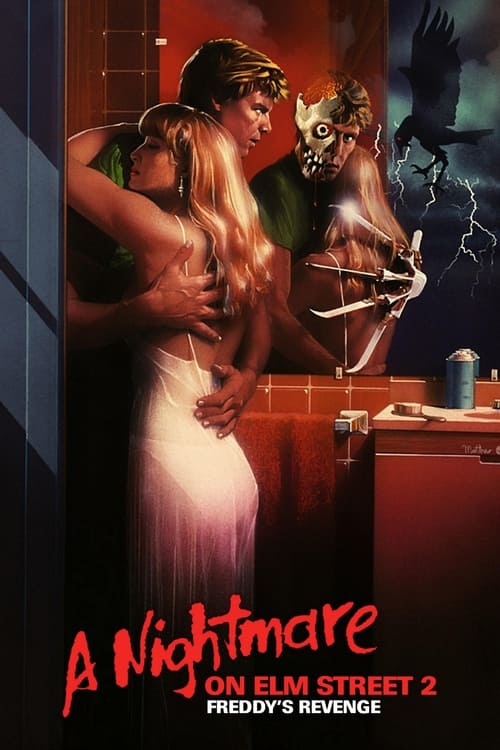
Jesse Walsh moves into Nancy Thompson's old house five years after the original nightmare ended. Freddy Krueger wants inside him, not just inside his dreams.
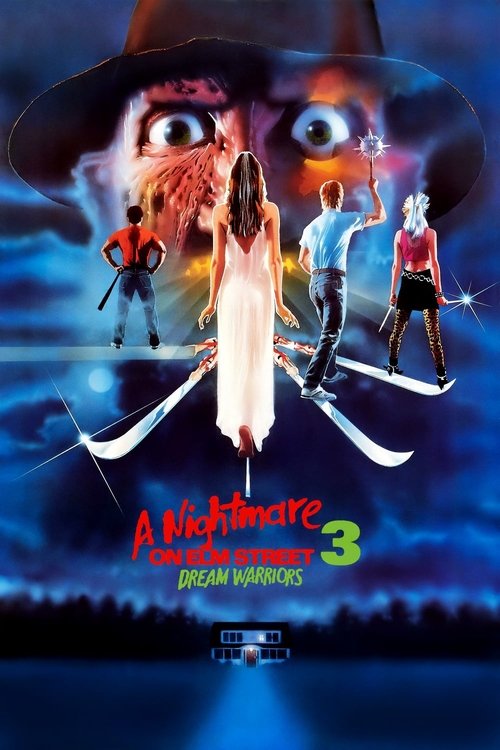
The last surviving kids of Elm Street are locked in a psychiatric hospital, dismissed as troubled teenagers. Nancy Thompson knows better, and she's come back to teach them how to fight Freddy in the only place he can actually be beaten.
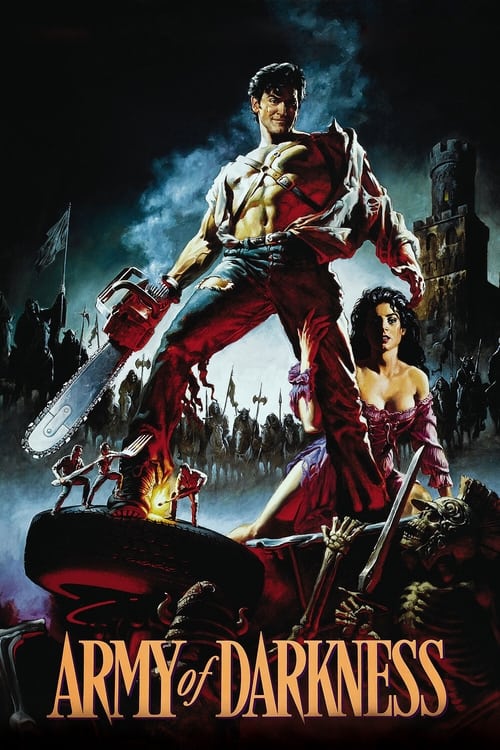
Ash Williams gets pulled through a time portal and ends up in medieval England, where he's expected to fight off an undead army with a chainsaw and a lot of attitude.
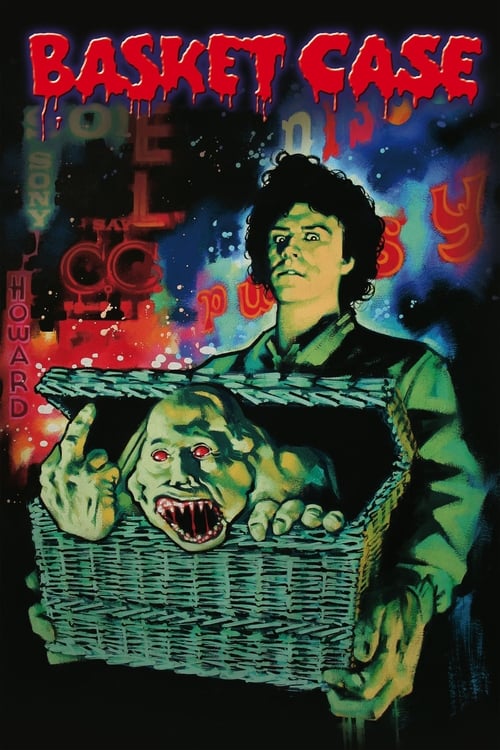
Duane Bradley checks into a Times Square hotel with a locked wicker basket containing his brother Belial, and together they have a list of people to visit. What's inside the basket is the plan.
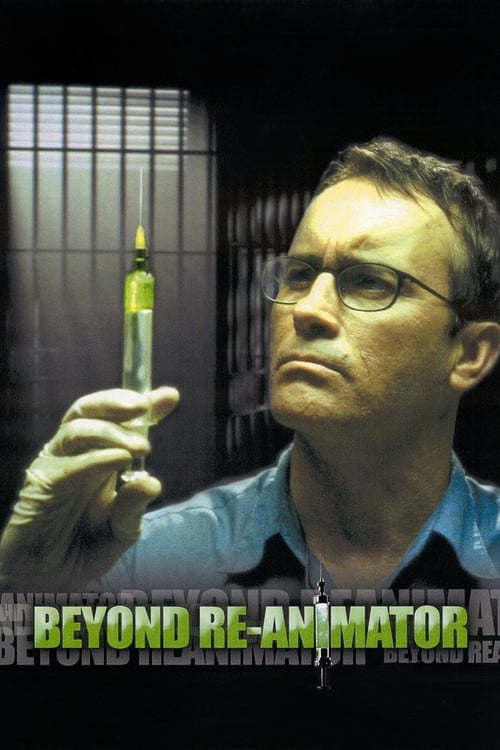
Herbert West is serving time in a maximum security prison in Spain. A young doctor gets him access to a laboratory and the experiments continue.

Two brothers run a health food diner, take instructions from their uncle's preserved brain in a jar, and kill people for their cooking. It's exactly as unhinged as it sounds.
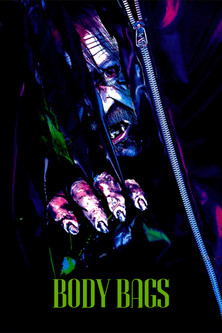
Three short horror stories hosted by a wisecracking coroner: a gas station night shift, a desperate hair transplant, and a transplanted eye with a troubling past.
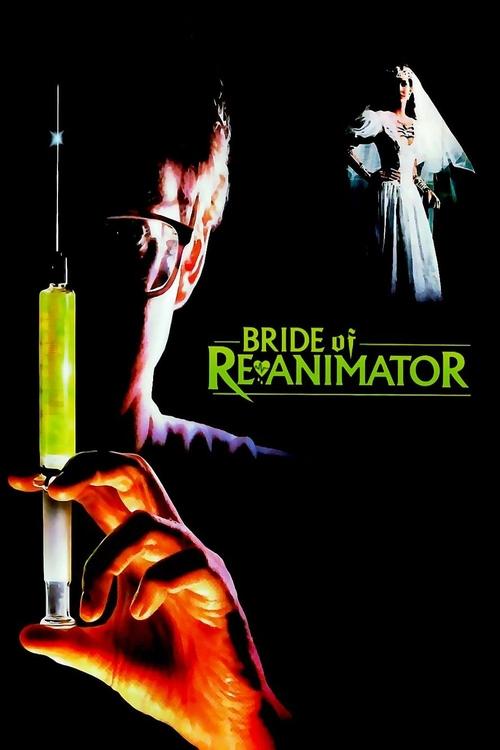
Herbert West is back in Peru after the events of the first film, then attached to a hospital in Spain with a reliable supply of experimental subjects.
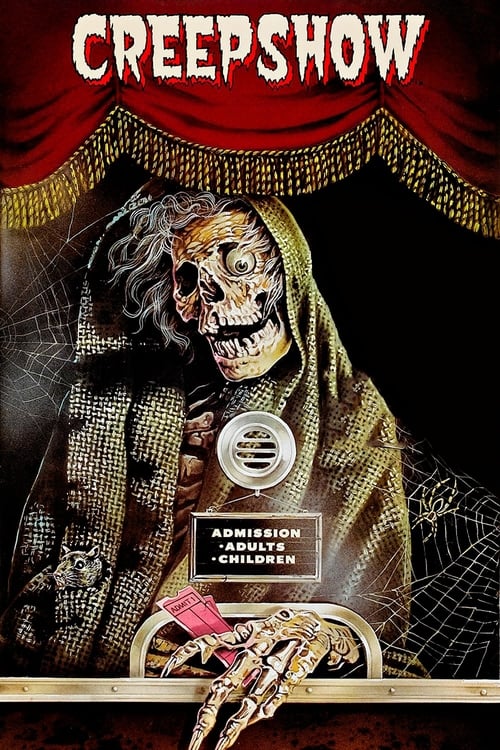
Five horror stories pulled from a pulp comic, each one about someone getting exactly what they deserve. Mean, colorful, and in a very good mood about it.
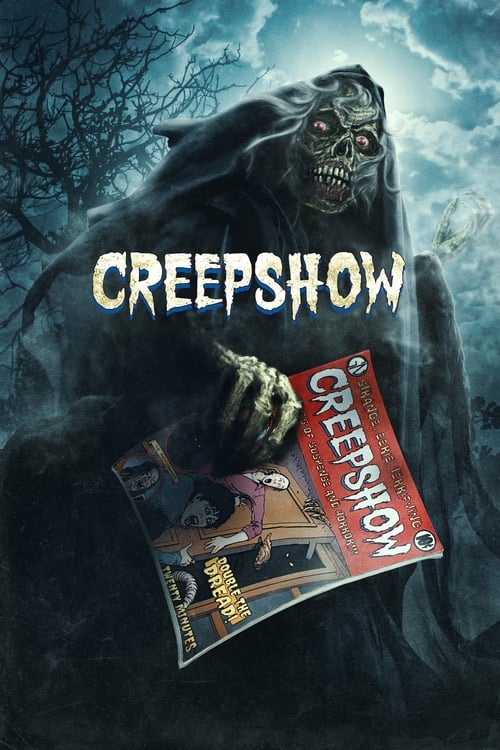
The Creep hosts short horror stories adapted from the comics, brought to life with practical effects and that same mean streak the original Creepshow films had.
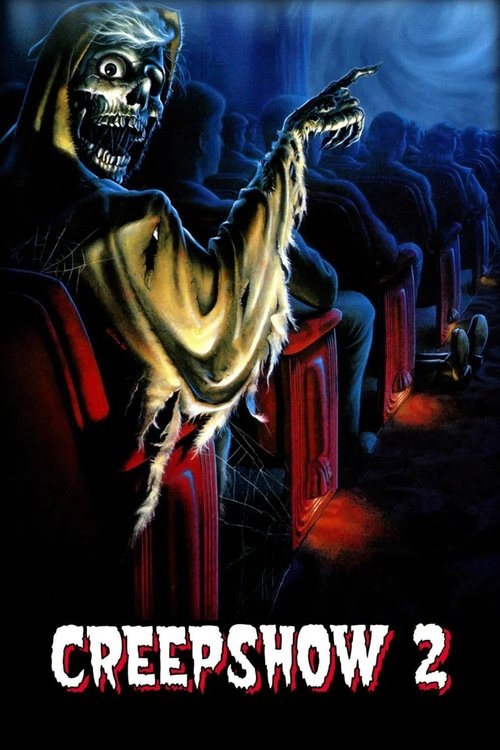
Three horror stories from the same pulp comic: a wooden statue that remembers a debt, a lake with something in it that won't let anyone swim to shore, and a hitchhiker who keeps showing up.

Two lifelong rivals competing over the same man both drink a potion that promises eternal youth. The side effects are not clearly disclosed.
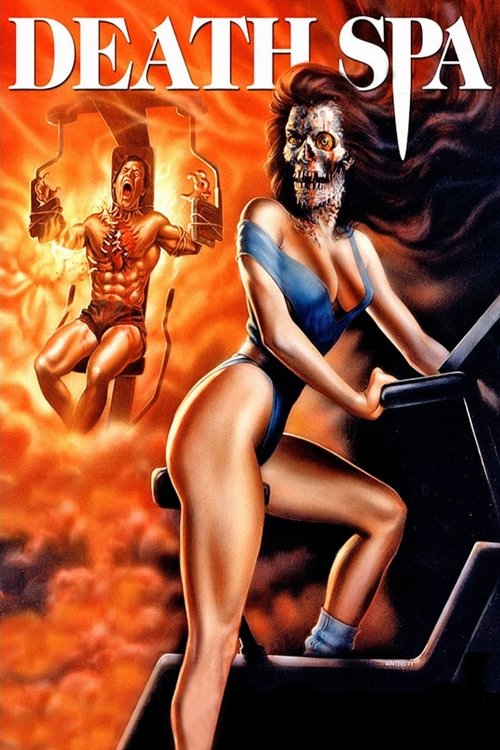
Michael's state-of-the-art health club runs on a computer system that handles everything from the sauna to the tanning beds. His dead wife has found a way to log in.
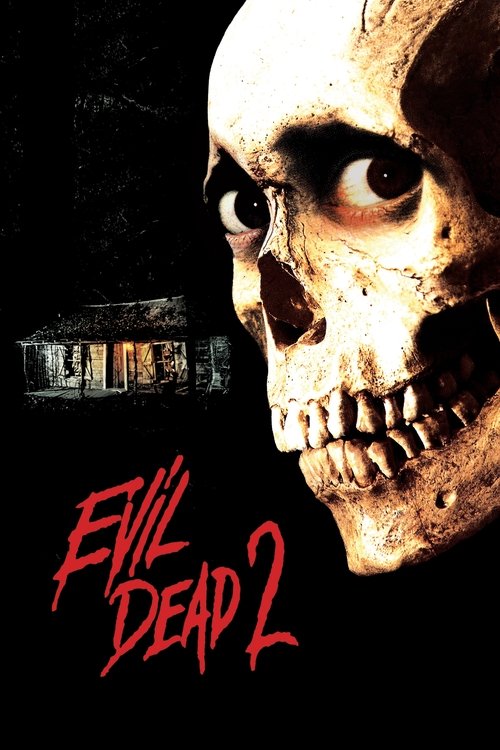
Ash is back in the cabin and the night ahead of him gets progressively, hilariously, horrifyingly worse. The tape plays again.
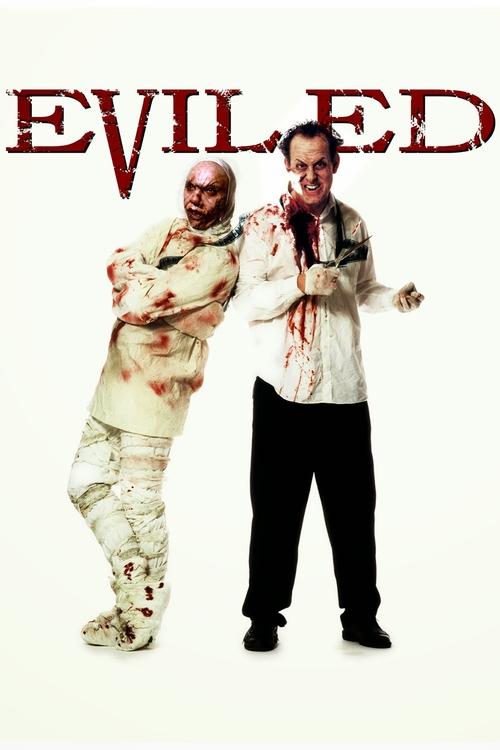
A mild-mannered film editor is reassigned to cut a series of violent splatter films and locked in a cottage alone to do the work. The footage changes him.

Mike Schmidt takes the night shift at Freddy Fazbear's Pizzeria badly enough to ignore the warning signs. The five nights that follow reveal a history at the restaurant connected to his own past.
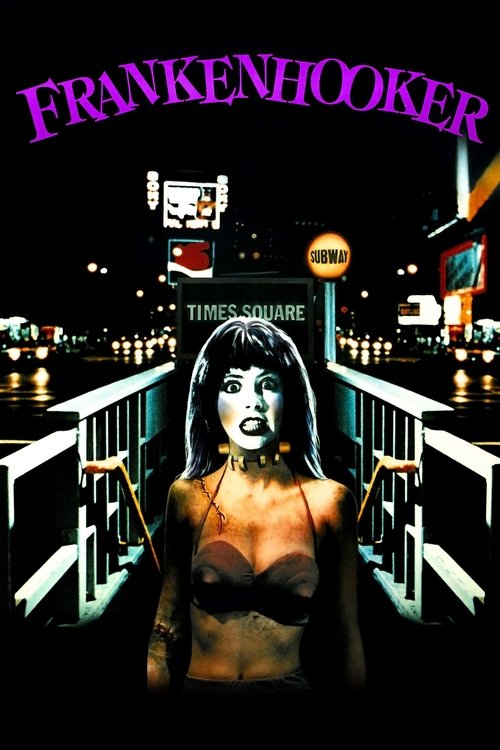
Jeffrey Franken loses his fiancée Elizabeth to a horrific lawnmower accident and decides to bring her back. Since he only saved her head, he goes shopping for the rest.
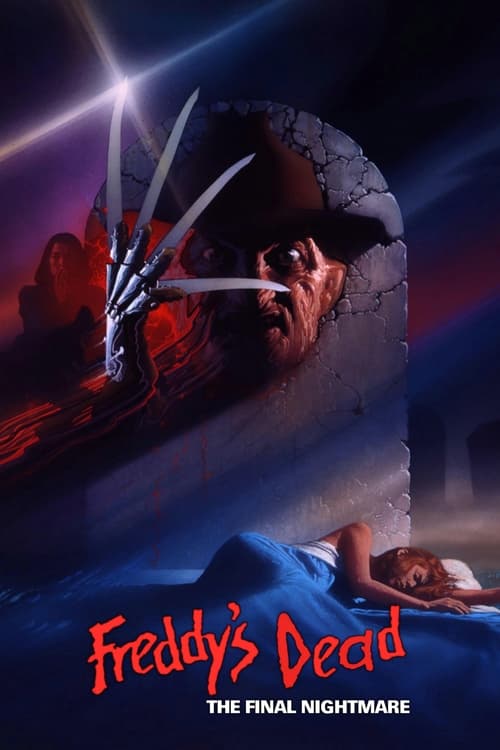
Freddy has killed every kid in Springwood except one. He needs an amnesiac stranger to lead him to the daughter he's been hiding for decades, the only person left who can finally end him.

Camp Crystal Lake is reopening after years of deaths nobody fully explained and a new group of counselors has moved in to prepare for the season. Somebody's already there.
Searching the complete Curated Practical FX in Horror archive…
No matches found in the Curated Practical FX in Horror collection. Try a broader title or keyword.
Practical effects, also called SFX or special effects, are physical, real-world techniques created on set and captured in-camera. In horror, that means prosthetics, animatronics, latex creature suits, puppetry, fake blood, and miniatures. Unlike CGI, which is added in post-production, practical effects happen in front of the lens in real time. Actors can actually react to them, which is a big part of why they tend to read as more visceral on screen.
Practical effects are built from physical materials, so they carry weight and texture that digital creations often can't replicate. A latex creature exists in the same physical space as the actors, and the camera responds to it the same way it responds to anything real. CGI, even when technically impressive, can feel lightweight or frictionless in a way that undercuts fear. Films like The Thing (1982) and An American Werewolf in London (1981) still unsettle audiences today precisely because the effects have mass.
John Carpenter's The Thing (1982) is the most cited benchmark, with Rob Bottin's creature work still considered a high-water mark for the form. An American Werewolf in London (1981) won the first-ever Academy Award for Best Makeup for its transformation sequence. The Fly (1986), Evil Dead II (1987), Alien (1979), and Videodrome (1983) also rank among the most technically inventive. HorroRated covers a wide range of practical FX horror across eras, including overlooked entries that don't always appear on mainstream lists.
Practical effects are physical, built on set, and captured in-camera. CGI is generated digitally and composited in post-production. In horror specifically, the distinction matters because fear relies on believability, and physical objects interact with light, shadow, and actors in ways that are difficult to recreate digitally. Many contemporary productions use both, with practical effects shot on set and CGI used to extend or enhance them. When CGI replaces practical work entirely, horror fans tend to notice.
Yes, and that's a big part of what HorroRated tracks. Beyond the commonly cited titles, films like Society (1989), The Beyond (1981), Braindead (1992), and Harbinger Down (2015) all feature practical work worth seeking out for effects-focused viewers. Regional productions and lower-budget genre films from the 1970s through the 1990s often took bigger risks with practical craft precisely because CGI wasn't an option. The HorroRated Practical FX collection is a good starting point if you want curated picks rather than another list of the obvious ones.
Horror depends on physical dread more than almost any other genre. The effectiveness of a scare is closely tied to how real the threat looks and feels, so the craft behind creature design and gore effects matters in a way it doesn't in, say, an action film. Practical effects also tend to age better, which matters for a genre with a deep collector culture around physical media. For horror fans, a well-executed latex transformation or animatronic creature carries a kind of credibility that CGI rarely earns in the same context.