
A Quiet Place: Day One
2024 · MovieSamira just wanted pizza and one last good day in New York. She got the invasion that started the whole franchise instead.
The city has its own mythology. Alleyways, rooftops, subway platforms at midnight, curated urban horror uses dense, populated environments to isolate its characters in plain sight. Being surrounded by people has never been a guarantee of safety in these films.
Samira just wanted pizza and one last good day in New York. She got the invasion that started the whole franchise instead.
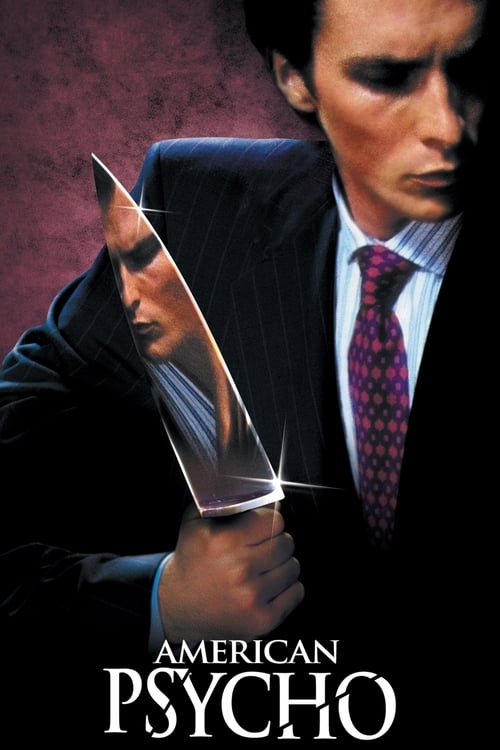
Patrick Bateman is a wealthy Manhattan investment banker in 1987 with a very precise skincare routine, an obsession with business cards, and a body count he may or may not be imagining.
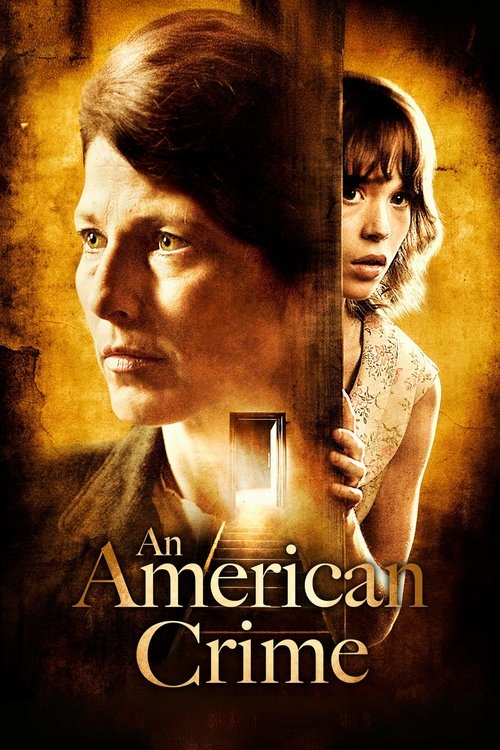
Sylvia Likens is left in the care of Gertrude Baniszewski while her parents travel with a carnival. The situation deteriorates methodically over months.
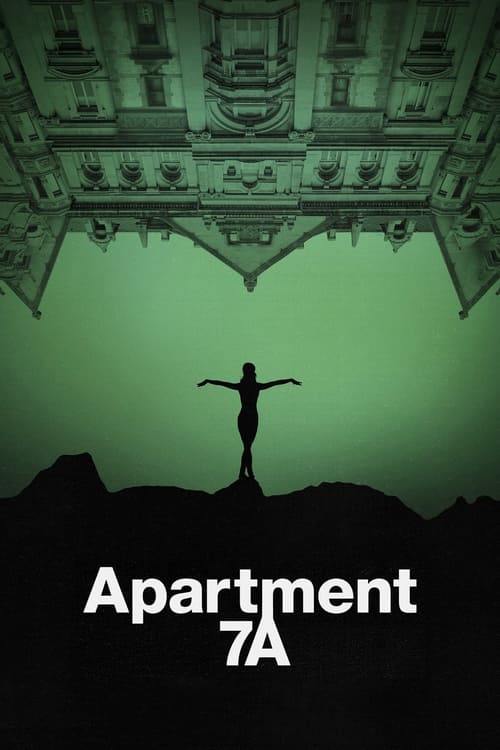
Noa Peretz is hired as a personal assistant to a wealthy older woman in 1979 New York and finds her pregnancy has been arranged as part of a plan connected to events from Rosemary's Baby.
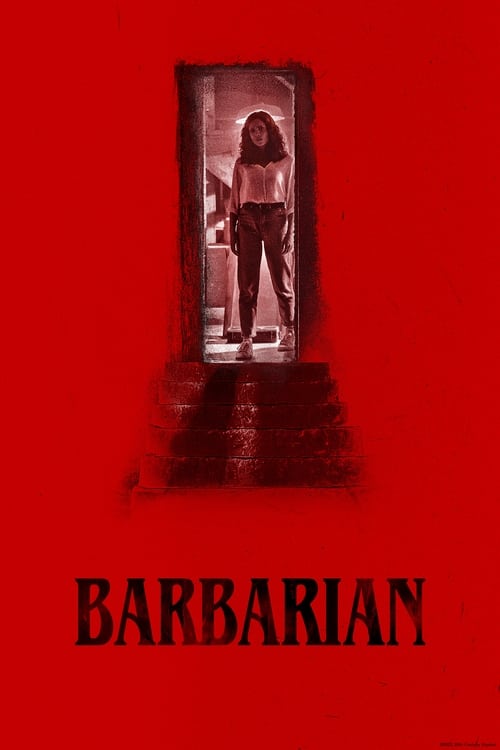
Tess and Keith arrive at a Detroit rental for a business trip and find an unexpected passageway in the basement.
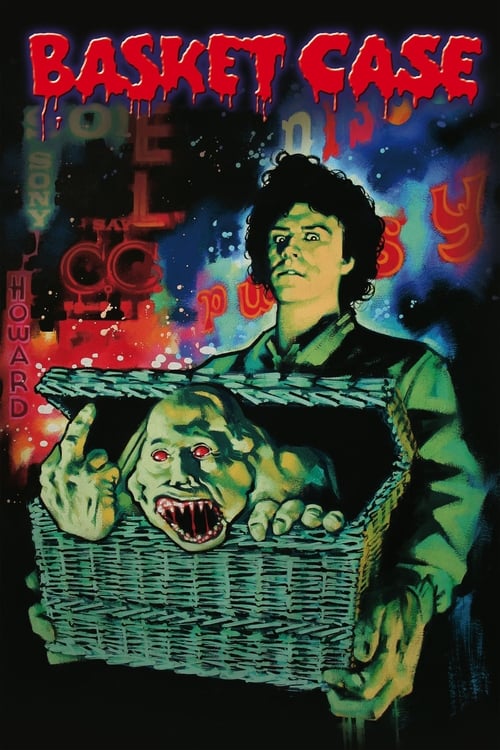
Duane Bradley checks into a Times Square hotel with a locked wicker basket containing his brother Belial, and together they have a list of people to visit. What's inside the basket is the plan.
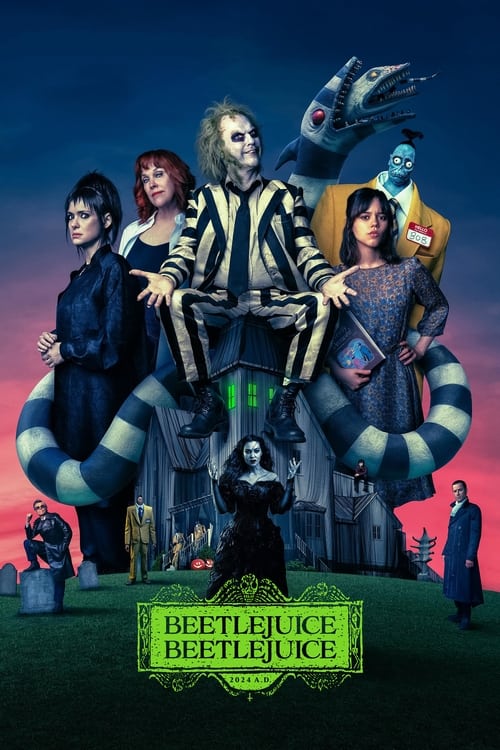
Lydia Deetz's teenage daughter summons Betelgeuse through a supernatural accident thirty-six years after the events of the original film.
Every episode is a self-contained story about what technology does to people when taken to its logical and usually devastating conclusion.

Nina Sayers is cast as the Swan Queen and finds that the dual role demands more of her than technique alone can provide.
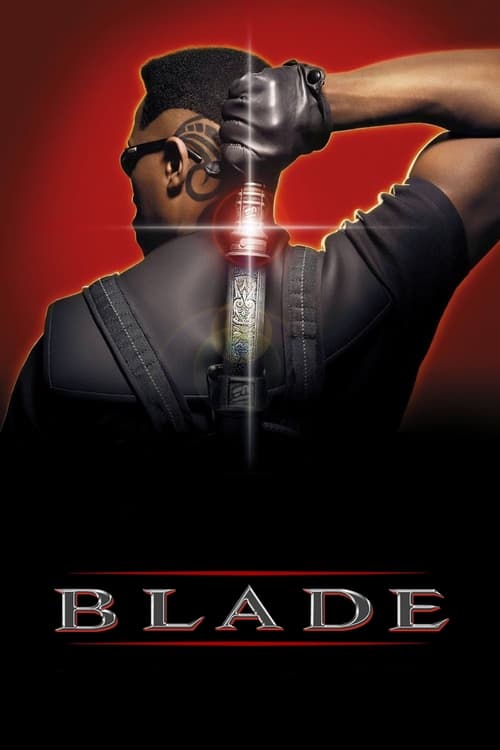
Blade is half-vampire and has spent his whole life using that against the species. The vampire underworld he moves through doesn't know what to do with him.
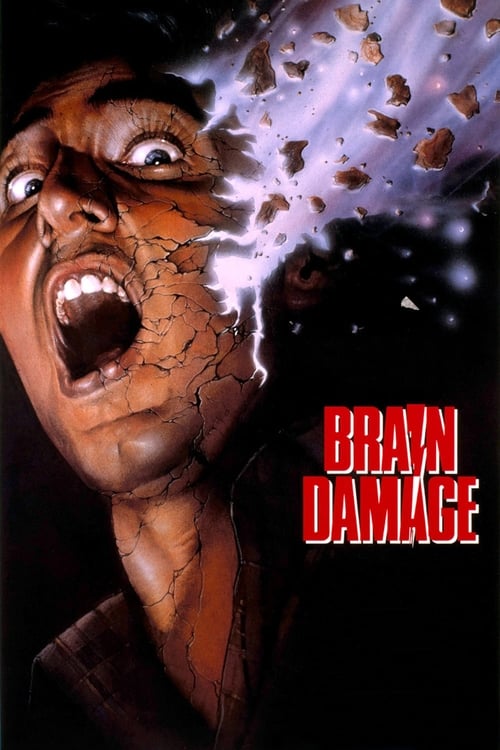
Aylmer, a creature that has attached itself to a young man in his apartment building, injects an addictive fluid into his brain. The arrangement has costs.
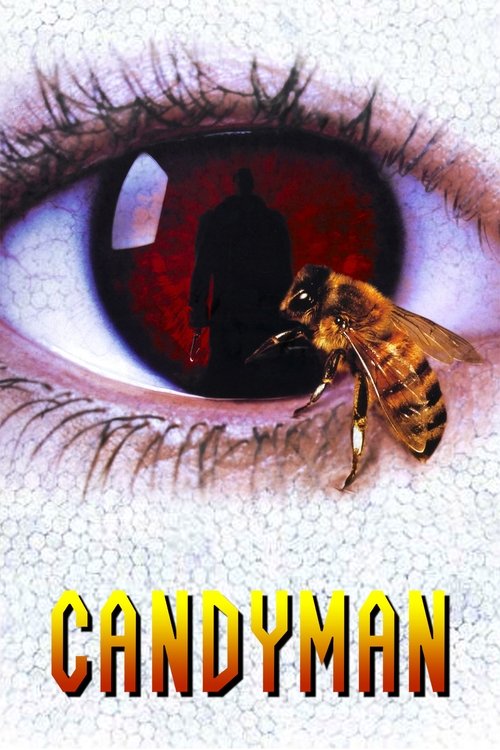
Helen Lyle is researching urban legends and decides to test one by saying a name into a mirror five times. The legend shows up.
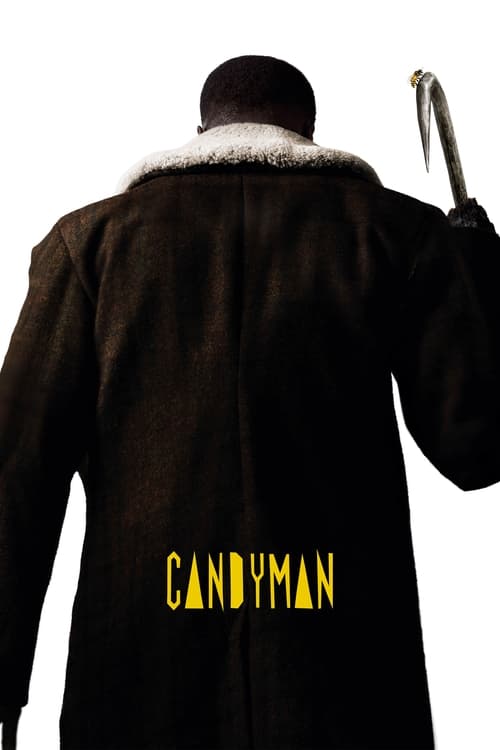
Visual artist Anthony McCoy moves into a development built on the original Cabrini-Green site and researches the Candyman for his work, drawing something's attention.
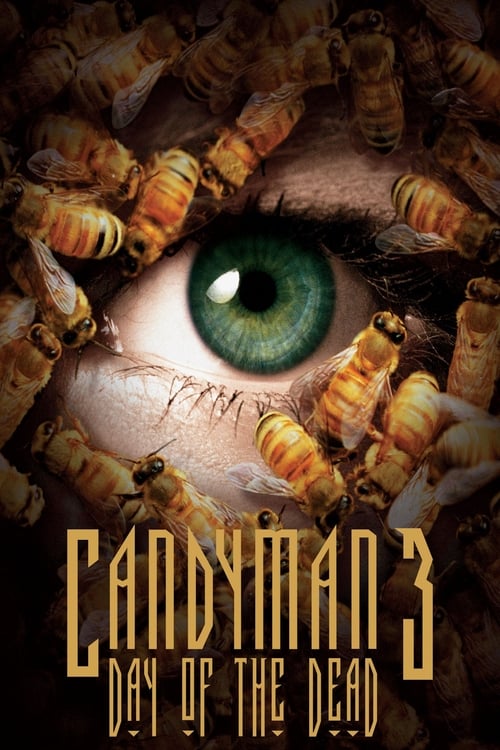
Caroline McKeever unknowingly says the name five times at her own gallery opening. The Candyman answers, and this time he wants her soul more than her blood

A teacher investigating a family secret in New Orleans finds it connected to the same legend her brother died trying to debunk.

Bud Jablonski, a vampire slayer with a side business at a local car wash, is forced to partner with a crew of hunters for a single night's work in the San Fernando Valley.
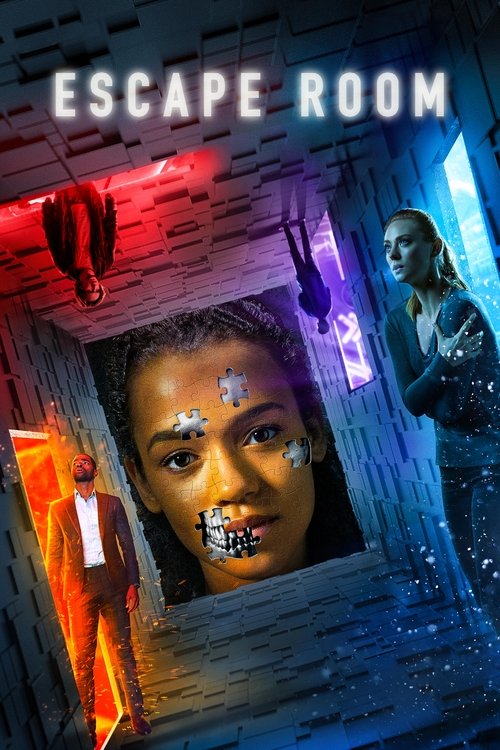
Six strangers are placed in elaborate escape rooms that turn out not to be a game.
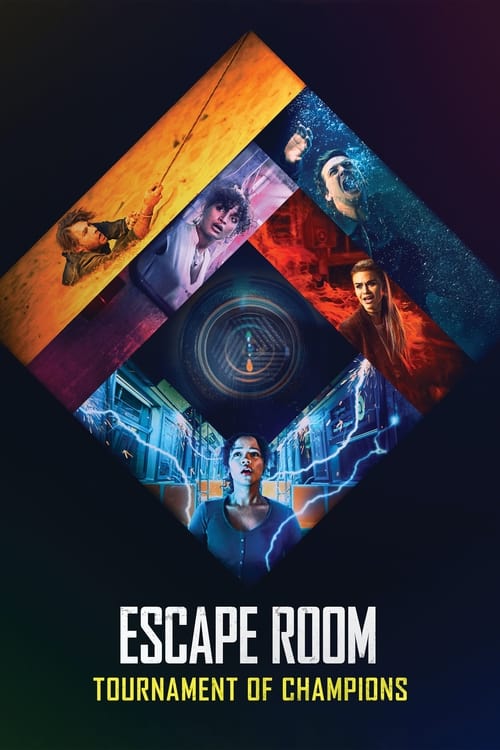
Zoey and Ben are pulled back into the game along with previous winners from other cities. The Minos organization's reach is larger than the first film revealed.
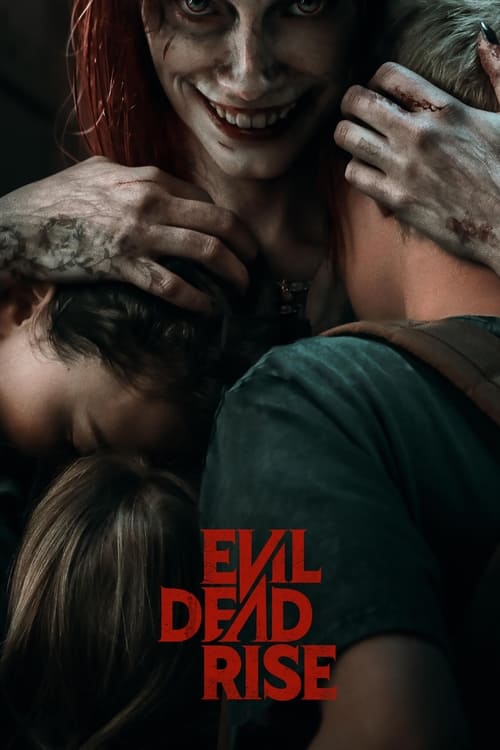
Ellie arrives at her estranged sons' Los Angeles apartment building at the same time as the Naturom Demonto. The deadite infection moves through the building.

Mike Schmidt takes the night shift at Freddy Fazbear's Pizzeria badly enough to ignore the warning signs. The five nights that follow reveal a history at the restaurant connected to his own past.
Searching the complete Curated Urban Horror archive…
No matches found in the Curated Urban Horror collection. Try a broader title or keyword.
Urban horror is a subgenre of horror where the city itself functions as a central element of the fear, not just a backdrop. Unlike cabin-in-the-woods or rural horror, urban horror draws on anonymity, density, inequality, and the particular dread of being surrounded by people and still being totally alone. The threat isn't isolated out in the unknown; it's embedded in the everyday infrastructure of city life. Subways, apartment buildings, alleys, and high-rises all become potential sites of violence, haunting, or collapse.
Rural and suburban horror rely on isolation and unfamiliarity. Urban horror flips that: the terror comes from proximity, familiarity, and the feeling that no one around you will intervene. A crowded street can be more isolating than an empty forest if no one cares what happens to you. Urban horror also tends to carry heavier social weight, with many standout films using the city to explore racial inequality, class violence, and systemic neglect as sources of dread.
Candyman (1992) is probably the most cited example, setting its supernatural legend directly inside Chicago's housing projects and using urban inequality as the engine of its horror. Midnight Meat Train (2008) uses NYC's underground infrastructure for something genuinely unsettling. Attack the Block (2011) roots alien invasion horror in a South London council estate, turning the setting into part of the story's identity. These films don't just happen to take place in a city; they need the city to work.
A few reasons. Horror has historically defaulted to rural settings, partly because isolation is an easy shortcut to helplessness. Urban environments are also more expensive to shoot and raise logistical challenges with crowds, permits, and lighting. There's also a cultural assumption baked in that nature is scary and cities are safe, which the best urban horror actively subverts. The result is that city-set horror tends to fly under the radar, which makes curated guides to the subgenre genuinely useful.
Setting alone doesn't make a film urban horror. The city has to be doing work in the story. In a true urban horror film, the urban environment shapes the threat, limits the characters' options, or reflects the social conditions that the horror grows out of. A supernatural film that happens to be set in Manhattan but could take place anywhere isn't really urban horror. Films like Se7en, REC, or The People Under the Stairs use the city as an active ingredient, not wallpaper.
The strongest films in the subgenre tend to orbit a handful of recurring ideas: isolation inside a crowd, systemic neglect, the horror of anonymity, class and racial violence given monstrous form, and the sense that the city's infrastructure hides something wrong underneath it. Urban horror also has a strong tradition of social commentary. Films like Tales from the Hood and Get Out (while more suburban) both show horror's capacity to use setting as political argument. The city provides a richer, more layered canvas for that kind of filmmaking than an empty woods ever could.
HorroRated's Urban Horror collection is a hand-picked selection of city-set horror films, each with a full review, a verdict on the HorroRated scale, and context for what makes the setting matter. The collection focuses on films where the urban environment earns its place in the story, not just titles that happen to be set in cities. It's built for horror fans who want something more considered than an algorithm-sorted streaming row.