
Auntie Lee's Meat Pies
1992 · MovieA devil-worshiping woman sends her four beautiful nieces out to lure men back to her farm, where they're butchered and baked into the town's favorite meat pies.

Survival changes people. So does hunger, ideology, and isolation. Curated cannibal horror sits at the intersection of all three, films that use consumption as a lens for something deeper. Whether it's Texas backcountry or high-end dinner parties, the horror here is always about what people are capable of.
A devil-worshiping woman sends her four beautiful nieces out to lure men back to her farm, where they're butchered and baked into the town's favorite meat pies.

Two brothers run a health food diner, take instructions from their uncle's preserved brain in a jar, and kill people for their cooking. It's exactly as unhinged as it sounds.

Lee and Maren are cannibals trying to understand their compulsion and each other while moving through 1980s America.

Carlos is Granada's most respected tailor and a serial killer who eats the women he abducts. A new neighbor makes keeping his secret considerably harder.
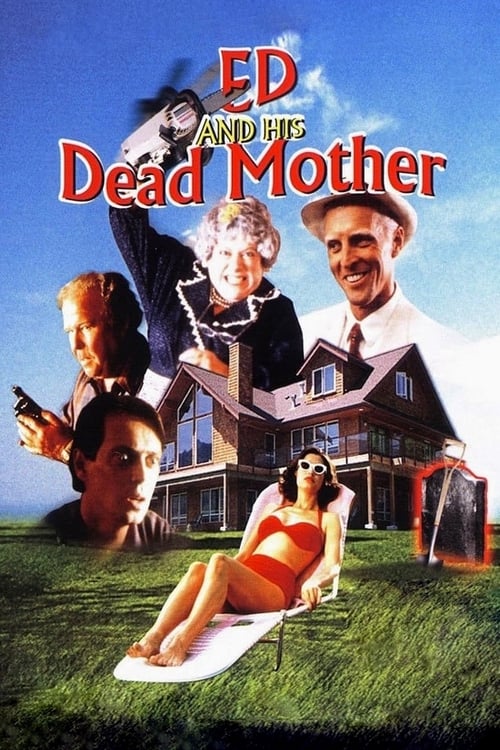
Ed Chilton misses his mother badly enough to pay a mysterious salesman to bring her back. She comes back hungry.

Noa accepts Steve's invitation to his friend's restaurant and discovers that the dinner he has planned has a preparation that becomes clear only gradually.
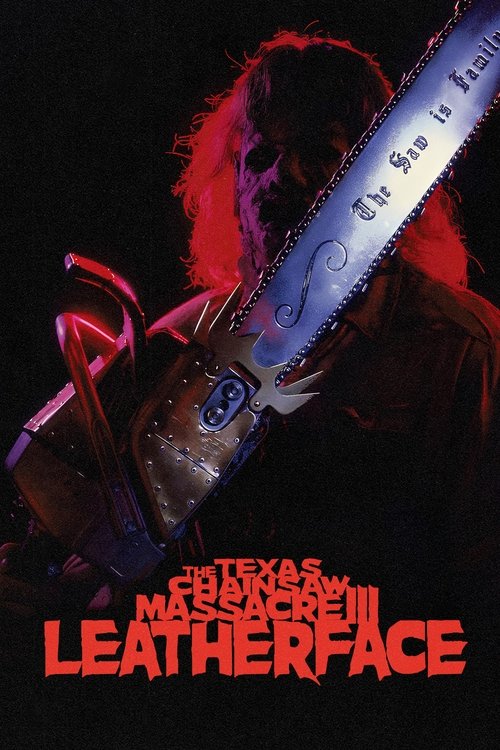
Two travelers take the wrong road in rural Texas and end up in the territory of a larger, better-equipped version of the Sawyer family.
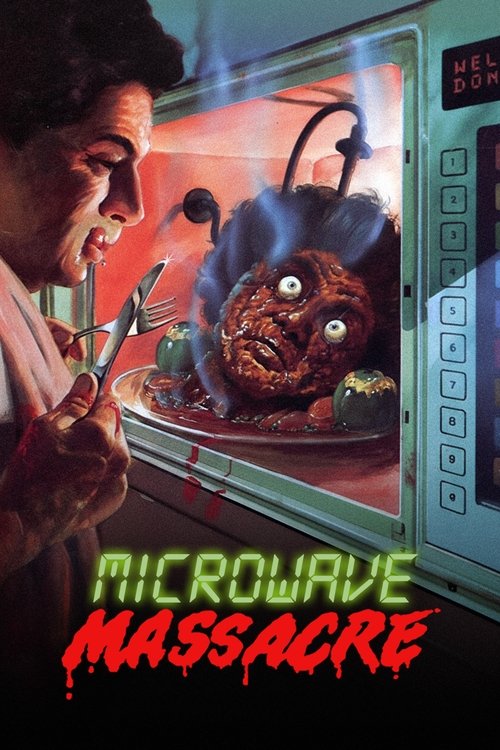
Donald is sick of his wife's gourmet cooking and finally snaps. What he discovers about his own appetite afterward is worse than anything she ever made.
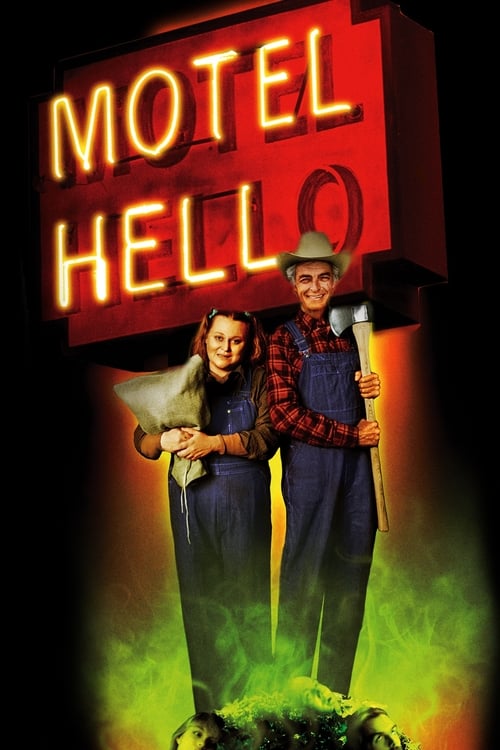
Farmer Vincent runs a roadside motel and sells smoked meats locals swear by. The production process is what makes this a horror film.

Young Michael Laemle suspects his parents' 1950s suburban normalcy is a cover for something much darker. The leftovers are the clue.

Suburban realtors Sheila and Joel Hammond hit a rough patch when Sheila undergoes a dramatic transformation that leaves her craving raw meat and, eventually, human flesh.

Billy Warlock is popular, wealthy, and increasingly uneasy about the life he's been living. The more he looks, the more wrong things get.
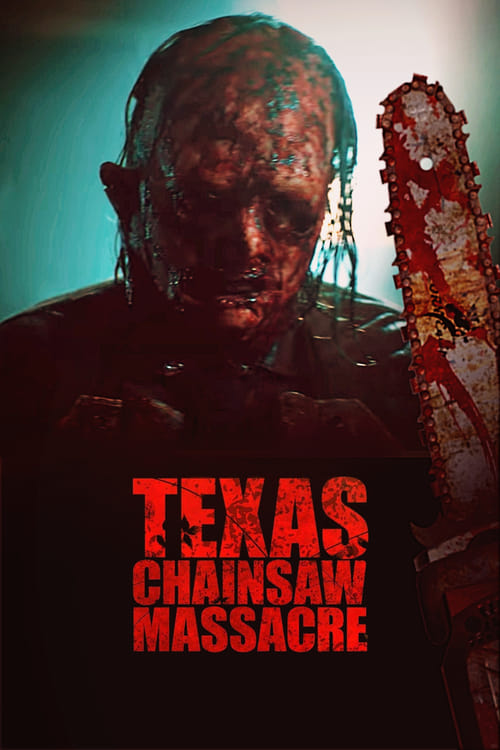
A family driving through rural Texas encounters Leatherface on a remote property.

Four teenagers survive a prom night car crash in rural Texas and wind up spending the night with a family that makes the Sawyers look like normal neighbors.
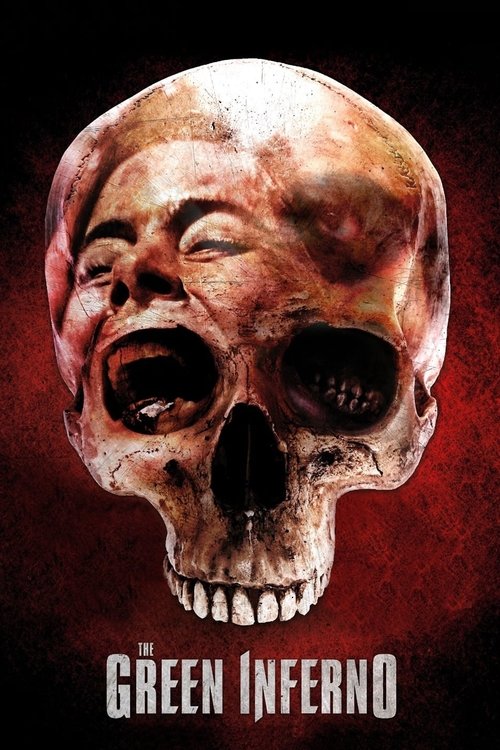
Two documentary filmmakers travel to the Amazon with a group of cannibalistic tourists. Getting out proves impossible.
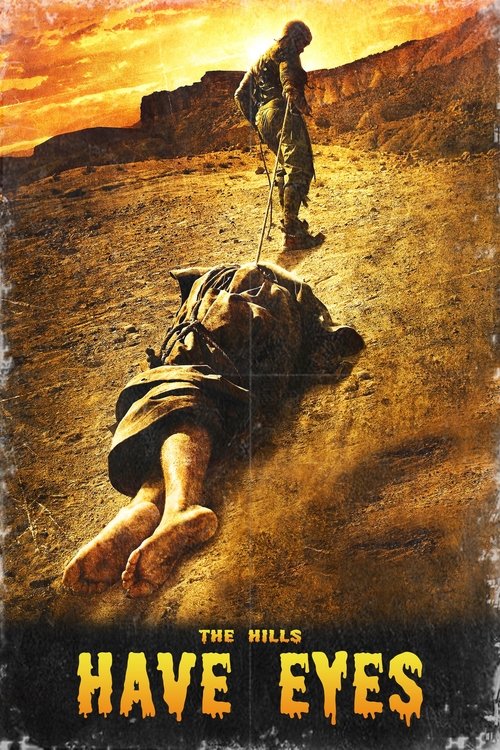
A family's desert shortcut ends near an abandoned nuclear test zone where a community has been surviving for generations in ways the government would rather not acknowledge.
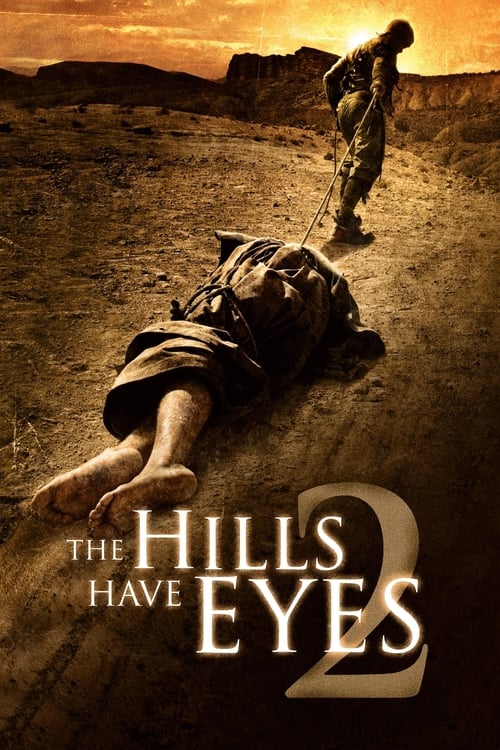
Survivors of the first Hills Have Eyes film find that the family has a larger network in the hills and that the military sent research teams in years ago.
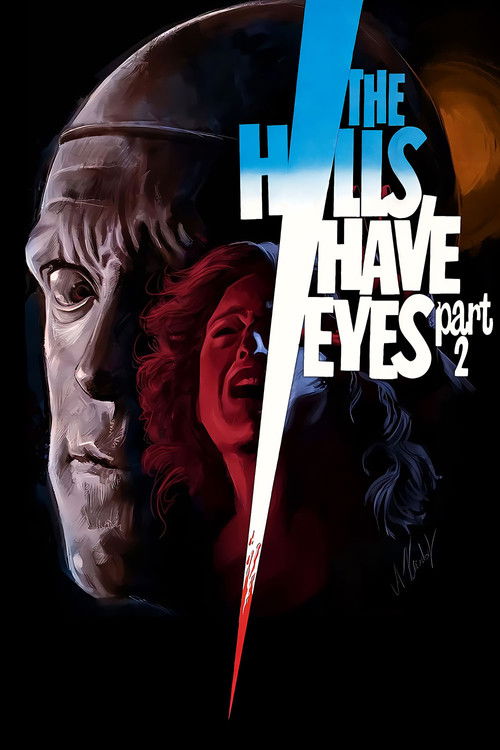
A motocross team takes a desert shortcut and ends up near the hills where a previous group of people had a very bad time. The same people are still there.

After sixteen years in prison, Dolores Roach returns to a Washington Heights she doesn't recognize and takes desperate measures to survive in a neighborhood that's been gentrified out from under her.
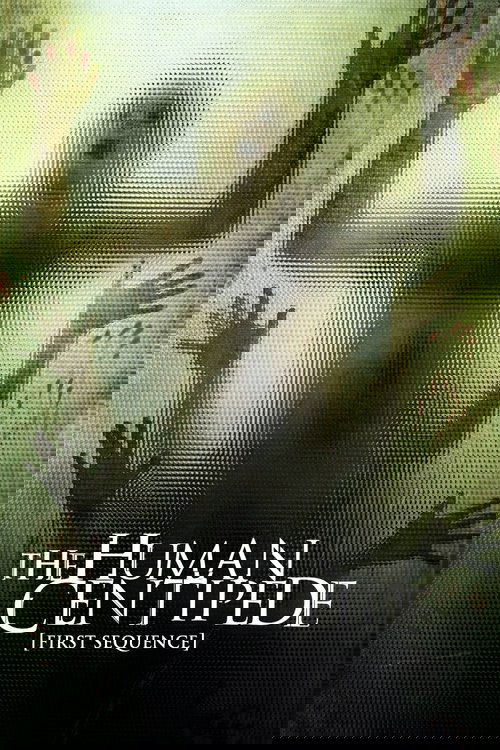
A German surgeon connects several people surgically into a continuous human chain. The film's concept is its primary content.
Searching the complete Curated Cannibal Horror archive…
No matches found in the Curated Cannibal Horror collection. Try a broader title or keyword.
Cannibal horror is a subgenre of horror film built around the act of humans consuming other humans, usually as a source of terror, taboo, or social commentary. It covers everything from Italian exploitation films of the 1970s and 80s to psychological body horror like Raw (2016) and survival thrillers like Bone Tomahawk (2015). The subgenre has evolved significantly since its origins, moving away from jungle-set shock value toward more character-driven and allegorical storytelling. HorroRated's cannibal horror collection tracks the full range, from cult classics to overlooked entries that deserve a second look.
The Italian cannibal boom was a wave of exploitation horror films produced predominantly by Italian directors between roughly 1972 and 1988, centered on Western characters encountering cannibalistic tribes in jungle settings. Umberto Lenzi's Man from Deep River (1972) is widely credited as the starting point, and Ruggero Deodato's Cannibal Holocaust (1980) remains its most notorious and widely discussed entry. The films were controversial for their graphic violence, real animal cruelty, and racist depictions of indigenous peoples, though some also functioned as critiques of Western colonialism. Many titles from this period are Video Nasties and carry lasting cult status.
Cannibal horror and survival horror overlap frequently but aren't the same thing. Survival horror puts the emphasis on endurance, isolation, and resource scarcity, while cannibal horror specifically uses the threat of being consumed as its central source of dread. Films like The Hills Have Eyes or Wrong Turn blend both, trapping characters in hostile environments against flesh-eating antagonists. The cannibal element adds a layer of taboo violation that straight survival horror doesn't always carry, which is part of what makes the subgenre so unsettling to watch.
Modern cannibal horror has largely moved away from the jungle-exploitation template and toward character-focused stories about desire, identity, and control. Films like Raw (2016), Bones and All (2022), and Fresh (2022) use cannibalism as a metaphor, often exploring themes of appetite, bodily autonomy, and the dynamics of power and consumption. These are slower, more emotionally complex films compared to the genre's Video Nasty era. The shift reflects broader trends in horror toward psychological depth, and it's produced some of the most discussed horror films of the past decade.
Beyond The Texas Chain Saw Massacre and Cannibal Holocaust, the subgenre has plenty worth hunting down. Ravenous (1999) is a sharp, darkly funny period horror set in a 19th-century military outpost. We Are What We Are (the 2010 Mexican original and the 2013 American remake) both take a domestic, ritualistic approach that's quieter and more unsettling than the exploitation classics. Trouble Every Day (2001) by Claire Denis is one of the most genuinely disturbing takes on hunger and desire in the canon. HorroRated's cannibalistic collection includes scored and tagged entries across all of these tones.
Not necessarily. The subgenre spans a wide tonal range, from graphic exploitation films to literary slow burns. The Silence of the Lambs (1991) is arguably the most culturally prominent cannibal film ever made and earned Academy Awards across major categories despite keeping most of its horror psychological. Ravenous plays its premise partly for jet-black comedy. Bones and All is closer to a romance than a horror film in structure. Gore tends to be concentrated in the Italian exploitation era and some of its modern descendants, but plenty of cannibal horror earns its tension through dread and implication rather than explicit imagery.