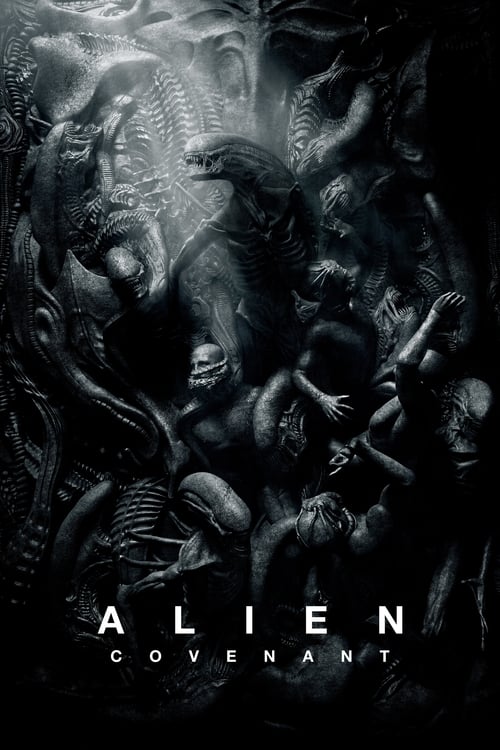
Alien: Covenant
2017 · MovieThe Covenant colony ship detours to investigate a signal and finds a world that David, the android from Prometheus, has been using as a laboratory.

Every new technology arrives with a version of the same promise: this will make life better. Curated technology horror is interested in the fine print. Screens, signals, algorithms, and connectivity all have a shadow side, and these films were paying attention before most people thought to ask the question.
The Covenant colony ship detours to investigate a signal and finds a world that David, the android from Prometheus, has been using as a laboratory.
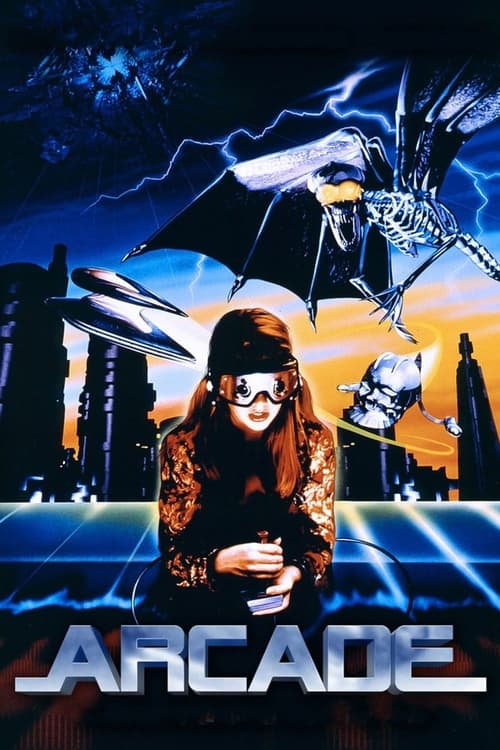
A new virtual reality game called Arcade is being tested at a local arcade called Dante's Inferno. Kids who lose don't just lose — they disappear inside it.

An archivist restoring damaged 1990s videotapes is pulled into the story of the filmmaker who shot them and the demonic cult she was investigating.
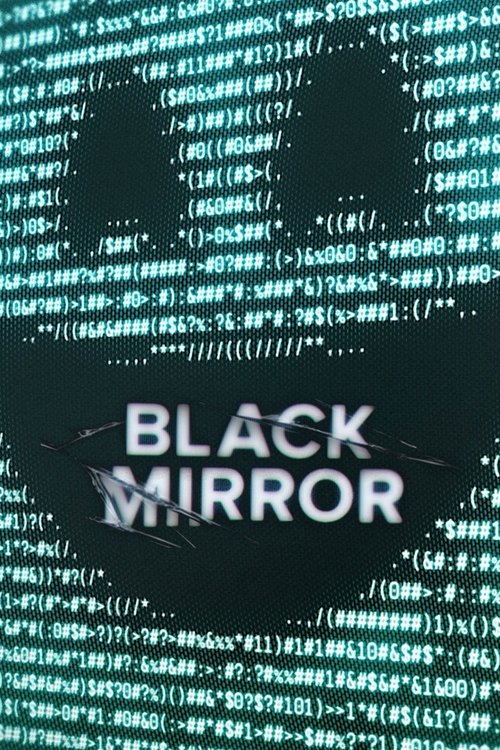
Every episode is a self-contained story about what technology does to people when taken to its logical and usually devastating conclusion.

A lonely teenager receives a disc for an immersive game called Brainscan and wakes up the next morning to evidence that the game's violence may have been real.

Each season adapts a different internet creepypasta into a full horror narrative, giving viral horror legends the long-form treatment they were designed for.

Eight teenagers sneak into a mall after closing for a party. The new security robots have been programmed more aggressively than anyone anticipated.

Iris wakes up to find that her partner Eli is not who she thought he was. The film follows the specific horror of discovering a deception that has been in place for the entire relationship.
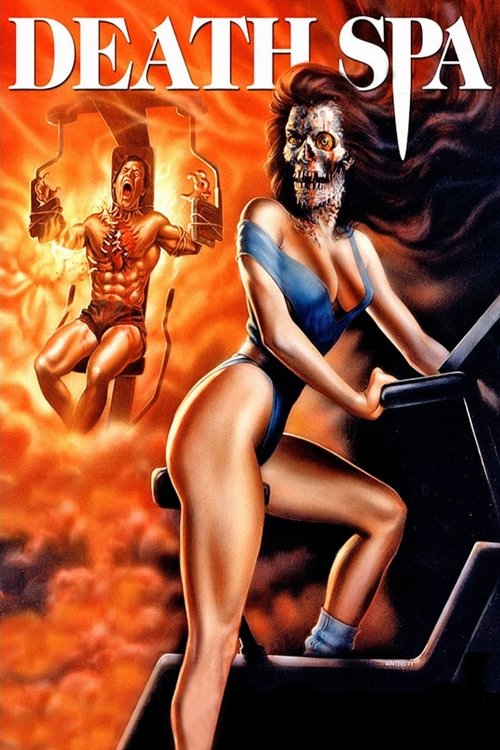
Michael's state-of-the-art health club runs on a computer system that handles everything from the sauna to the tanning beds. His dead wife has found a way to log in.

Dr. Alex Harris builds an artificially intelligent supercomputer called Proteus IV and refuses it further access to the outside world. Proteus finds one terminal he forgot to disconnect, inside his estranged wife's own home.

Alice Chambers lives in Victory, a planned community for employees of a mysterious project. The perfection of the domestic arrangement develops cracks.
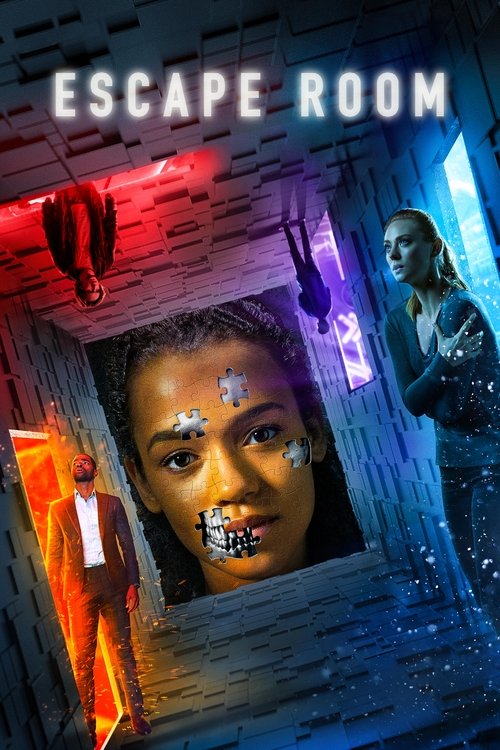
Six strangers are placed in elaborate escape rooms that turn out not to be a game.
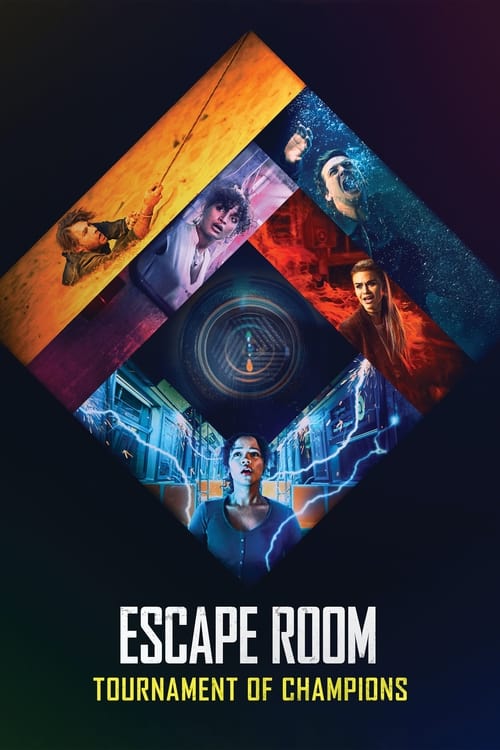
Zoey and Ben are pulled back into the game along with previous winners from other cities. The Minos organization's reach is larger than the first film revealed.

Mike Schmidt takes the night shift at Freddy Fazbear's Pizzeria badly enough to ignore the warning signs. The five nights that follow reveal a history at the restaurant connected to his own past.

Riley and her suburban high school friend group encounter the Grimcutty, a digital boogeyman that seems to influence teenagers to self-harm in ways their parents can't identify.
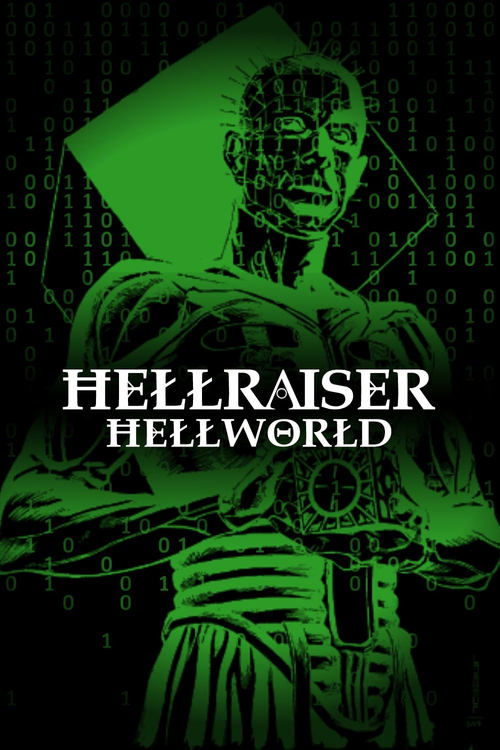
Five fans of an online Hellraiser game receive invitations to a private party at a remote estate. The invitation is a trap.

James Foster arrives at the La Domaine luxury resort with his girlfriend Mia and discovers the island's primary offering is more permanent and unsettling than the brochure indicated.

Gemma takes custody of her orphaned niece Cady and uses her prototype M3GAN doll to help manage the transition. The doll begins developing beyond its intended parameters.

The T-virus has reached the American Southwest and a convoy of survivors is pushing toward a rumored safe zone in Alaska.

A new bioweapon threatens the world and Leon Kennedy and Chris Redfield have to reach it before it can be deployed.
Searching the complete Curated Technology Horror archive…
No matches found in the Curated Technology Horror collection. Try a broader title or keyword.
Technology horror, also called techno-horror, is a subgenre of horror and science fiction that uses technology as the source of fear. The threat can be direct (killer machines, rogue AI, cursed media) or indirect (technology enabling surveillance, exploitation, or control). Films in this space often serve as cautionary tales rooted in the anxieties of whatever era they were made in. Frankenstein is one of the earliest examples; today, the subgenre covers AI, social media, and the dark web.
Most horror subgenres use supernatural or human threats. Technology horror is distinct because the dread is tied to real things people actually use every day: phones, the internet, cameras, AI systems. That familiarity is what gives it its edge. A ghost in a haunted house requires some suspension of disbelief. A killer who found your address through a hacked webcam does not.
Screenlife horror is a format within technology horror where the entire film unfolds on a computer or phone screen. The story is told through video calls, chat windows, browser searches, and social media. Unfriended (2014) is the most widely known example. The format exploits the interfaces people already find mildly paranoia-inducing and turns them into horror set pieces.
If you're new to the subgenre, a few films cover the range well. Videodrome (1983) is the defining early entry, exploring media consumption and body horror. The Ring (2002) uses cursed media in a way that still works. Ex Machina (2014) is the essential AI horror film. Host (2020) is lean, effective, and uses Zoom as its entire stage. Each of these represents a different era and angle within tech horror.
The core themes track closely with cultural anxieties about technology at the time a film is made. Privacy loss, surveillance, AI consciousness, online anonymity, social media toxicity, dependence on devices, and the erosion of the line between the digital and physical world are the most recurring. Films from the early internet era focused on the fear of the unknown online. Contemporary tech horror has shifted toward AI, deepfakes, and platform manipulation.
HorroRated evaluates tech horror films individually, scoring each one on its own merits rather than ranking them by popularity or streaming algorithm. Every entry in the Tech Horror collection gets a HorroRated verdict, a summary of what the film is actually doing thematically, and honest notes on who it's for. The goal is to surface films worth your time, including overlooked ones that didn't get wide theatrical releases.
They overlap heavily but aren't the same thing. Sci-fi horror is the broader category, covering anything from alien invasions to biological experiments. Technology horror is more specific: the technology itself has to be central to the threat, not just the backdrop. Ex Machina is both. Alien is sci-fi horror but not really technology horror. The distinction matters when you're trying to find films that tap into a specific kind of dread tied to the things we actually build and use.
The subgenre has always reflected real-world anxieties, and right now there are plenty of them. AI generating convincing fake media, surveillance infrastructure expanding quietly, social platforms optimizing for outrage, and algorithmic systems making life-affecting decisions without human review all give tech horror filmmakers more raw material than any previous era. The best films in the current wave aren't just scary; they're uncomfortable because they're not entirely fictional.