
28 Years Later
2025 · MovieSpike wakes up twenty-eight years after the original outbreak to find a Britain that has partially adapted to the rage virus in ways neither previous film anticipated.
Possession, infestation, summoning things that were better left alone. Curated demon horror covers the full spectrum, from slow-burn spiritual dread to all-out chaos in a cabin in the woods. The demon is never just a monster. It's an invitation to ask what you actually believe.
Spike wakes up twenty-eight years after the original outbreak to find a Britain that has partially adapted to the rage virus in ways neither previous film anticipated.
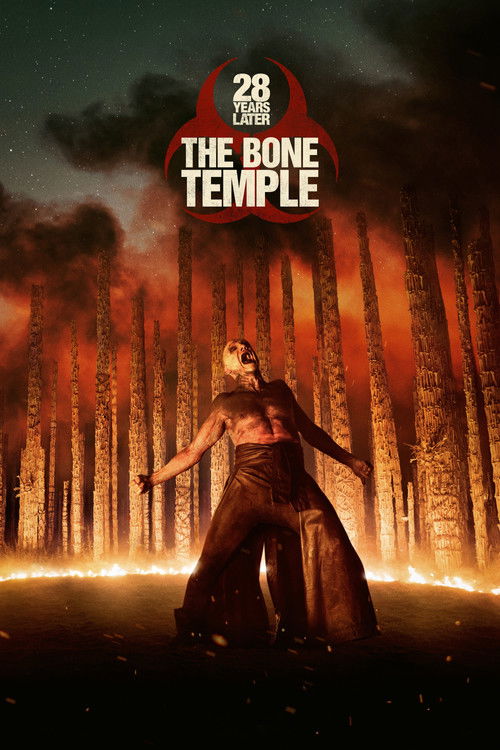
28 Years Later: The Bone Temple is the second film in the trilogy, continuing the story of Britain's long adaptation to the rage virus.
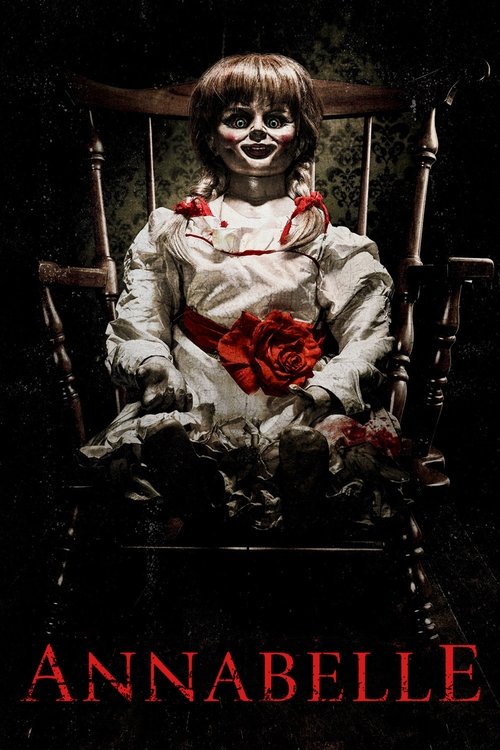
John and Mia Form bring the Annabelle doll home after a Warren investigation and the entity attached to it pursues what it originally came for.
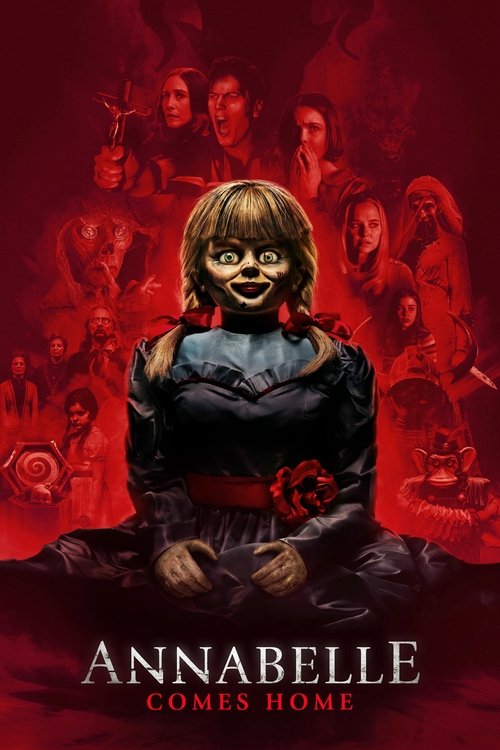
Ed and Lorraine Warren lock the Annabelle doll away in their occult museum. Their daughter's babysitter and a curious friend accidentally set every other cursed object in the room loose in a single night.
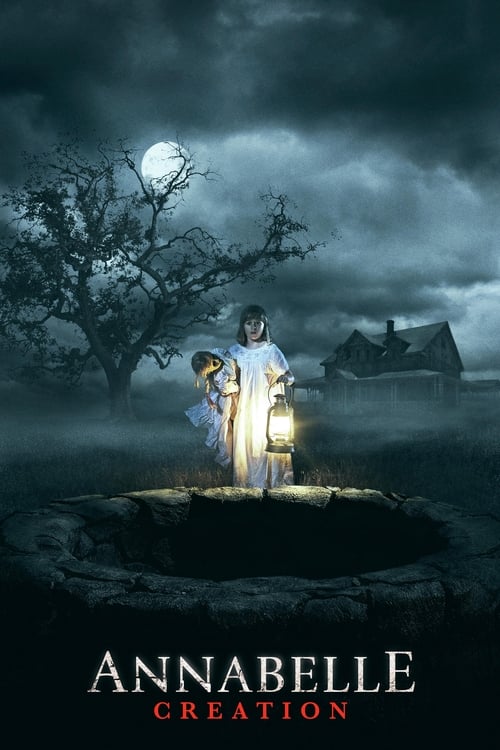
A group of orphaned girls is placed in the Mullins household in the 1950s, where the parents have been living with a tragedy and something attached to a doll.
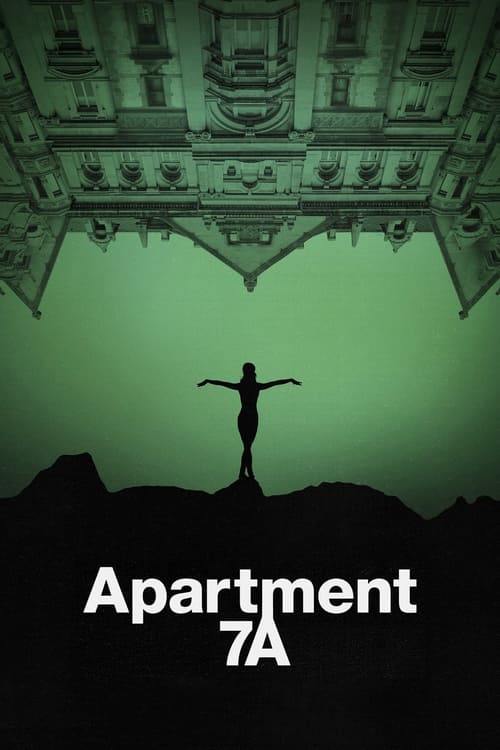
Noa Peretz is hired as a personal assistant to a wealthy older woman in 1979 New York and finds her pregnancy has been arranged as part of a plan connected to events from Rosemary's Baby.
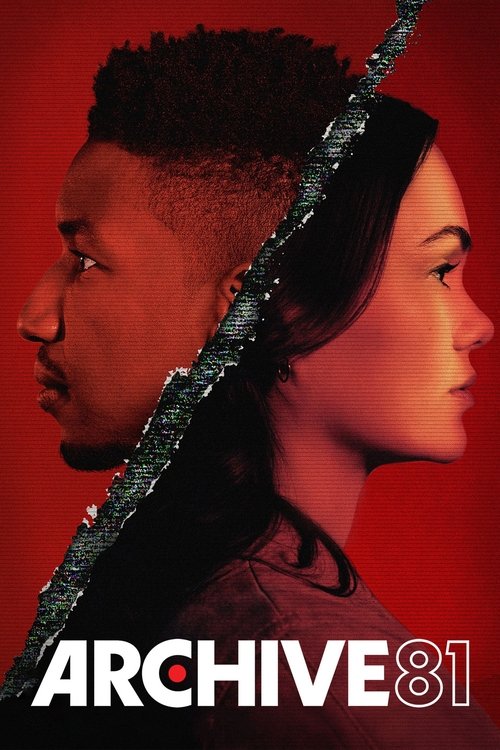
An archivist restoring damaged 1990s videotapes is pulled into the story of the filmmaker who shot them and the demonic cult she was investigating.
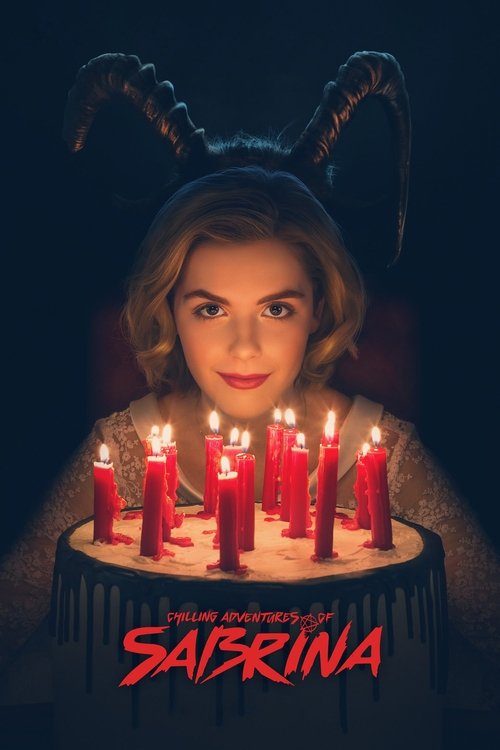
Half-human, half-witch Sabrina Spellman navigates high school, a dark church, and a war between her two worlds that keeps pulling her toward a side she's not sure she wants.
Father Merrin has already lost his faith in a Nazi-occupied Dutch village. Kenya gives him one more chance to lose it completely.
A forensic psychologist, a priest-in-training, and a tech expert investigate demonic possession and miracles for the Catholic Church. The line between science and faith keeps moving.

Mia goes to a remote property with her brother and friends in a final attempt to get clean. Something in the cabin's cellar accelerates the situation beyond recovery.
Alice loses her husband and turns to his family for comfort. What she finds instead is a Kandarian dagger, a deadite outbreak, and in-laws who won't survive the reunion.
Ash is back in the cabin and the night ahead of him gets progressively, hilariously, horrifyingly worse. The tape plays again.
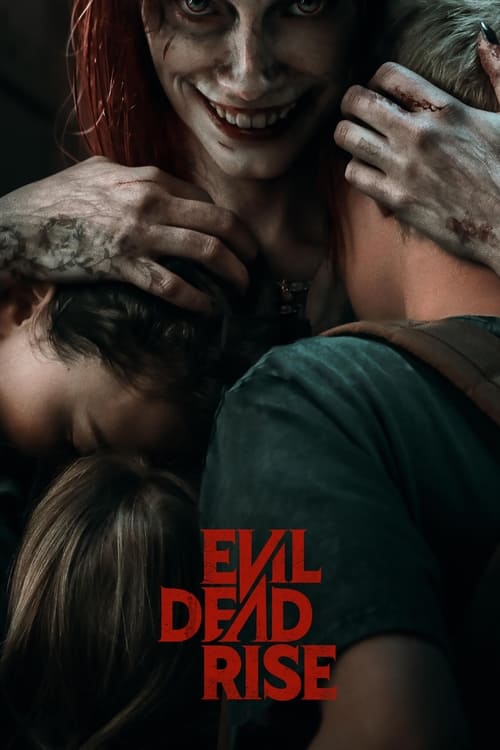
Ellie arrives at her estranged sons' Los Angeles apartment building at the same time as the Naturom Demonto. The deadite infection moves through the building.
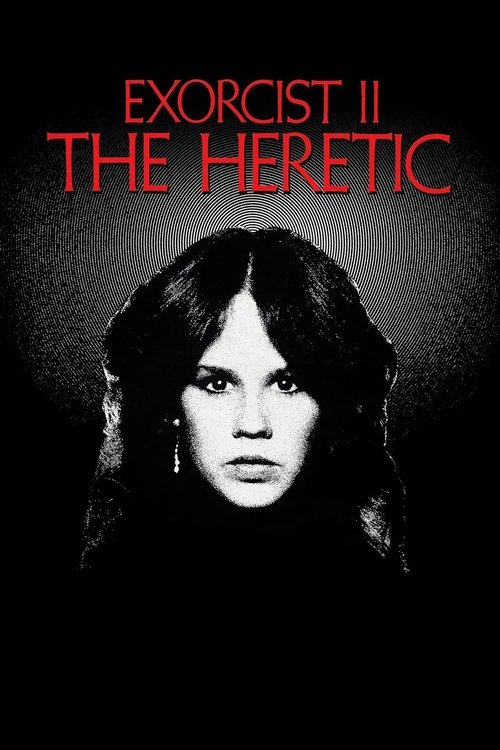
Four years after Father Merrin's death, Father Lamont investigates what really happened during Regan's exorcism. A hypnosis machine, an African witch doctor, and a locust plague later, nobody involved seems entirely sure what this movie is about.
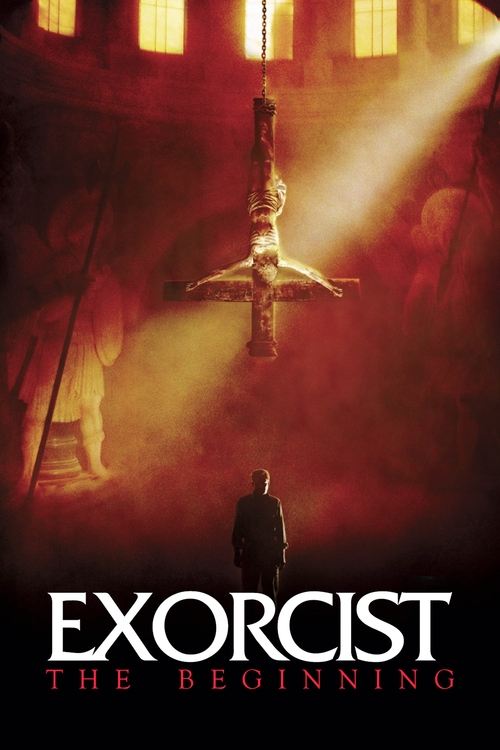
A former priest working an archaeological dig in Kenya uncovers a buried Byzantine church. Something was sealed inside it.
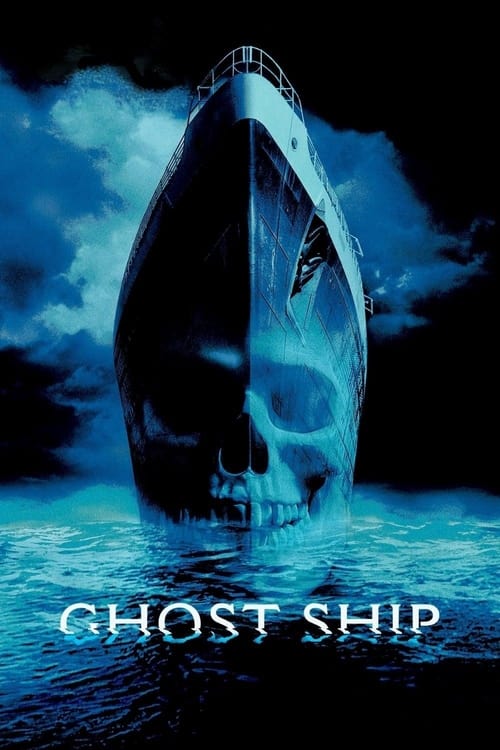
A salvage crew boards a luxury ocean liner that vanished in 1962. The ship has been holding something the whole time.
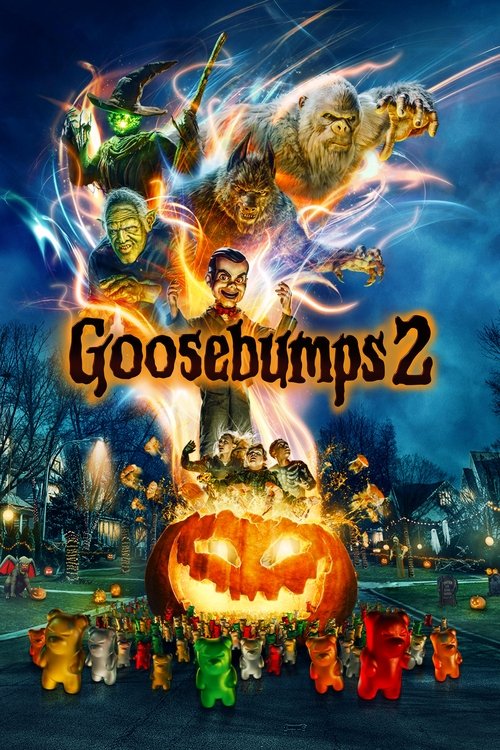
Slappy the ventriloquist dummy returns with a plan to ruin Halloween for the entire neighborhood.

Detective Lois Tryon investigates a series of heinous crimes in a small community that feel uncomfortably personal, as if something is sending her a message.
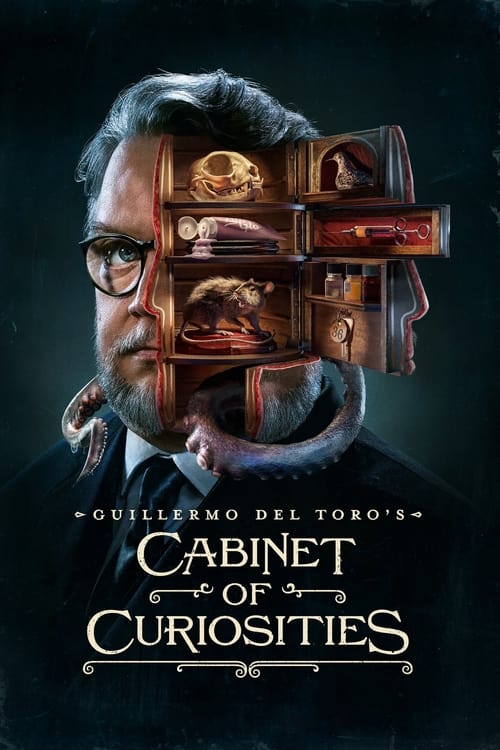
Guillermo del Toro personally selected eight horror stories from filmmakers he admires, each rendered in a completely different visual style.
Searching the complete Curated Demon Horror archive…
No matches found in the Curated Demon Horror collection. Try a broader title or keyword.
Demon horror is a subgenre of horror film built around malevolent supernatural entities, whether invisible forces, possessing spirits, or fully embodied creatures with folklore or religious roots. The fear driving it is specific: something ancient and inhuman has crossed into the physical world, and it cannot be reasoned with. It sits alongside ghost horror and religious horror but is distinct in that the threat is active, intentional, and often tied to mythology or demonology. The Exorcist (1973) is the film most responsible for shaping the modern template.
Possession horror is a subset of demon horror where a demon takes control of a human body. Not all demon horror involves possession. Some films feature demons as external threats that stalk, corrupt, or destroy without ever entering a person, as in Hereditary (2018) or Drag Me to Hell (2009). Possession horror carries its own specific dread around bodily autonomy and identity loss, while broader demon horror can draw from creature features, folk horror, and religious mythology without requiring a host body at all.
A curated demon horror collection is built around editorial judgment, not popularity scores or streaming algorithms. HorroRated selects films based on craft, originality, and how well a title represents something specific within the subgenre, whether that's a standout creature design, a genuinely unsettling atmosphere, or an underrated take on possession mythology. The goal is a collection that helps you find something worth watching, not just the 10 movies everyone already knows.
Yes, and they tend to be the ones that break the standard possession template. Films like A Dark Song (2016), The Taking of Deborah Logan (2014), and Starry Eyes (2014) take the subgenre in directions the bigger franchises don't. They rely on atmosphere, psychological pressure, and practical craft rather than jump scares and franchise continuity. HorroRated's demon horror collection specifically flags hidden gems that deserve more attention than they've received.
It overlaps with both, and the best demon horror often draws from all three. Religious horror uses faith, ritual, and institutional belief as the battleground, which is why so many possession films feature priests. Folk horror situates demonic forces inside rural tradition, local legend, and cultural memory. The clearest example of all three converging is The Witch (2015), which uses Puritan theology, folklore, and demonic corruption without committing to any single subgenre framework. HorroRated's collections treat these as related but distinct entry points.
The core fear is a specific kind of helplessness: the threat is invisible, purposeful, and immune to physical resistance. Ghost horror can feel passive or melancholic; demon horror rarely does. Demons in film are characterized by intent, and that intent is almost always hostile. The loss of control over one's own body, the corruption of familiar spaces, and the presence of something older than human moral frameworks all combine to make it one of the more viscerally effective subgenres when it's done well.