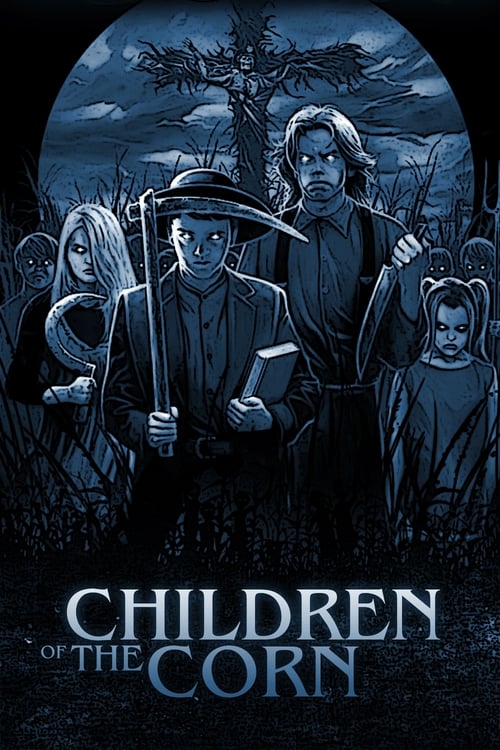
Children of the Corn
1984 · MovieBurt and Vicky get stranded near a small Nebraska town where every adult is gone and the children follow something that lives in the corn.

Isolated villages. Ancient rituals. The creeping sense that the land itself has rules you don't know about. Curated folk horror draws from pagan mythology, rural tradition, and centuries of belief systems that never needed your approval to exist. These films don't explain themselves. They don't have to.
Burt and Vicky get stranded near a small Nebraska town where every adult is gone and the children follow something that lives in the corn.
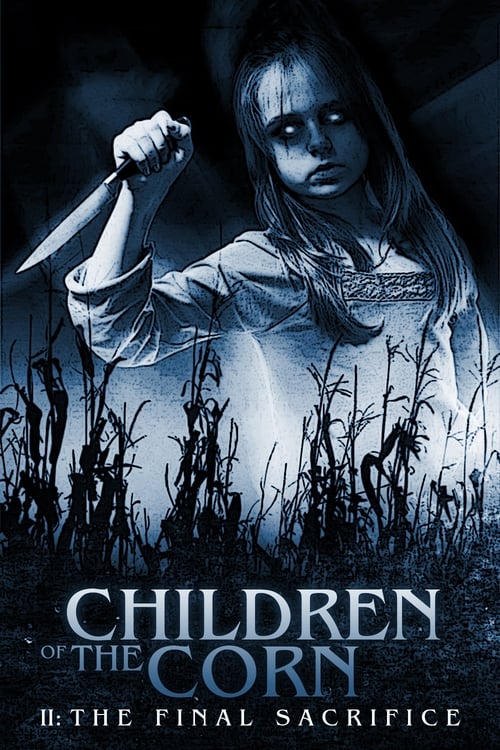
The surviving children from Gatlin have been relocated to a nearby town. Whatever was in the corn didn't stay behind.
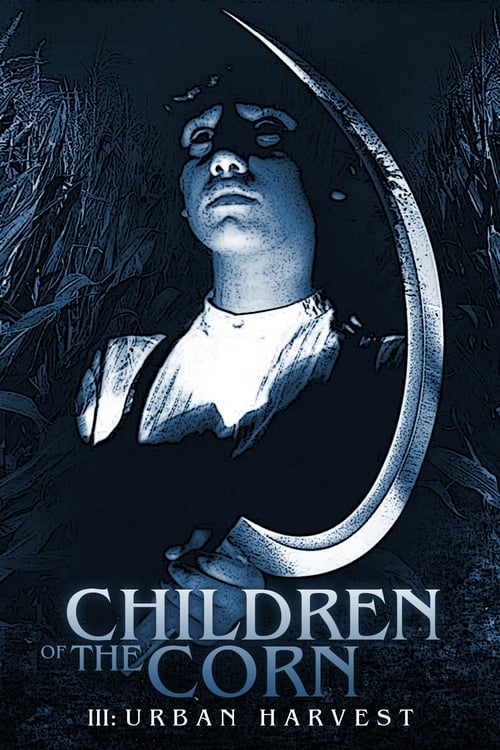
Two brothers escape Gatlin and end up in Chicago, where one of them starts a garden and begins gathering followers at his new school.

A pharmaceutical researcher discovers a unicorn with healing properties. The corporate response to the discovery escalates beyond what anyone is prepared for.
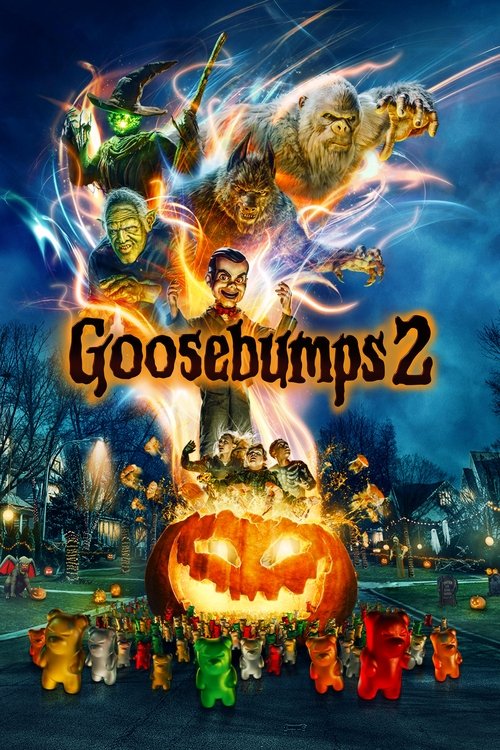
Slappy the ventriloquist dummy returns with a plan to ruin Halloween for the entire neighborhood.
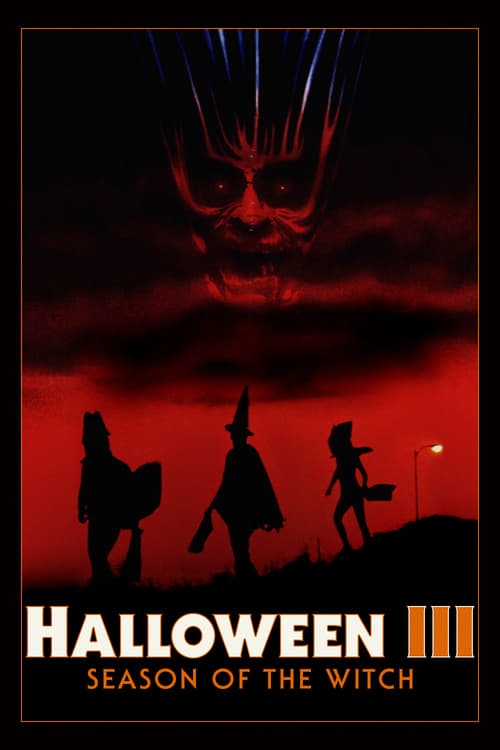
No Michael Myers. Instead, a California coastal town is being targeted by a mask company with a very strange plan for Halloween night.

Hansel and Gretel have been killing witches professionally since childhood. They arrive in a new town with a witch problem during the buildup to a Blood Moon.
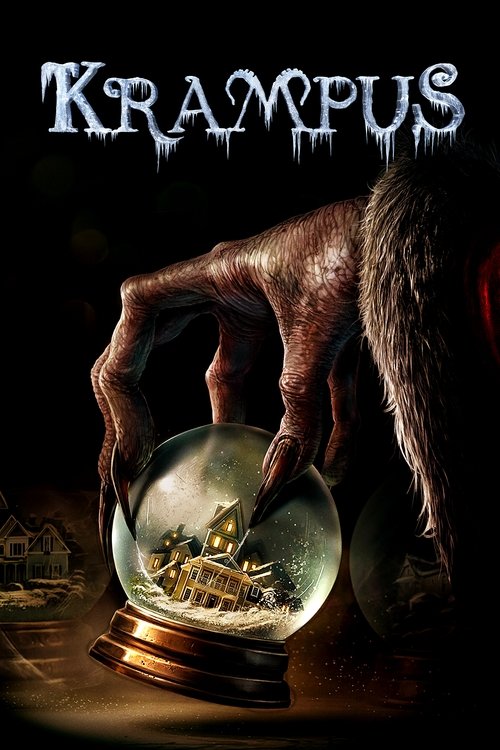
Max's wish that his family disappear on Christmas Eve summons Krampus, and the creature and its companions work through the household through the night.
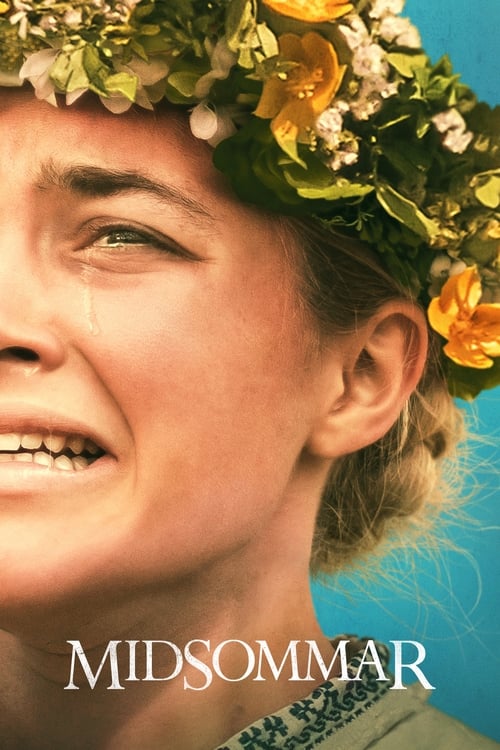
Dani follows her boyfriend and his friends to a remote Harga commune in Sweden months after a personal tragedy. The midsummer festival they attend becomes increasingly difficult to classify as merely cultural.
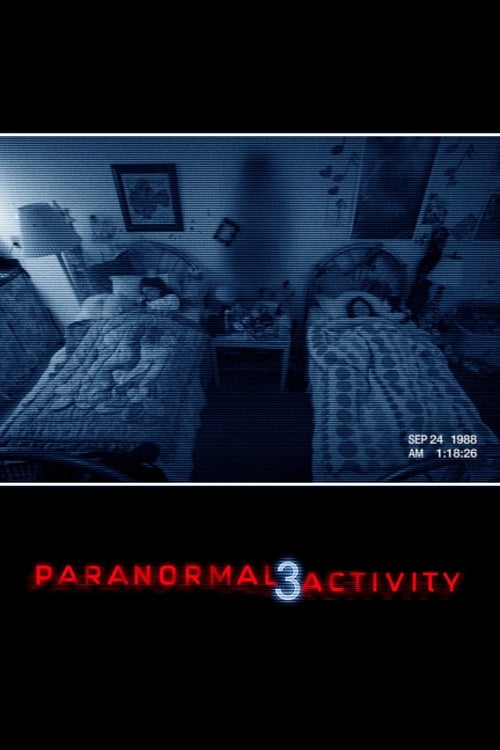
Home movies from 1988 reveal the origin of what has been haunting the household from the second film.
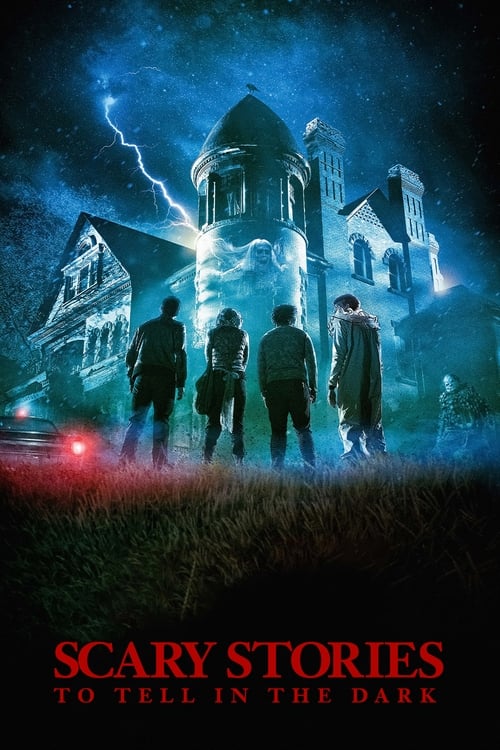
Stella and her friends find Sarah Bellows's book of horror stories. The creatures from the illustrations start manifesting.

Susie Bannion arrives at the Markos Dance Company in 1977 Berlin during a period of political upheaval and rises through the ranks.
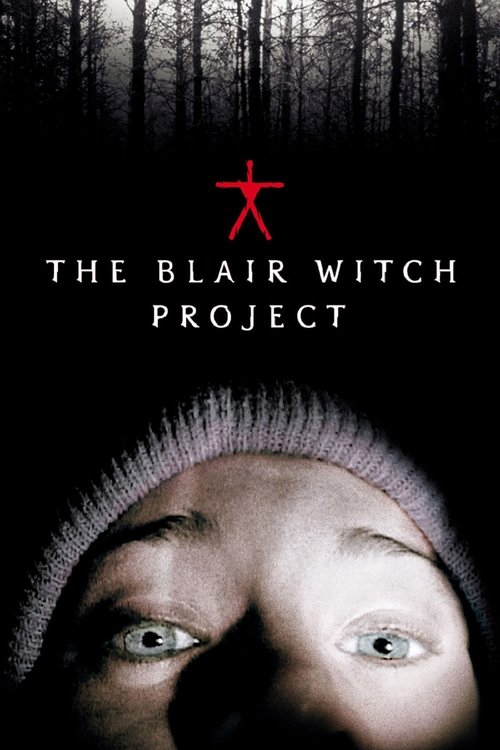
Three film students go into the Maryland woods to document a local legend. Only the footage comes back out.
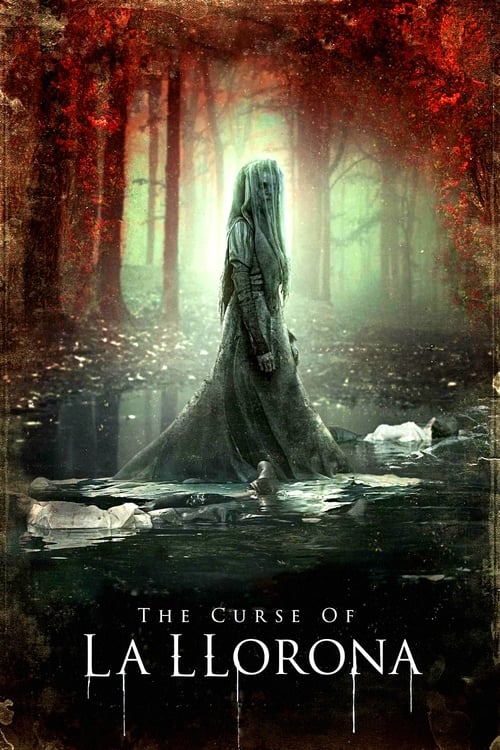
Anna Garcia investigates a custody case connected to La Llorona and finds herself and her children targeted by the weeping figure.
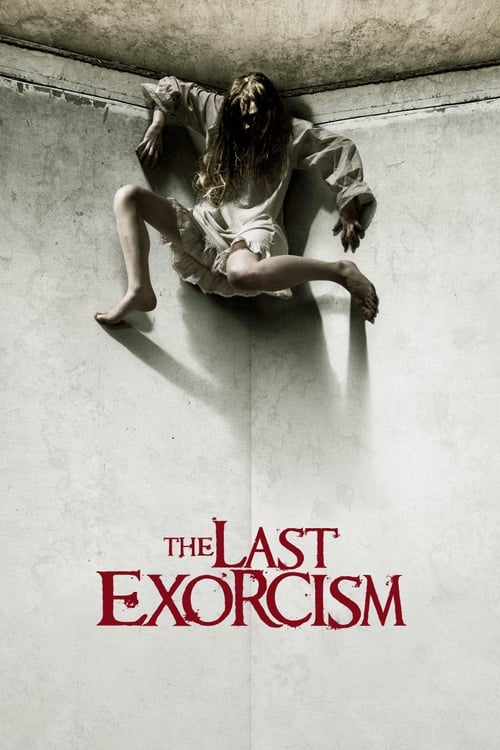
Reverend Cotton Marcus agrees to let a documentary crew film an exorcism he believes will prove the practice is fraudulent. Nell Sweetzer becomes his subject.
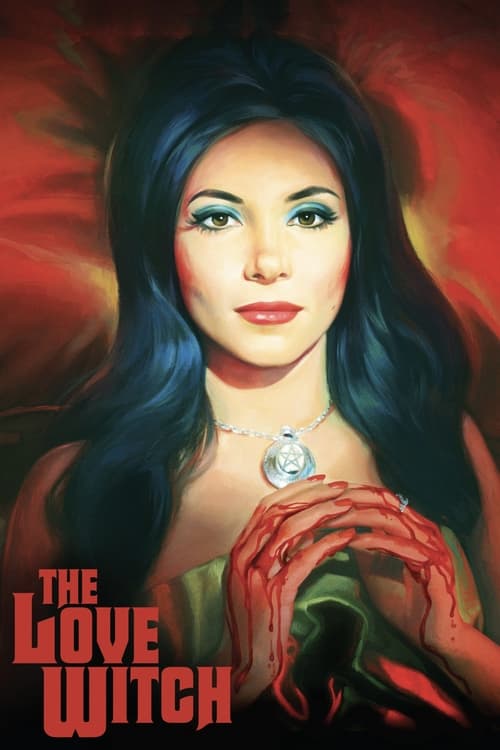
Elaine is a modern-day witch who uses spells and potions to make men fall in love with her. The men keep ending up dead, which isn't exactly what she had in mind.
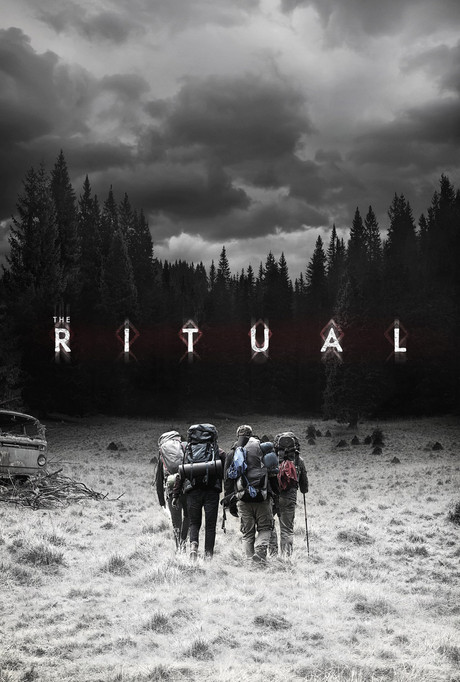
Four men take a memorial hike through the Scandinavian wilderness and find a shortcut through forest that has been maintaining its own agenda.

A hospice nurse takes a job at an old Louisiana plantation house and finds a locked room in the attic the family isn't eager to discuss.

Elvira lives in the shadow of her beautiful stepsister in a Norwegian Cinderella retelling where the fairy tale's embedded violence is treated as something real.
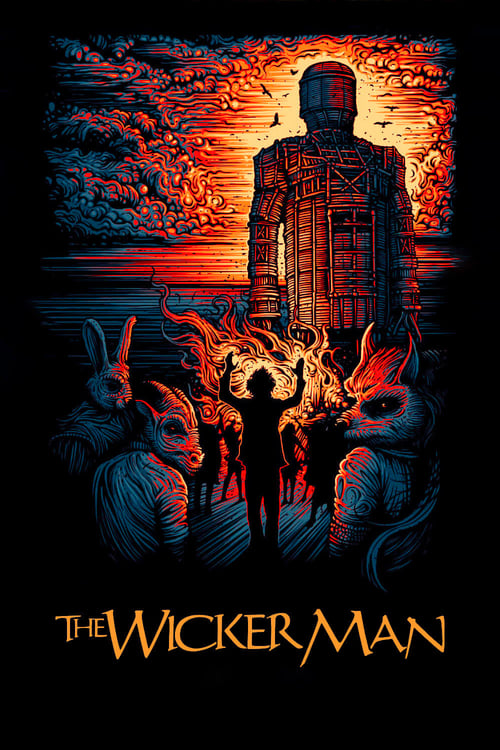
Sergeant Howie flies to a remote Scottish island to investigate a missing girl. The islanders are warm, cooperative, and completely evasive about the one thing he came to find.
Searching the complete Curated Folk Horror archive…
No matches found in the Curated Folk Horror collection. Try a broader title or keyword.
Folk horror is a horror subgenre built around isolated communities, rural settings, and belief systems rooted in folklore, ritual, or pagan tradition. The threat comes from collective belief and communal behavior, not a single monster or killer. An outsider enters a closed moral system and discovers its logic too late to escape. That distinction separates folk horror from backwoods survival horror and cabin-in-the-woods films.
The Wicker Man (1973), Witchfinder General (1968), and The Blood on Satan's Claw (1971) are the foundational three, widely known as the "Unholy Trinity." Midsommar (2019) is the most accessible modern entry point. The Witch (2015) is the film that brought folk horror back into mainstream conversation. HorroRated's Folk Horror collection walks through all three eras with verdicts and context for each.
The key is where the threat comes from. In backwoods horror like The Texas Chain Saw Massacre, the locals are violent but the horror is practical. In folk horror, the horror comes from shared belief, ritual, and a community enforcing its own moral order. The land, the tradition, and the group are all complicit. If the setting is remote but the threat is just a killer, it's not folk horror.
No, though its roots are. The British films of the late 1960s and early 1970s defined the template, but the subgenre has expanded globally. Strong examples now come from Scandinavia, Estonia, Iceland, India, Japan, and the United States. Films like Hagazussa (Austria), Bulbbul (India), and Lamb (Iceland) each draw on their own regional folklore rather than European pagan tradition specifically.
Folk horror tends to focus on the beliefs and actions of people rather than the supernatural itself. The horror often lives in what a community is willing to do in the name of tradition, ritual, or a belief system, not in a monster or ghost. When something supernatural does appear, it's usually tied to the community's faith rather than arriving from outside it. That communal dimension is what gives folk horror its specific, slow-building dread.
The most consistent elements are isolation, skewed belief systems, pagan or pre-Christian ritual, rural landscapes, and the outsider confronting a closed community. Sacrifice, witchcraft, and the idea that the land itself carries memory are common threads. Good folk horror tends to make you feel that something ancient is being enforced, not just that something scary is happening.