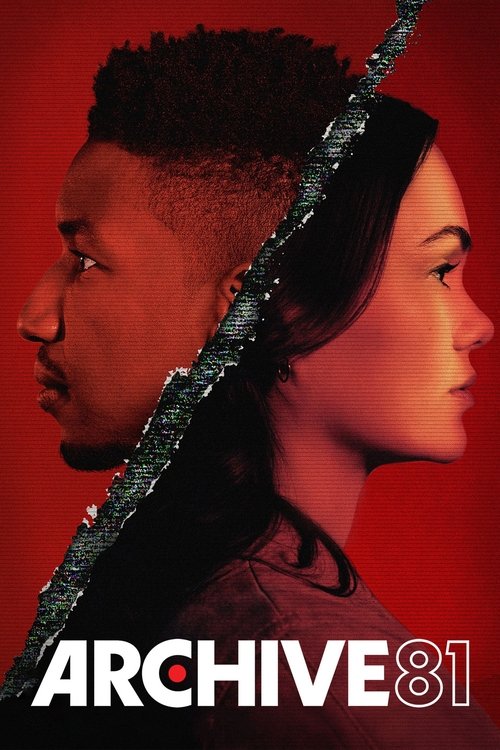
Archive 81
2022 · TVAn archivist restoring damaged 1990s videotapes is pulled into the story of the filmmaker who shot them and the demonic cult she was investigating.
Blair Witch opened a door that horror never fully closed. Curated found footage horror stretches from the films that defined the format to the ones that quietly expanded what it could do. The camera is always a character here. Sometimes it's the scariest one.
An archivist restoring damaged 1990s videotapes is pulled into the story of the filmmaker who shot them and the demonic cult she was investigating.
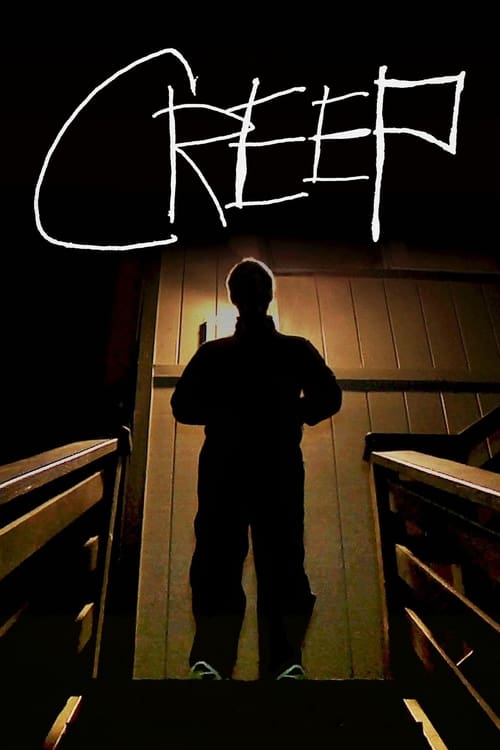
Aaron accepts a Craigslist job shooting footage for an unusual client who wants to document a transformative personal experience.
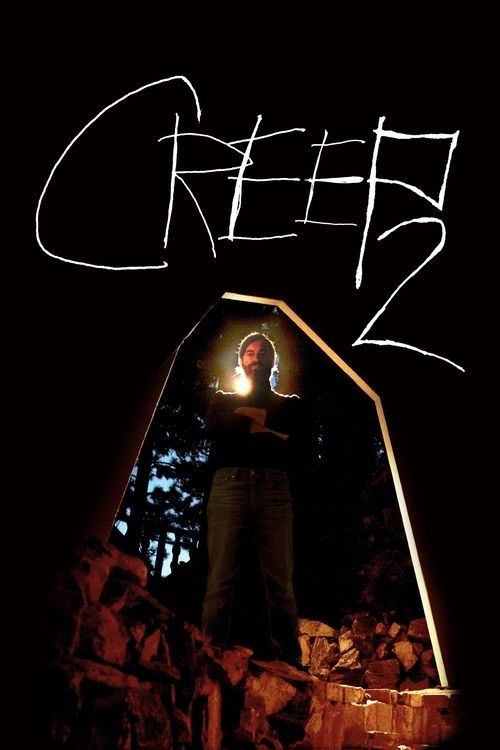
Aaron returns to film Josef, who now wants documentation of a very different kind of personal evolution.
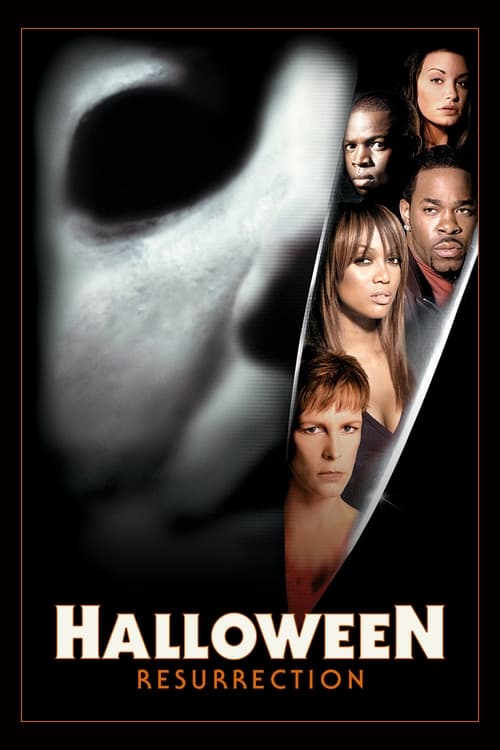
A live internet broadcast sends a group of college students into the Myers house for Halloween night. Michael is home.
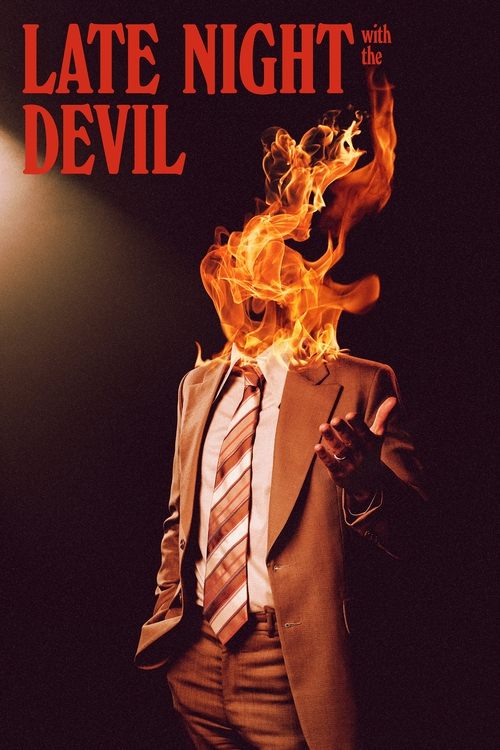
Jack Delroy's show Late Night with the Devil broadcasts from Studio 6B on Halloween night 1977. The special's escalating content is recovered on videotape years afterward.
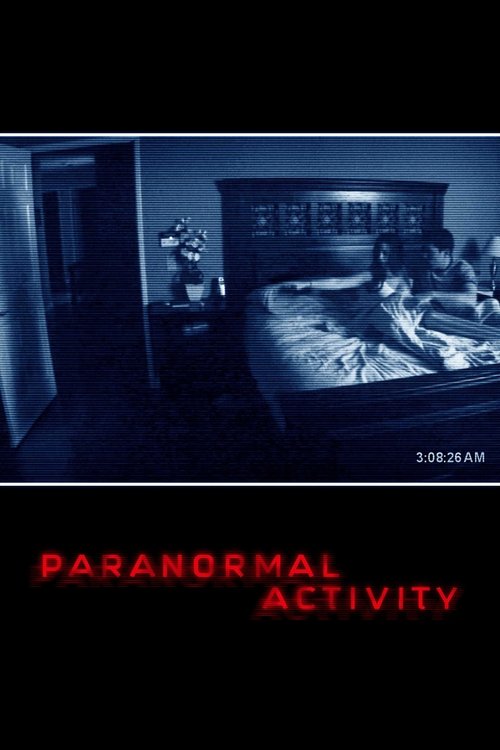
A couple in San Diego sets up cameras after unexplained sounds begin in the house at night. The footage becomes the film.
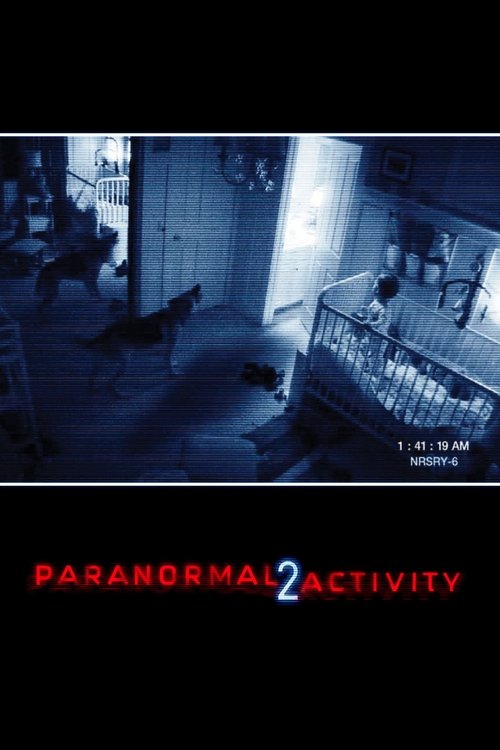
Something followed the Rey family home from a previous location, and this time it has a specific interest in the baby.
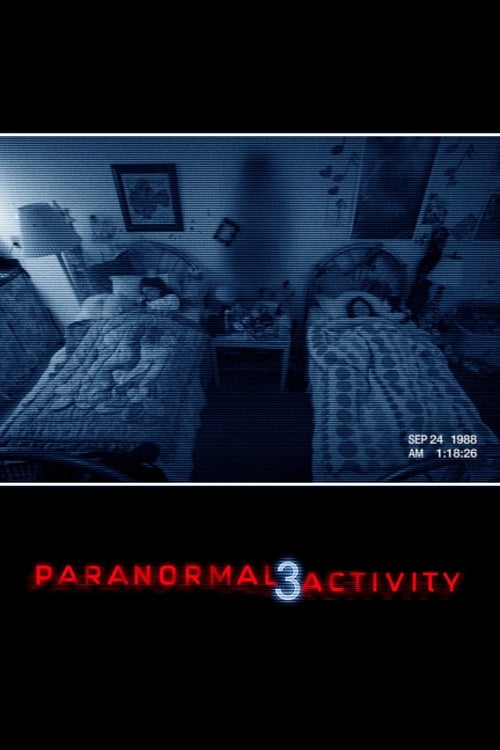
Home movies from 1988 reveal the origin of what has been haunting the household from the second film.

Jesse, marked for demonic possession, investigates what's been happening to people in his Los Angeles neighborhood.
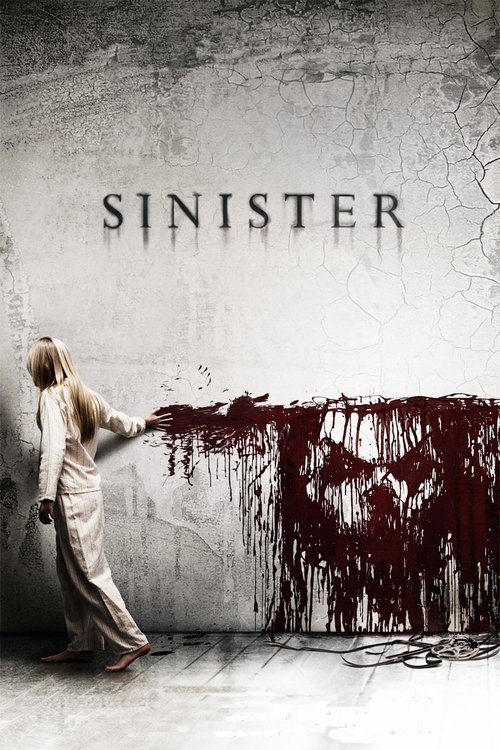
Ellison Oswalt moves his family into a house where murders occurred and finds a box of Super 8 home movies in the attic documenting deaths across decades.
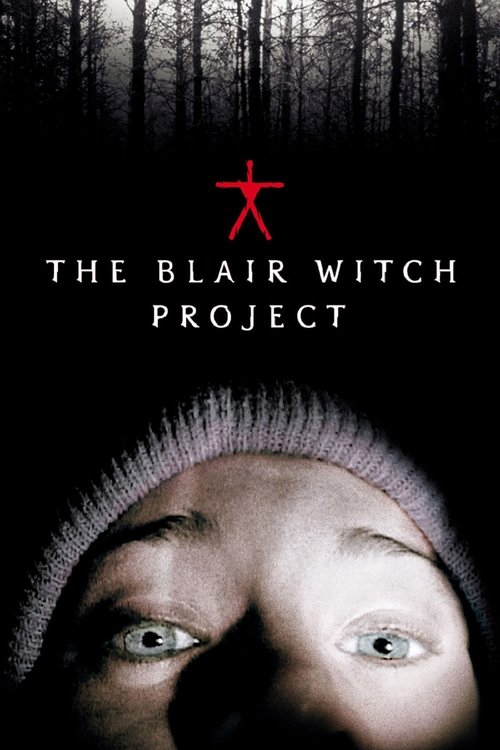
Three film students go into the Maryland woods to document a local legend. Only the footage comes back out.
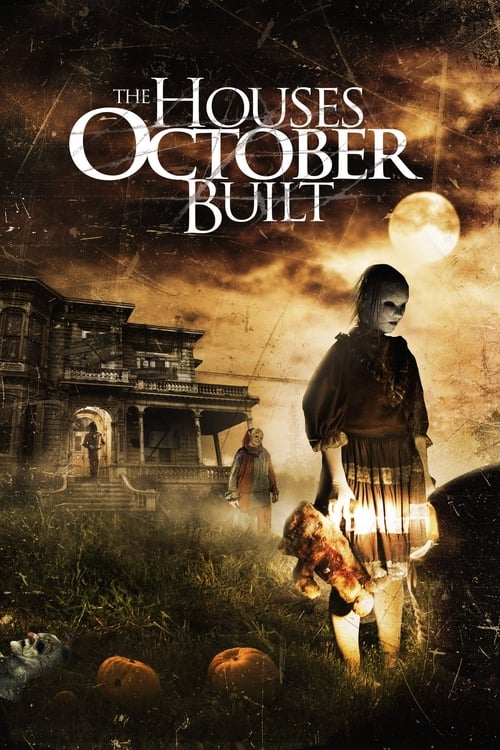
A group of friends tours a series of extreme haunted attractions during Halloween and documents the experience on camera.
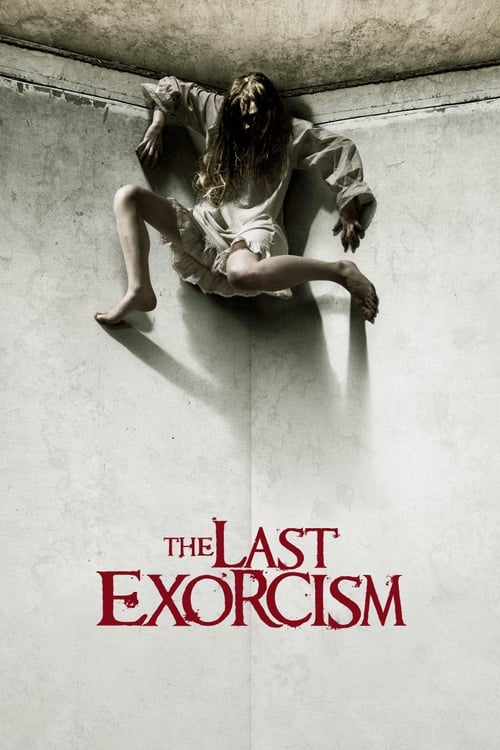
Reverend Cotton Marcus agrees to let a documentary crew film an exorcism he believes will prove the practice is fraudulent. Nell Sweetzer becomes his subject.
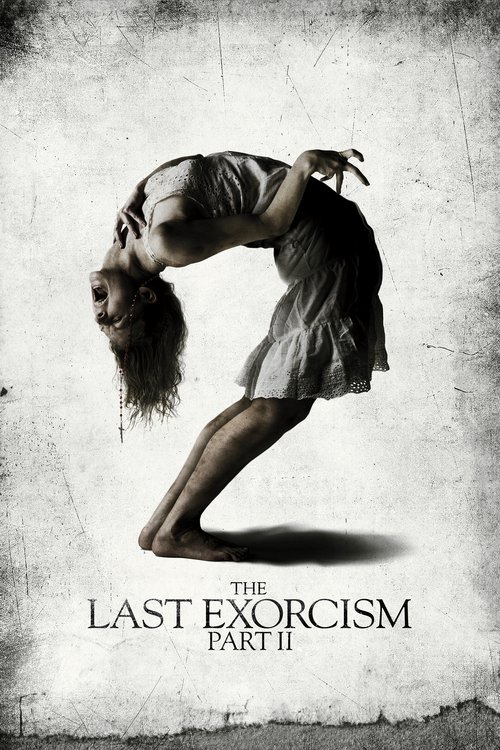
Nell Sweetzer recovers from the events of the first film in a New Orleans halfway house. The same presence finds her there.
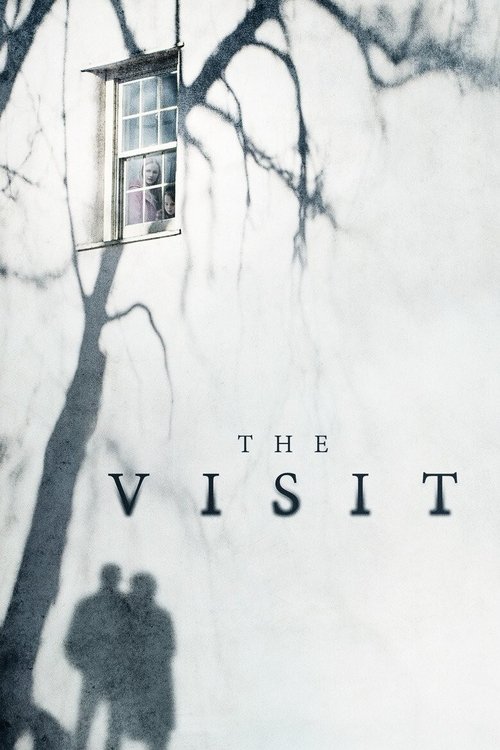
Becca and Tyler travel alone to their maternal grandparents' rural Pennsylvania home and film their visit for a documentary about the family estrangement.
Searching the complete Curated Found Footage Horror archive…
No matches found in the Curated Found Footage Horror collection. Try a broader title or keyword.
Found footage horror is a subgenre where the film is presented as recovered or discovered recordings, usually shot by characters in the story. The format blurs fiction and reality by making the audience feel like they're watching something real rather than staged. It strips away conventional filmmaking polish, trading it for raw, first-person immediacy. The Blair Witch Project (1999) brought the format to mainstream audiences, but the roots go back further, to films like Cannibal Holocaust (1980).
The core difference is perspective. Found footage puts you directly behind the camera with the characters, so you only know what they know, and you only see what they see. That constraint is the whole point. It trades orchestrated scares and professional cinematography for something that feels accidental and real. At its best, the format creates a specific kind of dread that's harder to achieve through traditional filmmaking.
For new viewers, The Blair Witch Project and [REC] are the strongest entry points. Blair Witch defined the format for American audiences; [REC] is a relentless, claustrophobic Spanish film that holds up as one of the tightest examples of the subgenre. From there, Noroi: The Curse and Lake Mungo represent the slower, more atmospheric side of found footage, while Creep and The Taking of Deborah Logan offer grounded, character-driven horror that doesn't rely on the supernatural.
Beyond the obvious titles, films like Noroi: The Curse (Japan, 2005), Savageland (2015), and Butterfly Kisses (2018) consistently come up when serious fans dig past the mainstream. Noroi is a slow, layered investigation into folklore and possession that rewards patience. Savageland blends true crime and border horror in a way that feels genuinely unsettling. These are the kinds of films HorroRated's Found Footage collection is built around: movies that got buried and deserve a second look.
It never really went away. The format keeps adapting to new technology, from VHS camcorders to smartphones to livestreams. Late Night with the Devil (2023) and Host (2020) both found large audiences by updating the format for the digital era. Found footage works because the underlying tension, footage that shouldn't exist, someone who didn't make it back, is timeless. The format is still one of the most cost-effective ways for indie horror filmmakers to make something genuinely frightening.
The challenge is volume. Hundreds of found footage films exist, and most aren't worth your time. The ones worth hunting down usually share a few qualities: a specific, committed premise; restraint with what they show; and a believable reason the camera stayed on. Curated collections and reviews from people who actually watch deep in the subgenre are more useful than algorithmic recommendations or streaming homepages, which surface the same dozen titles over and over.
Found footage isn't one thing. Common formats include the documentary or mockumentary style (Noroi, Lake Mungo), the recovered tape or evidence format (Blair Witch, V/H/S), the surveillance footage approach (Paranormal Activity), and the livestream or screen-capture format (Host, Unfriended). Each creates a different kind of tension and asks different things of the audience. The subgenre also spans supernatural horror, psychological horror, body horror, serial killer narratives, and cosmic horror, so "found footage" describes the format, not the content.