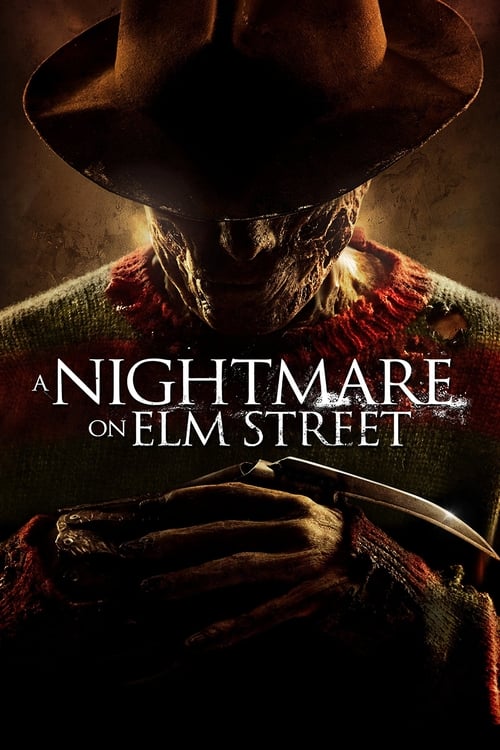
A Nightmare on Elm Street (2010)
2010 · MovieFreddy Krueger stalks a new group of Elm Street teenagers in a remake that revisits the original's premise without its invention.
High school was already a horror premise before cinema got involved. Curated teenage horror uses that pressure, social hierarchies, first experiences, and the specific vulnerability of not yet knowing who you are, as the foundation for genuine dread. The best entries here were never just for teenagers.
Freddy Krueger stalks a new group of Elm Street teenagers in a remake that revisits the original's premise without its invention.
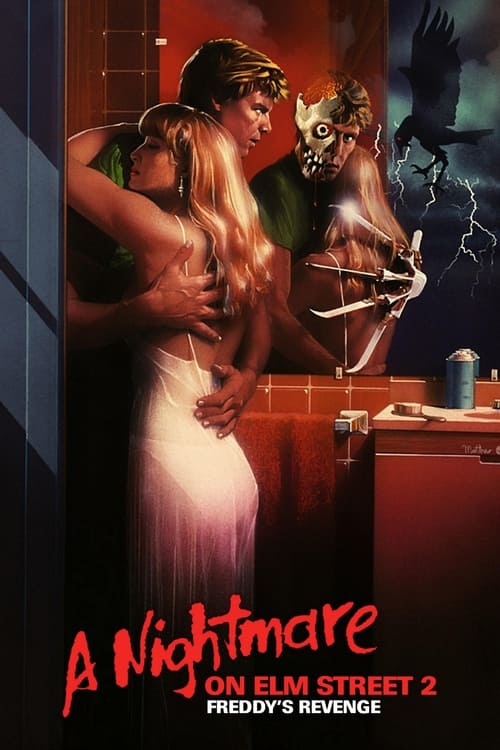
Jesse Walsh moves into Nancy Thompson's old house five years after the original nightmare ended. Freddy Krueger wants inside him, not just inside his dreams.
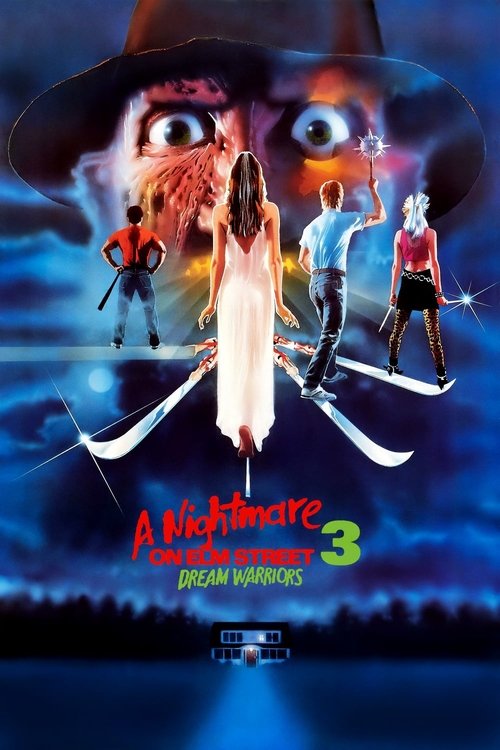
The last surviving kids of Elm Street are locked in a psychiatric hospital, dismissed as troubled teenagers. Nancy Thompson knows better, and she's come back to teach them how to fight Freddy in the only place he can actually be beaten.
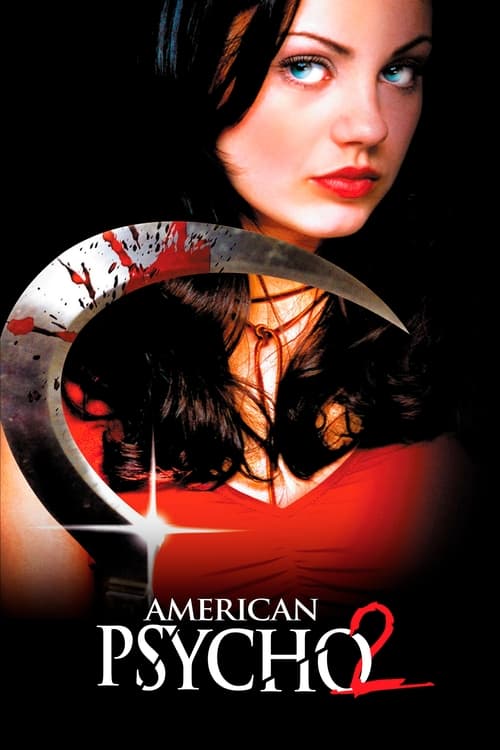
A criminology student who survived a childhood encounter with Patrick Bateman has been methodically clearing her path to a teaching assistant position ever since.
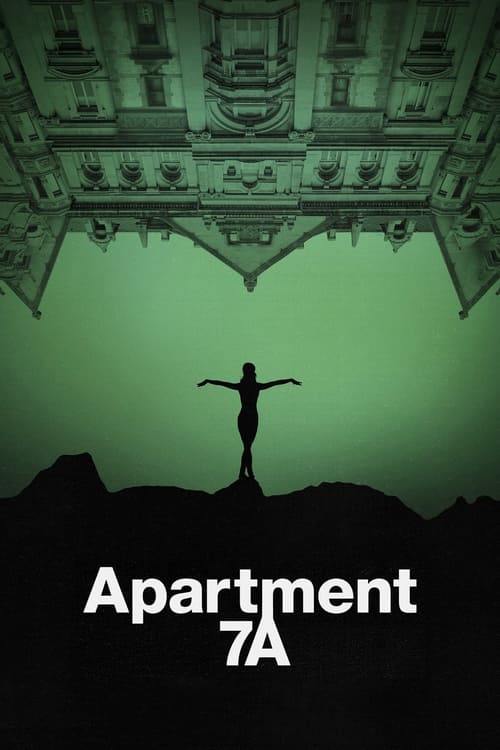
Noa Peretz is hired as a personal assistant to a wealthy older woman in 1979 New York and finds her pregnancy has been arranged as part of a plan connected to events from Rosemary's Baby.
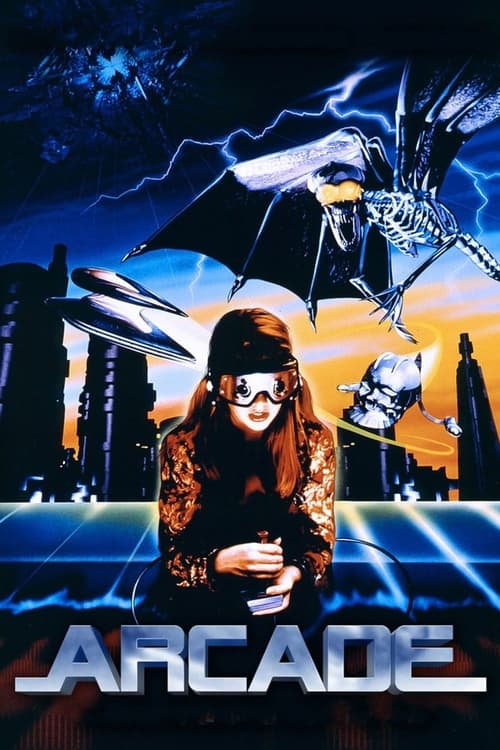
A new virtual reality game called Arcade is being tested at a local arcade called Dante's Inferno. Kids who lose don't just lose — they disappear inside it.
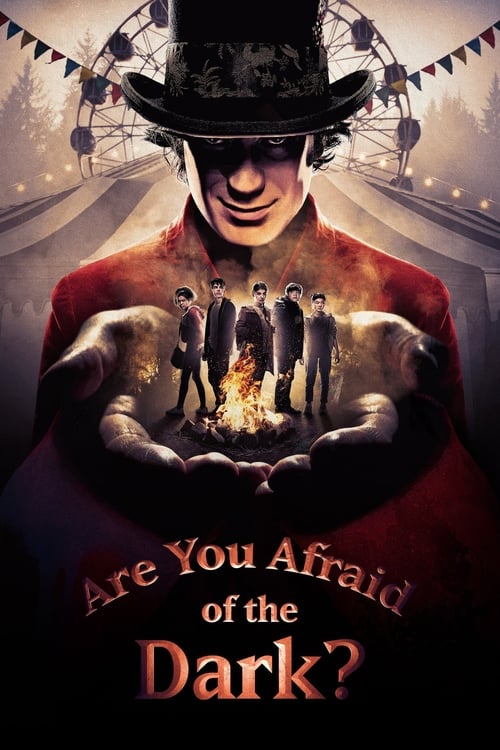
The Midnight Society returns with a new structure: each season tells one sustained horror story across five episodes, and this time the campfire tales are real.
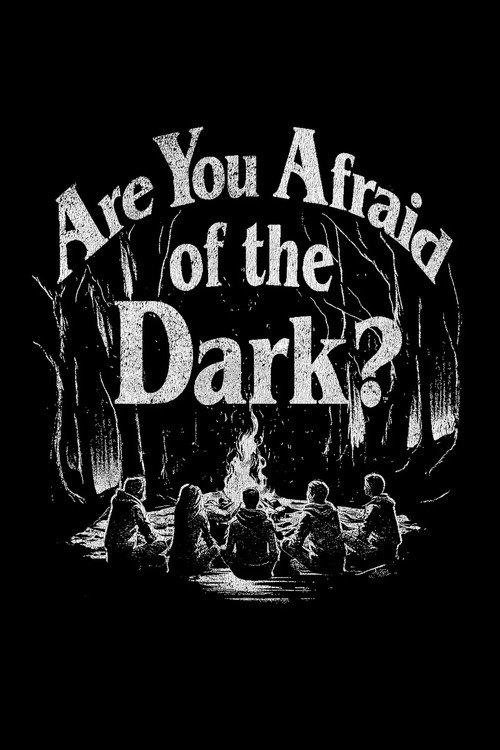
Kids gather around a campfire to tell each other scary stories, and the show dramatizes each tale with enough genuine menace to actually scare its audience.
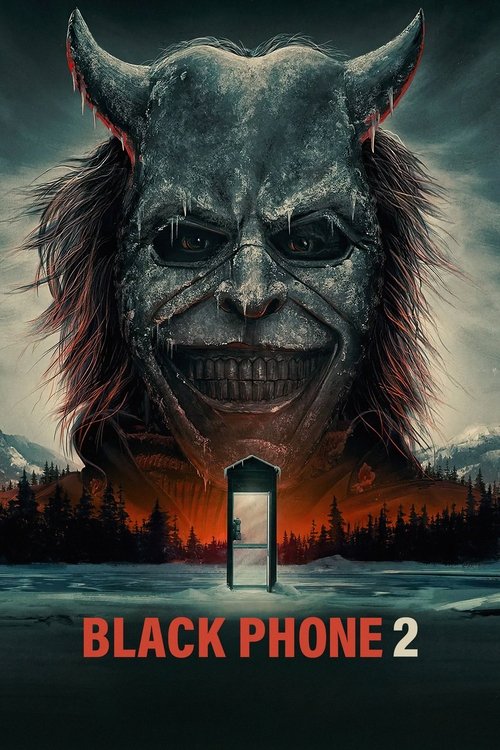
The supernatural telephone mythology extends into a new setting with a new Grabber while connecting back to the original film's characters.
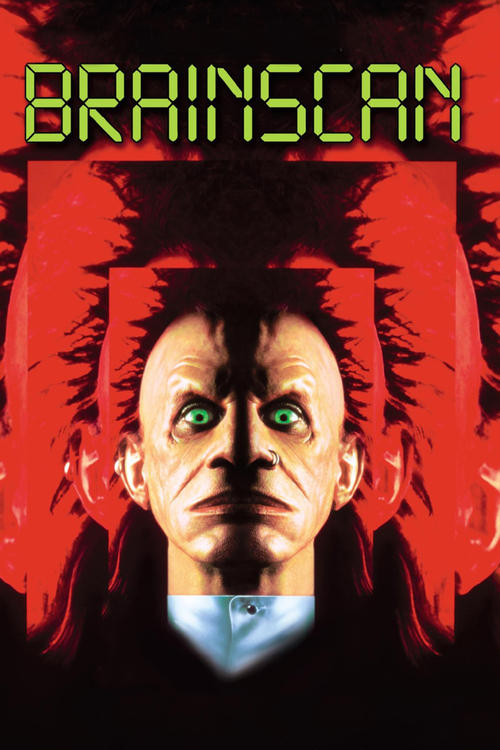
A lonely teenager receives a disc for an immersive game called Brainscan and wakes up the next morning to evidence that the game's violence may have been real.
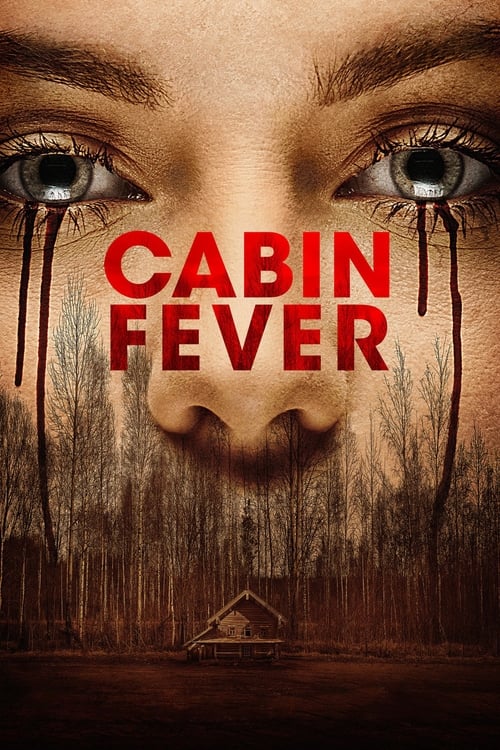
A 2016 remake of Eli Roth's Cabin Fever uses the same screenplay with a different cast and director.
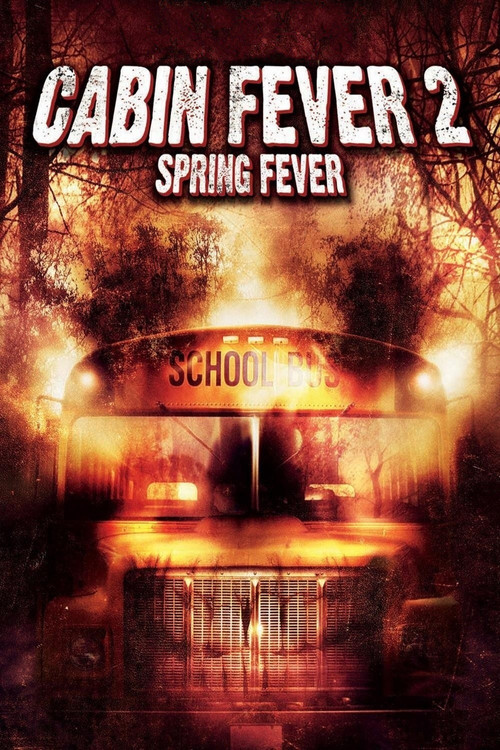
A sexually transmitted infection turns college students into something aggressive and hungry at a spring formal.
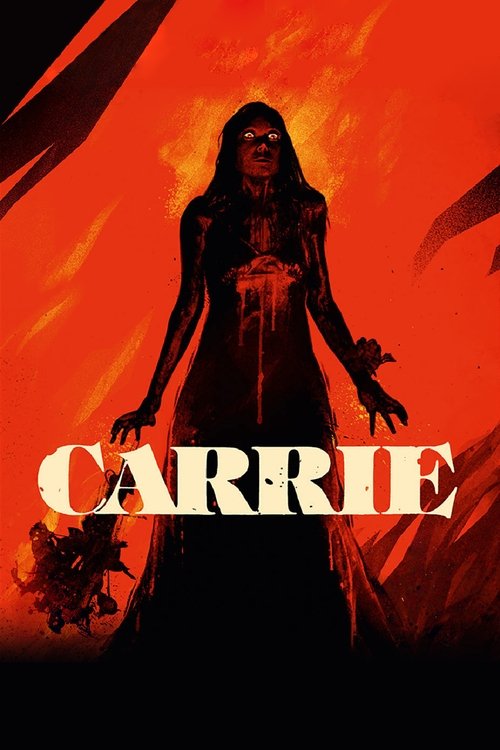
Carrie White has spent her whole life absorbing cruelty from her mother and her classmates. Prom night is when the account comes due.
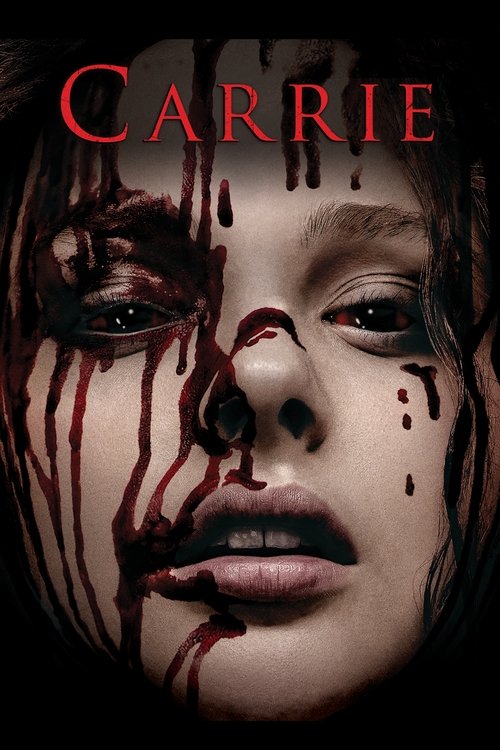
A shy, isolated teenager with telekinetic abilities faces her worst impulse at the worst possible moment.
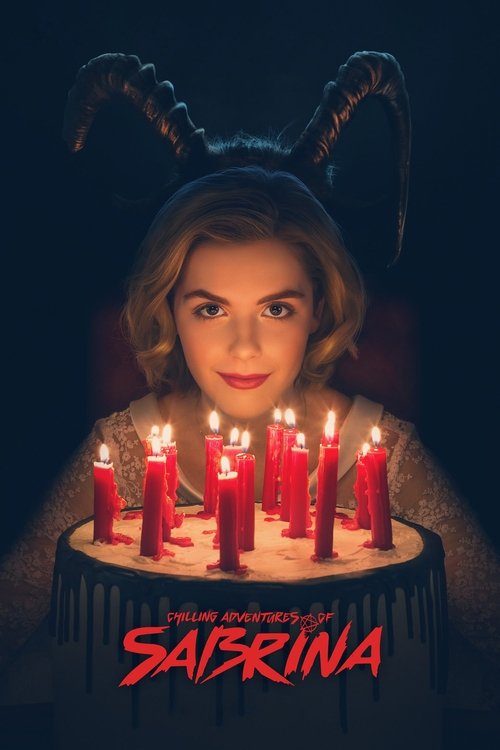
Half-human, half-witch Sabrina Spellman navigates high school, a dark church, and a war between her two worlds that keeps pulling her toward a side she's not sure she wants.
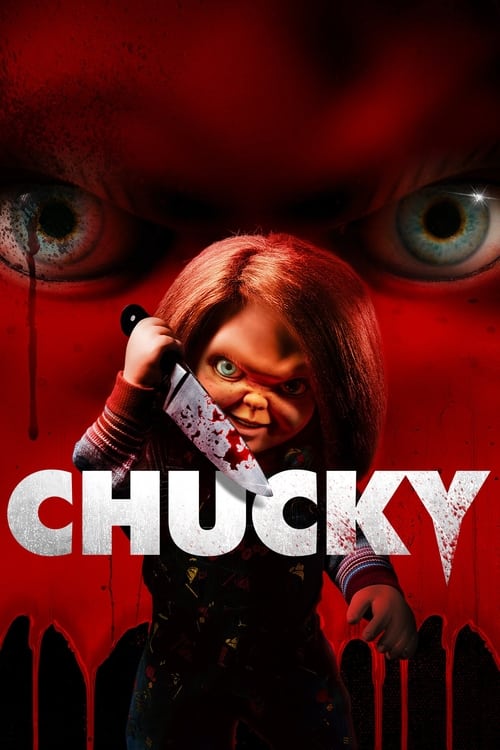
A vintage Chucky doll turns up at a suburban yard sale and a small American town starts coming apart at the seams.
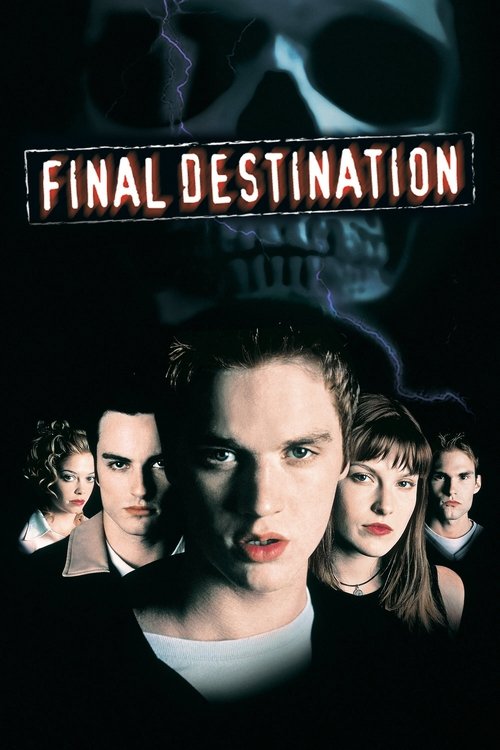
A teenager has a vision of a plane crash and gets himself and several others off the flight before it happens. Death works back through the list of survivors.
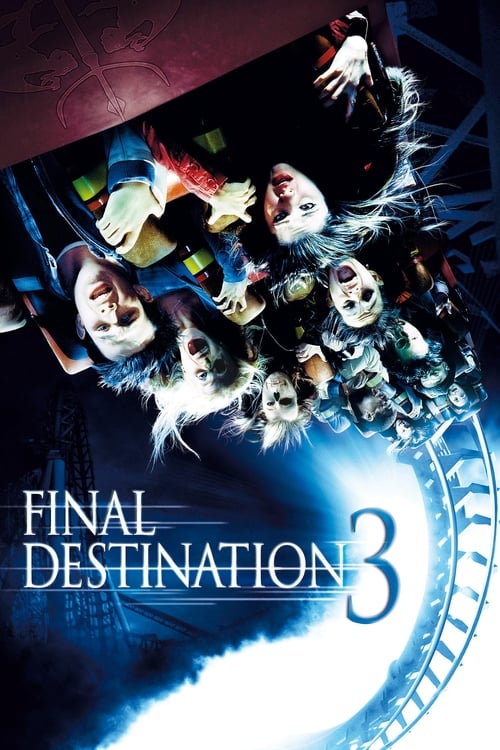
Wendy Christensen has a premonition that her senior class roller coaster is about to derail and pulls several friends off before it does. The photos she took that night hold clues to exactly how each survivor is going to die next.

Sam Lawton foresees a suspension bridge collapse and saves a handful of coworkers before it happens. William Bludworth returns with an unsettling new option, kill someone else and take their remaining years, if any of the survivors want a real way out.
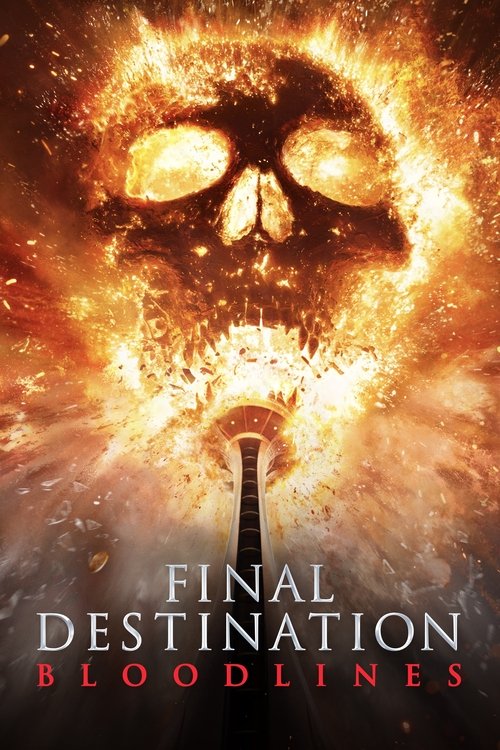
A new group escapes a premonition of a highway disaster and finds the order is still being completed. The cycle connects to a family legacy stretching back to the original film.
Searching the complete Curated Teenage Horror archive…
No matches found in the Curated Teenage Horror collection. Try a broader title or keyword.
Teenage horror is a subgenre of horror where the main characters are teenagers and the central fears often mirror real adolescent anxieties: social pressure, body changes, loss of control, and identity. The genre spans slashers, supernatural films, coming-of-age horror, and psychological thrillers. It's one of the most commercially durable corners of horror, with roots going back to 1950s drive-in pictures and a defining mainstream moment with Wes Craven's Scream in 1996. What separates strong teenage horror from the forgettable stuff is whether the scares actually connect to something real in the characters' lives.
The best teen horror works because it uses genre mechanics to say something true about growing up. Films like Carrie (1976), Ginger Snaps (2000), and Jennifer's Body (2009) use monsters and violence as metaphors for things teenagers actually go through: humiliation, transformation, betrayal, and sexual awakening. Adults who revisit these films often find more in them than they did the first time. A curated selection of teenage horror isn't about nostalgia for cheap scares, it's about finding the films where the horror earns its emotional weight.
Teen horror features teenage protagonists and centers their perspective, fears, and social world. Horror for teens is content that has been selected or rated as appropriate for a younger audience. These categories overlap but aren't the same thing. The Loved Ones (2009), for example, is teen horror with a teenage lead but is far too brutal for most teenage viewers. A curated guide to teenage horror should make that distinction clear, noting both content and context so the right film lands with the right viewer.
Beyond the obvious titles, the subgenre has a deep bench of underseen films that deserve more attention. All the Boys Love Mandy Lane (2006) is a sharp, subversive slasher that sat unreleased for years. Tigers Are Not Afraid (2017) is a Mexican ghost story set against real cartel violence that gives its teenage characters genuine weight. Super Dark Times (2017) is a slow-burn psychological film about teenage boys and the unbearable weight of a secret. These aren't household names, but they're the kind of films a curated teen horror collection is built to surface.
A curated selection starts with a point of view rather than a popularity ranking. Algorithmic lists tend to cluster around the same 10 to 15 titles because those titles have the most votes, the most reviews, and the most name recognition. A curated teenage horror collection filters by craft, staying power, and whether a film actually delivers on what the subgenre promises. That means some consensus favorites make the cut and some don't, and it means genuinely overlooked films get the same consideration as well-known ones. HorroRated uses human judgment across the full collection, not view counts.
Slashers are the most common: a killer picking off teenagers one by one, often with a masked identity and a body count that rises as the runtime does. Supernatural horror is a close second, covering everything from haunted locations to possession and demonic entities. Coming-of-age horror is a distinct strand where the horror is more metaphorical, tied directly to puberty, identity, or social trauma. There's also a healthy crossover with dark comedy, particularly in the 1990s and again in the 2010s. The subgenre is broader than most people expect.
It depends on the film, the teenager, and what you're comfortable with. Rating systems give a rough guide but aren't precise enough to answer the question on their own. A PG-13 horror film can be more psychologically disturbing than an R-rated slasher. The more useful question is what kind of content is involved: sustained violence, sexual content, or psychological intensity each lands differently depending on the viewer. A curated teenage horror guide should note where a film sits on that spectrum so the decision is actually informed rather than just based on the MPAA rating.