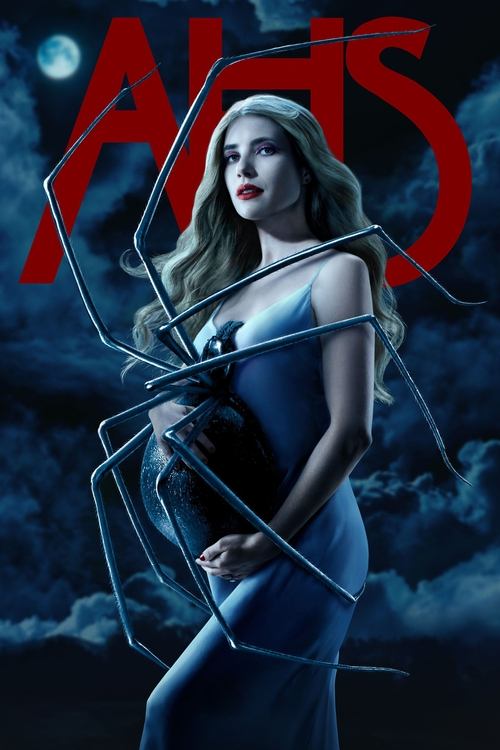
American Horror Story
2011 · TVEvery season brings a new cast, a new horror setting, and a completely different story. Murder House, Asylum, Coven. No two seasons share anything but the ambition.
Faith is a powerful thing. So is the corruption of it. Curated religious horror sits inside that tension, films that take belief seriously enough to show what happens when it goes wrong. Exorcisms, cults, divine punishment. The sacred and the terrifying have always shared a border.
Every season brings a new cast, a new horror setting, and a completely different story. Murder House, Asylum, Coven. No two seasons share anything but the ambition.
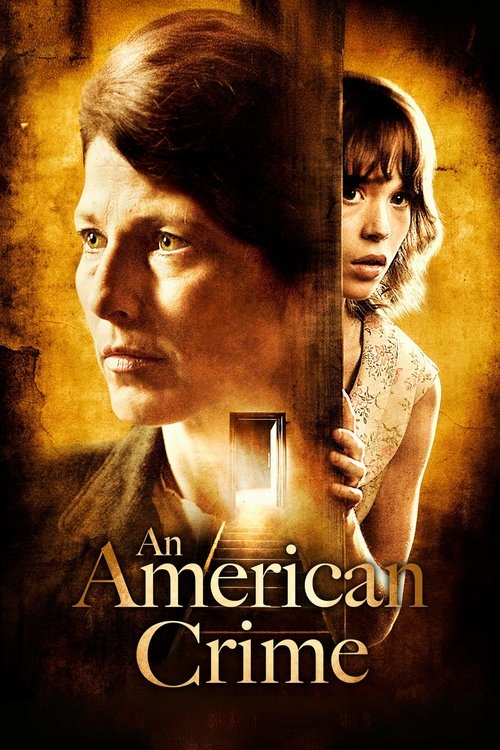
Sylvia Likens is left in the care of Gertrude Baniszewski while her parents travel with a carnival. The situation deteriorates methodically over months.
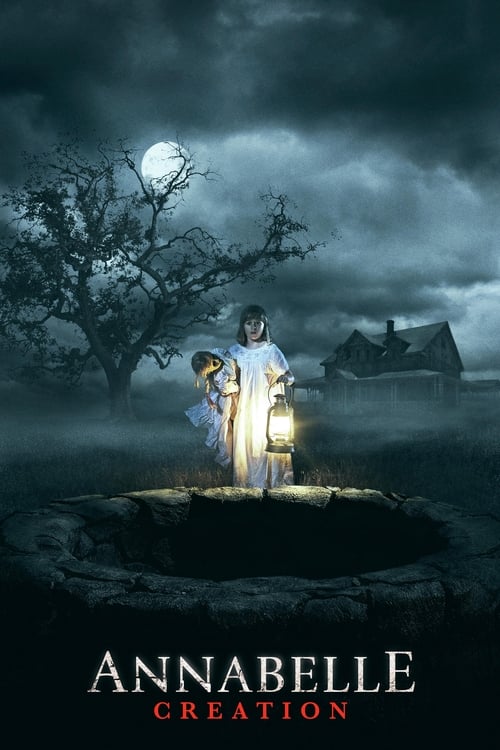
A group of orphaned girls is placed in the Mullins household in the 1950s, where the parents have been living with a tragedy and something attached to a doll.
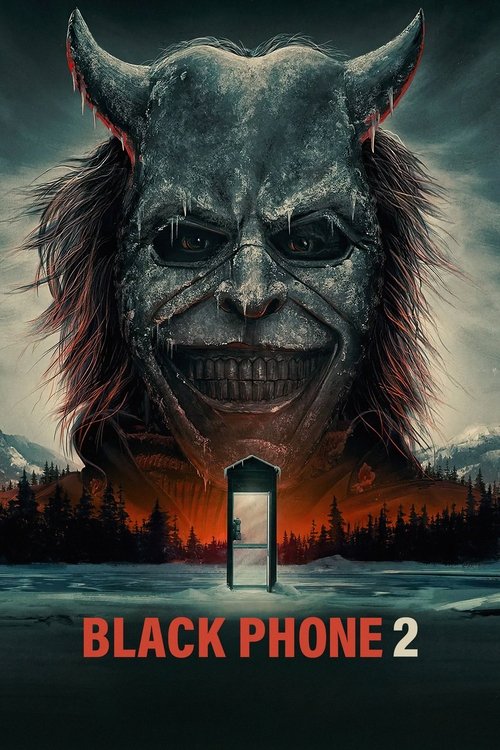
The supernatural telephone mythology extends into a new setting with a new Grabber while connecting back to the original film's characters.
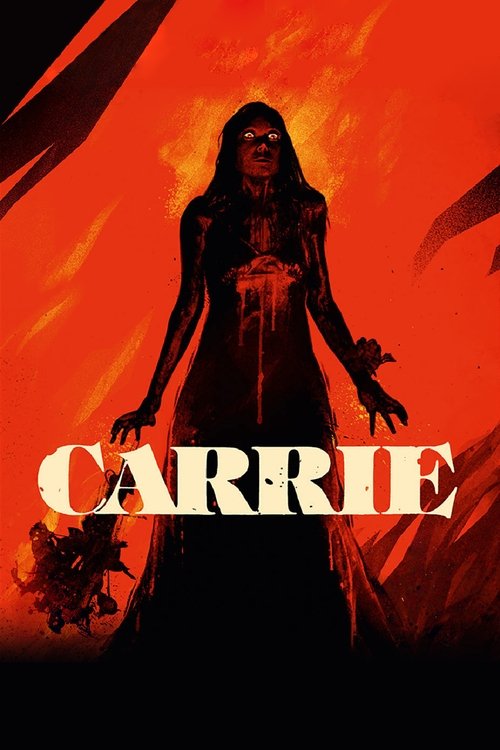
Carrie White has spent her whole life absorbing cruelty from her mother and her classmates. Prom night is when the account comes due.
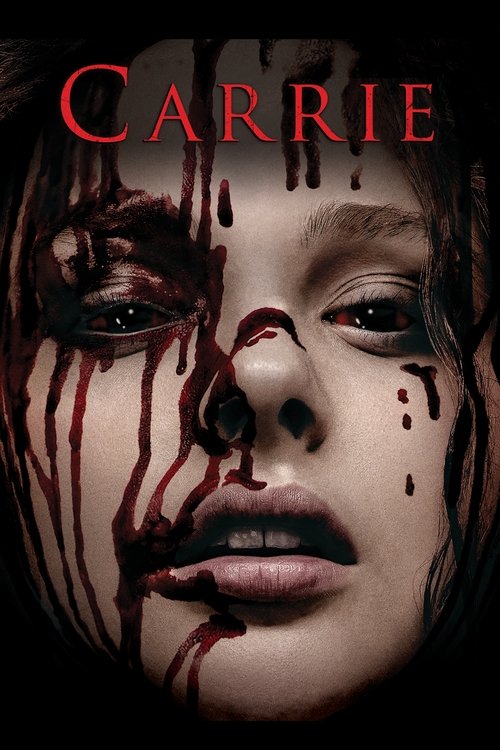
A shy, isolated teenager with telekinetic abilities faces her worst impulse at the worst possible moment.
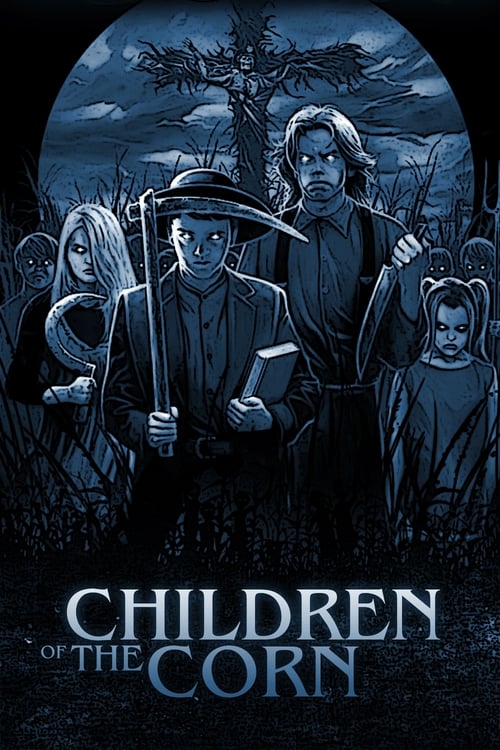
Burt and Vicky get stranded near a small Nebraska town where every adult is gone and the children follow something that lives in the corn.
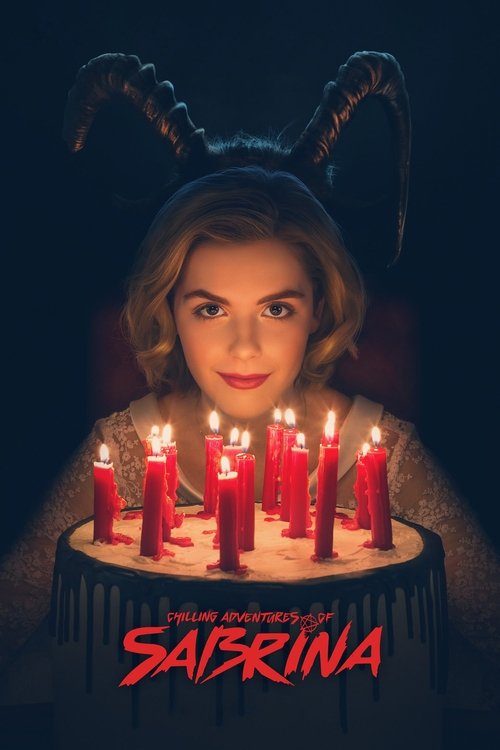
Half-human, half-witch Sabrina Spellman navigates high school, a dark church, and a war between her two worlds that keeps pulling her toward a side she's not sure she wants.
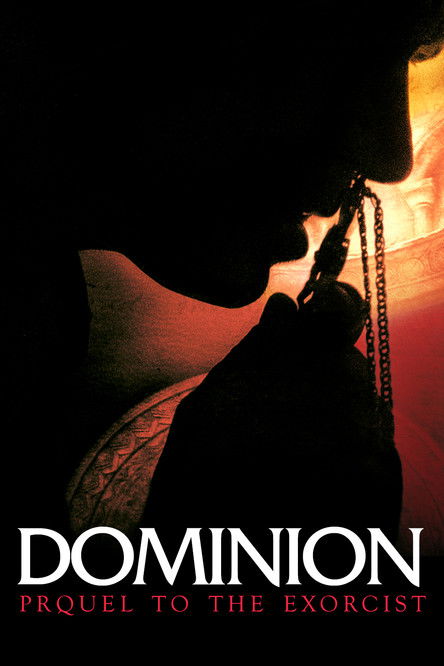
Father Merrin has already lost his faith in a Nazi-occupied Dutch village. Kenya gives him one more chance to lose it completely.
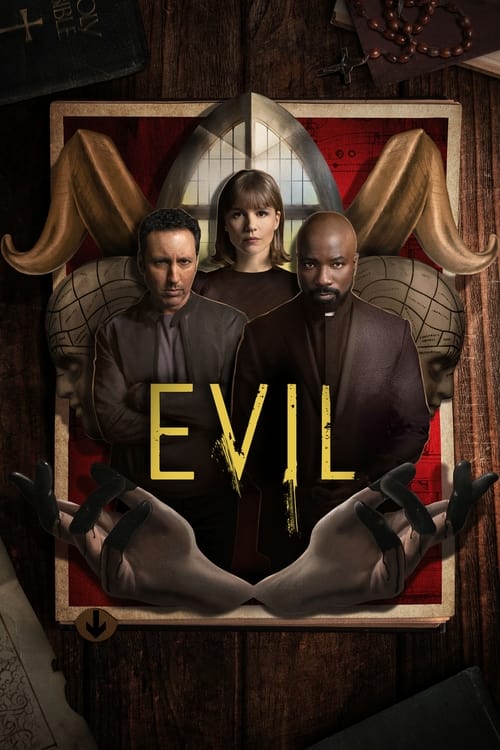
A forensic psychologist, a priest-in-training, and a tech expert investigate demonic possession and miracles for the Catholic Church. The line between science and faith keeps moving.
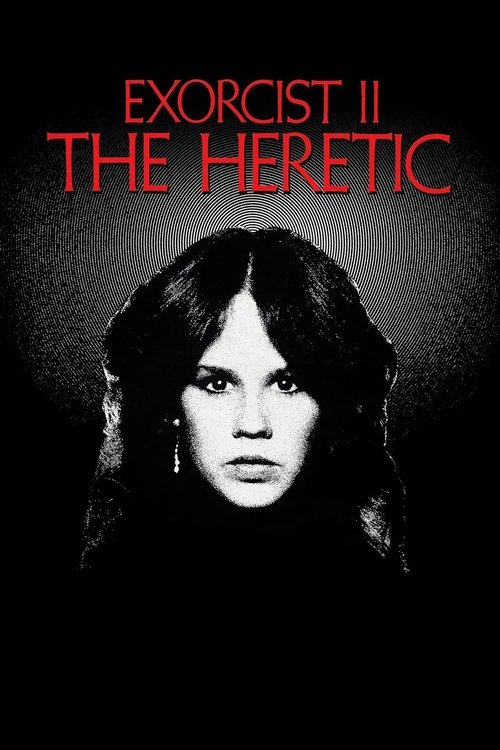
Four years after Father Merrin's death, Father Lamont investigates what really happened during Regan's exorcism. A hypnosis machine, an African witch doctor, and a locust plague later, nobody involved seems entirely sure what this movie is about.
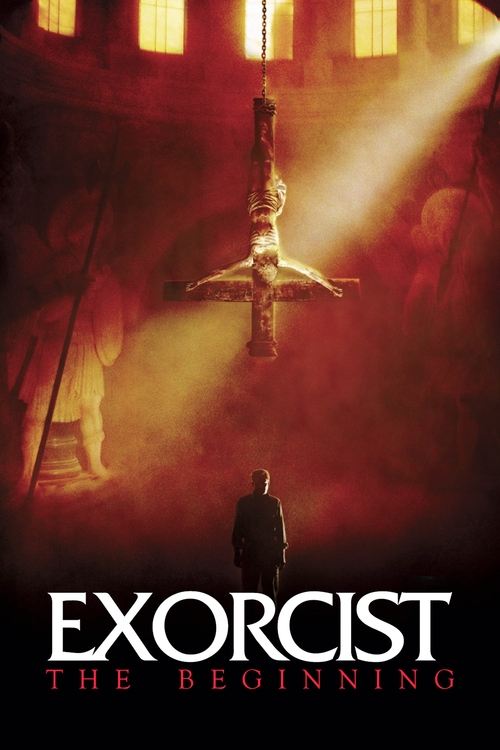
A former priest working an archaeological dig in Kenya uncovers a buried Byzantine church. Something was sealed inside it.

Detective Lois Tryon investigates a series of heinous crimes in a small community that feel uncomfortably personal, as if something is sending her a message.
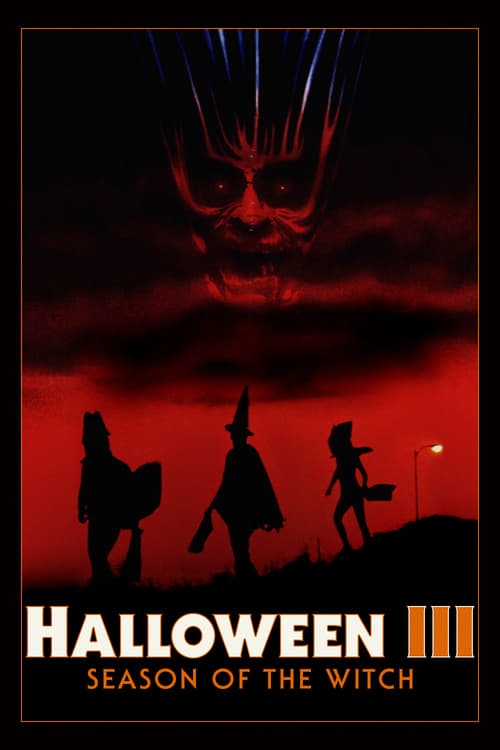
No Michael Myers. Instead, a California coastal town is being targeted by a mask company with a very strange plan for Halloween night.
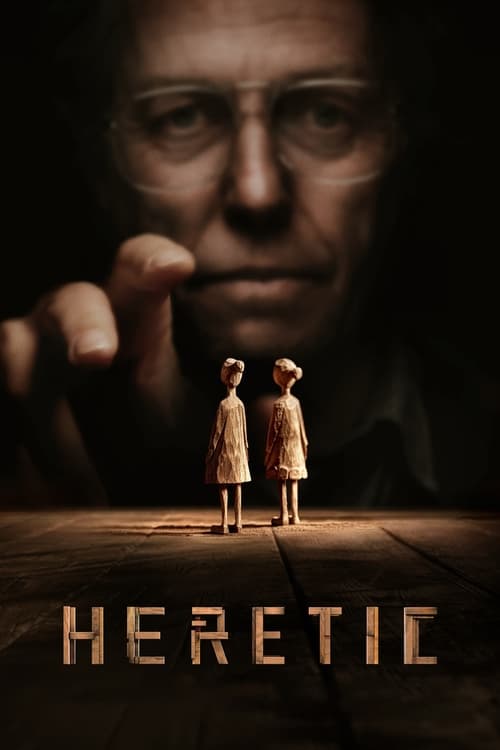
Hugh and Felix are visitors to a small Utah bed and breakfast when Mr. Reed produces evidence he claims proves God exists and refuses to let them leave without engaging with it.

A protagonist's fixation on someone draws the attention of a presence that feeds on that particular kind of obsession.
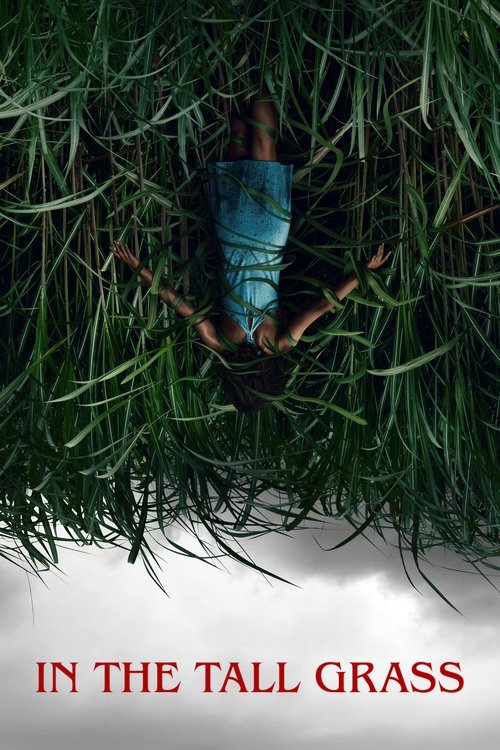
Becky and Cal stop at a field in rural Kansas after hearing a child calling from the grass and find that entering it displaces them from normal space and time.
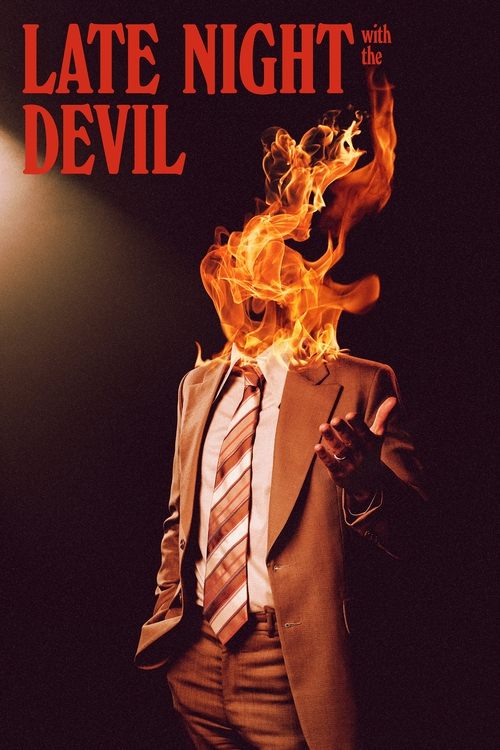
Jack Delroy's show Late Night with the Devil broadcasts from Studio 6B on Halloween night 1977. The special's escalating content is recovered on videotape years afterward.
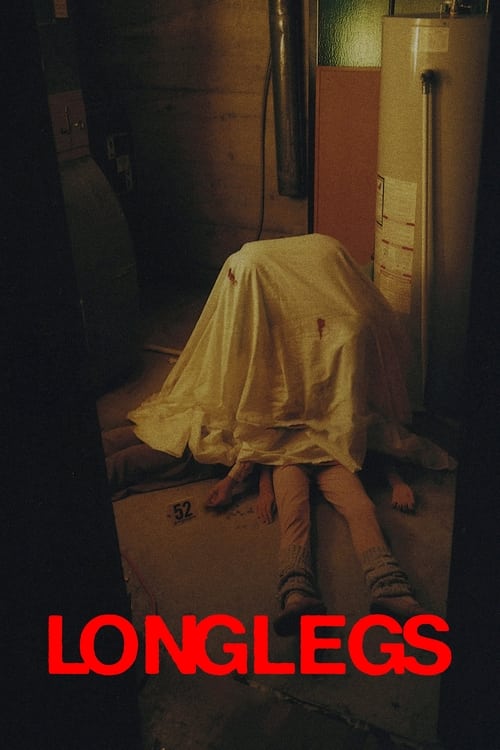
Lee Harker is sent to Astoria, Oregon to investigate a series of killings and finds that the local killer has connections to her own past the case file doesn't explain.
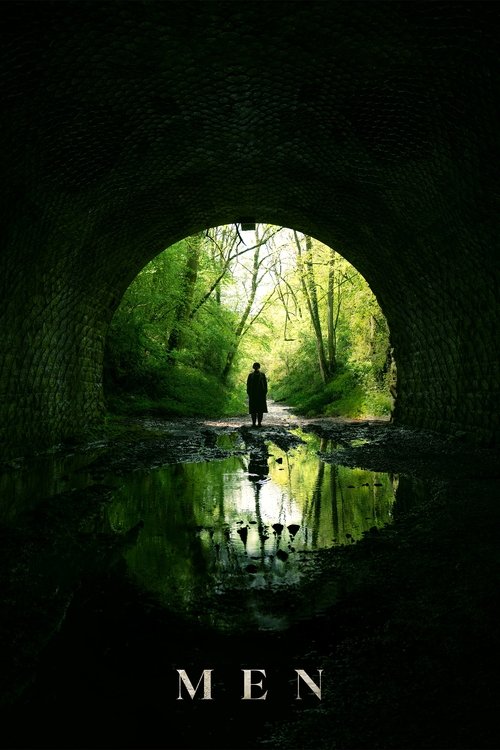
Harper retreats to the English countryside after a personal tragedy. The village she's staying near and its surrounding land harbor something specific about masculine hostility.
Searching the complete Curated Religious Horror archive…
No matches found in the Curated Religious Horror collection. Try a broader title or keyword.
Religious horror is a subgenre of horror that uses faith, doctrine, sacred ritual, and religious imagery as the source of its terror. Unlike general supernatural horror, the threat is rooted in a specific belief system: possession, divine punishment, corrupt clergy, demonic entities, or a crisis of faith. The genre most commonly draws on Christian and Catholic traditions, but films built around Jewish folklore, Islamic mythology, Shinto spirits, and pagan ritual all fall within it. What separates religious horror from adjacent subgenres like folk horror or cosmic horror is its reliance on moral and spiritual conflict, the battle between the sacred and the profane.
Supernatural horror is a broad umbrella that covers ghosts, hauntings, and paranormal events without necessarily anchoring them to any belief system. Religious horror narrows the focus: the terror comes from within an established religion, and the resolution (when there is one) usually requires faith, clergy, or sacred ritual to confront it. The stakes feel different too. A ghost story is frightening because of what you might see. Religious horror is frightening because of what it says about sin, judgment, and whether belief itself can protect you.
Catholicism supplies a particularly rich visual and ritual vocabulary for horror: exorcism rites, crucifixes, holy water, confessionals, and the institutional weight of the Vatican. The hierarchy and secrecy of the Church also lend themselves to conspiracy and corruption storylines. That said, the dominance of Catholic imagery in the genre is as much a product of Hollywood convention as theology. A growing number of notable religious horror films draw from other traditions, including Jewish dybbuk folklore, Korean shamanism, Hindu mythology, and Shinto belief systems, each bringing a distinct set of fears and frameworks.
The genre keeps returning to a core set of tensions: faith versus doubt, the sacred versus the profane, institutional religion versus personal belief, and divine protection versus divine abandonment. Possession narratives often ask whether belief itself is enough to resist evil. Cult films examine what happens when religious authority is weaponized. Many of the genre's best films use religious dread as a way into deeper psychological territory, with guilt, grief, and trauma amplified through a spiritual lens.
Not exactly, though there's real overlap. Cult horror focuses specifically on organized groups that use religious belief to control, isolate, or harm members, think Midsommar, The Wicker Man, or Children of the Corn. Religious horror is broader and includes demonic possession, exorcism, biblical prophecy, and faith-driven supernatural conflict that has nothing to do with a cult structure. A film like The Exorcist is religious horror but not cult horror. Midsommar sits comfortably in both.
Beyond the obvious titles, the genre has produced a lot of overlooked work. Frailty (2002) is a Southern Gothic take on biblical horror that holds up better than most films from that era. The Vigil (2019) brings Jewish folklore and Holocaust trauma together in a way that feels genuinely original. Noroi: The Curse (2005) uses found footage to explore Shinto ritual horror in Japan. The Seventh Sign (1988) and The Prophecy (1995) both deserve more attention than they get. HorroRated's Religious Horror collection pulls from across the subgenre's history, not just the films that already have name recognition.
Every title in the Religious Horror collection has been reviewed and scored by the HorroRated team using the same 0 to 5 verdict scale applied across the full archive. A film earns its place here because religious doctrine, ritual, or spiritual conflict is central to what it's doing, not just background dressing. The collection spans possession films, cult horror, crisis-of-faith narratives, and non-Christian traditions. The goal is a useful, honest path through the subgenre, including hidden gems that don't always show up on mainstream lists.