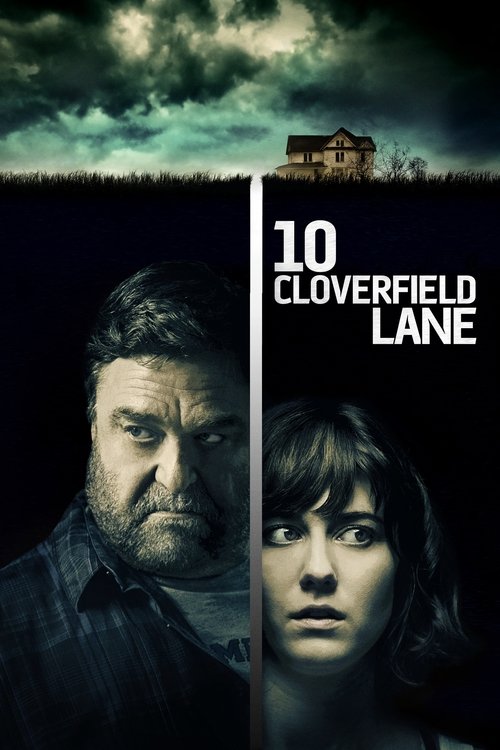
10 Cloverfield Lane
2016 · MovieMichelle wakes up in Howard's underground bunker after a car accident and is told something catastrophic has happened outside that makes returning impossible.
Technology, space, and scientific progress all share the same shadow side. Curated sci-fi horror lives there, films where the innovation is real and the consequences are worse. The genre has always been less about the future and more about what we're willing to do to get there.
Michelle wakes up in Howard's underground bunker after a car accident and is told something catastrophic has happened outside that makes returning impossible.

The rage virus has spread to continental Europe twenty-eight weeks after Britain was declared safe enough to repopulate.

Spike wakes up twenty-eight years after the original outbreak to find a Britain that has partially adapted to the rage virus in ways neither previous film anticipated.
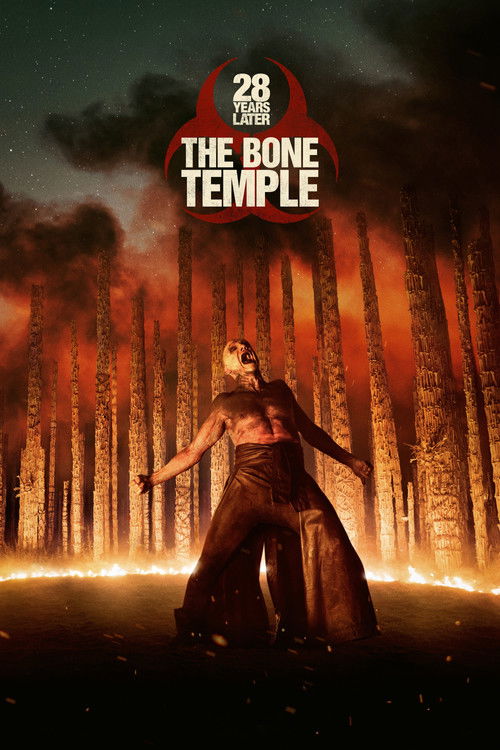
28 Years Later: The Bone Temple is the second film in the trilogy, continuing the story of Britain's long adaptation to the rage virus.
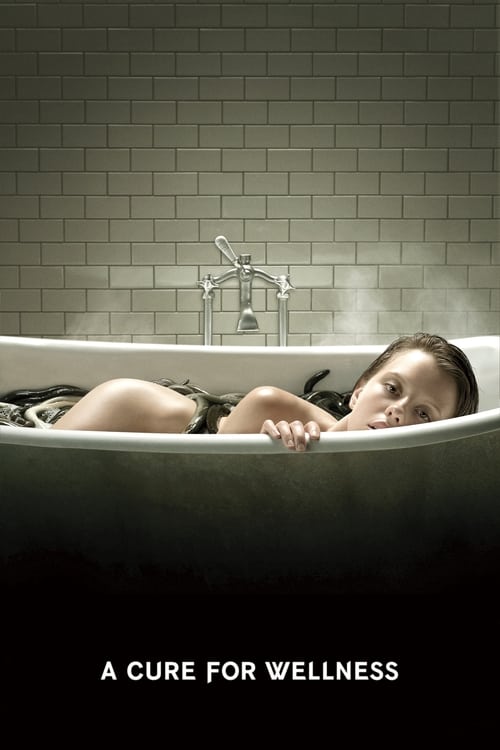
Lockhart arrives at a Swiss Alpine wellness clinic to retrieve an executive and ends up treated as a patient while the facility's history and methods reveal themselves.
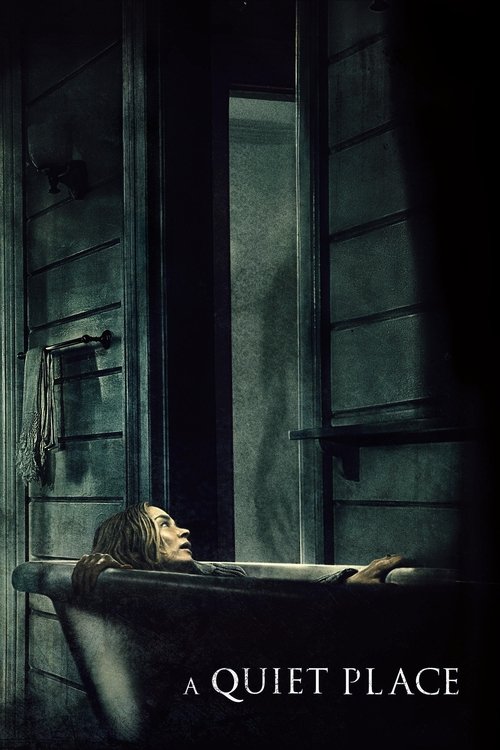
The Abbott family survives in a world where making any sound will get you killed. The film follows a crucial period in that survival.
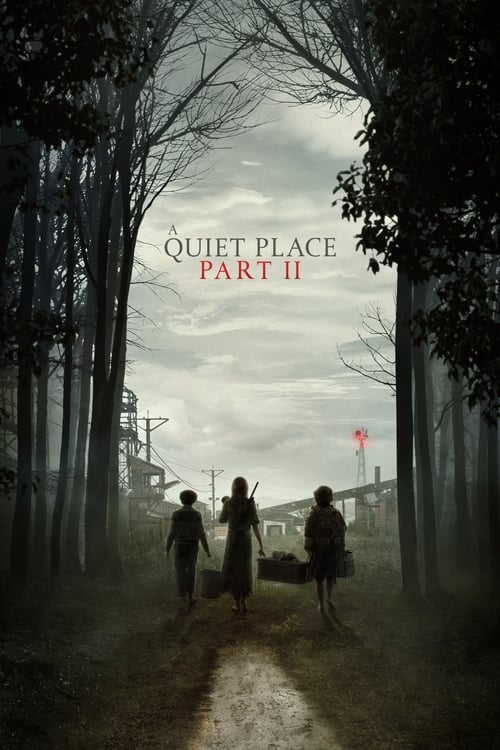
Evelyn Abbott and her children emerge from their fortified property and encounter Emmett and other survivors navigating the same sound restrictions.

Samira just wanted pizza and one last good day in New York. She got the invasion that started the whole franchise instead.
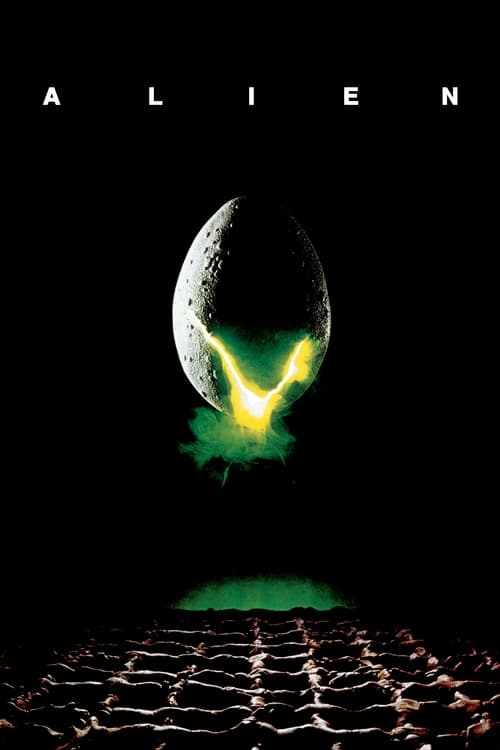
The commercial towing vessel Nostromo answers a distress signal on a distant moon. What the crew brings back aboard doesn't intend to leave.
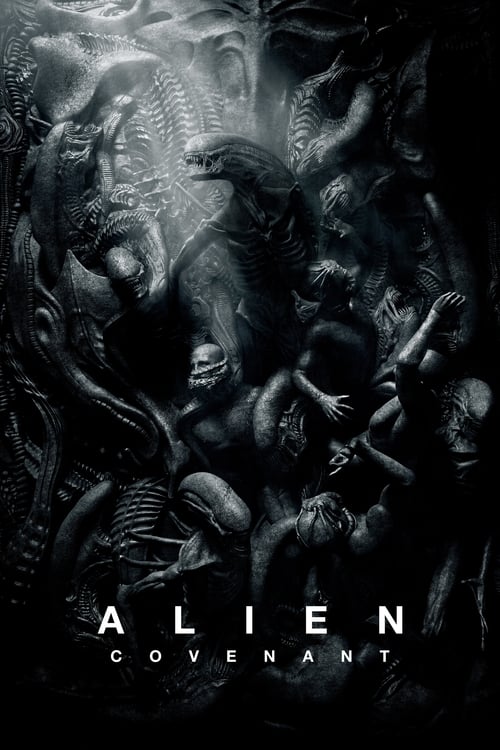
The Covenant colony ship detours to investigate a signal and finds a world that David, the android from Prometheus, has been using as a laboratory.
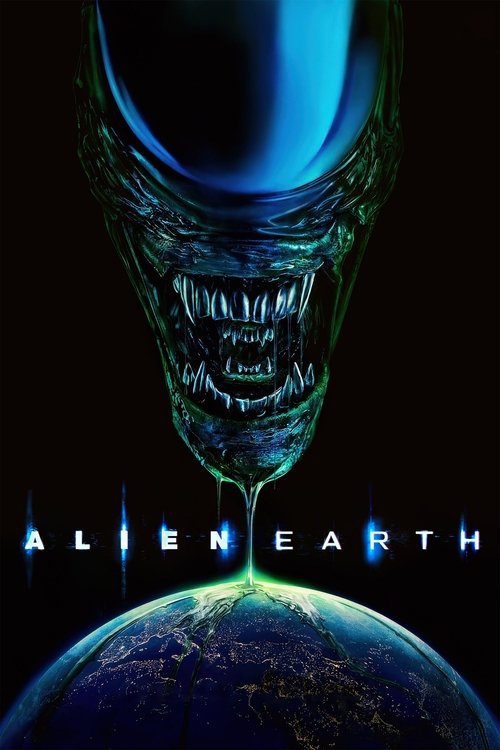
A crashed deep-space vessel brings something to Earth that a squad of soldiers and a young woman are completely unprepared for.
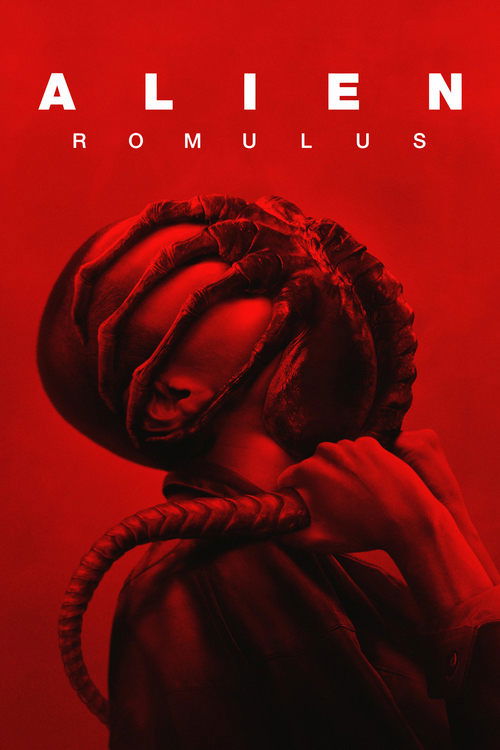
A young group of people scraping by in a post-Alien world boards the abandoned Romulus station looking for resources and activates a xenomorph situation their circumstances make harder to survive.
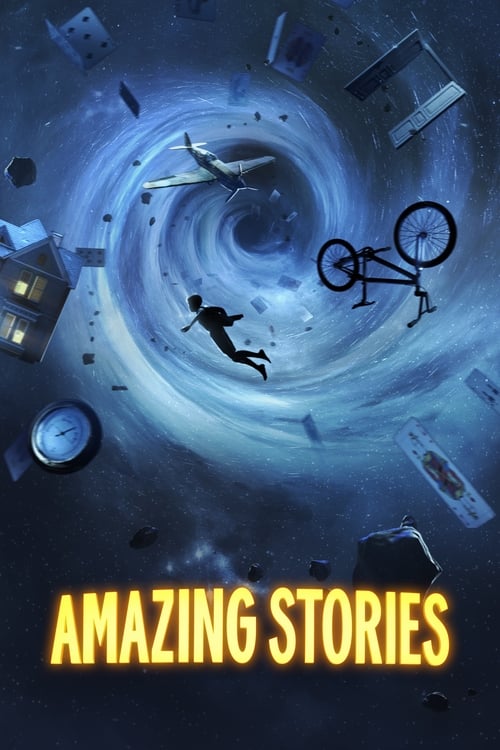
Steven Spielberg's anthology revival transports everyday characters into worlds of wonder, strangeness, and genuine unease.
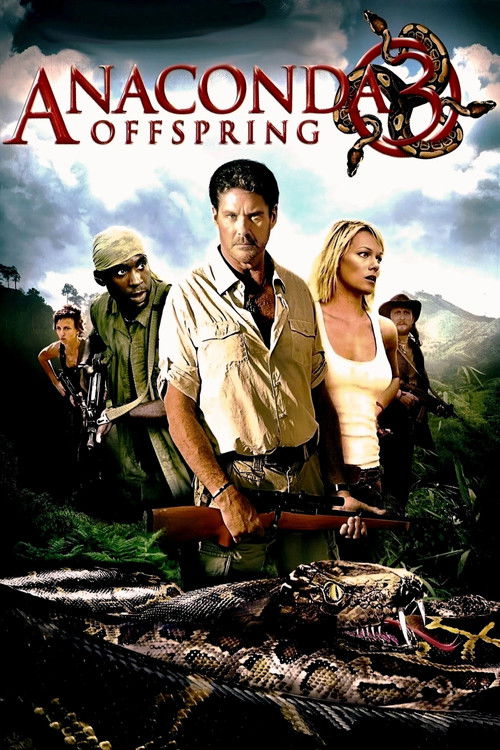
A billionaire funding illegal snake experiments wants his mutant anacondas captured alive, not killed. David Hasselhoff has other plans once they start eating people in Bucharest.
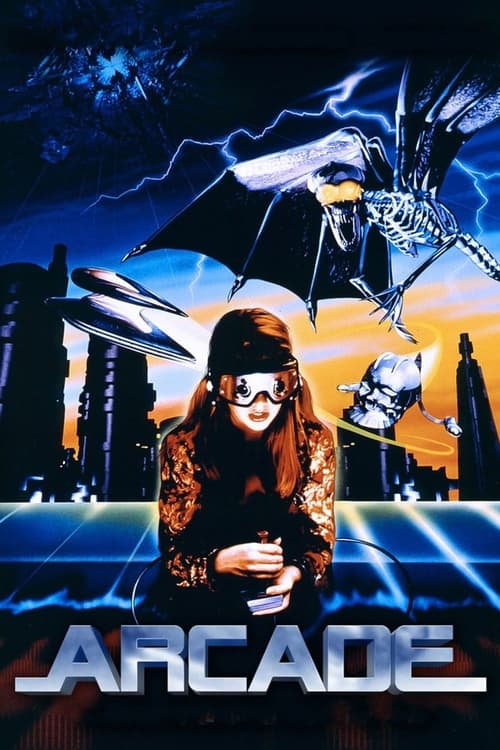
A new virtual reality game called Arcade is being tested at a local arcade called Dante's Inferno. Kids who lose don't just lose — they disappear inside it.
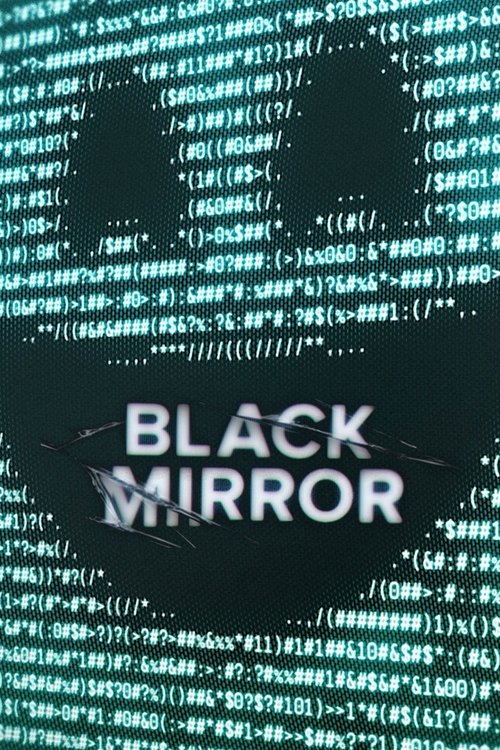
Every episode is a self-contained story about what technology does to people when taken to its logical and usually devastating conclusion.
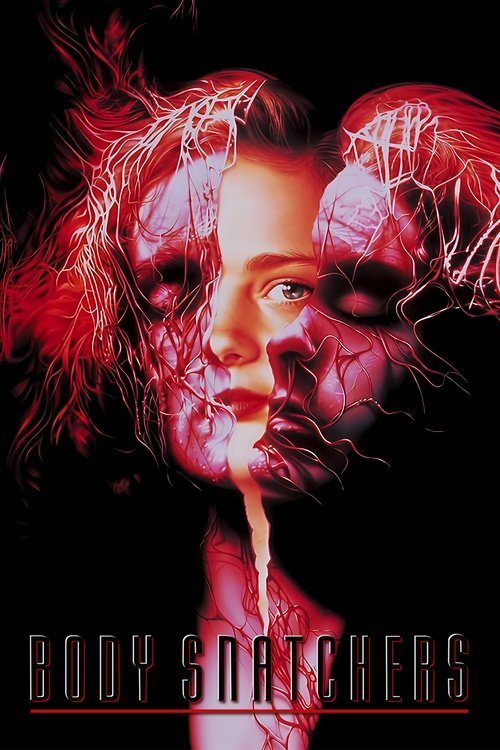
A teenage girl moves to a military base with her family and starts noticing that the people around her are becoming something else.
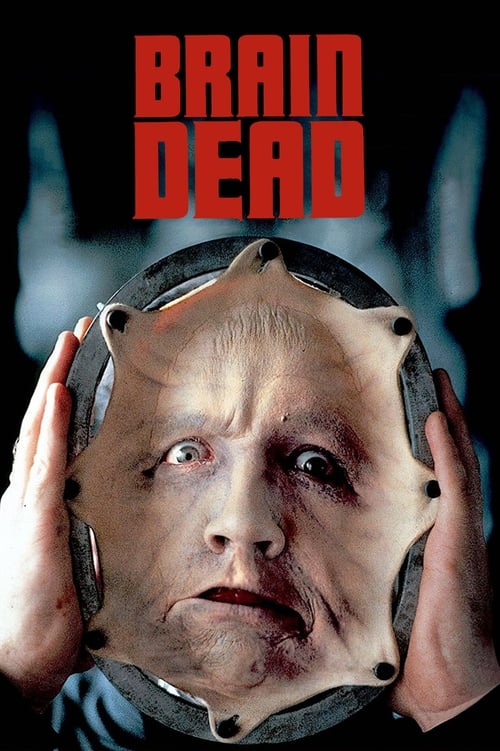
A neurosurgeon agrees to help a corporation access information locked in a paranoid patient's mind. The deeper he goes, the less certain he is about what he's actually experiencing.

Eight teenagers sneak into a mall after closing for a party. The new security robots have been programmed more aggressively than anyone anticipated.

Iris wakes up to find that her partner Eli is not who she thought he was. The film follows the specific horror of discovering a deception that has been in place for the entire relationship.
Searching the complete Curated Sci-Fi Horror archive…
No matches found in the Curated Sci-Fi Horror collection. Try a broader title or keyword.
Sci-fi horror is a genre hybrid that uses scientific concepts, futuristic settings, or technological fear as its source of dread. Where science fiction typically treats the unknown as a source of wonder, horror treats it as a threat. Combining the two produces something uniquely unsettling: the fear that progress, discovery, or the universe itself might be working against you. Films like Alien (1979) and The Thing (1982) are considered defining examples. At HorroRated, curated sci-fi horror focuses on films where both the science and the scares carry genuine weight.
The fear in sci-fi horror comes from plausibility, not the supernatural. Instead of ghosts or demons, the threat might be a biological organism, a rogue AI, an alien life form, or the consequence of scientific hubris. That grounding in "this could actually happen" is what separates the subgenre from traditional horror. It's also why films like The Fly (1986) or Annihilation (2018) leave a different kind of impression than a standard haunting or slasher.
Sci-fi horror covers a wide range of territory. Space isolation horror (think Alien, Event Horizon) traps characters in the void with something they can't outrun. Body horror (Cronenberg's work, The Fly) uses transformation as its central terror. Tech horror explores artificial intelligence and surveillance gone wrong. Pandemic and infection films deal with disease as an unstoppable, man-made force. Each subgenre carries different anxieties, and part of the value of a curated archive is knowing which direction a film is actually coming from.
Cosmic horror is a specific branch of sci-fi horror rooted in the idea that the universe is fundamentally indifferent or unknowable, and that human beings are insignificant against what's actually out there. The dread in cosmic horror isn't about a monster you might survive but about the realization that survival itself is beside the point. Works influenced by H.P. Lovecraft sit squarely here. Sci-fi horror is a broader category that includes cosmic horror but also covers more immediate threats, from alien invasion to lab experiments gone wrong.
Streaming services organize by popularity, recency, and algorithm. That works fine if you want whatever's trending but leaves most of the subgenre buried. A curated sci-fi horror collection is organized by a human who actually watched the films, sorted by quality and what they offer a horror fan specifically, not by what generated the most clicks. HorroRated's archive includes verdicts, tags, and collection context so you can find the right film for the mood, not just the most-watched one this week.
Three films are consistently the right entry points: Alien (1979) for space isolation and creature design, The Thing (1982) for paranoia and practical effects, and The Fly (1986) for body horror and emotional weight. All three are well-crafted enough to work as films first and horror second, which makes them accessible without feeling like a compromise. From there, the genre opens up considerably, and a curated archive helps narrow down what to watch next based on what specifically worked for you.
Yes, and they're often where the genre is most interesting. Cube (1997) is claustrophobic and psychologically nasty in the best way. Pontypool (2008) takes the zombie premise somewhere genuinely strange. Vivarium (2019) gets under your skin through suburban dread rather than jump scares. These films didn't get the theatrical push of Alien or Predator, but they're doing something original with the genre's core ideas. HorroRated's Hidden Gems collection exists specifically to surface films like these.
A film earns the sci-fi horror tag on HorroRated when the scientific or technological element is load-bearing, not decorative. If you removed the sci-fi premise and the horror stopped working, it belongs here. If the sci-fi is just a backdrop for what's really a slasher or a supernatural film, it gets tagged differently. The goal is to make the collection useful rather than just broad, so browsing it actually surfaces films that fit what you're looking for.