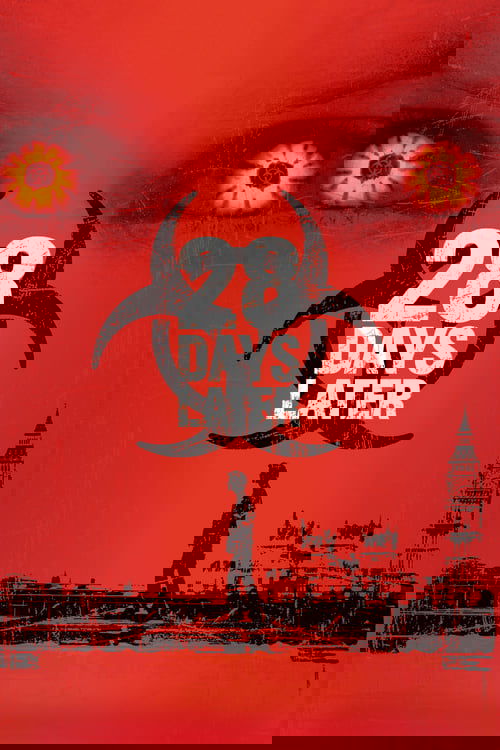
28 Days Later
2002 · MovieJim wakes from a coma in an empty London hospital and walks out into a world that fell apart while he was unconscious.
The zombie was never really about the zombie. Curated zombie horror has always used the undead as a vehicle for something else, social collapse, pandemic, humanity under pressure. Romero established that in 1968. Every film on this list is still working within that framework, whether it knows it or not.
Jim wakes from a coma in an empty London hospital and walks out into a world that fell apart while he was unconscious.

The rage virus has spread to continental Europe twenty-eight weeks after Britain was declared safe enough to repopulate.

Spike wakes up twenty-eight years after the original outbreak to find a Britain that has partially adapted to the rage virus in ways neither previous film anticipated.
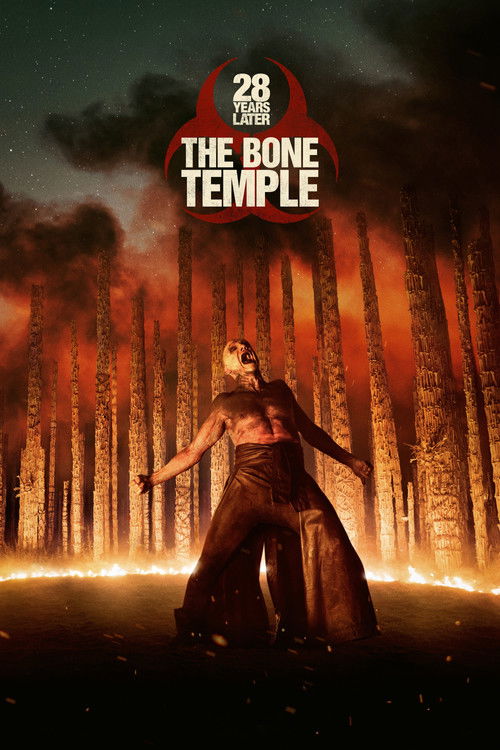
28 Years Later: The Bone Temple is the second film in the trilogy, continuing the story of Britain's long adaptation to the rage virus.
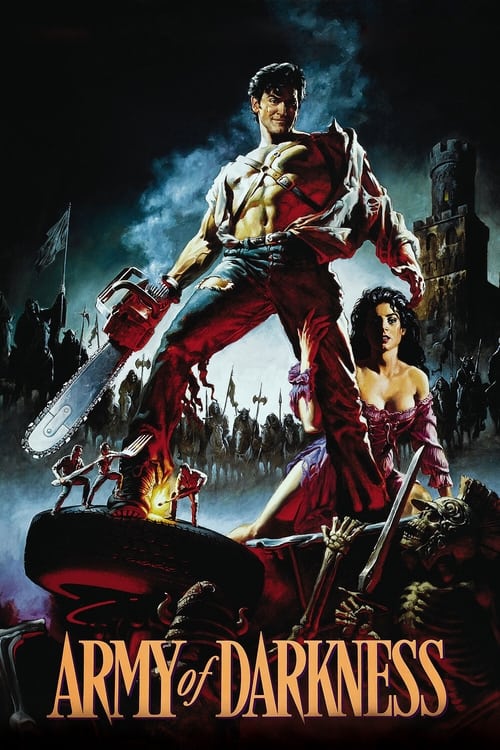
Ash Williams gets pulled through a time portal and ends up in medieval England, where he's expected to fight off an undead army with a chainsaw and a lot of attitude.
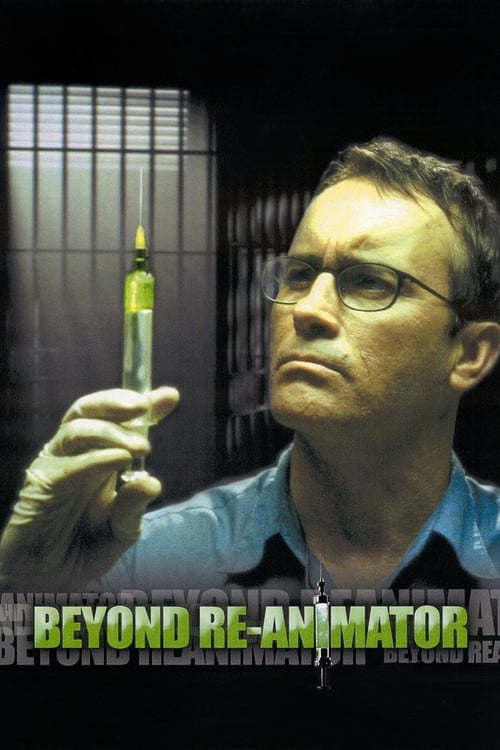
Herbert West is serving time in a maximum security prison in Spain. A young doctor gets him access to a laboratory and the experiments continue.
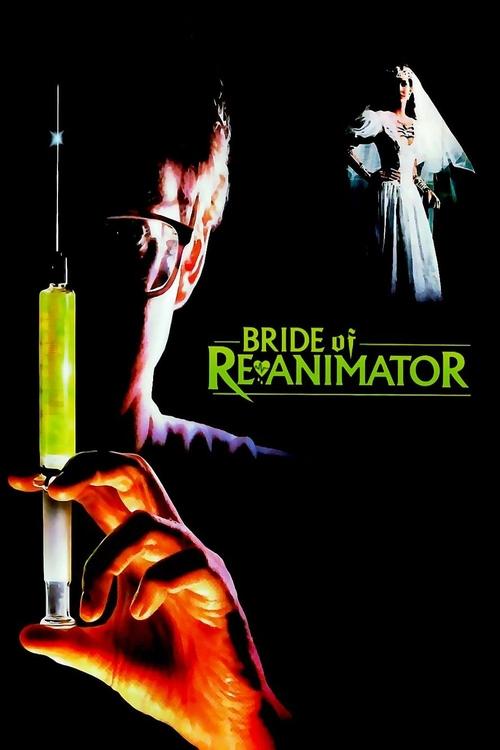
Herbert West is back in Peru after the events of the first film, then attached to a hospital in Spain with a reliable supply of experimental subjects.
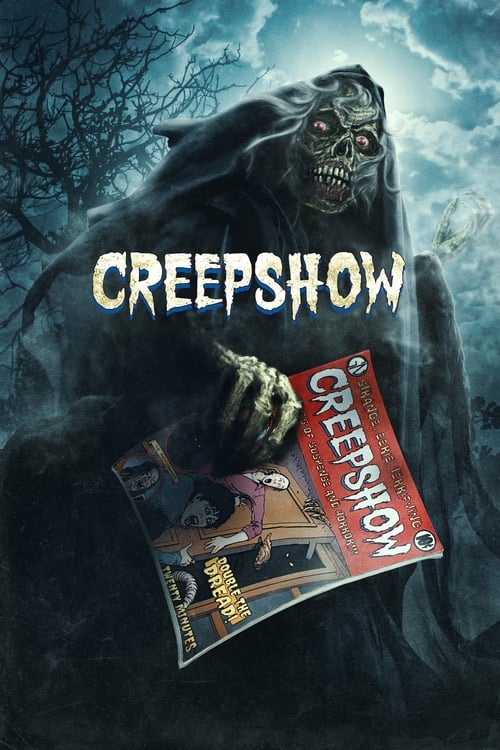
The Creep hosts short horror stories adapted from the comics, brought to life with practical effects and that same mean streak the original Creepshow films had.
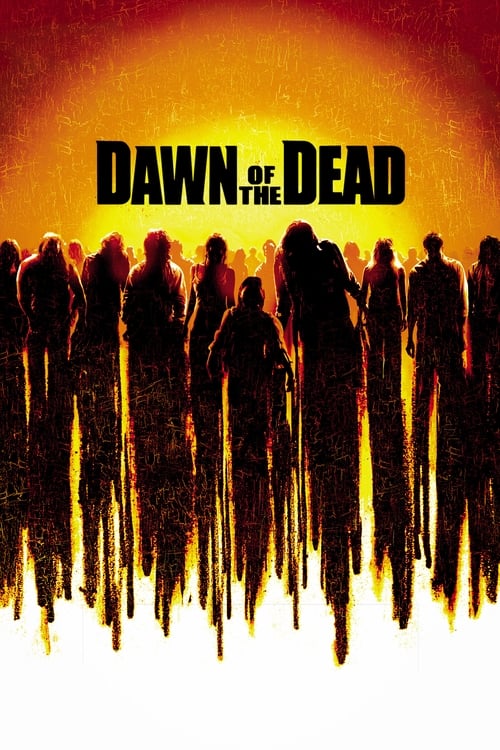
Ana escapes an overnight outbreak and finds shelter in a Milwaukee shopping mall with a small group of survivors as the world outside collapses.
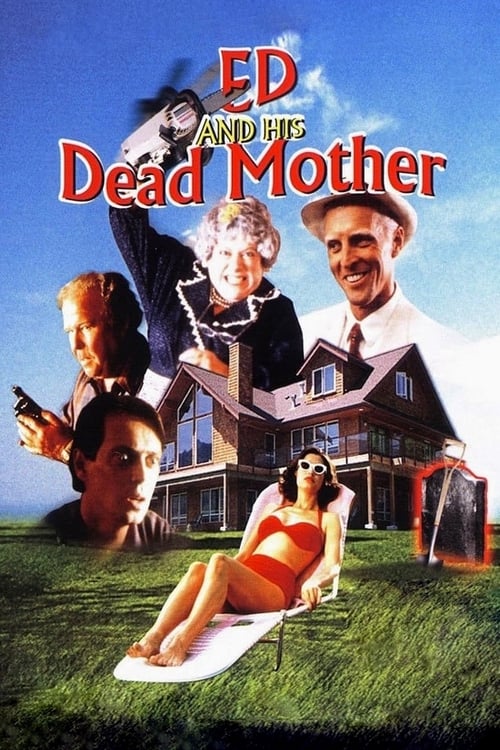
Ed Chilton misses his mother badly enough to pay a mysterious salesman to bring her back. She comes back hungry.
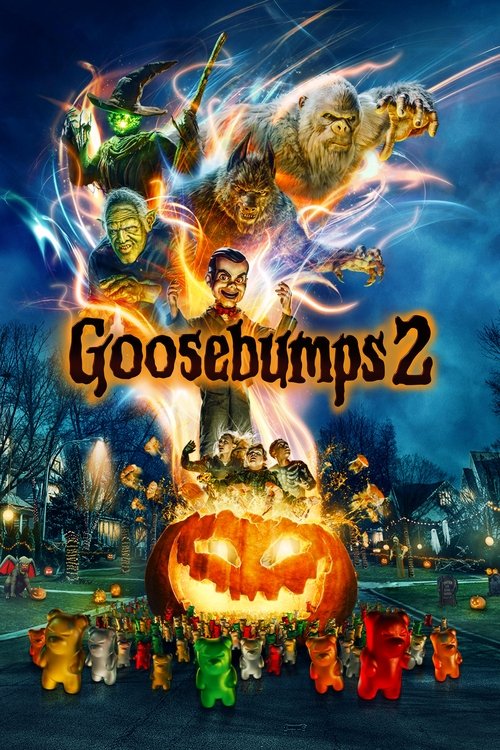
Slappy the ventriloquist dummy returns with a plan to ruin Halloween for the entire neighborhood.

The dead are rising and a group of survivors locks themselves in a farmhouse. Fear does as much damage as what's outside.

Herbert West arrives at Miskatonic University with a glowing reagent and complete certainty about his work. His experiments work, which turns out to be the actual problem.

A special ops team enters a sealed underground laboratory after a viral outbreak and finds out that what's inside is still very active.
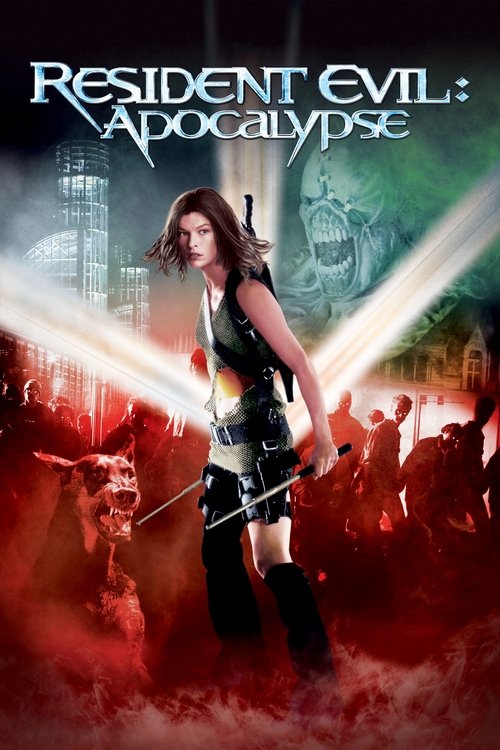
The T-virus has escaped Raccoon City and the corporation is planning to contain the situation by erasing the city entirely.
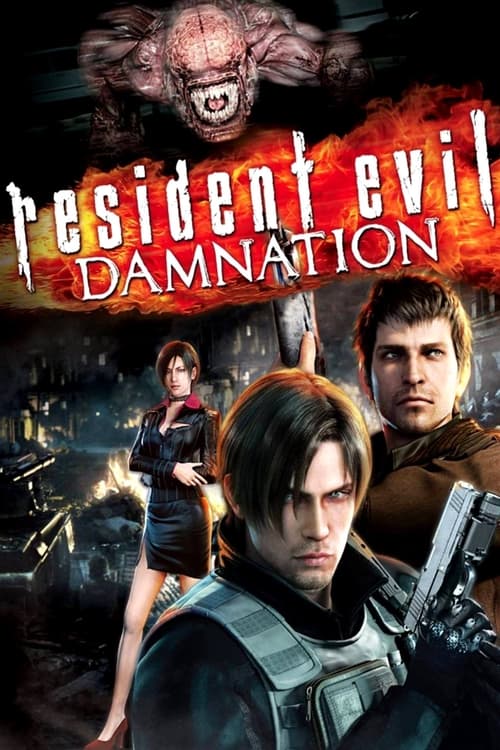
A rogue scientist develops a new biological weapon that threatens a European city. Two Umbrella agents work to contain it.
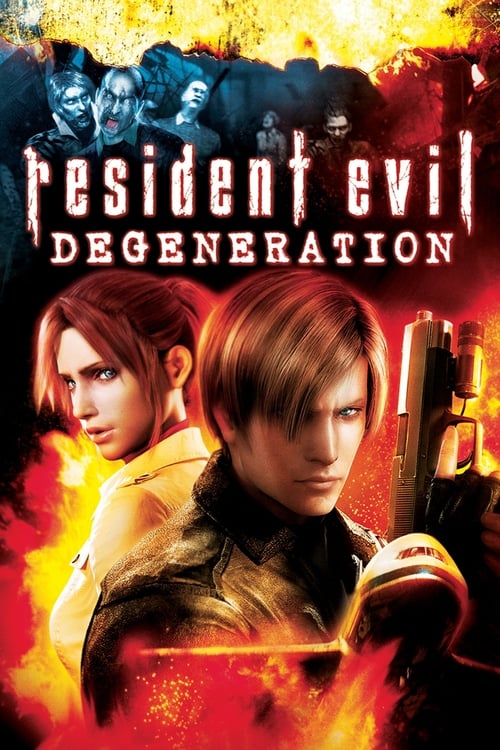
A bioterrorist carries a new G-virus strain through a European airport and two Umbrella agents work to contain it.
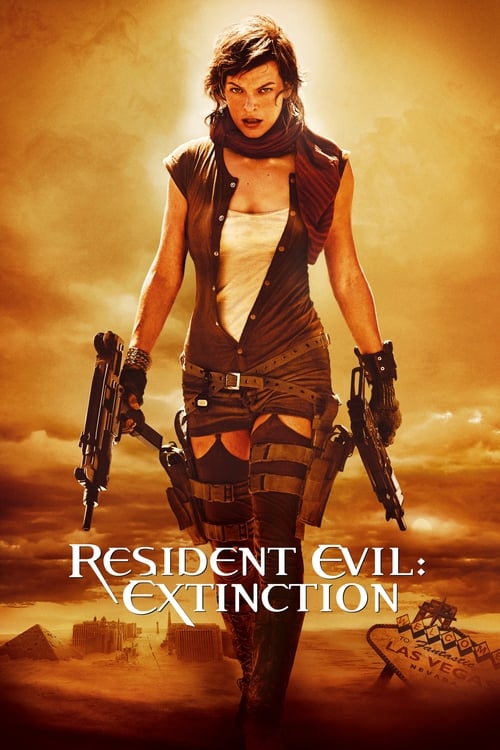
The T-virus has reached the American Southwest and a convoy of survivors is pushing toward a rumored safe zone in Alaska.
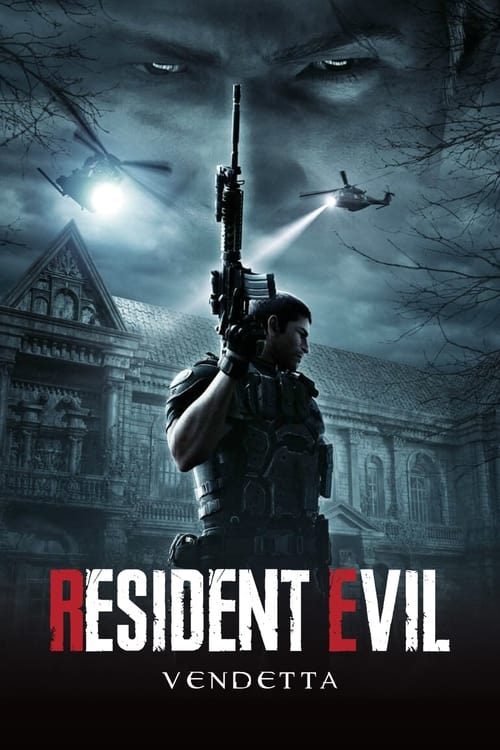
A new bioweapon threatens the world and Leon Kennedy and Chris Redfield have to reach it before it can be deployed.
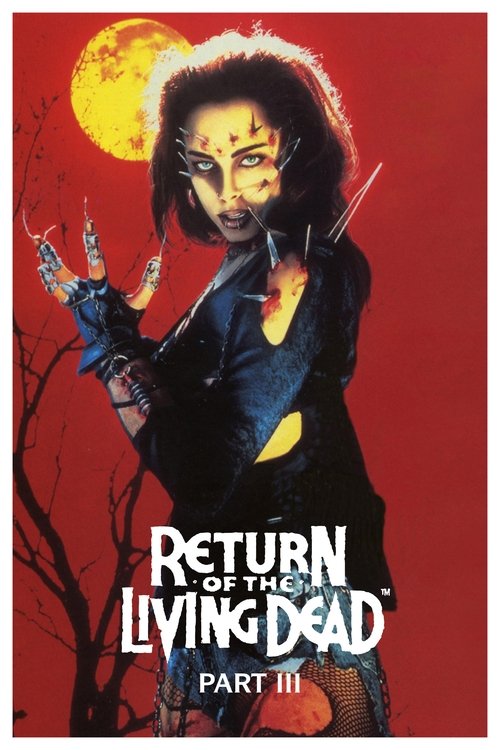
A teenager uses a military experiment to bring his girlfriend back after she dies in an accident. She comes back, but not entirely as herself.
Searching the complete Curated Zombie Horror archive…
No matches found in the Curated Zombie Horror collection. Try a broader title or keyword.
Curated zombie horror refers to a hand-selected collection of zombie films chosen for quality, craft, and context rather than popularity or volume. Unlike exhaustive databases that list every undead title ever made, a curated approach filters for films that actually deliver, whether that's Romero-era social commentary, international slow burns, or overlooked cult entries that never got a fair shot. The goal is to cut through the noise and point you toward zombie movies worth your time, not just the ones with the biggest marketing budgets.
A zombie movie worth recommending does more than put bodies on screen. The strongest entries in the genre use the undead as a vehicle for something else, whether that's societal breakdown, survival psychology, dark comedy, or body horror craft. Films like Train to Busan, Dawn of the Dead, and Pontypool each work because they have a clear point of view, not just a high body count. At HorroRated, every entry in the zombie collection is scored on that basis: does it earn its place, and does it give a viewer a real reason to watch?
Zombie horror spans more ground than most people expect. The main subgenres include zombie apocalypse films (civilization collapse, survival focus), zombie comedies (zom-coms like Shaun of the Dead and Zombieland), slow-burn zombie drama (The Battery, The Girl with All the Gifts), body horror infection films (28 Days Later, Pontypool), and international zombie cinema from South Korea, Japan, and Europe. Each subgenre has its own tone and audience, which is why a curated list organized by mood or subgenre is more useful than a raw ranked list.
Plenty. The zombie genre is deep enough that most "best of" lists barely scratch the surface. Films like Pontypool (2008), One Cut of the Dead (2017), The Battery (2012), and Let Sleeping Corpses Lie (1974) consistently show up in genre conversations as titles that deserve more attention than they get. What they share is a willingness to do something different with the formula, whether that's stripping away the action entirely, going meta, or grounding the horror in everyday human exhaustion. These are the kinds of picks that a curated zombie horror collection should be built around.
A streaming platform's zombie category is algorithmically populated based on licensing, viewing history, and trending behavior. It has no editorial point of view, and it treats 28 Days Later and a mid-budget VOD placeholder the same way because both are tagged "zombie." Curated zombie horror comes from someone who has actually watched the films, formed a verdict, and can explain why one deserves your two hours and another doesn't. The difference is human taste applied with context, not a content algorithm optimizing for watch time.
Yes, and that's a big part of why the genre has lasted. George Romero's Night of the Living Dead (1968) and Dawn of the Dead (1978) explicitly used the undead as a lens on race, consumerism, and societal conformity. That tradition continued through films like Get Out (2017), which draws on Haitian zombie mythology to explore systemic racism, and 28 Days Later (2002), which frames the real horror as how quickly military power corrupts under pressure. The best zombie movies tend to have something to say; the undead are just the delivery mechanism.