Alfred Hitchcock Presents
1955 · TVHitchcock hosts a weekly anthology of moral tales where respectable people make terrible choices and the endings rarely spare them.
Short stories, long shadows. This is a curated collection of horror anthologies ranging from classic films to modern episodic nightmares. Each one built around a simple idea: more than one way to scare you.
Hitchcock hosts a weekly anthology of moral tales where respectable people make terrible choices and the endings rarely spare them.
Steven Spielberg's anthology revival transports everyday characters into worlds of wonder, strangeness, and genuine unease.
Standalone episodes exploring horror myths, legends, and urban folklore set within or adjacent to the American Horror Story universe.
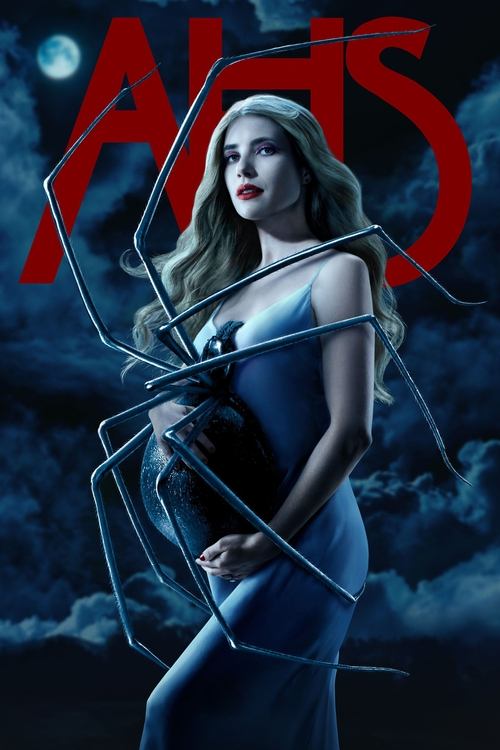
Every season brings a new cast, a new horror setting, and a completely different story. Murder House, Asylum, Coven. No two seasons share anything but the ambition.
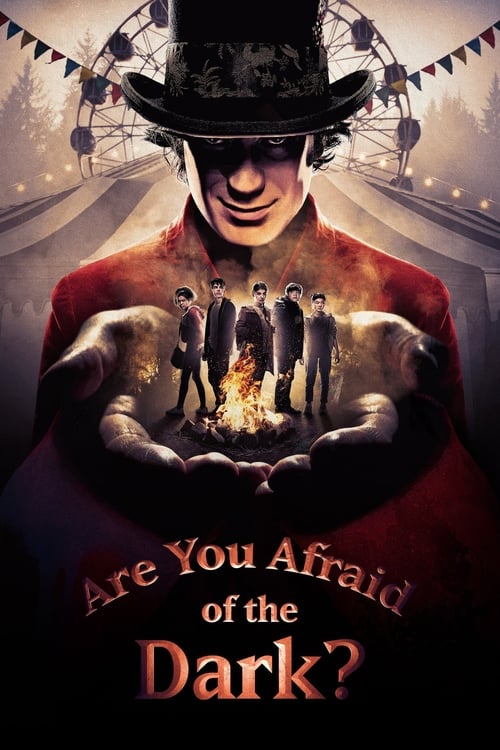
The Midnight Society returns with a new structure: each season tells one sustained horror story across five episodes, and this time the campfire tales are real.
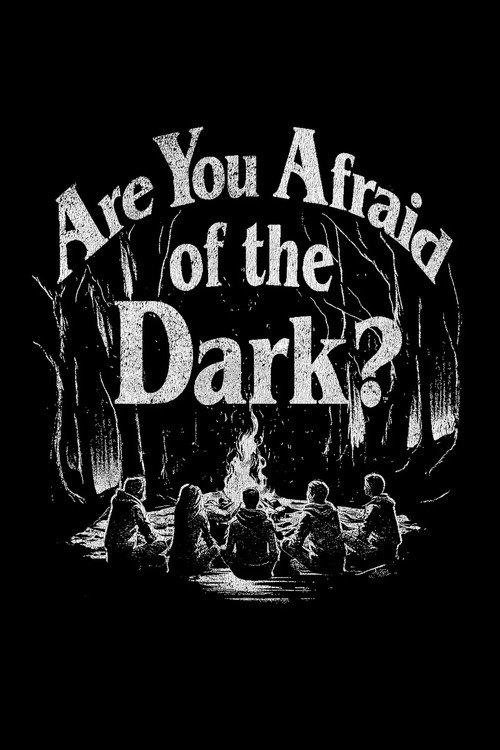
Kids gather around a campfire to tell each other scary stories, and the show dramatizes each tale with enough genuine menace to actually scare its audience.
Every episode is a self-contained story about what technology does to people when taken to its logical and usually devastating conclusion.
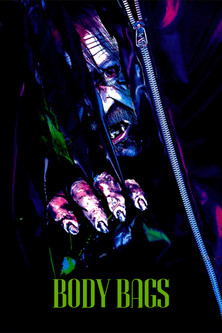
Three short horror stories hosted by a wisecracking coroner: a gas station night shift, a desperate hair transplant, and a transplanted eye with a troubling past.
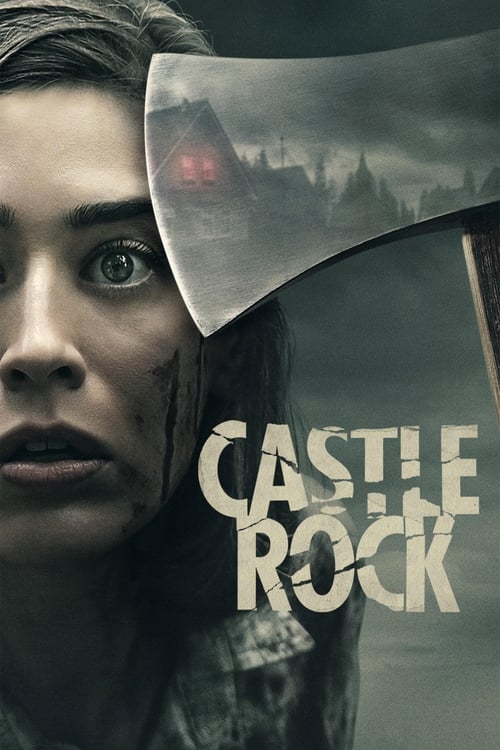
A death row inmate with a mysterious connection to Castle Rock sets off a chain of events pulling the town's darkest history to the surface.
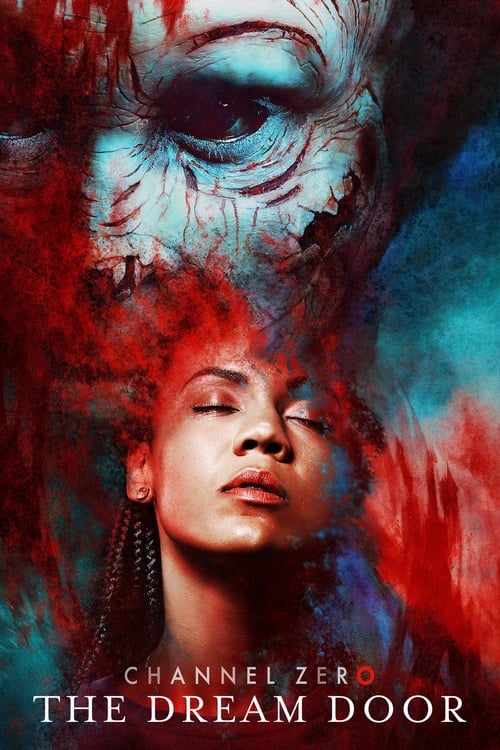
Each season adapts a different internet creepypasta into a full horror narrative, giving viral horror legends the long-form treatment they were designed for.
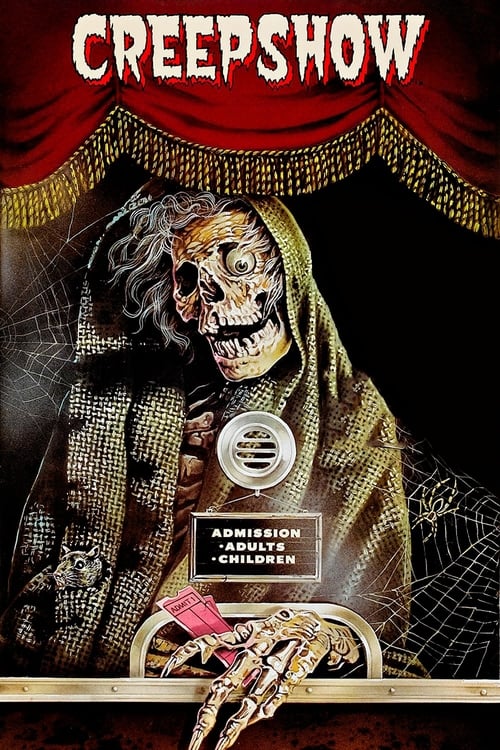
Five horror stories pulled from a pulp comic, each one about someone getting exactly what they deserve. Mean, colorful, and in a very good mood about it.
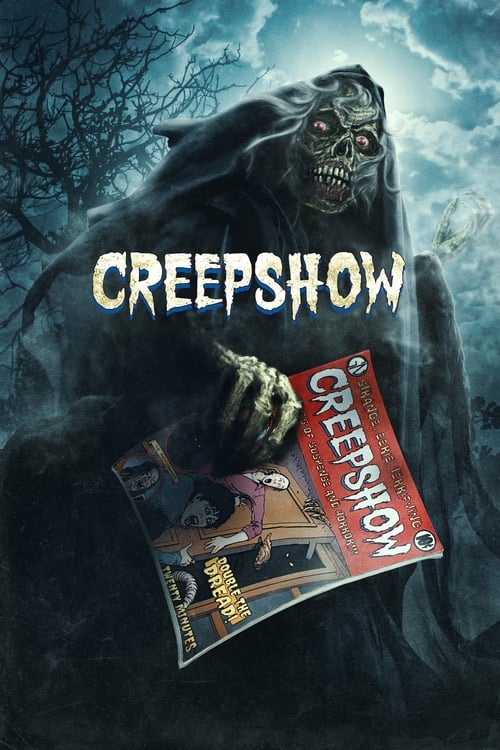
The Creep hosts short horror stories adapted from the comics, brought to life with practical effects and that same mean streak the original Creepshow films had.
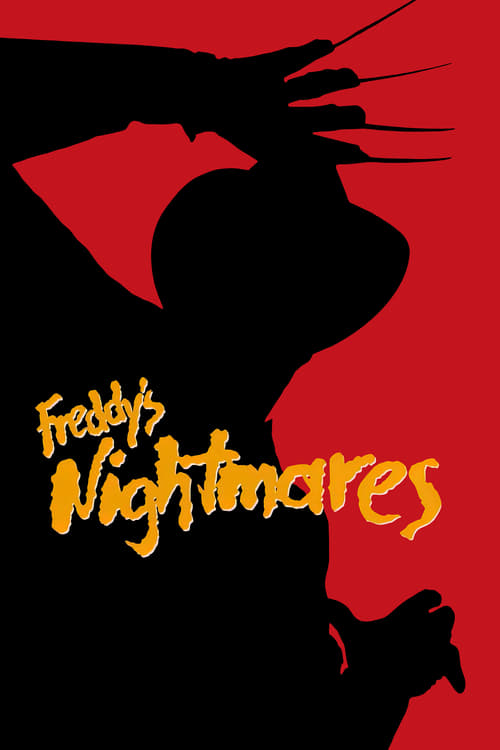
Freddy Krueger hosts a weekly anthology set in Springwood, introducing stories of fear, greed, and revenge in the shadow of Elm Street.
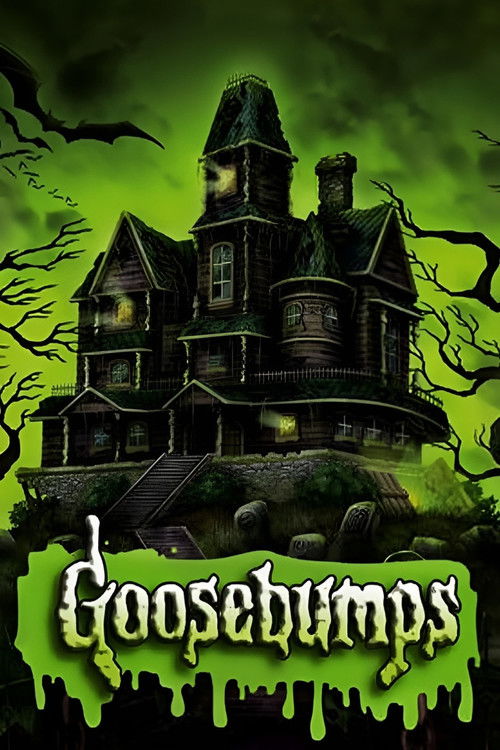
R.L. Stine's best-selling books brought to life in a weekly half-hour anthology where ordinary kids find themselves in situations with real menace.
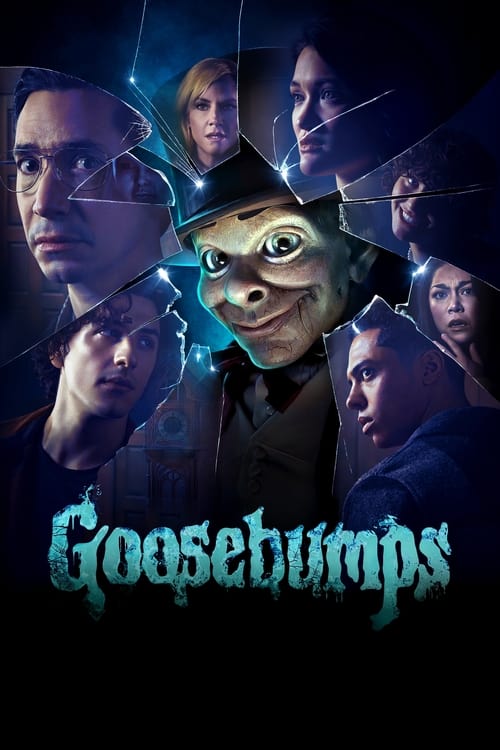
Five high schoolers investigate the death of a teenager named Harold Biddle and uncover a mystery connecting R.L. Stine's monster universe to their own parents' buried past.
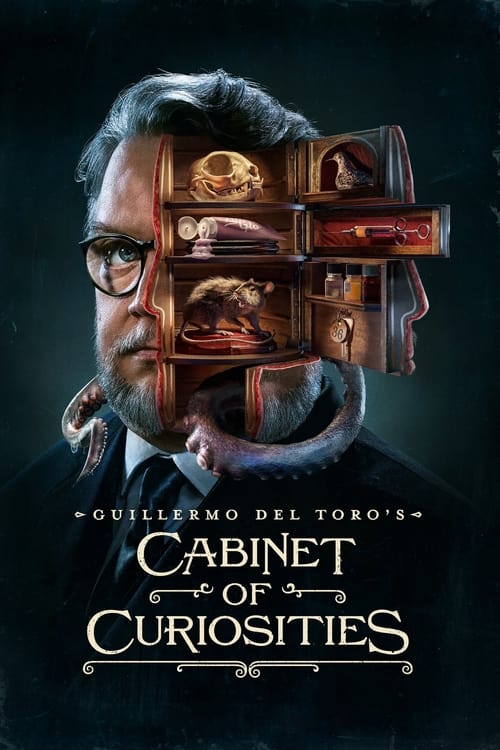
Guillermo del Toro personally selected eight horror stories from filmmakers he admires, each rendered in a completely different visual style.
Short animated films from different directors, different visual styles, different genres. Science fiction, horror, dark comedy, and things that are hard to categorize.

The most celebrated directors in horror each take a full hour to make exactly the kind of horror film they want, with no restrictions and no compromises.
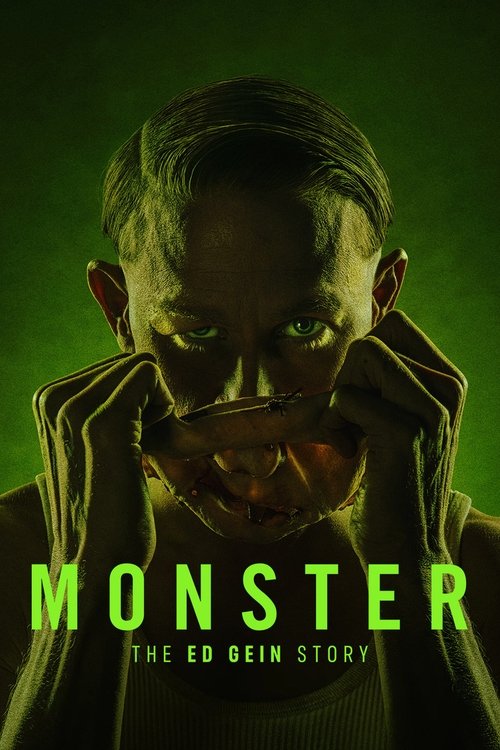
Ed Gein was a quiet Wisconsin farmer and handyman whose crimes in the 1950s were so disturbing they became the blueprint for Norman Bates, Buffalo Bill, and Leatherface.
R.L. Stine's darker anthologies come to life in a series aimed at children who can handle something a little scarier than Goosebumps.
Searching the complete Curated Horror Anthologies archive…
No matches found in the Curated Horror Anthologies collection. Try a broader title or keyword.
A horror anthology is a collection of self-contained horror stories presented together in a single film, TV series, book, or other format. Each story typically has its own characters, setting, and premise, with no continuous narrative thread between them. In film, anthologies usually contain three to five segments, sometimes connected by a wraparound or framing story. The format dates to at least the 1940s and has remained a consistent part of the genre ever since.
A horror anthology film presents multiple short stories within a single feature-length runtime, typically between 80 and 120 minutes. A horror anthology series spreads its stories across episodes or seasons, giving each entry more room to breathe. Films like Creepshow (1982) and Trick ’r Treat (2007) are anthology films, while shows like The Twilight Zone and American Horror Story are anthology series. The film format favors tight, punchy storytelling while the series format can support more character development.
A wraparound segment is a framing narrative that connects the individual stories in a horror anthology, typically opening the film, bridging between segments, and closing it. Classic examples include the Crypt Keeper in Tales from the Crypt (1972), John Carpenter playing a mortician in Body Bags (1993), and the mysterious storyteller in Creepshow (1982). A strong wraparound adds atmosphere and thematic coherence. A weak one is filler between stories that would work better on their own.
Most horror anthologies are uneven by nature, since different directors or writers contribute each segment. An anthology is worth watching when its best segments are strong enough to justify the weaker ones, which is typically the case when at least two of the film’s three to five stories deliver something memorable. Trick ’r Treat (2007), Creepshow (1982), and Three Extremes (2004) are examples where the high points are strong enough that the uneven parts barely register.
Dead of Night (1945) is widely considered the most influential horror anthology film, establishing many of the format’s conventions including the wraparound device. Creepshow (1982), directed by George A. Romero with a screenplay by Stephen King, is the most celebrated American horror anthology. Trick ’r Treat (2007) is frequently cited as the best modern anthology for its interwoven Halloween night structure. Kwaidan (1965) is the critical consensus choice for the greatest international horror anthology.
The Twilight Zone (1959-1964), created by Rod Serling, is the most influential horror anthology series in television history and the benchmark against which every later entry is measured. Among modern anthology series, Guillermo del Toro’s Cabinet of Curiosities (2022) is frequently cited as the strongest recent entry for its cinematic production quality and director-driven approach. Channel Zero (2016-2018) is considered the most artistically distinctive contemporary horror anthology TV series, adapting internet creepypasta into four seasons of surreal television.
A curated horror anthology is assembled around a specific vision, theme, or standard of quality by an editor, director, or producer who makes deliberate choices about what belongs. A general collection gathers horror content without a unifying standard beyond the genre label itself. The difference shows in consistency: curated anthologies, whether films like Kwaidan or book collections like those edited by Ellen Datlow, tend to hold a more coherent tone and quality level. Uncurated collections are more likely to produce the uneven, hit-or-miss experience that gives the anthology format a mixed reputation.
Horror anthologies typically involve multiple directors or writers, each contributing a separate segment with different budgets, tones, and intentions. There is no single creative vision holding all the pieces together unless a strong editor or director serves that function. The more contributors an anthology has, the more pronounced the quality gap tends to be, which is why anthologies like The ABCs of Death (2012), which featured 26 directors, are more chaotic than anthologies like Creepshow, where George Romero directed every segment. Three to five segments with a clear curatorial hand tends to produce the most consistent results.